
 Reading Time: 8 mins #
 This post may contain affiliate links.
There are things in my life I wish I could forget, and things I would give almost anything to remember.
Some are small but sharp. Others are massive, hiding quietly beneath the surface of the trivial. Last month, I deliberately sent a follow-up client email, but I completely forgot my brother’s mandatory court hearing; I was to be his ’emotional support person’ (ESP).
He did not call to remind me. That was the most punishing part of the entire thing. When I finally reached him on the phone, he said, “It’s okay, Liz. You were busy.”
Then he changed the subject.
I found myself wishing he would yell or tell me exactly how badly I had failed him. His quiet kindness felt infinitely heavier than any anger he could have thrown at me.
The terrifying thing about forgetfulness is that it rarely happens as a single, dramatic moment of betrayal. It is actually the compounding result of a thousand small choices to look away.
It was just one incident, but it has replayed in my mind numerous times. I still lie awake at night, staring at the ceiling and replaying the exact afternoon I marked that hearing in my calendar. The image of the notification popping up on my screen is still as clear as day. Yet, I told myself I would address it later.
But later is a destination that never arrives.

The Things I Wish I Could Forget
Some pain is loud, theatrical, and easy to talk about. But there is a quiet variety that proves far more predatory – like the memory of saying something intentionally cruel to a close friend and watching her entire face go perfectly still.
The lighting in that hallway is still as clear as day. I remember the weight of the winter coat I was wearing, pressing me down like lead as the front door closed behind her. It wasn’t a violent slam, but a soft, definitive click.
That clicking sound has followed me through rooms for fifteen years.
I wish I could forget the crushing weight of defeat. Spending long, exhausting months pretending a failing business could still be saved, trapped in the deep denial that always precedes a final crash. I still remember the exact winter morning I finally sat across from my partner and said the words out loud: ‘We need to close the doors.
I still wish I could forget the immediate expression on her face. It was a brutal alignment of anger and deep disappointment, an emotional collapse that felt entirely indecent to witness.
Plato once described souls waiting on a desolate, arid plain, waiting to drink from the River Lethe before entering their next life. The water was said to grant a total, pristine erasure of the past: no more historical pain, accumulated loss suspended, an end to memories of public defeat.
On my worst nights, I would have paid any price for a single sip of that river.
The trap, of course, is that Lethe does not discriminate. It erases the love right along with the agony. It washes away the defeat, but it takes the hard-earned wisdom of the lesson with it. You cannot drink from that river without losing what you need to keep.
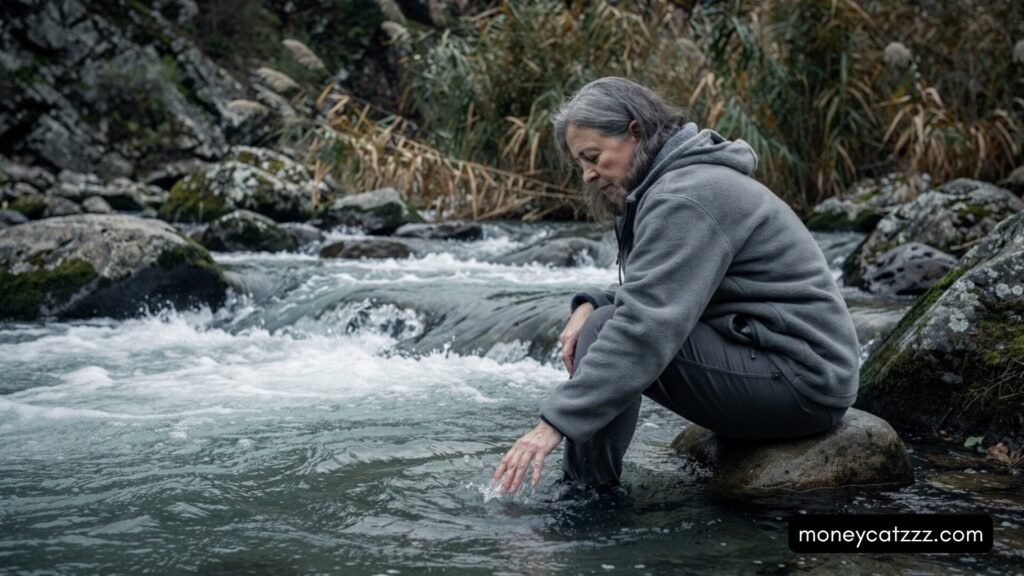
[Immersion in Memory: The Difficult Current of Past Pain | moneycatzzz.com]
The Things I Wish I Had Remembered
My mother has been gone for six years now. I can still close my eyes and see her face with perfect clarity, but I can no longer reconstruct the physical memory of her touch.
I can still remember her hand resting on my forehead when I was burning with a childhood fever, and the way her fingers worked through the tangles of my hair before school. Her hands were always so warm and sure, working patiently through the knots. But the actual physical sensation, the real warmth and certainty of them, has slipped away. I remember the events, but I can no longer hold onto the feeling.
My father’s parting words have suffered a similar erosion. The last time he left, he stood by the door and said something to me about being proud, something about not worrying about the future.
But I was entirely distracted, staring down at a text message on my phone. I nodded, offered a casual, transactional “I love you too,” and never truly listened.
Today, the final words of the most important man in my life exist only as a deafening, distorted mumble in my mind. I lived through the moment, but I failed to record it truly.
We treat memory like a consumer luxury, assuming the archive will always be accessible whenever we choose to open the file. But true remembrance requires an intense, deliberate presence.
The ancient Greeks understood this shortfall, which is why their mythology offered an alternative to the river of erasure. Mnemosyne, the goddess of remembrance, and the wise would drink from her wellspring before anything else.
They did not want to forget everything, just the weight.
The Choice We Cannot Make Alone
The ancients recognized that you cannot safely approach the waters of forgetfulness without first anchoring yourself in true remembrance. The sequence is everything. Selective erasure only functions when you first dare to inventory the entire ledger of your life.
Other traditions carry this same protective warning. In Chinese mythology, Lady Meng sits at the Bridge of Oblivion, serving a five-flavored soup of sweet, sour, bitter, spicy, and salty herbs to the souls of the departed.
The deletion is absolute and final. Once the bowl is drained, every trace of previous existence, whether you were an emperor or a peasant, is permanently purged from the cosmic record. There are no backups.
I used to dream about encountering Lady Meng’s bowl. I would have picked the sweet bowl, and not have to carry the memory of that hallway, the clicking sound of the lock, the folded company, and the look on my business partner’s face to my grave. My father’s lost words and my mother’s faded hands would no longer matter.
But ancient myths were built for a world without our current brand of permanent digital visibility. Today, if that bowl were placed in front of me, I would choose to refuse it.
To forget the pain of the departure means completely losing the reality of the love that made the departure hurt in the first place. There’s gain from remembering and loss from forgetting.
A Ritual for Carrying Both
In our contemporary landscape, there are no physical rivers of forgetfulness, and no mythological soups to grant us an easy escape from ourselves. Instead, our modern capacity to retain data has expanded exponentially. Our brains have not grown larger, but technology refuses to let anything die. Permanent archives of our old targets, missed deadlines, and forgotten obligations surround us.
To survive our own histories, we require a deliberate ritual of internal integration. This is not the practice of suppression, which is merely pushing a memory down and hoping it drowns.

[The Intention of Presence: Finding Peace by Choosing Love over Fear | moneycatzzz.com]
We are letting the memory surface so we can consciously evaluate what to keep and what to release. The practice requires four distinct steps:
- Name the Vibration: Identify the memory you are hoarding. (“I felt completely whole once, on a specific night, in a specific room.”)
- Name the Echo: Admit the pattern. (“I have been judging every person I’ve met since against that single hour.”)
- Name the Hollow: Stop trying to camouflage it. (“The emptiness is still there, and it is a part of my architecture.”)
- Name the Fear: Call out the threat. (“I am afraid that if I stop looking back, I will lose my sense of self.”)
These steps are not suppression. We are letting the memory surface so it can finally find its proper place, look at what to keep and what to release.
The integration weaves the broken pieces back into the fabric of who we are.

The River You Cannot Find
The Lethe and Lady Meng are beautiful, comforting old stories told to help us cope with the simple terror of being human. But the clean slate they promised was always a trick. The souls who drank from those waters did not find peace; they just found a great, empty quiet. They felt nothing in the end.
And feeling nothing just to be less afraid makes us entirely less human. True healing does not require us to delete our history, but to change how our physical bodies hold the reality of that history.
The old way was an attempt to dam the river entirely. The new way is learning how to live with the current.
You learn to let the sharpest edges of a memory soften over time, but you refuse to forget the shape of it. You need to feel that cold water from time to time. It tells you exactly where you have been.
Forgetfulness has its natural place, but it should never be used as a shield. Do not look away from the click of that door or the look on your partner’s face.
Remember, these are your maps, not your wounds.
Today, you cannot drink from Lethe; it doesn’t actually exists. Lady Meng resides only in books. There is an abundance of soup in the world, colorful and tasty, but none that brings forgetfulness. There is only you, sitting quietly with the memory, deciding what to carry and what to set down on the shore.
The river doesn’t wash the past away. It just teaches you how to swim in deeper water.
Remembering Has A Purpose: 3 Useful Books
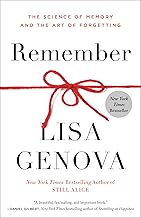
Remember


Crossing the River Lethe

The Buried Giant
Disclosure: This post may contain affiliate links. We only recommend products we believe in, and we may receive a commission at no cost to you! Thank you for your support!
Acknowledgment: Cover Image by moneycatzzz.com
Disclaimer: The information is provided for general information only – moneycatzzz.com makes no representations or warranties in relation to the information, including but not limited to any representation or warranty as to the fitness for any particular purpose of the information to the fullest extent permitted by law. While every effort has been made to ensure that the information provided in this article is accurate, reliable, and complete as of the time of writing, the information provided in this article should not be relied upon to make any financial, investment, real estate or legal decisions. Additionally, the information should not substitute advice from a trained professional who can take into account your personal facts and circumstances, and we accept no liability if you use the information to form decisions.