 Reading Time: 8 mins #
 This post may contain affiliate links.
The bicycle was older than it had any right to be, and the man renting it to me from a folding table near the South Gate didn’t speak enough English to explain why the left pedal clicked on every rotation. He demonstrated instead, miming the motion with his hand, click… click… click, then shrugged with the particular cheerfulness of someone who has long since stopped apologizing for things that still work.
I paid him via Alipay. He handed me a helmet I didn’t wear.
And that’s how the rediscovery began. Not in Pit One with eight thousand clay soldiers or in the shadow of the Great Mosque. On top of a Ming Dynasty wall at six-fifteen in the morning, one pedal clicking like a metronome, the mist sitting low over a city that has been buried, and unburied more times than anyone has properly counted.
A City That Carries Its Past Underneath
The first thing I noticed is that Xi’an doesn’t announce itself. Other ancient cities reflect their age. Rome wears its ruins mostly above ground, and Athens built the Parthenon on a hill so you can see it before landing at the airport. But Xi’an is different; Xi’an does something stranger. It carries its past underneath.
The Tang Dynasty capital of Chang’an, which was once the largest city on earth, with one million people inside its walls when London was a muddy river settlement, lies beneath the streets you’re walking on. The grid of it. The memory of it. You’re not visiting Xi’an’s history. You’re standing on top of it, and it doesn’t make a sound.
I thought about that a lot on the wall that morning. How much is under our feet that we’ve agreed, collectively or privately, not to dig up?
Wei, and the One Face You Should Stay With
Wei found me at the base of the ramp leading to Pit One, where I’d been standing for longer than was probably normal, staring at the entrance sign without going in. She was a local guide, forty-something, a Xi’an native who’d grown up taking school trips here and now spent her days walking foreigners through a site she’d seen thousands of times. There was something in the way she still looked at it, I noticed, that I can only describe as rediscovery — the way you look at something that keeps surprising you, even after all this time.
“First time, ma?” she asked.
I said yes.
She paused for a second, then suggested this. “Then go in slowly. Most people rush to see everything. You should pick one face and stay with it.“
It was practical advice delivered without ceremony. She moved off to collect her actual tour group, leaving me standing there with instructions I intended to follow.
What Eight Thousand Faces Teach You About Letting Go of the Past
I did go in slowly.
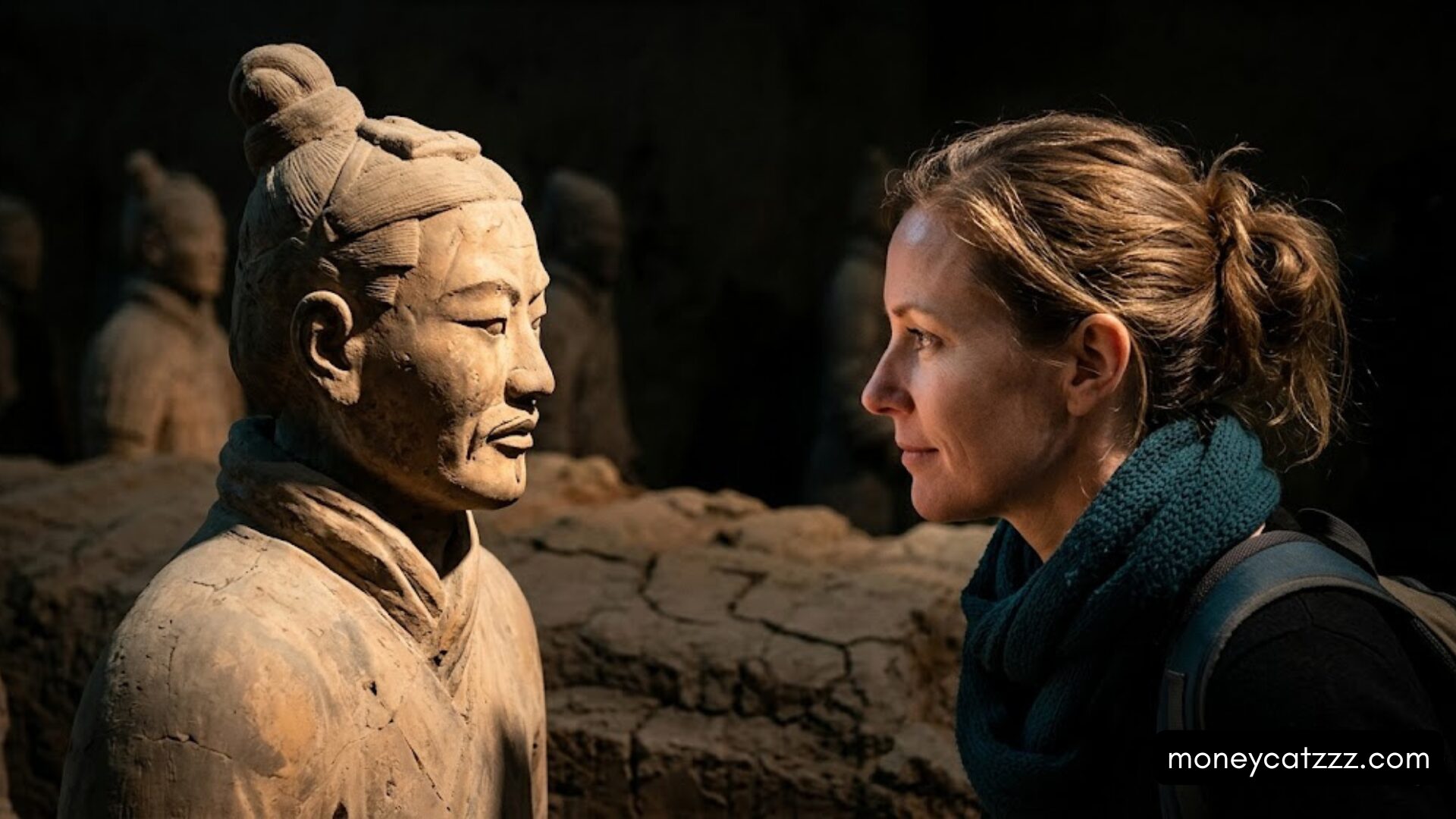
The scale of Pit One is the thing photographs never solve. You walk in from the bright Shaanxi morning, and your eyes adjust, and then the room keeps going. Row after row of soldiers standing in formation, facing east, waiting for an order that hasn’t come in two thousand two hundred years. The detail work is what breaks you, though. Not the scale. The faces.
Qin Shi Huang‘s artisans made each face from the likeness of a specific person. No two are identical. There are soldiers with high cheekbones and soldiers with broad jaws, soldiers who look worried and soldiers who look like they’re already thinking about lunch. Someone sat across from a living person and made that face in clay, and both are gone now, the maker and the model—and the face is still here—still looking at something only it can see.
I found my soldier about forty feet in. Square jaw, a slight downward pull at one corner of the mouth, facially nonchalant, more like someone carrying some weight he didn’t choose but had stopped resenting. I stayed with him for a while.
Kazuo Ishiguro wrote about a village that had collectively agreed to forget, not through cruelty but through a kind of mercy that became its own wound. In The Buried Giant, Ishiguro claims that the burying wasn’t violent. It was quiet. It was the decision, made so gradually nobody could point to the moment it happened, that some things were better left underground.
I recognized the agreement. I’d made it myself—several times.

The Particular Trap of the One Who Keeps Functioning
The particular trap of being someone who keeps functioning, who holds the plates in the air and makes it look effortless, is that you get very good at burial. You have to. The life you’ve built requires you to show up, and showing up requires not excavating during business hours. Or after. Or on weekends, when you’re supposed to be recovering enough to show up again on Monday.
The buried thing stays buried because the schedule has no room for archaeology. And eventually the schedule becomes the excuse, and the excuse becomes the agreement, and the agreement becomes the years.
This is where rediscovery gets complicated for the ones who never stopped functioning. The warriors didn’t need fixing. They weren’t broken underground. They were intact, patient, waiting. The healing wasn’t in the burial or even in the waiting. It was in that moment that someone finally looked down and said, “Something is here.” Something I agreed to leave alone. Something that has been here the whole time.
What Xi’an argues, quietly, by simply existing, is that burial is not the same as erasure.
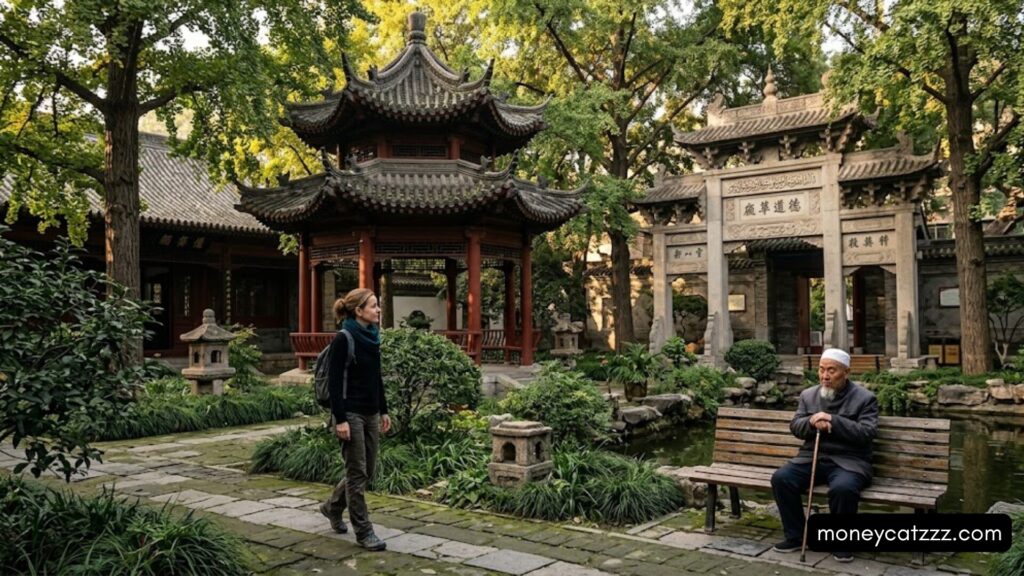
[Inside the Muslim Quarter (Ai Generated) | moneycatzzz.com]
The warriors were underground for over two thousand years. A farmer named Yang Zhifa hit terracotta with his shovel in March 1974 while digging a well, and there they were, still in formation, still facing east, still waiting. UNESCO added the site to the World Heritage List in 1987. Yang Zhifa, now in his eighties, still visits the museum occasionally to sign books. The discovery didn’t create the warriors. They were always there. The discovery just meant the agreement to leave them underground was finally over.
I thought about what I’d agreed to leave underground:
- The writing I’d stopped.
- The version of myself that existed before I got very good at being useful to everyone else.
- The particular quality of attention I used to give to things that had no practical application.
Caretaker fatigue doesn’t only exhaust you physically. It slowly teaches you that you are the function, not the person. Once you believe that, the person goes underground because there’s no longer a scheduled slot for her.
Wei had said something that stuck: “pick one face and stay with it,” not exactly the best advice about museum-going, but it is a GPS to rediscovery, of sorts. You don’t excavate everything at once. You pick one thing, you stay with it, you let it be specific before you try to make it general.
The Muslim Quarter, After Dark
The Muslim Quarter is a fifteen-minute walk from the Drum Tower, and the correct time to go is after dark, when the lamb skewers are hitting their peak, and the pomegranate juice sellers are arguing cheerfully with each other about something that has nothing to do with you.
I went three nights in a row.
What Amir’s Flatbread Taught Me About Personal Growth
On the second night, I found Amir, who ran a small stall selling roujiamo (肉夹馍), the Xi’an flatbread sandwich that some people call the world’s oldest burger. Braised pork or spiced lamb inside a baked bread that’s been made in this region since the Qin Dynasty. He was assembling them with a speed that suggested he’d done this approximately one million times and found it no less interesting for that.
“Màn màn chī,” he said, handing it over, which means eat slowly, savor it, though the way he said it, with a slight tilt of his head toward the crowd pushing past us, suggested he meant something closer to: slow down, you’re missing everything.
His family had been in Xi’an for six generations, he told me, in careful English he’d learned “from tourists and from television, probably in equal measure.” The Hui Muslim community has been here since the Tang Dynasty, when merchants who traveled the Silk Road stayed. What they built over a thousand years is one of the most striking things in a city full of striking things: the Great Mosque of Xi’an, which from the outside looks entirely Chinese, with curved roofs, pagoda towers, a scholar’s garden layout, and from the inside is unmistakably, deliberately a mosque. Arabic calligraphy across every surface. The qibla (direction, قبلة) is oriented toward Mecca. Five prayers daily without interruption for over a thousand years.
At one point, a neighbor from the next stall leaned over and said something rapid in the Shaanxi dialect, that thick, rounded local tongue that even Mandarin speakers from Beijing find difficult to follow. Amir laughed. “He says you eat like a Xi’an person. Serious. No photographs.”
I took that as the highest compliment the Muslim Quarter has ever paid me.
“We did not become Chinese,” Amir said, wrapping a second roujiamo I hadn’t asked for but clearly needed. “We became Xi’an.“
I’ve been thinking about that sentence ever since.
The fear underneath healing after loss, the one that doesn’t get said aloud often enough, is that if you change, if you let the buried thing stay buried and build something new on top, you’ll lose what you were. That reinvention is a self-betrayal. Amir’s community spent a thousand years proving that you can adapt every outer form without surrendering the inner one. The mosque looks like China. It faces Mecca.
You can become a new place without forgetting where you’re from.

What Stays When Everything Else Goes
On my last morning, I went back to the wall.
Same folding table. Same man. He recognized me, pointed at my bicycle with a proprietorial satisfaction, click… click… click, and I laughed and paid him again. I shall go for an e-bike next time.
The mist was lower than on the first morning. I could barely see the rooftops below the wall’s edge. Just the flat grey of it, and somewhere underneath, Chang’an, and underneath Chang’an, whatever came before Chang’an, layers of city going down like geological strata, each one the ruins of something that thought it was permanent.
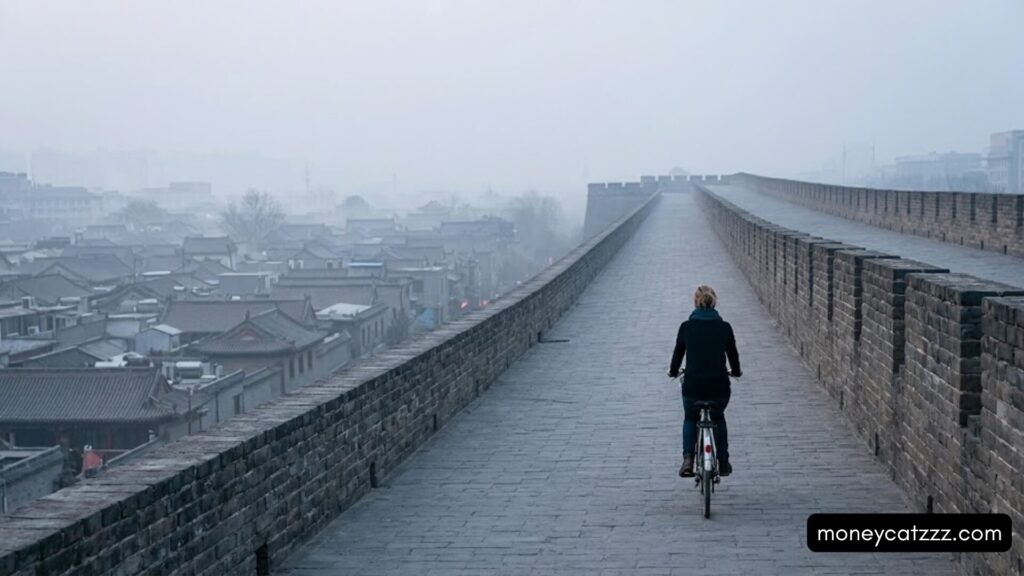
[Xi’an’s Ancient Ming Dynasty City Wall at Dawn ( AI Generated) | moneycatzzz.com]
Groundlessness Is Not the Enemy
Pema Chödrön writes in When Things Fall Apart that groundlessness is not the problem. It’s the condition. The moment when the structure you built to feel safe comes down is not the end of the story. It’s the place where the actual story becomes possible, because you’re no longer spending all your energy on maintenance.
I’d spent a long time on maintenance.
The personal growth I’d been chasing with workshops and books and the right morning routine was never going to arrive through more structure. It was going to arrive the way the warriors arrived: through someone finally deciding to dig. Through stopping the agreement that certain things were better left underground. Through picking one face, staying with it, letting it be specific.
The rediscovery I’d been circling wasn’t dramatic. It didn’t require a collapse, a crisis, or a plane ticket, though the plane ticket helped. It required something quieter and, to be honest, harder: the willingness to acknowledge that the buried thing was still there, still in formation. Still facing east, and still waiting.
The Girl and the Old Stone
On the descent from the wall, I passed a school group, maybe thirty children in matching yellow vests, running their hands along the ancient brick the way children do, testing its reality. Their teacher was trying to keep them moving. None of them was moving.
One girl had pressed her whole cheek against the wall and closed her eyes.
I don’t know what she was listening for. But I understood the impulse completely.
Sometimes you press your ear to the old stone, and you wait, and what you’re really asking is: are you still there?
Xi’an’s answer, in every layer of its buried, rebuilt, uncovered, still-standing self, is always the same.
Yes. I never left. You just stopped digging. Your rediscovery journey starts today.
That girl with her cheek against the wall wasn’t being childish. She was doing what most adults have forgotten how to do: beginning the rediscovery without waiting for permission, without a plan, without knowing what she’d find. Just showing up at the old stone and staying long enough to listen.
The Books That Stayed with Me
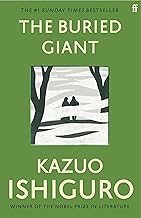
The Buried Giant

The Art of Memory
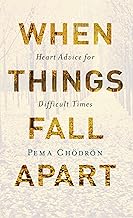
When Things Fall Apart
Disclosure: This post may contain affiliate links. We only recommend products we believe in, and we may receive a commission at no cost to you! Thank you for your support!
Acknowledgment: Cover Image by moneycatzzz.com
Disclaimer: The information is provided for general information only – moneycatzzz.com makes no representations or warranties in relation to the information, including but not limited to any representation or warranty as to the fitness for any particular purpose of the information to the fullest extent permitted by law. While every effort has been made to ensure that the information provided in this article is accurate, reliable, and complete as of the time of writing, the information provided in this article should not be relied upon to make any financial, investment, real estate or legal decisions. Additionally, the information should not substitute advice from a trained professional who can take into account your personal facts and circumstances, and we accept no liability if you use the information to form decisions.