
 Reading Time: 11 mins #
 This post may contain affiliate links.
Craft Your Personalized Wellness Routine
In our fast-paced world, where schedules are packed and stress levels run high—taking care of your well-being can easily fall by the wayside. But there’s never been a more critical time to tune into your health—physically, mentally, and emotionally. The concept of personalized wellness is gaining ground, and with good reason.
Personalized wellness isn’t just a trend. It’s a movement toward building a life that works with your unique body, mind, and lifestyle—not against them. Whether you’re looking to feel more energized, manage stress, get stronger, or feel like yourself again, your wellness journey deserves a plan that’s as unique as you are.
“Health is a state of complete harmony of the body, mind, and spirit.” –B.K.S. Iyengar.
This article will help you explore how to design a personalized wellness routine that empowers you to feel better, move more intentionally, and live with greater vitality—without burning out or following a one-size-fits-all formula.
Let’s dive in.
Why Personalized Wellness Matters
One of the most common reasons people struggle with health goals is because they’re following routines that were never meant for them in the first place. Personalized wellness is personal—what works for your friend or a social media influencer might leave you exhausted, unmotivated, or even injured. According to the American College of Sports Medicine, people who follow customized fitness plans are 42% more likely to reach their goals than those using generic programs.
The Building Blocks of a Personalized Wellness Routine
Let’s break down the core components of a well-rounded wellness routine—and how to personalize each.
1. Movement That Feels Good
Exercise isn’t just about burning calories—it’s about building strength, increasing mobility, improving mood, and keeping your body functioning optimally. However, the type of movement you do should reflect what you enjoy and what your body needs.
- Cardio: for heart health—walking, running, swimming, cycling
- Strength training: to build muscle—support metabolism
- Mobility and flexibility: to prevent injuries and improve movement
- Balance and core work: for overall stability
If you’re starting, ease in. You don’t need to work out every day. Start with two or three days a week and build from there. Listen to your body. Some days call for high energy, while others need something more restorative—like yoga or a walk in nature.
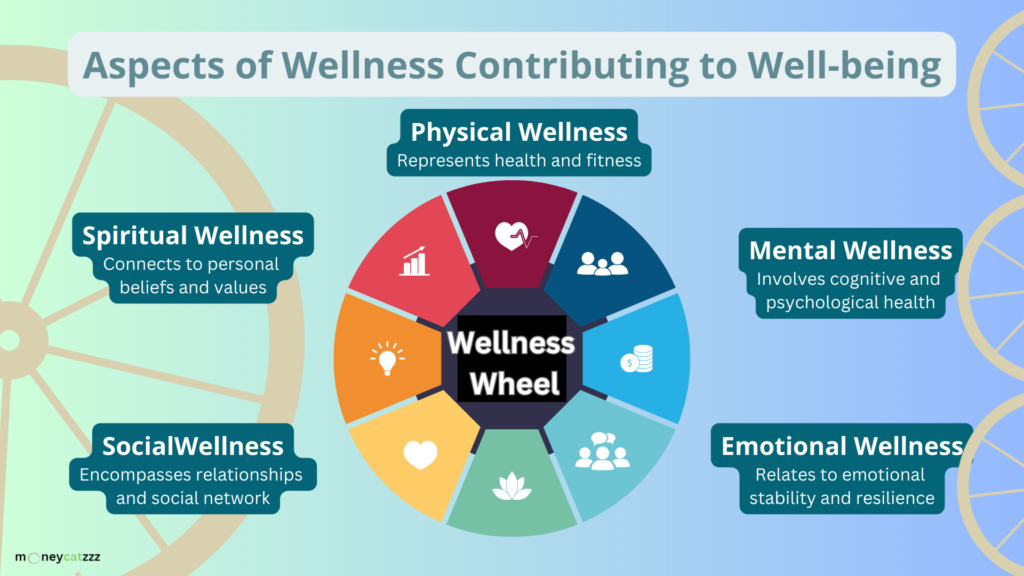
[“The Personalized Wellness Wheel” – moneycatzzz.com]

2. Fueling Your Body with Intention
Nutrition is crucial in personalized wellness but doesn’t have to be complicated or restrictive. Focus on eating foods that nourish your body and give you energy. That means whole, minimally processed foods with flexibility for the foods you love.
- Prioritize plants: fruits, vegetables, legumes, and whole grains
- Include healthy fats: nuts, seeds, olive oil, avocado
- Choose quality proteins: lean meats, fish, tofu, tempeh, eggs
- Stay hydrated: aim for 8+ glasses of water per day
Take the time to notice how different foods make you feel. Personalized nutrition isn’t about following a fad but observing, adjusting, and responding to your body’s signals.
The Power of Daily Movement
You don’t need a gym membership or a fancy setup to stay active. The goal is to move daily in ways that feel sustainable and energizing. In his book, Spark: The Revolutionary New Science of Exercise and the Brain, Dr. John Ratey highlights how even light daily movement improves brain function, boosts mood, and reduces symptoms of depression and anxiety.
Your routine could include:
- A 30-minute brisk walk
- 15-minute strength training at home
- Dance breaks throughout your workday
- Stretching before bed
Start where you are, and build from there. Consistency matters more than intensity when it comes to long-term results.
Mental and Emotional Wellness
Physical health is only one piece of the puzzle. Personalized wellness also means caring for your mental and emotional health—especially during stress, burnout, or uncertainty.
Try weaving in practices like:
- Mindfulness: even five minutes of daily meditation can calm your nervous system
- Journaling: helps you process emotions and clarify your thoughts
- Therapy or counseling: offers tools and support when life feels overwhelming
If you’re facing anxiety, depression, or trauma—or even if you’re just feeling lost—please know that support is available. Talking to a mental health professional isn’t a weakness; it’s a powerful act of self-care. You don’t have to go it alone.
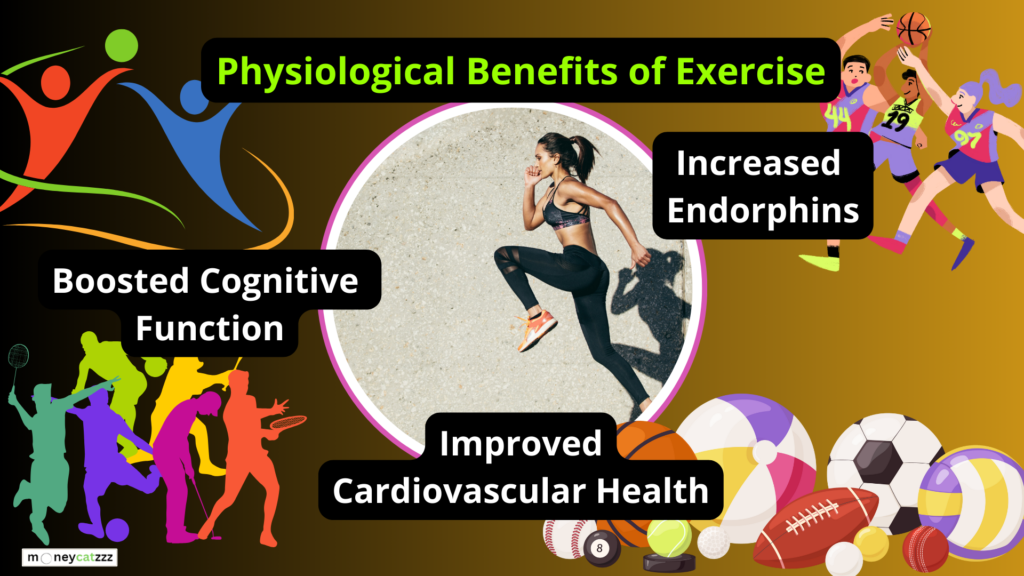
[“The Science of Exercise” – moneycatzzz.com]
Rest and Recovery: The Overlooked Essentials
Many people undervalue rest in their wellness plans, but your body needs downtime to recover, rebuild, and recharge. Rest is what allows progress to happen. Without it, you risk burnout and injury.
Here’s how to build recovery into your routine:
- Prioritize sleep: aim for 7–9 hours per night
- Take rest days from workouts
- Practice active recovery: gentle yoga, foam rolling, or walks
Remember: pushing through fatigue isn’t discipline—it’s depletion. Recovery is productive.
The Role of Technology in Personalized Wellness
Technology can sometimes feel overwhelming, but it can also be a powerful wellness tool when used mindfully. Here are a few ways to make it work for you:
- Mental health apps: Try meditation, mood tracking, or journaling tools
- Virtual fitness classes: Work out from the comfort of your home
- Teletherapy: Access counseling regardless of location
- Wearables: Track your steps, sleep, and heart rate to gain insight
Use tech to support your goals—not to measure your worth. And don’t hesitate to unplug when you need to reconnect with yourself.
Financial and Social Wellness Matter Too
Holistic wellness goes beyond your body, including your relationships and finances.
- Financial wellness allows you to invest in your health (think nutritious food, gym memberships, and therapy). Create a budget that aligns with your values, save consistently, and avoid unnecessary stress from money mismanagement.
- Social wellness is about connection. Whether it’s family, friends, or community, meaningful relationships have been linked to longer, healthier lives. Make time for the people who uplift you. Reach out when you feel isolated.
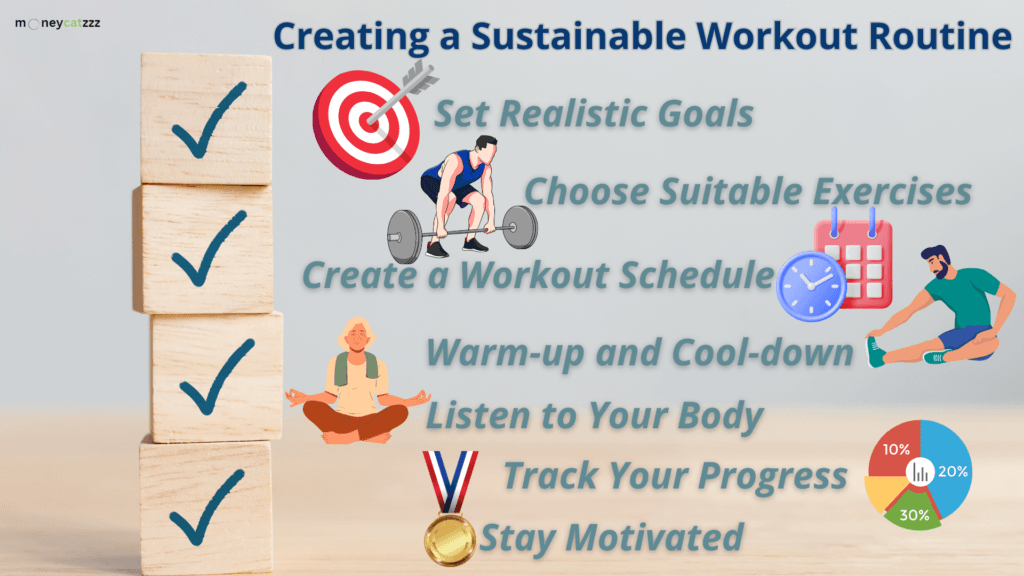
[“Creating a Sustainable Workout Routine” – moneycatzzz.com]
How to Stay Consistent
Creating your personalized wellness plan is just the beginning. The real magic happens in the follow-through. Here’s how to stay on track:
- Track your progress with journals or apps
- Adjust as you go—your needs will change, and that’s okay
- Celebrate small wins to keep motivation high
- Keep it flexible: life isn’t linear, and your wellness routine doesn’t need to be either

Final Thoughts: This Is Your Journey
Wellness isn’t about achieving perfection—it’s about building a life where you feel good in your skin, inside and out. A personalized wellness routine allows you to tune in, take control, and create real, lasting change.
Whether starting fresh or refining an existing routine, remember that small steps, taken consistently, lead to meaningful transformation. You don’t need to overhaul your life overnight. Just begin with one intentional choice—and build from there.
Your wellness is worth the effort. You are worth the effort.
Ready to get started on your personalized wellness journey?
Explore our handpicked tools and expert-backed resources to help you design a routine that works for you—mind, body, and soul.
Disclosure: This post may contain affiliate links. We only recommend products we believe in, and We may receive a commission at no cost to you! Thank you for your support!
Acknowledgement: Cover Image by Unsplash.com
Disclaimer: The information is provided for general information only – moneycatzzz.com makes no representations or warranties in relation to the information, including but not limited to any representation or warranty as to the fitness for any particular purpose of the information to the fullest extent permitted by law. While every effort has been made to ensure that the information provided in this article is accurate, reliable, and complete as of the time of writing, the information provided in this article should not be relied upon to make any financial, investment, real estate or legal decisions. Additionally, the information should not substitute advice from a trained professional who can take into account your personal facts and circumstances, and we accept no liability if you use the information to form decisions.