
 Reading Time: 8 mins #
 This post may contain affiliate links.
There’s a Portuguese word, “saudade,” that describes a deep emotional state of nostalgic longing. Sometimes that longing is for clarity itself, for those crystalline moments when thoughts flow like water, not molasses.
You know this feeling. The screen blurs slightly. Words you know suddenly feel foreign on your tongue. You walk into a room and forget why you’re there. Your brain feels wrapped in wet wool, processing everything through layers of invisible cotton. This is mental fog, and if you work remotely or live location-independently, you’ve probably noticed it arrives more frequently than it did in your office days.
The digital nomad lifestyle promises freedom, but nobody mentions how the constant adaptation, screen time, and lack of routine can create a particular kind of cognitive lag. Without the external structure of an office, without the natural transitions of commuting, our minds can lose their edges, like a photograph slowly going out of focus.
Today, we’re exploring gentle, practical ways to clear mental fog naturally, not through aggressive productivity hacks, but through simple rituals that honor your brain’s need for space and stillness.
Understanding the Geography of Fog
Before addressing the fog, let’s understand what creates it. Mental fog isn’t a character flaw or a sign of laziness. It’s your brain’s protective response to overwhelm, similar to how your computer slows down when too many programs run simultaneously.
Dr. Mike Dow, in his book The Brain Fog Fix, explains that our modern lifestyle creates perfect conditions for cognitive haze: irregular sleep patterns, excessive screen exposure, and what he calls “blood sugar roller coasters.” For location-independent professionals, add timezone confusion, constant environmental changes, and the pressure to be “always on,” and you have a recipe for chronic mental cloudiness.
The fog manifests in several ways:
- Low mental energy that makes even simple tasks feel monumental
- Cognitive lag, where there’s a delay between thinking and doing
- Sensory muffling that creates a feeling of existing behind glass
- A forgetfulness that has you losing sentences mid-thought
Research from Harvard Medical School shows that brain fog often results from inflammation, stress, and disrupted sleep patterns. The good news? These are all addressable through gentle, consistent practices.
Step 1: Create Your Morning Sanctuary
The way you begin your day sets the tone for mental clarity or confusion. Most of us reach for our phones before our feet even touch the floor, immediately flooding our barely awake brains with information, decisions, and other people’s urgencies.
Instead, try what I call the Golden Twenty: the first twenty minutes of your day belong entirely to you, with zero digital input. This isn’t about meditation or complex morning fog rituals. It’s simply about giving your brain time to fully wake up before demanding it process information.
During these twenty minutes:
- Listen to the actual sounds around you (birds, traffic, your breathing)
- Notice the quality of light in your space
- Stretch gently, feeling your body wake up
- Drink water slowly, tasting it
This simple practice of clearing mental fog naturally works because it allows your brain to transition from sleep to wakefulness at its own pace, rather than being jolted into high gear.

[“The Power of the Analog Morning” – Image by moneycatzzz.com]
Step 2: The Art of Sensory Grounding
When fog descends during your day, it often signals that you’ve become disconnected from your physical body. Hours of screen time can create a floating sensation, as if your consciousness has detached and is hovering somewhere above your shoulders.
Sensory grounding brings you back. Keep a grounding object within reach: a smooth stone, a textured fabric, or even a small plant. When you notice the fog rolling in, engage with this object fully. Feel its temperature, texture, and weight. This isn’t mindfulness for mindfulness’s sake; it’s a practical technique for relieving brain fog that works by engaging parts of your brain that screens can’t reach.
Cal Newport, in Digital Minimalism, discusses how physical engagement with the analog world serves as a cognitive reset. He’s talking about bigger lifestyle changes, but the principle applies to these micro-moments of touching something tangible when the digital world has made everything feel abstract.
Step 3: Adjust Your Environmental Frequency
Our environments profoundly impact our cognitive state, yet we rarely consider how lighting and sound affect our ability to think clearly. Harsh overhead fluorescents and the constant hum of electronics create what researchers call “cognitive load,” using up mental resources to filter out irritation.
For mental clarity rituals that actually work:
- Replace harsh lighting with warm, soft alternatives
- Use natural light whenever possible
- Create quiet zones in your day (even 5-minute windows of silence)
- Consider f.lux software to adjust screen color temperature
The goal isn’t to work in darkness and silence but to reduce the sensory assault that contributes to cognitive lag. Your brain shouldn’t have to work hard to exist in your space.
Step 4: The Power of Monotasking
Multitasking doesn’t just reduce efficiency; it actively creates mental fog. Every time you switch tasks, your brain leaves a residue of attention on the previous task, creating what researchers refer to as “attention residue.” Do this dozens of times daily, and you’re operating through layers of mental debris.
Choose one physical task when fog strikes: washing a single dish, folding one shirt, writing one paragraph by hand. Perform it with complete attention. This isn’t about productivity; it’s about giving your brain a single point of focus to reorganize itself around.
Johann Hari explores this brilliantly in Stolen Focus, showing how our fractured attention creates a state of perpetual semi-confusion. The antidote isn’t trying harder to focus, but instead reducing the number of things that demand focus.
Step 5: The Paper Brain Dump
Sometimes mental fog persists because your brain is trying to hold too many small things simultaneously.
Every unwritten task, worry, or random thought consumes cognitive space, much like having too many browser tabs open.
The solution is delightfully analog: paper and pen. Not a sophisticated system, not an app, just the physical act of moving thoughts from your head to paper. Write everything: “Buy almonds. Call mom. Worried about the presentation. Shoulder hurts. That dream was weird.”
Studies from Princeton and UCLA show that handwriting engages different neural pathways than typing, creating better memory consolidation and, importantly for our purposes, a greater sense of mental relief.
This “paper pour” gives your brain permission to stop holding these thoughts, freeing up cognitive resources for actual thinking rather than just remembering.

[“Cognitive Clarity: Clearing the Fog” – Image by moneycatzzz.com]
Gentle Troubleshooting for Persistent Fog
When silence feels overwhelming: Don’t fight it. Give your mind a simple focusing task instead. Count your breaths, notice the sensation of air on your skin, or listen for the furthest sound you can hear. You’re not trying to empty your mind but giving it something gentle to do.
When you can’t control your environment: Create micro-sanctuaries. A small plant on your desk, a favorite pen, a photo that makes you smile. These become sensory grounding anchors you can return to throughout the day. Even in the busiest open office or noisiest café, you can take thirty seconds to look at your anchor object honestly.
When the fog feels chemical: Sometimes, brain fog relief techniques need to address the body. Dehydration is a major fog trigger, as is blood sugar instability. Before reaching for another coffee, try water with a pinch of salt and lemon, or a handful of nuts with an apple. These simple interventions often clear fog more effectively than caffeine.
The Rhythm of Clarity
Clearing mental fog naturally isn’t about achieving a permanent state of crystal clarity. Fog is natural, even necessary. It’s your brain’s way of saying it needs a pause, a reset, a moment of non-doing.
The goal isn’t to eliminate fog, but to recognize it as a form of communication from your cognitive self, asking for care. When you respond with gentleness rather than frustration, when you offer your brain rest rather than more stimulation, the fog lifts naturally, like morning mist burning off under patient sun.
Start with just one of these practices this week. Notice how even small shifts in your response to fog can create significant changes in how often it occurs and how long it lasts.
Your clarity is there, waiting just behind the mist. Sometimes all it takes is a moment of stillness for it to emerge.
[Download The Mental Clarity Toolkit] Simple templates and reminders for implementing these gentle fog-clearing practices.
Be patient with your beautiful, complex brain. It’s doing its best in a world it wasn’t designed for.
Powerful Resources For Lifting The Fog
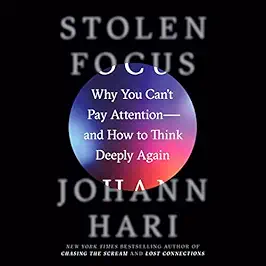
Stolen Focus

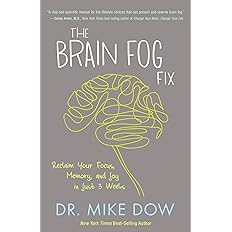
The Brain Fog Fix
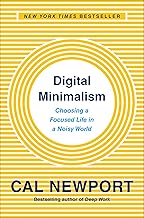
Digital minimalism
Disclosure: This post may contain affiliate links. We only recommend products we believe in, and we may receive a commission at no cost to you! Thank you for your support!
Acknowledgment: Cover Image by moneycatzzz.com
Disclaimer: The information is provided for general information only – moneycatzzz.com makes no representations or warranties in relation to the information, including but not limited to any representation or warranty as to the fitness for any particular purpose of the information to the fullest extent permitted by law. While every effort has been made to ensure that the information provided in this article is accurate, reliable, and complete as of the time of writing, the information provided in this article should not be relied upon to make any financial, investment, real estate or legal decisions. Additionally, the information should not substitute advice from a trained professional who can take into account your personal facts and circumstances, and we accept no liability if you use the information to form decisions.