
 Reading Time: 8 mins #
 This post may contain affiliate links.
You see pictures of men like him in magazines. They are a force of nature, lifting heavy, running miles, and outworking everyone in the room. They look like unyielding oak trees, and from the outside, their path seems entirely secure. They look like unyielding oak trees, and from the outside, their path seems entirely secure.
But on the inside, a quiet, invisible routine takes root. It is an invincibility shield built on a single, stubborn conviction: I am completely fine. Because of that belief, he refuses to see a specialist or take a basic blood test. You can see the warning signs from a mile away. Out of desperation, you map out the medical dangers, offer to drive him yourself, and beg him just to get checked.
Yet, the moment the argument ends, he quietly slips right back onto his old, familiar trail. He returns to the comfort of his silence. Last week, that unyielding oak tree suddenly fell. The phone call came out of nowhere, and just like that, he was gone.
Someone standing at the wake eventually sighs and repeats the ancient proverb to you: “You can lead a horse to water, but you can’t make it drink.“
It is a timeless phrase, but it completely misses the real, heartbreaking punchline. In our desperate desire to save the people we care about, our immediate reaction to their stubbornness is to apply force. We yell out of love, issue frantic ultimatums, and wield cold logic like a weapon. We try to pull a thousand-pound animal across a bridge it refuses to cross.
Anyone who has ever spent a day on a ranch knows a basic law of nature: you cannot kick a horse to make it drink without it kicking you back first.
Force cannot create thirst. It does not alter a stubborn routine. Force will only leave you flat on your back in the dirt, holding a snapped rope, while the person you love stands defiantly in the mud until it is too late.
The Deep Grooves of the Invincibility Shield
Old habits die hard because they are deep, protective ruts worn into the human psyche. The brain does not seek absolute truth; it seeks absolute safety. For a proud man, the habit of saying “I am fine” is not a medical choice but an invincibility shield. It is a psychological fortress designed to keep fear at bay.
To step into a clinic, put on a paper gown, and wait for a lab report requires a level of vulnerability that feels threatening to the ego. The old, muddy trail of avoidance is efficient. His muscle memory knew that trail inside out because it cost zero emotional currency to walk it. When you expect someone to abandon that deep groove simply because you present them with a rational argument, you are fighting millions of years of human biology, and there can be only one winner.
In fact, this blind spot is often worse among the people who should know better. There is a reason clinicians often joke that doctors make the worst patients. They have all the data. They spend their lives prescribing the water, yet they refuse to drink it themselves.

For a medical professional, stepping around to the other side of the desk means shedding their armor. Their hyper-educated minds instantly jump to the worst-case scenarios, and their internal horse panics. They mistake their knowledge of the trail for actual immunity from the mud.
The difference between force and genuine persuasion shows up the moment the confrontation ends. When you successfully persuade someone; their internal motivation shifts, and they willingly step onto new ground.
When you use force, they comply only as long as you are standing directly over them, burning your own energy to keep them in place. The very second you turn your back to catch your breath, their internal horse steers right back into the old, comfortable ruts.
This initial resistance is not a sign of malice or a lack of intelligence. It is the natural, frantic reaction of an animal being yanked away from its perceived safety. Your friend was not trying to break your heart; he was relying on the exact defensive instincts that had kept his pride intact for decades.
The Failure of the Puppet Show
When you rely on raw pressure to rewrite a deep-seated human habit, you do not achieve any real learning. You create an expensive, exhausting puppet show. Human beings are natural-born engineers of the workaround. When pushed, they habitually and quickly learn how to satisfy your frantic metrics without changing their actual behavior.
They will smile at your advice, nod during dinner, and promise to make the phone call to get you off their back. They attend the mandatory safety briefings, but their minds are miles away. Your personal dashboard shows total success because the argument has stopped, but the reality on the ground remains completely untouched. You did not make them drink; you just taught them how to hold their breath underwater.
Once you introduce force, people stop focusing on reality and shift to the appearance of compliance. Daniel Pink points out in his book Drive that autonomy is the true engine of human engagement. Force destroys that autonomy, replacing personal choice with a rigid command.
The moment you try to force a new habit on someone, you signal that the behavior has no inherent value. Why else would you need a whip to make them walk the path? If the water were truly safe, you wouldn’t need to drag them to the bank by their neck.
Real, lasting change requires internal buy-in. External pressure produces theater on a temporary stage.

[The Illusion of Immunity: Looking Fine to Avoid the Truth | moneycatzzz.com]
The Trail Diagnostic
Before you can break a stubborn habit in someone else, or even within yourself, you have to look at the landscape through the eyes of the horse. You cannot alter a routine until you understand what that routine is protecting. I use three simple checkpoints to figure out why a deep human behavior refuses to shift.
Is there an actual craving? Does the person feel a genuine, internal need to leave their old trail behind? Thirst cannot be manufactured by an executive decree or a panicked plea; it must emerge from within the individual. If there is no internal desire for a better way of living, your pressure will only create a deeper, uglier resistance.
Is the new path actually better for them? A shortcut that looks highly logical on paper might feel incredibly steep, rocky, and terrifying for the person wearing the boots. If the new habit adds massive emotional friction to their day without offering any immediate sense of relief, their subconscious mind will reject it out of hand.
Is the transition safe? Stepping out of an old rut requires a period of awkwardness, vulnerability, and slow progress. Fear is the absolute enemy of learning. If a person feels that making a mistake or facing the truth on the new trail will cost them their pride, their status, or their identity, they will cling to their destructive habits forever.
Robert Cialdini notes in his seminal work Influence that people only step into the unknown when they feel secure and see their peers walking ahead of them. Force completely ignores the human need for psychological safety.
The Art of Clearing the Path
Shifting a habit is not an act of conquest; it is the patient, quiet work of a trail boss. Edgar Schein, the legendary MIT professor, called this approach “humble inquiry.” It means asking open, honest questions rather than barking out logical orders. Instead of trying to push someone down the trail, you sit down on the logs with them and ask what makes the old way so comfortable, and what makes the new path look so daunting. You listen to the fear instead of trying to out-argue it.
If you want to guide someone toward a new routine, you have to stop pushing. Pushing signals a deep distrust in their judgment, and that signal creates instant defensiveness. Instead, let the environment do the talking. Let them watch a peer walk the new path and return healthy.
Most importantly, remove the rocks from the trail. Simplify the steps, provide intense, hands-on support during the awkward transition phase, and give them the explicit safety to mess up as they unlearn the old ways.
The Heavy Cost of the Whip
I am not a pacifist. Force has its place when the stakes are an immediate matter of life and death. If the barn is on fire, you do not stop to ask the horse how it feels about the temperature of the air. Immediate danger requires immediate command. You grab the halter, you pull with everything you have, and you move the animal by brute strength.
But a stubborn human habit is not a roaring fire. It is a slow, intricate puzzle of human psychology, and puzzles are never solved by raw pressure. Over the past decade, I have tracked dozens of operational overhauls and personal transformations. Every single one that relied on mandates and pressure as its primary strategy failed the exact moment the managers stopped watching.

[The Vulnerable Healer: Why Experts Refuse to Drink the Water | moneycatzzz.com]
The cost of those failures was a massive, permanent loss of trust. Each failed attempt to apply pressure makes the individual more cynical, making the next attempt at change almost impossible. The horse always remembers the rope. And if you pull too hard for too long, it will simply wait for its moment to kick back.
Data from the Association for Talent Development shows that only 10-20% of traditional, compliance-driven training actually transfers to daily operations. True motivation requires autonomy, competence, and a sense of belonging. Force violates all three of those core needs, leaving behind nothing but an empty trail and a broken relationship.

What the Horse Knows
The proverb endures across generations because human nature does not change under pressure. You can lead a horse to water, but you cannot make it drink.
There are plenty of similar proverbs born from the same frustration. You cannot put an old head on young shoulders. You cannot force a square peg into a round hole.
The animal knows something that many impatient leaders and worried friends forget: true alignment cannot be commanded into existence, not even to save a life.
Persuasion is the quiet, steady work of understanding the old habits, removing the friction from the new trail, and trusting the individual to choose the better water on their own terms.
The horse is still standing at the edge of the woods. The new path is wide open, clear, and safe. The challenge has never been about the quality of the destination; it has always been about the human readiness to walk the trail. You can offer the truth, clear the path, and show the way.
You can lead. You cannot force.
The horse already knew that.
_____________________
The Library of Persuasion
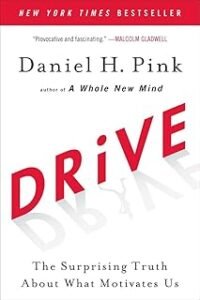
Drive

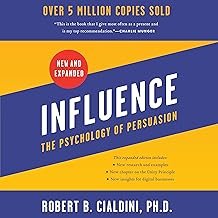
Influence
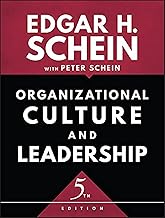
Culture and Leadership
Disclosure: This post may contain affiliate links. We only recommend products we believe in, and we may receive a commission at no cost to you! Thank you for your support!
Acknowledgment: Cover Image by moneycatzzz.com
Disclaimer: The information is provided for general information only – moneycatzzz.com makes no representations or warranties in relation to the information, including but not limited to any representation or warranty as to the fitness for any particular purpose of the information to the fullest extent permitted by law. While every effort has been made to ensure that the information provided in this article is accurate, reliable, and complete as of the time of writing, the information provided in this article should not be relied upon to make any financial, investment, real estate or legal decisions. Additionally, the information should not substitute advice from a trained professional who can take into account your personal facts and circumstances, and we accept no liability if you use the information to form decisions.