decision paralysis cover

Counting the Self: Two Paths – Why Decision Paralysis Ends With Walking, Not Certainty

imagesReading Time: 8 mins #

disclosure line icon vector This post may contain affiliate links.

You have been standing at the fork for four minutes. Maybe four months. The olive oil aisle at the grocery store is not supposed to induce decision paralysis, but here you are. Extra virgin or regular. Cold-pressed or not. Other people reach past you. They do not agonize. They choose and move.


You are still standing and standing still.


This is not about olive oil. You know that. This is about the job offer you have been weighing for six weeks. The relationship question you keep circling. The city you might move to. The business you might start.


The problem is not the options. Both are reasonable and viable. The problem is the belief that one is right and the other is wrong – the problem is waiting for clarity that never arrives.


You are not gathering information anymore. You are rehearsing the inevitable: failure.

The Myth of the Right Choice

The conventional advice sounds confident. Trust your gut. Follow your intuition. The right path will feel right. You will know when you know.


Except you do not know. You have been waiting to know for months. The knowing never comes.


Here is the truth: The relief is not in choosing the right path; it is in choosing a path and walking it.


The fork is neutral, and the paths are equivalent until you walk them. The walking creates the rightness, not the other way around.


You have been standing so long that the fork has become the default destination.

Robert Frost wrote a poem published in 1916 about two roads diverging in a yellow wood. Everyone quotes it as a celebration of bold choice. It is not. It is about retrospective storytelling. The speaker admits the roads were worn about the same. The difference was later interpreted in the reframing. The path became “the right one” because he walked it and afterward told himself a story about it.


The fork does not care which way you go. The fork is waiting for you to move.

The Cost of Standing Still

Most people believe clarity arrives before movement. You will feel certain. The universe will send a signal. A gut feeling will emerge. The data will finally align.


This is backward.


Clarity arrives after movement, not before. The walking generates the data. The standing generates only anxiety.


In Algorithms to Live By, Brian Christian and Tom Griffiths explore the optimal stopping problem. The math is clear: stop gathering information at 37% of the available time. After that, you are not optimizing. You are stalling.


You are at 400%. The data will never be enough.

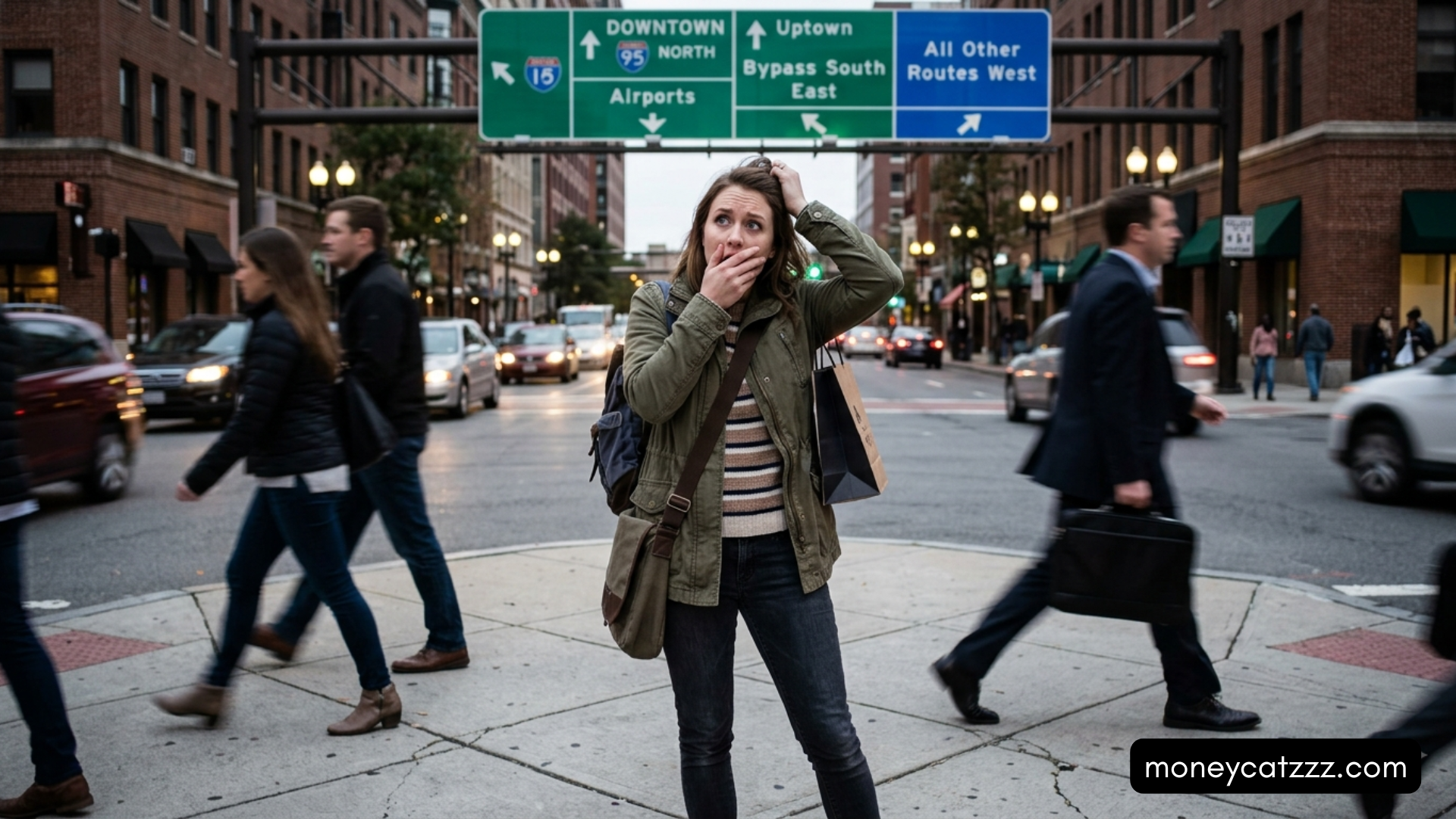
decision paralysis: The Personal Fork
[The Personal Fork | moneycatzzz.com]

The cost of stalling is not just time consumed, which cannot be bought. It is the erosion of agency. Every day at the fork, you become less capable of choosing between two options. The muscle atrophies. The fear compounds. What started as reasonable deliberation becomes paralysis.


You are no longer deciding. You are avoiding.

The Fork I Stood At

I stood at a fork for seven weeks. Two job offers. Both were good companies, both defensible choices. I made spreadsheets. I called friends. I listed pros and cons. I waited for the feeling of certainty.


The relief never came.


I chose, not because I knew any better, but because I was tired of being anchored.


The first month was uncomfortable. I second-guessed. I replayed the other option in my head. What if I had chosen differently? What if the other path was better?


Within three months, I couldn’t even recall why I had spent seven weeks agonizing over the decision. Daily practice turned the abstract choice into my actual reality. Perfect clarity wasn’t required to move forward, but picking a direction was.

The Tyranny of Options

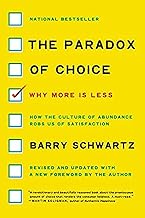
Barry Schwartz wrote The Paradox of Choice to dismantle the myth that more options lead to better outcomes. The research shows the opposite. More options lead to less satisfaction, not more.


Sheena Iyengar’s jam experiment is an excellent example. A grocery store display offered 24 varieties of jam one week and 6 varieties the next. The larger display attracted more attention, but the smaller display generated 10 times as many purchases. Too many options did not empower shoppers—they paralyzed them.


You are not failing at deciding. You are drowning in optionality.


The relief is not in having fewer options. The relief is in closing the loop and choosing to move forward.


The fear of making the wrong choice keeps you standing. But the wrong choice is not one of the two paths. The wrong choice is standing at the fork indefinitely.

Walking Creates the Data

You cannot think your way to clarity or hope to research your way to certainty. The fork does not reveal its secrets while you stand at it.


The only source of real information is movement.


Research on post-decision satisfaction confirms this. Studies show that satisfaction increases after commitment, not before. The act of choosing reduces anxiety. Walking forward generates confidence, not because the path was objectively superior, but because you made it yours.


A choice becomes right because you commit and move, not because it was predestined. The certainty you are waiting for does not exist at the fork; it is created step by step. This is pure mechanics, not relativism.

decision paralysis: The Stalling point
[The Stalling point | moneycatzzz.com]

The Fork Will Return

The fork has always been there, and new forks will appear as you exit older landscapes. You will stagnate again. The myth of clarity will return, and the temptation to wait will reappear.


Relief doesn’t come from picking the perfect route. This decision feels massive right now only because you spent weeks piling extra weight onto it, turning two reasonable choices into a high-stakes verdict on your entire future.


Both paths lead somewhere. Neither is a dead end. The only true dead end is standing still.

What Happens Next

You will not feel certain about your choice. You will feel uncomfortable. Maybe anxious. Maybe relieved. The discomfort is not a sign you chose wrong. It is a sign you chose.


Productive use of time will bring desired results; the first week will feel strange. The second week, less so. By the third, you will have forgotten why you stood at the fork for so long.


The path will become your path because you walked it. The choice will become right because you made it yours.

Mindvalley promo
[MindValley Promo | Rewire your mind, transform life. | Nir Eyal]

Inspiration won’t get you out of the aisle. The physics are simple: certainty doesn’t end the decision paralysis, movement does.


The fork is still waiting. It will always be waiting. Other people will walk past you and choose without agonizing over it. They don’t have better intuition or more information; they know that certainty comes after you start walking, not before.


Walking provides the proof, and movement builds the clarity. Choosing isn’t the destination; the act of walking forward is.


You don’t have to stay stuck beside the fork; you know now that the certainty you were waiting for never shows up at the start line. It only builds once you start moving.

Counting the Self is a ten-part Friday Flux series exploring the underlying mechanics of human experience. Every entry pairs a number with a core principle: One Choice, Two Paths, Three Steps, Four Walls, Five Seconds, Six Degrees, Seven Days, Eight Hours, Nine Lives, Ten Fingers. Each number names a core pain point. This is the second: Two Paths

________________________________________________

Books on Decision Paralysis: Why Having More Choices Makes It Harder to Choose

81acmHsRu4L. AC UY218


Algorithms to Live By

by Christian and Griffiths

Amazon Button

81y0bKstV5L. AC UY218


Selected Poems …

by Robert Frost

Amazon Button

61Fukbp9VCL. AC UY21844


The Paradox of Choice

by Barry Schwartz

Amazon Button

Disclosure: This post may contain affiliate links. We only recommend products we believe in, and we may receive a commission at no cost to you! Thank you for your support!

Acknowledgment: Cover Image by moneycatzzz.com

Disclaimer: The information is provided for general information only – moneycatzzz.com makes no representations or warranties in relation to the information, including but not limited to any representation or warranty as to the fitness for any particular purpose of the information to the fullest extent permitted by law. While every effort has been made to ensure that the information provided in this article is accurate, reliable, and complete as of the time of writing, the information provided in this article should not be relied upon to make any financial, investment, real estate or legal decisions. Additionally, the information should not substitute advice from a trained professional who can take into account your personal facts and circumstances, and we accept no liability if you use the information to form decisions.

Signup to our Newsletter for regular updates:

Marco Ban

Marco Ban is a 42-year-old, from sunny Spain bringing 7 years of experience crafting clear and engaging content in finance and digital marketing. A digital entrepreneur by trade, he brings vast experience in digital product reviews, financial blogging, and tutorials. A silky writer with a touch of a European flare, his postings are always engaging and informative.