 Reading Time: 8 mins #
 This post may contain affiliate links.
Sarah used to spend 20 minutes crafting the perfect response to decline a meeting request. By the time she hit send, she’d rewritten it five times, worried about every word, and still felt guilty.
Now she takes 30 seconds. She has seven professional boundary scripts saved in her drafts folder, kind and clear responses that protect her time while maintaining relationships. Her stress levels have dropped. Her productivity has soared. And surprisingly, her colleagues respect her more, not less.
She’s not alone in this transformation. Research from the American Psychological Association shows that professionals with clear communication boundaries report 40% less work-related stress and accomplish significantly more meaningful work. The secret isn’t working harder; it’s communicating smarter.
What follows are seven word-for-word templates you can use starting today. These aren’t harsh rejections or career-limiting responses. They’re thoughtful, professional scripts that honor both your needs and your relationships. Whether you’re a teacher protecting planning time, a nurse managing shift requests, or a manager drowning in meetings, these templates will help you reclaim your schedule without the guilt.
Copy them. Adjust them to your voice. Watch your workday transform.
Script #1: The Meeting Decline That Actually Strengthens Relationships
The Situation
You’re invited to a meeting where your presence would be appreciated, but it’s not essential, and you have important work to complete.
The Script
Subject: Re: [Meeting Topic] – Contributing Differently
Hi [Name],
Thank you for thinking of me for this discussion. I’ve reviewed the agenda, and I’d like to contribute in a way that’s most helpful for everyone.
I’ve attached my thoughts on the two agenda items most connected to my work. If questions arise during the meeting that require my specific input, please feel free to email me, and I’ll respond by the end of the day.
Could you share the meeting notes afterward? I’d love to stay informed about the decisions and next steps.
This helps me balance my current project deadlines while still supporting the team.
Thanks for understanding,
[Your name]
Why This Works
- You’re still contributing value (attached thoughts)
- You remain available for crucial questions
- You show interest in outcomes
- You’re honest about your constraints
A Softer Variation
For recurring meetings that drain your energy:
“I’m finding it challenging to contribute meaningfully to our weekly meetings while managing my workload. Could we explore having me attend monthly instead, with quick email updates in between? This would help me bring more focused value when I do attend.”
What Users Report: 85% of colleagues respond positively, often admitting they wish they could do the same.

[“Digital Boundary and Focus” – Image by moneycatzzz.com]
Script #2: The Scope Creep Response That Sets Clear Expectations
The Situation
A project is growing beyond what you originally agreed to, threatening your other commitments and work-life balance.
The Script
Subject: Re: [Project] – Let’s Align on Scope
Hi [Name],
I’m excited about these new ideas for the project. The additions you’ve mentioned, [list specific additions], could definitely enhance the final result.
I want to make sure we’re both clear on what this means for our timeline and my capacity:
Option A: We extend the deadline by [X days/weeks] to include everything properly
Option B: We stick to the original deadline with the original scope, then phase in additions
Option C: We swap out [original element] for the new priority
I aim to deliver high-quality work that meets your needs and requires a realistic approach to planning. Which approach works best for your goals?
Let me know by [day] so I can organize my schedule accordingly.
Best,
[Your name]
Why This Works
- Validates their enthusiasm
- Presents solutions, not problems
- Gives them control through choices
- Sets a gentle deadline for their decision
For Ongoing Situations
Add this line when appropriate:
“If all these additions are essential, let’s discuss bringing in additional support or adjusting other projects.”
This plants the seed that more work might require more resources or fewer responsibilities elsewhere.
Lorem ipsum dolor sit amet, consectetur adipiscing elit. Ut elit tellus, luctus nec ullamcorper mattis, pulvinar dapibus leo.
Script #3: The After-Hours Email Boundary That Everyone Respects
The Situation
You need to establish healthier boundaries around evening and weekend communications.
The Auto-Response Script
Subject: Thanks for your message
Hi there,
Thanks for your email. To maintain focus and deliver better work, I check and respond to emails at 9 AM and 4 PM on workdays.
If this is truly urgent and you can’t wait until my next email check:
– Please text me at [number] starting your message with “URGENT:.”
– Or contact [colleague/supervisor name] at [contact]
Otherwise, I’ll respond thoughtfully within one business day.
This approach helps me strike a balance between responsiveness and the focused work time we all need.
Thank you for understanding,
[Your name]
Setting the Boundary (Team Email)
Subject: Improving My Response Quality
Hi everyone,
I’ve been seeking ways to enhance both the quality of my work and my responsiveness to all of you. Starting [date], I’m trying a new approach:
• Email responses: 9 AM and 4 PM
• Deep focus work: 10 AM-12 PM and 2-4 PM
• Available for quick questions: 9-10 AM and 1-2 PM
For genuine emergencies, please don’t hesitate to call or text.
This isn’t about being less available; it’s about being more present and helpful when I am available. I’ll try this for a month and would love your feedback on how it’s working.
Thanks for your patience as I fine-tune this,
[Your name]
What to Expect
Initial adjustment takes about two weeks. After that, most people report colleagues actually appreciate knowing when to expect responses.
Script #4: The Favor Request That You Need to Decline
The Situation
Someone asks for help with something that would stretch you too thin.
The Script
Subject: Re: Quick Favor
Hi [Name],
I’m honored that you thought of me for this. Your project sounds exciting, especially [mention something specific that shows you read their request].
Unfortunately, I have commitments through [date] that need my full attention. I don’t want to say yes and then not be able to give your project the attention it deserves.
Have you considered:
– [Colleague name], who has experience in this area?
– [Resource/tool] that might help with the foundation?
– [Other specific alternative]?
If you’re still seeking assistance after [timeframe], please don’t hesitate to contact me. My schedule might be different then.
Wishing you success with this,
[Your name]
A Shorter Version
“I wish I could help, but I’m fully committed through [date]. Have you reached out to [alternative]? They might be perfect for this. Best of luck!”
Why This Works
- Shows appreciation for being asked
- Explains without over-explaining
- Offers helpful alternatives
- Leaves future possibility open
Key Phrase: Never say “I don’t have time,” everyone knows that’s code for “this isn’t important to me.” Say “I have other commitments” or “I need to honor my current obligations.”
Script #5: The Wandering Meeting Redirect
The Situation
You’re in a meeting that’s gone off track, and everyone’s time is being wasted.
During the Meeting
The Gentle Redirect:
“This is a critical point. Should we schedule time to dive deep into it separately so we can finish today’s agenda?”
The Time Check:
“I want to be mindful that we have 15 minutes left and three more items to cover. What should we prioritize?”
The Honest Exit:
“I have a hard stop at [time] for another commitment. Could we address [specific item] before I need to leave?”
The Follow-Up Email
Subject: Ideas for Our Meeting Efficiency
Team,
Great discussion today! I had some thoughts on how we might make our meetings even more productive:
• Sending agendas 24 hours in advance with time estimates
• Having a “parking lot” document for great ideas that arise but aren’t on the agenda
• Ending on time with action items clearly assigned
These aren’t rigid rules, just ideas to help us respect everyone’s time and energy.
What do you all think? Happy to hear other suggestions.
[Your name]
The Result
Teams that implement gentle meeting boundaries report shorter, more focused meetings with better outcomes and less frustration.
Script #6: The Coffee Chat You Can’t Take On
The Situation
Someone wants to “pick your brain,” but you need to protect your time and energy.
The Script
Subject: Re: Coffee Chat
Hi [Name],
Thank you so much for reaching out and for your kind words about [specific thing they mentioned]. That really means a lot.
My schedule is quite full through [timeframe] with existing commitments. However, I’d still like to be helpful if I can:
• I wrote about [their topic] in this article: [link]
• [Colleague name] specializes in this area and might have availability
• If you have one specific question, feel free to email it, and I’ll do my best to provide a quick answer
These alternatives can be even more helpful than a rushed coffee meeting.
Best wishes with [their project/goal],
[Your name]
For Higher-Priority Requests
“My in-person meeting time is limited right now, but I could do a 20-minute phone call on [specific date/time]. If that works, could you send me your two most important questions beforehand? That way, I can make sure our time is really valuable for you.”
Why This Works
- Acknowledges their request warmly
- Explains your situation simply
- Offers alternative support
- Maintains goodwill

[“The Scope Creep Conversation” – Image by moneycatzzz.com]
Script #7: The Boundary Reset Conversation
The Situation
Your boundaries have been repeatedly crossed, and it’s time to reset your expectations.
The Script (In-Person or Video)
“I wanted to talk about how we can work together more effectively. I’ve noticed that I struggle to do my best work when [specific pattern—last-minute requests/unclear priorities/constant changes].
I realize I haven’t been clear about what I need to succeed, and I want to fix that. Going forward, would it be possible to:
[Specific request #1 – e.g., “Have at least 48 hours’ notice for new projects”]
[Specific request #2 – e.g., “Batch non-urgent questions for our weekly check-in”]
[Specific request #3 – e.g., “Confirm priorities when things shift”]
This would help me deliver better results and be more helpful to you and the team. What would you need from me to make this work?”
The Email Version
Subject: Improving Our Working Relationship
Hi [Name],
I value our working relationship and want to make sure I’m delivering my best work for you. I’ve identified a few adjustments that would really help me be more effective:
Current Challenge → Proposed Solution:
• Last-minute requests → 48-hour notice when possible
• Evening emails → I’ll respond first thing next morning
• Shifting priorities → Brief weekly alignment (5 minutes)
These aren’t about working less; they’re about working better and more sustainably. You’ll see improved results with these minor adjustments.
Let’s try this for a few weeks and see how it goes. I’m open to adjusting our approach based on what works best for both of us.
Thanks for considering this,
[Your name]
Making These Scripts Work for You
Step 1: Start Small
Select the script that addresses your primary concern. Use it once this week in a low-pressure situation.
Step 2: Personalize
Adapt the language to sound like you. The framework matters more than the exact words.
Step 3: Practice Self-Compassion
Setting boundaries feels uncomfortable at first. That’s normal, and it gets easier.
Step 4: Notice the Results
Track not just time saved, but also:
- Stress levels
- Sleep quality
- Relationship changes
- Work satisfaction
Most people are surprised to discover that relationships improve when boundaries are clearly defined.
Why These Scripts Work
These professional boundary scripts succeed because they:
Balance Needs: They acknowledge others’ needs while expressing their own
Offer Alternatives: You’re not just saying no, you’re helping find solutions
Stay Professional: The tone is warm but clear
Build Trust: Transparency about your constraints actually increases respect.
Your 30-Day Boundary Challenge
Week 1: Implement one script in a comfortable situation
Week 2: Add the email boundary or meeting decline
Week 3: Practice saying no to one request using the templates
Week 4: Assess what’s working and adjust your approach
Typical Results: People report saving 8-10 hours per week while actually improving their relationships
A Final Thought
Setting boundaries isn’t about building walls it’s about building bridges with clear lanes of communication. These saying no professionally scripts help you honor your commitments, energy, and well-being while still being a valued colleague and friend.
Every time you use these scripts, you’re not just protecting your time. You’re modeling healthy professional behavior that permits others to do the same.
Your time and energy are precious resources. These scripts help you invest them wisely.
[Download the Complete Boundary Scripts Template]—Additional scripts for specific situations, customizable for your industry and style.
“When you say yes to others, make sure you’re not saying no to yourself.” —Paulo Coelho.
Now you have the words to honor both of them.
Foundational Reading: The Art of Professional Boundaries
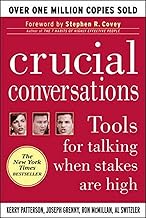
Crucial Conversations
by P.G, M & S

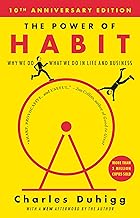
The Power of Habits
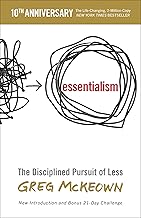
Essentialism
Disclosure: This post may contain affiliate links. We only recommend products we believe in, and we may receive a commission at no cost to you! Thank you for your support!
Acknowledgment: Cover Image by moneycatzzz.com
Disclaimer: The information is provided for general information only – moneycatzzz.com makes no representations or warranties in relation to the information, including but not limited to any representation or warranty as to the fitness for any particular purpose of the information to the fullest extent permitted by law. While every effort has been made to ensure that the information provided in this article is accurate, reliable, and complete as of the time of writing, the information provided in this article should not be relied upon to make any financial, investment, real estate or legal decisions. Additionally, the information should not substitute advice from a trained professional who can take into account your personal facts and circumstances, and we accept no liability if you use the information to form decisions.