
wise cover

Yesterday I Was Clever, Today I Am Wise

imagesReading Time: 8 mins #

disclosure line icon vector This post may contain affiliate links.

The Dishes in the Sink

The dishes sat in the sink again. A single bowl, a stray spoon, and a coffee mug with a dark ring inside like a stain that refused to leave. I stood in the kitchen doorway, keys still cold in my hand, feeling that familiar tightness grip my ribs.


I had delivered a hundred calm, wise logical explanations about shared space. I even forwarded an essay on the emotional load of domestic routines, watching her face close with the soft shutter of someone who has stopped listening.


Nothing shifted. The bowl stayed in the sink. The doorway remained my post, filled with fury over a single piece of ceramic.


That was the clever version of me. I operated as a solution machine when no one had asked for a rescue, driven by a desperate desire for control. This performance of care felt productive, but it was just a mask. I demanded that the world adjust to me so I could avoid dealing with the friction brewing inside—the real battle was entirely internal.

Writing manifestos became my default way of processing frustration. At work, I drafted fifteen-page documents exposing our toxic culture and highlighting executives who made isolated decisions. I printed copies and left them on desks like unexploded bombs, fully expecting a revolution.


People read them, yet nothing shifted. At home, I gave endless lectures to my father about his lifestyle choices, tracking his diet with clinical precision. He nodded, changed the subject, and microwaved another frozen dinner. Online, I spent hours arguing with strangers, typing massive paragraphs, and citing academic studies to prove a point. I was right about all of it, but being right did not help. It simply cultivated isolation. There was nothing humble about my certainty. I wore it like a mantle, completely blind to how heavy it had become.

The Line That Stopped Me

One evening, I came home and saw the same bowl in the sink. The spent spoon rested nearby. The old urge to explain, lecture, and fix resurfaced instantly, but right before I opened my mouth, a sudden realization forced a sharp pause.


A line from Rumi had been circulating in my mind, pushing up through the sediment of my certainty:

Yesterday I was clever, so I wanted to change the world. Today I am wise, so I am changing myself.

When I first read those words, I approached the text merely as a critique of ego. The argument was not wrong, but it missed the deeper practical reality. The quote is not about moral superiority. It focuses entirely on effectiveness—enforcing your will on other people is a losing game.


Operating with genuine insight functions better because it requires a humble admission: you do not know what is best for anyone else, and you barely know what is best for yourself. That is the moment the wise shift occurs. It is not dramatic or heroic, but it works.

wise - Tyranny of Being Right
[The Tyranny of Being Right | moneycatzzz.com]

Washing Without Keeping Score

I placed my keys on the counter and chose a different path. I washed the bowl and the mug, dried them, and put them away in complete silence. There was no passive-aggressive theater or noble performance here. I was just tired, just tired of policing doorways and wasting energy on things completely outside my control.


When the bowl reappeared the next night, I washed it again. The night after that, the spoon returned, and I cleaned it too. I finally threw away the mental scorecard. Repeating the same lecture while expecting a different result was a trap. I refused to let Einstein in. It was infinitely easier to change my own behavior than to keep demanding they change theirs.


A strange shift occurred: even though the dirty plates still appeared, the tightness in my chest started to fade. This relief did not happen because my partner transformed—it happened because my internal demand that she behave differently had evaporated.

The Ripple, Not the Wave

Once I understood this, the same pattern began to reshape other areas of my life. I stopped lecturing my father about his lifestyle. Instead, I focused on my own habits, waking up early to run and meal-prepping on Sundays. I did not announce it, nor did I post about it online. Living differently was enough. After a few months, his curiosity built until he asked how I sustained so much energy. I shared my routine. Soon after, he started walking in the evenings on his own accord. His choice to change became his own—the humble experience of influence was entirely uncoerced.


At work, I stopped circulating angry manifestos. When a junior colleague struggled with a project, I chose to listen rather than lecture. Her quiet sharing of knowledge allowed her to grow, which the wider team noticed, and other colleagues started approaching me for feedback.

The overarching culture did not transform overnight, but my immediate corner of it became healthier. The internal shift had an external ripple. It succeeded precisely because I abandoned the urge to force an outcome. The drive to change others faded. Online arguments were replaced by volunteering at a local shelter, donating time instead of typing furious paragraphs. This redirection of attention focused entirely on moving away from what lay beyond control toward what could be managed.

The Relapse and the Return

The mind frequently reverts to being clever. Self-righteous habits die hard. Last week, a friend detailed a frustrating relationship. The evidence was clear, the logic was sound, and I had a perfect timeline demonstrating exactly why she should leave. Catching myself starting a lecture forced an immediate pause.


“What do you need from me?” I asked, replacing the unsolicited advice.


She requested a listening ear, so I listened. While far from heroic, the approach proved highly effective.


Rumi’s line describes a continuous direction rather than a final destination. Some days the mind plays the clever critic, and some days it rests in a wise perspective. The difference rests entirely on where attention is focused. It is a constant choice between an outward battle for control and an internal alignment toward acceptance.

wise - Ripple Effect of Internal Calm
[The Ripple Effect of Internal Calm | moneycatzzz.com]

The Books That Helped

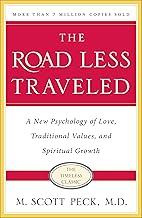
I did not develop this framework in isolation. Two books quietly influenced this evolution. The first was The Road Less Traveled, which opens with a simple truth: “Life is difficult.” Recognizing that growth begins when you stop pretending otherwise proved essential.


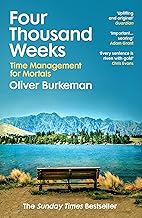
The second was Four Thousand Weeks, an analysis of time finitude and the quiet liberation of relinquishing superhuman expectations. Burkeman notes that an obsession with productivity often masks an anxiety regarding impermanence. The realization struck that my deep desire to change the world was frequently just an attempt to outrun my own smallness.


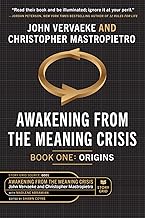
A lecture series by philosopher John Vervaeke also shaped these views, specifically his discussions of the distinction between raw information and wisdom. His insights clarified that depth is not merely accumulated knowledge—it is the skillful use of perspective, applied to oneself first.

So What Happens Now

Everyone recognizes their own analytical traps: the flawless arguments won, the unasked-for lectures, and the manifestos left on desks. None of them yields the desired results. Recognizing this is a practical course correction rather than a failure—it requires us to look at our actions through a humble lens.


You cannot force a transformation through sheer argument. A dish cannot be lectured out of a sink, and a parent cannot be scolded out of a frozen dinner. The only target available for transformation is the lecturer.


The bowl still appears sometimes, and it gets washed. The wise version of reality acknowledges that the world transforms one internal decision at a time. It starts with the person who stops standing in doorways, angry about mugs.


Yesterday I was clever. Today I am wise.


Tomorrow the mind might slip, but today the focus remains clear. A deep internal alignment remains the goal, paired with a humble return to the sink to wash each dish without keeping score. Embracing this daily practice is what makes a person truly wise.

_____________________________________________

The Essential Personal Growth Books for Shifting from Cleverness to Wisdom

71gXHYZPMPL. AC UY218


The Meaning Crisis

by John Vervaeke

Amazon Button

81QYEb6YnVL. AC UY218


Four Thousand Weeks

by Oliver Burkeman

Amazon Button

71v9gNeSB3L. AC UY218


The Road Less Traveled

by M. Scott Peck

Amazon Button

Disclosure: This post may contain affiliate links. We only recommend products we believe in, and we may receive a commission at no cost to you! Thank you for your support!

Acknowledgment: Cover Image by moneycatzzz.com

Disclaimer: The information is provided for general information only – moneycatzzz.com makes no representations or warranties in relation to the information, including but not limited to any representation or warranty as to the fitness for any particular purpose of the information to the fullest extent permitted by law. While every effort has been made to ensure that the information provided in this article is accurate, reliable, and complete as of the time of writing, the information provided in this article should not be relied upon to make any financial, investment, real estate or legal decisions. Additionally, the information should not substitute advice from a trained professional who can take into account your personal facts and circumstances, and we accept no liability if you use the information to form decisions.

Signup to our Newsletter for regular updates:

Marco Ban

Marco Ban is a 42-year-old, from sunny Spain bringing 7 years of experience crafting clear and engaging content in finance and digital marketing. A digital entrepreneur by trade, he brings vast experience in digital product reviews, financial blogging, and tutorials. A silky writer with a touch of a European flare, his postings are always engaging and informative.