 Reading Time: 8 mins #
 This post may contain affiliate links.
Let’s start with a confession: I’ve faked extroversion.
You probably have too.
You know the script: smile wide, speak up, look “engaged.” We’ve been taught that charisma equals competence, that the loudest person in the room must also be the most confident. But somewhere inside, a quieter truth hums: I think best when I’m alone.
That’s where Susan Cain’s Quiet enters, not as a self-help book, but as a rebellion in soft tones. It’s a manifesto for anyone who’s ever felt their silence mistaken for weakness.
Cain doesn’t shout for attention. She whispers something radical: maybe the world’s obsession with noise is drowning out its best ideas.
The Problem with the “Extrovert Ideal”
Modern culture worships visible energy.
We’re told to “network,” “pitch“ and “speak up.“ Yet in that constant performance, something essential gets lost — the power of reflection.
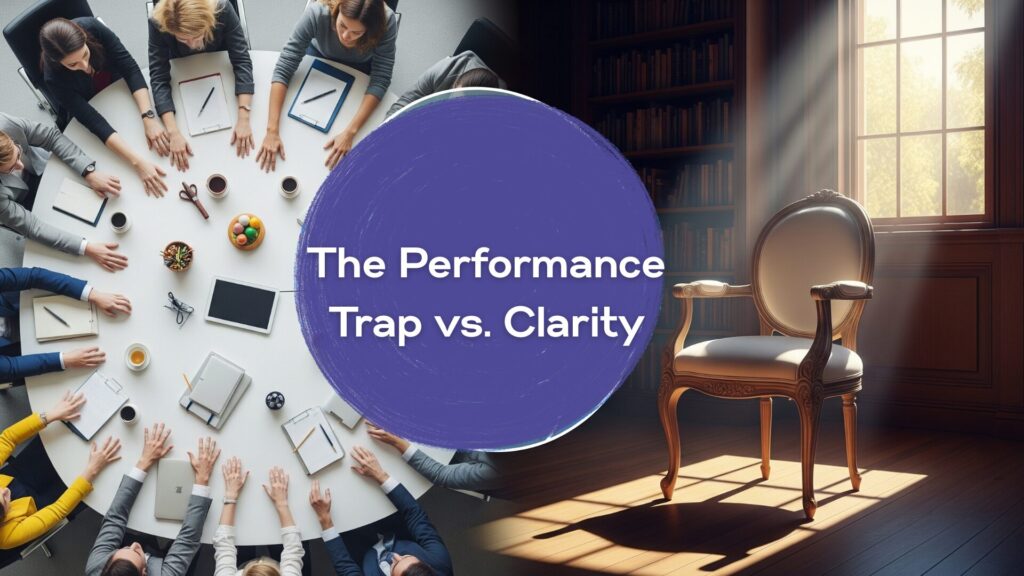
Susan Cain refers to this cultural dominance as the “Extrovert Ideal,“ a belief that being bold, social, and fast-talking is the only way to succeed. It’s an invisible bias ingrained in schools, offices, and even relationships.
1. The Performance Trap
Imagine a meeting full of loud opinions. The quiet person at the end of the table is thinking deeply, connecting dots no one else sees. But the moment passes. The room moves on.
Sound familiar?
Cain reminds us that introverts aren’t disengaged; they’re processing. Their silence isn’t emptiness; it’s incubation. Creativity, after all, doesn’t shout. It simmers.
“There’s zero correlation between being the best talker and having the best ideas.“ — Susan Cain, Quiet.
2. The Extrovert Economy
In a world that rewards speed, solitude becomes a form of rebellion.
Open offices, endless meetings, and collaborative everything: they’re designed for social energy, not depth.
However, some of the most significant innovations were born in solitude. Steve Wozniak built the first Apple computer alone in a garage. JK Rowling wrote Harry Potter in a café corner, headphones in, world out.
Introverts thrive in deep work, a term popularized by Cal Newport’s book of the same name, where uninterrupted focus leads to profound results.
So why do we treat silence like a flaw instead of a skill?
The Framework: The “Quiet Power Model”
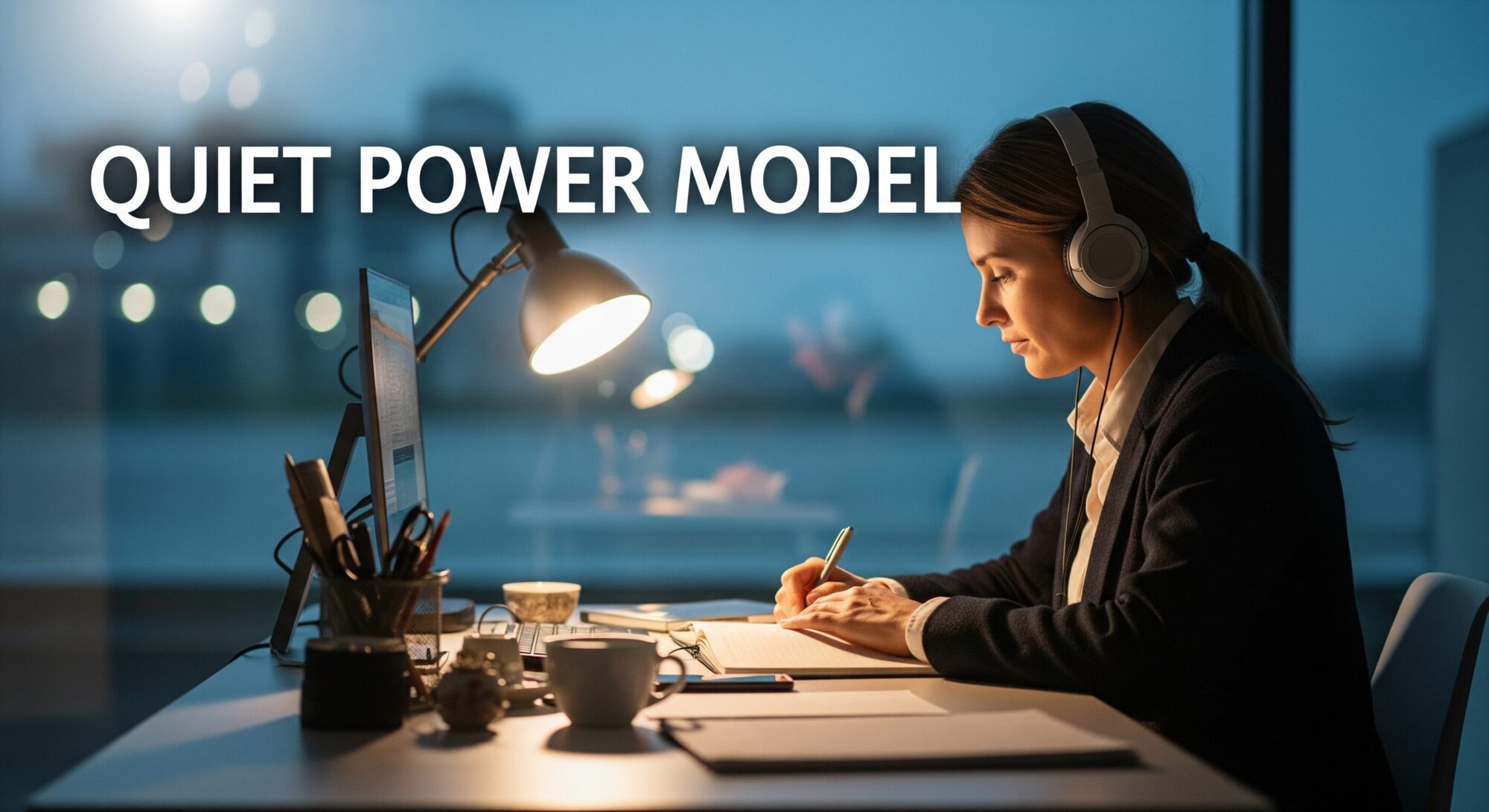
After years of working with leaders and creatives, I’ve adapted Cain’s insights into what I call the Quiet Power Model: a way to harness solitude as a renewable energy source rather than a social deficit.
It’s built on three pillars: Retreat, Reflect, Return.
1. Retreat — Protecting Your Energy
Introverts lose energy from over-stimulation, not from being around people.
Solitude isn’t an escape; it’s a ritual for recharging.
Block one hour a day for uninterrupted quiet: no notifications, no music, no company. Let your mind wander, yes, aimlessly. This “mental whitespace“ activates what neuroscientists call the default mode network, the part of your brain responsible for insight and creativity.
Cain calls these moments “restorative niches,” small sanctuaries that help introverts reset after social drain. It might be a walk, a journal, or just sitting with your thoughts.
Solitude is where you hear yourself again.
[“The Problem with the “Extrovert Ideal” – Image by moneycatzzz.com]
2. Reflect — Turning Silence into Strategy
The second pillar is introspection, not isolation.
Reflection is where ideas meet meaning.
End each day by asking:
- What energized me today?
- What drained me?
- What do I need to restore my inner rhythm?
Susan Cain often says, “Everyone shines, given the right lighting.“
Reflection is about finding your lighting: your environment, pace, and rhythm that allow brilliance instead of burnout.
When you understand your internal energy map, you stop apologizing for how you’re wired.
3. Return — Bringing Depth into the Noise
Quiet doesn’t mean invisible. The third pillar is about translating solitude into influence.
Introverted leaders like Bill Gates or Satya Nadella exemplify this: measured, reflective, decisive. They don’t lead by volume, but by clarity of vision.
Cain points out that introverts excel at listening, empathy and strategic decision-making — qualities critical for modern leadership.
Next time you’re in a group, speak last. Absorb, synthesize, then respond. You’ll be surprised at how often a single comment carries more weight than ten rapid ones.
Quiet confidence isn’t passive. It’s powerful.
Real-World Examples: Quiet Wins Loud
Example 1 — The Designer Who Left the Open Office
Amelia, a UX designer, spent years feeling “too slow“ in brainstorming sessions. After reading Susan Cain’s Quiet, she requested one day a week of “solo ideation.“ Her designs improved. Her confidence skyrocketed. Her manager? Now calls it Amelia Wednesdays.
Example 2 — The CEO Who Rebranded Meetings
A tech CEO replaced open debates with pre-written memos: inspired by Amazon’s writing-first culture. The quiet thinkers flourished. The talkers listened. Productivity soared.
Example 3 — The Artist Who Found Her Flow
A painter turned off social media for 30 days, reclaiming hours of unbroken solitude. Her following collection sold out. Coincidence? No. Clarity.
In each case, solitude wasn’t withdrawal: it was strategy.

[“Retreat — Protecting Your Energy” – Image by moneycatzzz.com]
Frequently Asked (and Felt) Questions
Q1: Isn't solitude just loneliness dressed up?
No — loneliness is an absence of connection. Solitude is an intimacy with yourself. One empties; the other fills. The trick is intention.
Q2: How can introverts succeed in extrovert-heavy industries?
Redefine visibility. Influence doesn't always require volume — it needs clarity. Learn to write well, to think deeply, to deliver fewer words with more weight.
Q3: Can extroverts benefit from solitude too?
Absolutely. Cain's Quiet isn't about labels — it's about balance. Even extroverts need stillness to hear their own thoughts.
Q4: What books expand on this idea?
Start here:
- Quiet by Susan Cain
- Deep Work by Cal Newport
- Stillness Is the Key by Ryan Holiday
For more insights, visit Quiet Revolution — Susan Cain's movement dedicated to redefining leadership and creativity for introverts. Also see Harvard Business Review's research on the power of quiet leadership.
Closing Reflection: The Courage to Be Still
There’s a kind of strength that never makes noise.
It’s the strength of the person who pauses before replying, who retreats before reacting, who creates before broadcasting.
The world doesn’t reward stillness; not yet. But as Cain reminds us, every revolution begins in whispers.
If you’re quiet, don’t rush to change. The world needs fewer performers and more poets, fewer pitches and more presence.
Solitude is not a void. It’s a vessel, one that carries you back to yourself.
So close the door, light the candle, and let the world keep spinning.
Your silence might be your superpower.
Expert Resources: Expanding the Quiet Revolution 📚
Stillness Is the Key

Quiet
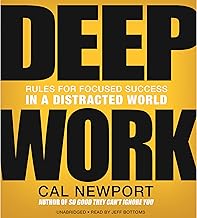
Deep Work
Further Learning & Research
For ongoing insights into introverted leadership and workplace dynamics, consult these authoritative resources:
- Quiet Revolution: Susan Cain’s official organization, dedicated to redefining leadership and creativity for introverts.
- Harvard Business Review Research: Articles and studies on the surprising power of quiet leadership and introverts in management roles.
The Cat Speaks Series | Lizabeth Johns for moneycatzzz.com
Where mindful rebellion meets authentic self-discovery.
Disclosure: This post may contain affiliate links. We only recommend products we believe in, and we may receive a commission at no cost to you! Thank you for your support!
Acknowledgment: Cover Image by moneycatzzz.com
Disclaimer: The information is provided for general information only – moneycatzzz.com makes no representations or warranties in relation to the information, including but not limited to any representation or warranty as to the fitness for any particular purpose of the information to the fullest extent permitted by law. While every effort has been made to ensure that the information provided in this article is accurate, reliable, and complete as of the time of writing, the information provided in this article should not be relied upon to make any financial, investment, real estate or legal decisions. Additionally, the information should not substitute advice from a trained professional who can take into account your personal facts and circumstances, and we accept no liability if you use the information to form decisions.