
 Reading Time: 8 mins #
 This post may contain affiliate links.
You know that person. The one who answers your simple question with seventeen bullet points, three tangents, and a PowerPoint deck nobody asked for. By the time they’re done, you can’t remember what you initially requested, the room is confused, and somehow they appear to have won.
Welcome to argument overload, the intellectual equivalent of a DDoS attack on your brain.
Last week, I watched a brilliant product manager get demolished in a board meeting. Not because her strategy was wrong, it was solid. But her challenger threw forty-seven “concerns” at her in twelve minutes: market conditions, team morale, Q3 projections, competitor moves, supply chain issues, that one bad hire from 2019… By concern number twenty, she was in danger of drowning. By thirty, the board was checking their phones. By forty-seven, her excellent proposal was dead.
She didn’t lose the argument. She lost to the avalanche.
The Professional Gaslighting You Don’t See Coming
Here’s what nobody tells you about argument overload: It’s not accidental. That colleague who buries you in objections? That client who floods negotiations with complaints? They might not consciously know they’re doing it, but they’re deploying a battle-tested rhetorical weapon that wins through exhaustion, not logic.
This tactic has a name: The Gish Gallop. Named after creationist Duane Gish, who famously used it to “defeat” actual scientists in debates. His technique was devastatingly simple: Present so many arguments so quickly that your opponent can’t possibly address them all.
The goal isn’t truth. It’s theater.
Think about your last frustrating meeting. Someone challenged your proposal and suddenly unleashed a verbal firehose: “Well, what about the budget constraints, and the timeline issues, and Sarah’s team is already overloaded, plus the new compliance requirements, not to mention the vendor problems, and honestly, the market research is questionable, and did anyone consider the tax implications…”
Each point alone might be as thin as tissue paper. But together? They create argument overload that makes you look unprepared, even when you’re not. The audience, unable to process the flood, defaults to a simple heuristic: The person with the most points must be right.
You’re not losing because you’re wrong. You’re losing because you’re playing chess while they’re flipping the board.
Why Your Brain Betrays You (The Cognitive Trap)
The Gish Gallop exploits three specific bugs in your mental operating system, creating the perfect conditions for argument overload:
Bug #1: The Quantity Illusion
Your brain is terrible at distinguishing volume from validity. Twenty weak arguments feel stronger than one solid argument; even when they’re not. It’s the same reason a restaurant with a forty-page menu seems fancier than one with ten perfect dishes.
We’re wired to assume that someone with that many points must have done their homework. They haven’t. They’ve just done their shouting.
Bug #2: Working Memory Collapse
The human brain can hold about seven items in working memory. A skilled Gish Galloper will throw twenty. By item eight, your cognitive RAM is overloaded. By item fifteen, you’re no longer thinking; you’re just trying to survive the argument overload.
This is why you walk out of these encounters feeling mentally bruised. Your brain literally cannot process that much disparate information in real-time. It’s not weakness; it’s biology.
Bug #3: The Proof Burden Flip
Here’s the sneakiest part: The Gish Gallop reverses the burden of proof without anyone noticing. Suddenly, instead of them proving their claims, you’re frantically trying to disprove a mountain of assertions.
It takes ten seconds to make a silly claim. It takes ten minutes to debunk it properly. In a sixty-minute meeting, do the math. You lose by default.

[“Real-Time Judo (When Prevention Fails)” – Image by moneycatzzz.com]
The Strategic Clarity Framework: Your Anti-Avalanche System
After watching too many brilliant people get buried by argument overload, I developed a three-phase defense system. This isn’t about out-talking the talkers. It’s about changing the game entirely.
Phase 1: Pre-emptive Architecture (Stop the Flood Before It Starts)
The best defense against argument overload happens before anyone opens their mouth. You need to architect the conversation to make Gish Galloping structurally impossible.
The Written First Protocol: Before any critical discussion, require written submissions. “To ensure we address everything properly, please send your key concerns in writing before the meeting.” This forces them actually to think through their points. Verbal diarrhea doesn’t translate well to text.
The Three-Point Rule: Establish upfront: “For clarity, let’s each present our three strongest points before discussing.” This isn’t an arbitrary limitation; it’s a matter of quality control. If they can’t identify their best arguments, they don’t have arguments. They have noise.
Time Boxing with Teeth: Don’t just set time limits, enforce them religiously. “We have fifteen minutes for objections. Please prioritize accordingly.” When they inevitably try to exceed it, you have standing to cut them off without looking defensive.
I’ve seen this single technique neutralize chronic Gish Gallopers. When forced to choose their battles, they often realize they don’t actually have any worth fighting.
Phase 2: Real-Time Judo (When Prevention Fails)
Sometimes the argument overload starts before you can stop it. When someone launches into their verbal avalanche, you need to redirect their momentum, not meet it head-on.
The Acknowledgment Without Validation: Start by recognizing the volume without accepting the validity:
“I appreciate that you’ve raised numerous points — I count at least fifteen different concerns here.”
You’re not agreeing. You’re demonstrating that you’re not overwhelmed, just observing their tactic.
The Strategic Bottleneck: Force them to prioritize by creating an artificial constraint:
“Since we can’t possibly address fifteen separate issues in our remaining time, which ONE concern would completely invalidate this proposal if left unaddressed?”
Watch them squirm. Argument overload depends on quantity. When forced to choose quality, most Gish Gallopers suddenly go quiet.
The Reframe and Redirect: Take control of the narrative:
“I notice we’re experiencing some argument overload here. Rather than trying to tackle every point, which would take hours, let me address what seems to be your core concern…”
Then YOU choose which point to address. Pick the weakest one and publicly demolish it. The audience will assume that if one is garbage, the others probably are too.
Phase 3: The Precision Strike (Quality Over Quantity)
Never, and I mean never, try to answer every point in a Gish Gallop. That’s like trying to bail out the Titanic with a coffee cup. Instead, use surgical precision to undermine the entire structure.
Target the Weakest Link: Find their most obviously false or irrelevant claim and eradicate it. Not partially, completely. With data. With receipts. With prejudice.
“You mentioned our Q3 numbers were concerning. Here’s the actual report showing we exceeded targets by 23%. If this claim is incorrect, what does that say about your other fourteen points?”
The Domino Effect: By definitively dismantling one claim, you create doubt about all claims. The audience starts wondering: If they were wrong about that, what else are they wrong about? This psychological spillover is your leverage against argument overload.
Return to Your Core: After your precision strike, immediately pivot back to your main argument. Don’t get caught up in their chaos. State your position clearly, calmly, and stop talking. Let the contrast between your clarity and their noise speak for itself.
Real-World Victories Against the Verbal Avalanche
The Startup Showdown: A founder was pitching to VCs when one partner unleashed a barrage of concerns about market size, competition, unit economics, team experience, technical debt, and customer acquisition costs, classic argument overload. Instead of addressing each point, the founder said, “You’ve raised about twenty concerns. If I had to fail at something, which one kills the company?” The partner paused, then admitted most were “minor issues.” The founder addressed the one genuine concern and closed the round.
The Performance Review Pile-On: Sarah faced a manager who listed thirty-seven “areas for improvement” in her annual review, a clear argument overload designed to justify a low rating. Sarah responded: “I appreciate the comprehensive feedback. To ensure I improve effectively, which three of these would have the biggest impact on my performance rating?” The manager couldn’t choose, revealing that the list was padded. Sarah documented this, went to HR, and the review was thrown out.
The Client Complaint Cascade: An agency faced a client who sent a four-page email with “dozens of issues” demanding a 50% discount. Instead of responding point-by-point, they replied: “We’ve reviewed your concerns. We’ll address your top priority issue completely and immediately. Please identify which one that is.” The client picked one minor issue. It was fixed, the other “dozens” mysteriously disappeared, and the full fee was paid.

[“The Precision Strike (Quality Over Quantity) – Image by moneycatzzz.com]
The Neuroscience of Not Bothering
Here’s what I learned from studying argument overload for years: The people who use it are almost always insecure. Confident people make clear, focused arguments. Insecure people make noise.
When you refuse to engage with their avalanche and demand quality over quantity, you’re not just winning the argument; you’re also winning the battle. You’re exposing their intellectual nakedness. They recognize that their individual points are weak, which is why they require so many.
Your superpower isn’t matching their volume. It’s maintaining your clarity while they drown in their own noise.
Frequently Asked Questions
Q: What if they insist all their points are equally important?
Then they're lying or incompetent. Nothing in life has twenty equally weighted variables. Push back: "If you can't prioritize, then none of these are critical enough to derail this discussion." Call their bluff.
Q: Won't I look dismissive if I don't address everything?
You'll look strategic. There's a difference between being thorough and being baited into argument overload. The audience respects someone who can identify what matters versus someone who chases every rabbit.
Q: What if it's my boss doing the Gish Galloping?
Document everything. Respond in writing. "Thanks for the comprehensive feedback. I've captured all points and will address them systematically." Then send a memo addressing the top 3-5, noting that you're happy to discuss others "once these priority items are resolved." You're using structure to contain their chaos.
Q: How do I know if I'm the one creating argument overload?
If you can't summarize your position in three clear points, you're the problem. If you need more than five minutes to make your initial case, you're the problem. Clarity is a discipline, not an accident.
Q: What if the Gish Galloper has actual authority to demand answers?
Time-shift the response. "These are important points that deserve thoughtful responses. I'll provide a comprehensive written analysis by [date]." This removes their real-time advantage and forces them to engage with substance, not theater.
The Clarity Revolution Starts With You
We live in an age of argument overload. Everyone’s talking, nobody’s thinking. The person with the most slides wins. The loudest voice gets promoted. The biggest word salad receives the budget.
But here’s the thing: This only works if you play along.
When you refuse to engage with verbal avalanches, when you demand precision over volume, when you demonstrate that clarity beats chaos every single time, you’re not just winning arguments. You’re modeling a different way of thinking.
The Gish Gallop is intellectual junk food. It fills the space but provides no nutrition. Your strategic clarity is the opposite: Dense with meaning, stripped of excess, powerful in its precision.
Next time someone tries to bury you in their argument overload, remember: You don’t need to dig yourself out. You need to refuse to be buried in the first place.
The question isn’t how many of their points you can answer. The question is: Do you have the courage to demand better questions?
The Clarity Curriculum: Essential Books for Strategic Living
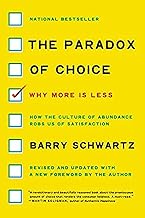
The Paradox of Choice

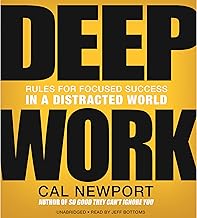
Deep Work
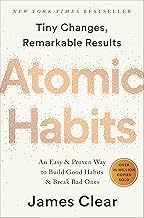
Atomic Habits
Disclosure: This post may contain affiliate links. We only recommend products we believe in, and we may receive a commission at no cost to you! Thank you for your support!
Acknowledgment: Cover Image by moneycatzzz.com
Disclaimer: The information is provided for general information only – moneycatzzz.com makes no representations or warranties in relation to the information, including but not limited to any representation or warranty as to the fitness for any particular purpose of the information to the fullest extent permitted by law. While every effort has been made to ensure that the information provided in this article is accurate, reliable, and complete as of the time of writing, the information provided in this article should not be relied upon to make any financial, investment, real estate or legal decisions. Additionally, the information should not substitute advice from a trained professional who can take into account your personal facts and circumstances, and we accept no liability if you use the information to form decisions.