
 Reading Time: 8 mins #
 This post may contain affiliate links.
I sat across from my friend David at a coffee shop. He was late. Again. Forty minutes this time. He apologized. The traffic was bad. His meeting ran over. Said he was sorry.
I believed him the first three times. This was the seventh.
David is not a bad person. He is a bad promise-keeper. He means it when he says it. He intends to show up on time. He plans to call when he says he will. But something happens between the promise and the delivery. Life gets loud. Priorities shift. And David’s promises become empty promises.
Here is what I did not tell David that day. I am no better. I am just better at hiding it.
The Boomerang
Empty promises cut both ways. You know how it feels to receive one: the letdown, the quiet recalculating of trust. You remember each one. The colleague who said they would send the file, the friend who canceled again, and the partner who promised to change.
But here is the question you avoid. How many have you sent out into the world?
Not the ones you meant to keep. The ones you did not. The boomerang always comes back. You throw an empty promise. It returns. Maybe as someone else’s empty promise to you. Maybe it’s the quiet feeling that your word means nothing. Or the look on someone’s face when they realize you forgot again.
The boomerang does not discriminate. You threw it. You catch it. That is the deal.
The Three Ways We Make Empty Promises
Not all empty promises look the same. I have made every type. So have you.
The optimistic promise. You genuinely believe you can do it. You have the energy right now. You have the time right now. But you are not forecasting for tomorrow. Tomorrow you will be tired. Tomorrow something else will come up. The promise was real when you made it. It just was not realistic.
I did this with a client last year. I promised him to deliver a draft in three days and I meant it. But I forgot about the other five things due in those same three days. The draft came on day seven. The client did not care about my optimism. They cared about my delivery.
The avoidant promise. You say yes because saying no feels too hard in the moment. The person is standing there. They look hopeful. You do not want to disappoint them. So you say, “I will help with that,” “I will get back to you,” or “sure, no problem.” You hope they forget—they do not forget.
I did this with a neighbor who asked me to help move a couch. I said yes, as a matter of fact naturally. I had no intention of helping. I did not want to say no to his face. He texted me the night before. I pretended to be sick. He knew I was lying. The couch got moved. My reputation took a hit.

The distracted promise. You meant to do it. You really did. You even wrote it down somewhere but you are carrying too many things. Something fell. The promise slipped through a crack in your attention, and by the time you remember. It is too late. Apologizing feels worse than just staying quiet.
So you stay quiet.
I did this with a family member. I promised to call on Sunday. Sunday came and went. I remembered on Tuesday. Then I felt guilty. Then I avoided calling because the guilt was too loud. Thursday became Friday. Friday became next week. The call never happened. The empty promise just floated away.
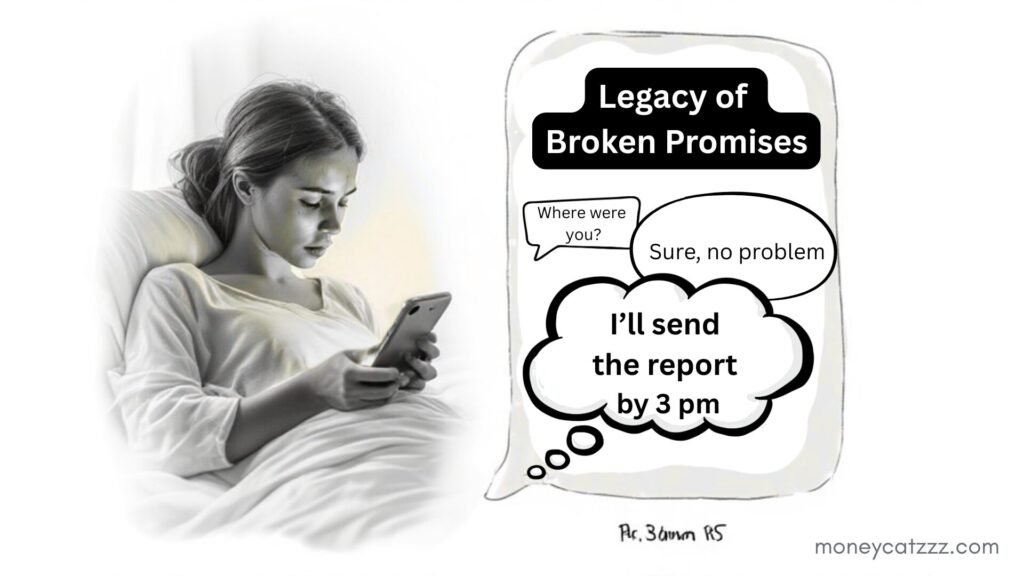
[“The 3 AM Internal Documentary” – Image by moneycatzzz.com]
Why You Keep Breaking Promises to Yourself
Here is the part that hurts more than disappointing others.
You also break promises you make to yourself. You tell yourself you will wake up early and exercise. You do not. You tell yourself you will start that project on Monday. Monday comes and goes. You tell yourself you will stop checking your phone at dinner. The phone is in your hand before the food arrives.
I totally agree with Nathaniel Branden that self-esteem is “the reputation we acquire with ourselves.” That line stopped me cold.
Every empty promise is a vote against that reputation. Keep breaking promises to yourself, and your self-trust collapses. You are not bad, but the math is unforgiving. You have voted against yourself so many times that your vote no longer counts.
Why I don’t follow through is the wrong question to ask of yourself. You had always know why. It’s because you are tired, you overcommit, and you always say yes when you mean no. Because you forgot, the real question is: why do you keep making promises you cannot keep?
The answer is uncomfortable. Because making promises feels good. Keeping them is work. The dopamine hits at the moment of the promise. The satisfaction of keeping it comes later. Much later. Your brain prefers the early hit. So you keep promising. And you keep breaking.
The Intention-Action Gap
Psychologists have a name for this—the intention-action gap. It is the space between what you plan to do and what you actually do. For most people, the gap is wide. For people who struggle to keep promises to themselves, the gap is a canyon.
Research from a meta-analysis published by Sheeran (2002) shows that intention alone predicts only 28% of actual behavior. The other 72% is environment, fatigue, competing priorities, and cognitive load. In other words, willpower is not the answer. Willpower is a finite resource. You run out. Then you break promises.
Steve Levinson and Pete Greider wrote an obscure book that truly deserves more attention. Their thesis in “Following Through“, is simple: willpower fails because it is finite. The solution is not trying harder. The solution is designing external systems that force follow-through.
Levinson and Greider call it “behavioral leverage.“ Ugly term. Effective mechanic.
- Set an immediate consequence for failure. Not “I will feel bad.“ A real consequence. Money. A favor. Public admission.
- Commit to donating to a cause you hate every time you break a promise. The more you hate the cause, the better it works.
- Create an accountability partner. Someone who will ask you directly. Not “how is it going?” That is too soft. “Did you do what you said you would do?”
- Tell someone your promise before you do it.—the anticipation of their follow-up is often enough.
These are not warm, fuzzy suggestions. They are mechanical. They treat the problem as an engineering problem, not a moral one. That is why they work.
The Boomerang Protocol (5 Steps to Stop Making Empty Promises)
Here is what I did. It changed my reputation with myself.
Step 1: Catch the boomerang.
List every empty promise you have made in the last thirty days. To others. To yourself. Do not filter. Do not excuse. Just list. I had twenty-three items on my list. Twenty-three times, I said I would do something and did not.
Step 2: Stop throwing.
For one week, make zero promises. Not “I will try.“ Not “I will get back to you.“ Zero. Say “I cannot commit to that right now“ or “I will let you know when I know.“ The world will not end. People will not hate you—and you will feel the relief of not adding to the pile.

[“Catching the Boomerang Clean” – Image bu moneycatzzz.com]
Step 3: Shrink the promise.
When you start making promises again, make them smaller. “I will call you Tuesday at 5 pm for exactly ten minutes“ instead of “I will call you soon.” “I will write for ten minutes“ instead of “I will write more.” “I will do one load of laundry“ instead of “I will clean the house.”
Small promises are easy to keep. Kept promises build rebuilding self-trust. Self-trust leads to bigger promises. You cannot skip the small step.
Step 4: The 24-hour rule.
Any promise you cannot keep within 24 hours gets renegotiated or canceled. Not “later.“ Later is where empty promises go to die. If you promised to help a friend move next Saturday but you already know you will be exhausted, renegotiate now. “I can do two hours, not four.“ Or cancel. “I cannot do it. I am sorry.”
The person on the other end will respect the honesty more than the broken promise.
Step 5: Track the return.
Every kept promise is a boomerang that comes back clean. Every broken promise is hitting you in the face. Keep a simple log. Each day, write down the promises you kept. That is it. Do not write the broken ones. You will remember those anyway. Focus on the kept ones. Watch the list grow.

Rebuilding Self-Trust One Small Promise at a Time
Chip Heath and Dan Heath write about this in The Power of Moments. The book is not about promises. But one chapter changed how I think about follow-through. They write about “commitment devices” — small locks you put on your own future behavior.
A calendar invite is a commitment device: telling someone your goal is one. Paying money up front is a commitment device. Putting your phone in another room is a commitment device.
These devices work because they remove choice in the moment. You do not decide to keep the promise when you are tired. You decided earlier when you were fresh. The device executes the decision for you.
I use one commitment device every morning. I write down three small promises for the day. Each promise takes less than 15 minutes to fulfill, is specific, and is easily verifiable. Then I tell my partner what they are. That is the lock. She does not police me. But I know she knows. That is enough.
In six months, I have kept 87% of my daily promises. That is not perfect. But it is a lot better than before. And my self-trust is higher than it has been in years..
Close the Loop
Empty promises cut both ways. You have been cut. You have also done the cutting. The boomerang is still in flight. You can keep throwing. Or you can stop.
Put your hands down. Let the boomerang land. Then make one small promise. To yourself. Today. Not “I will change my life.“ Something smaller. “I will drink water before coffee.” “I will walk for five minutes.” “I will text that person back.”
Then keep it. That is how rebuilding self-trust starts. Not with a dramatic transformation. With one small promise. Kept.
The boomerang does not have to hit you anymore. You can catch it instead. Clean. Simple. Done.
Books That Actually Help
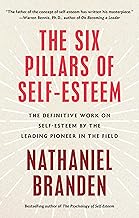
6 Pillars of Self-Esteem

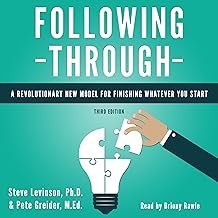
The Surrender Experiment
The Power Of Now
Disclosure: This post may contain affiliate links. We only recommend products we believe in, and we may receive a commission at no cost to you! Thank you for your support!
Acknowledgment: Cover Image by moneycatzzz.com
Disclaimer: The information is provided for general information only – moneycatzzz.com makes no representations or warranties in relation to the information, including but not limited to any representation or warranty as to the fitness for any particular purpose of the information to the fullest extent permitted by law. While every effort has been made to ensure that the information provided in this article is accurate, reliable, and complete as of the time of writing, the information provided in this article should not be relied upon to make any financial, investment, real estate or legal decisions. Additionally, the information should not substitute advice from a trained professional who can take into account your personal facts and circumstances, and we accept no liability if you use the information to form decisions.