 Reading Time: 8 mins #
 This post may contain affiliate links.
How to Heal from Hurtful Words & Rebuild Your Self-Worth
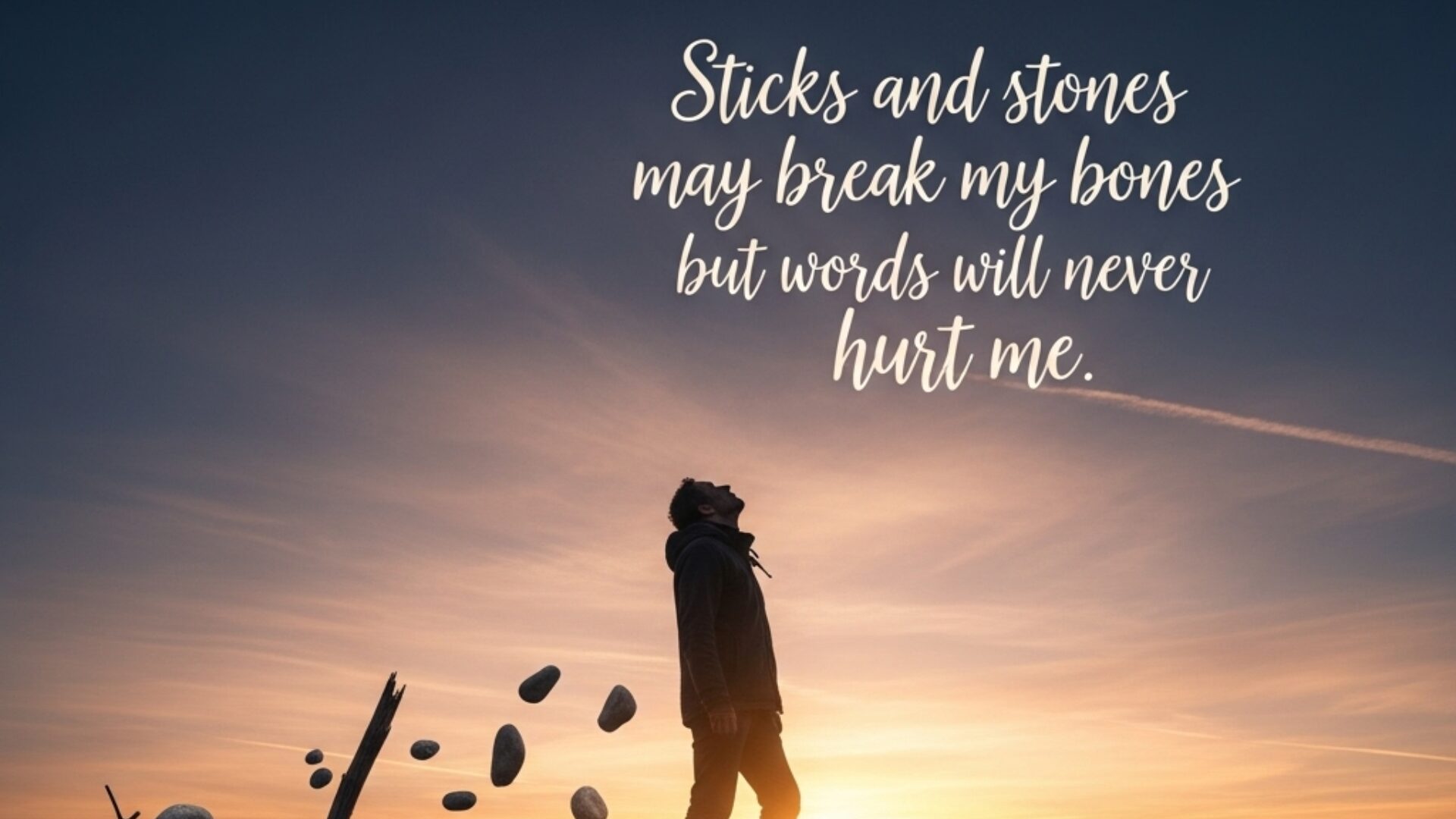
We were taught a rhyme as children: Sticks and stones may break my bones, but words will never hurt me.
We said it loudly on the playground, half-believing that the insults would bounce off like rubber if we repeated them enough times. But deep down, even as children, we knew the truth. Bones mend. Scrapes fade. Words linger.
They echo in quiet rooms, board meetings, and restless minutes before sleep. They linger as shame, self-doubt, or even the boundaries we place around what we dare to attempt. If you’ve ever heard a parent dismiss your dream, a teacher question your ability, or a partner weaponize your vulnerabilities, you know the sting.
I have known it too.
The Moment I Realized
I once sat in a café in Lisbon, where ceramic tiles lined the walls and the espresso came bitter and strong. My laptop glowed with the words of a client email. A single line of criticism unraveled me: “This wasn’t what we expected.”
It was not cruel. It wasn’t even particularly sharp. Yet the words pierced me. They carried the memory of every time I was told I wasn’t enough. They spoke louder than the praise of other clients, louder than the bank account that told me I was doing fine.
That is the hidden power of words: they awaken the ghosts of older wounds.
Why Words Hurt So Much
Psychologists have shown that the brain processes social pain, like rejection or verbal insult, in the same regions where it processes physical pain. To the nervous system, the sting of humiliation is not metaphorical; it is real.
We don’t just “get over it when words hit us.” We internalize them. We build identities around them. Sometimes we even replay them in a loop, reinforcing their power.
But here’s the paradox: what has power over you can also be transformed by you.

[“The Alchemy of Words” – Image by moneycatzzz.com]
A Mirror and a Choice
The Vietnamese Zen master Thích Nhất Hạnh once wrote, “Words can travel across thousands of miles. They can either destroy or they can heal.” That teaching reframed my perspective. If words are that powerful, perhaps what matters most is not avoiding them, but learning to wield them differently.
Hurtful words are mirrors. They reflect something to us: an insecurity, a fear, a truth we have not yet accepted. And in that reflection, there is choice. We can let the mirror define us or use it as a lens for transformation.

Lessons from the Books that Changed Me
When I first read The Four Agreements by Don Miguel Ruiz, I felt like I had been handed a toolkit for healing. One of Ruiz’s core teachings is to “be impeccable with your word.” Most people read that as advice for how to speak to others. But it also applies inward. If you let the careless words of others dictate your inner dialogue, you are not being impeccable with yourself.
Later, I picked up Daring Greatly by Brené Brown, a book that speaks directly to the shame we carry from words that wound. Brown writes that vulnerability is not weakness, but the birthplace of courage and connection. Hurtful words tempt us to armor up, to withdraw, to shrink. But resilience, she reminds us, comes not from shutting down, but from daring to stay open.
These books became companions and guides that taught me resilience is not about avoiding pain but about re-framing it.
You might also like:

Life Happens, Be Prepared: Ultimate Guide to Life & Disability Insurance
Strategies for Resilience
How do we actually do this? How do we transform the sting of words into strength?
Here are practices I have lived, borrowed, and tested:
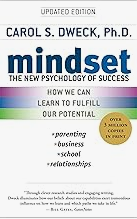
1. Reframe with “The Power of Yet.”: In her work on the growth mindset, Carol Dweck talks about replacing finality with possibility. Instead of saying, “I am not good at this,” say, “I am not good at this yet.” That single word shifts criticism from a sentence to a stepping stone.
2. Turn to the Breath: Mindfulness practices, like those Thích Nhất Hạnh taught, help interrupt the spiral of internalized words. A few slow, conscious breaths can create space between you and the sting – enough space to choose your response. The Greater Good Science Center at Berkeley offers excellent free guides on mindful resilience.
3. Practice Word Alchemy: Write down the hurtful phrase. Then write its opposite truth beside it. For example:
“You’re too sensitive.” → “Your sensitivity is your strength.” Repeated often enough – the alchemy works.
4. Curate Your Inner Circle: The people around you shape the words you hear daily. Protect your space. Seek communities that speak to your worth – not your wounds. Psychology Today’s directory can help find therapists specializing in self-esteem and resilience.
5. Anchor with Rituals: Words often land hardest when we are already tired or depleted. Rituals like morning journaling or evening gratitude – fortify you. They remind you of who you are before the world speaks.

[“The Inner Circle as a Shield” – Image by AI]
Empowering Your Journey: Tools & Resources I Trust
I have found two practical tools that help me stay resilient when words threaten to drag me down:
- A Guided Journal for Resilience: This structured journal offers daily prompts for reframing negative thoughts and recording small wins. It keeps me honest with myself and ensures I don’t carry the sting of the day into tomorrow. (Get it here)
- Noise-Canceling Headphones: Oddly enough, these became part of my emotional toolkit. They help me retreat into focus; shielding me from unnecessary chatter in airports, cafés, or even at home. Sometimes – resilience begins with silence. (Get it here)
Cultural Echoes: Sticks, Stones, and Shadows
Every culture has proverbs about words. In Japan, there’s the saying:
“The tongue is but three inches long, yet it can kill a man six feet high.” In Africa, elders remind us: “Words are sweet, but they never take the place of food.”
And yet, in every culture, words also heal. Songs, poetry, prayer, and story are all made of words. They mend what has been broken. The same mouth that curses can bless.
Istanbul’s Hagia Sophia, once a cathedral, then a mosque, then a museum, and now a mosque again. For centuries, it has carried labels and judgments, shifting identities with each ruling power. Yet through all of it, its beauty has endured. What others call you may change, but what you are does not disappear.
If ancient monument can be reborn through reframing, we can reframe the words that once defined us.
Closing Reflections
Words are not harmless. They shape destinies, fracture relationships, and even silence dreams. But they can also spark revolutions, heal divides, and carve new identities.
The truth is, you cannot control what others say. But you can decide how to metabolize it. You can choose what to carry and what to leave behind.
The rhyme had it wrong. Sticks and stones may break your bones, but words can break you too — unless you learn the deeper truth:
Words can wound, but they can also weave. And the stories you choose to tell yourself are the ones that will last the longest.
So here is the question I leave you with: When hurtful words arrive at your door, will you let them define your story, or will you alchemize them into the language of resilience?
Because the story you speak about yourself becomes the life you live.
The Four Agreements
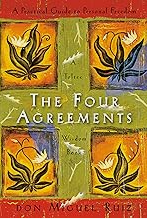
The Four Agreements

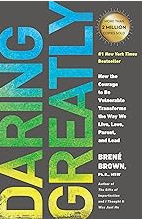
Mindset

A Toolkit for Mindful Journeys
In the journey toward a more intentional life, the right tools can make all the difference. These are the essentials I rely on to bring order to the road and peace to the mind.
Tripped Travel Gear: Products that combine innovation with exceptional quality to deliver an unmatched experience.
Booking.com: Discover unique hotels that feel like a retreat, not just a room.
Airbnb: Find a local home that offers a sense of belonging in a new place.
Disclosure: This post may contain affiliate links. We only recommend products we believe in, and We may receive a commission at no cost to you! Thank you for your support!
Acknowledgement: Cover Image by moneycatzzz.com
Disclaimer: The information is provided for general information only – moneycatzzz.com makes no representations or warranties in relation to the information, including but not limited to any representation or warranty as to the fitness for any particular purpose of the information to the fullest extent permitted by law. While every effort has been made to ensure that the information provided in this article is accurate, reliable, and complete as of the time of writing, the information provided in this article should not be relied upon to make any financial, investment, real estate or legal decisions. Additionally, the information should not substitute advice from a trained professional who can take into account your personal facts and circumstances, and we accept no liability if you use the information to form decisions.