
 Reading Time: 8 mins #
 This post may contain affiliate links.
It began with a lie so small it barely seemed worth noticing.
Someone asked me if I had ever read The Great Gatsby. I smiled, nodded and said yes. In truth, I had only seen the movie. The one with DiCaprio staring longingly across the bay at the green light. I figured, close enough. The story is the story, right?
That was my logic. A book becomes a film, scenes are rearranged, but the skeleton is intact. Why fuss over the missing organs, the subtle gestures, the narrator’s secret thoughts – Who would notice?
As it turned out, shame noticed.
The Lie That Followed Me
The first time it happened, I brushed it off. A friend asked which part of the book had stayed with me. I said, confidently, “The green light.” He nodded but his eyes lingered a little too long, as if testing whether I had earned the weight of that symbol.
Later, someone mentioned Fitzgerald’s sentences in a book club I had no business attending. “Each line glows like it was polished for decades,” a woman said. I laughed a little too quickly, and agreed. The truth? I hadn’t read a single line.
That night, as I brushed my teeth, I caught my eyes in the mirror, and felt the smirk of shame. It perched on my shoulder, whispering, “You don’t belong. You are a counterfeit.”
The lie was harmless. Nobody was hurt. Yet shame multiplied it – made it heavy. I carried it like an unpaid debt.
The Book-to-Movie Problem
The thing about lies is that they work like books and their movie adaptations. You think they are interchangeable, but they never match.
The book has nuance. The movie has spectacle.
The book whispers. The movie shouts.
The book lingers. The movie skips.
One is an ocean, the other a wave.
And when you pass one off as the other, someone eventually notices the missing depths.

[“The Weight of the Secret” – Image generated by AI]
My Dinner with Shame
Eventually, I stopped running. Not because I suddenly found courage, but because shame cornered me in the most ordinary moment. A dinner with friends, laughter filling the room, wine glasses clinking, and someone mentioned a line from The Great Gatsby.
I froze. I couldn’t keep bluffing. I put down my fork, cleared my throat and confessed: “I’ve never read it. I only watched the movie.”
For a split second, silence. The room felt like a courtroom. Then laughter burst out. Not mocking laughter, but the kind that pulls you in, that says, “We’ve all been there.”
Half the table had done the same thing. One woman admitted she never finished Moby Dick. Another said she claimed to love Pride and Prejudice, when she had only seen the BBC miniseries. Someone else confessed to quoting The Godfather as if it were scripture, forgetting it had first been a novel.
Shame, suddenly, looked ridiculous. Instead of being a ghost in the dark corner, it had been invited to the table, seated next to us, sipping Chianti.

You might also like:

Naval Ravikant’s Wisdom: Your Operating System for Modern Success
Shame with a Sense of Humor
That night taught me something. Shame does not vanish when ignored. It grows louder in silence. But shame loses its teeth when you name it, when you let others laugh with you.
Humor is not about denying the sting. It is about disarming it. Shame shrank from a looming shadow to a quirky character when I admitted the truth. It no longer had the power to isolate me. Instead, it became a story, one that connected me to others who had their own little fibs and fumbles.
Shame as a Teacher
Looking back, I see now that the lie was not about literature. It was about belonging. I wanted to be seen as smart and cultured with shelves full of matched classics and thoughts. I thought skipping the reading, but claiming the badge would protect me from exclusion.
But shame had a different lesson. Belonging cannot be built on pretense. It is not earned by saying the right words, but by showing up as you are, flaws and all.
A skeleton is not a whole body. And a movie is not a book. And a little lie, no matter how harmless, will always rattle until you face it.

[“Shared Laughter, Shared Liberation” – Image by moneycatzzz.com]
The Win in the Story
Here is the win. Once I admitted the truth, I was free. Free from the rehearsed lines. Free from the fear of being caught. Free to laugh at myself and to trust that others would laugh with me, not at me.
Here is the other win: I actually read The Great Gatsby later. Slowly, at my own pace, not because I needed to prove anything but because I wanted to hear Fitzgerald’s voice for myself. And yes, the lines glowed like they had been polished for decades.
But the real victory was not finishing the book. I was no longer afraid of my own incompletion.

Final Reflections: Inviting Shame to Tea
Shame will visit all of us. It shows up when we bend the truth, pretend, and shrink from honesty. But what if we set out an extra cup instead of hiding?
When shame knocks – let it in.
When shame smirks – laugh back.
When shame lingers – offer it tea.
Because shame, once named, becomes less of a judge and more of a companion. Not one you want to live with forever, but one who can teach you how to live lighter.
So yes, I lied about reading a book. And shame haunted me. But once I faced it, admitted it, and laughed – shame became a story I could tell. And that story, in its own small way, set me free.
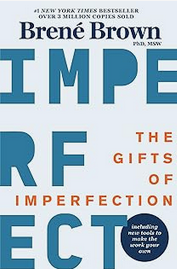
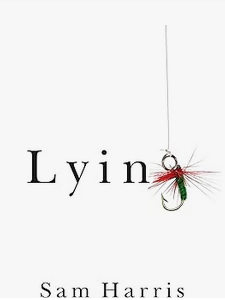
Books on Shame and Self-Acceptance You’ll Relate To
The Gifts of Imperfection

Lying
Self-Compassion
Disclosure: This post may contain affiliate links. We only recommend products we believe in, and We may receive a commission at no cost to you! Thank you for your support!
Acknowledgement: Cover Image by moneycatzzz.com
Disclaimer: The information is provided for general information only – moneycatzzz.com makes no representations or warranties in relation to the information, including but not limited to any representation or warranty as to the fitness for any particular purpose of the information to the fullest extent permitted by law. While every effort has been made to ensure that the information provided in this article is accurate, reliable, and complete as of the time of writing, the information provided in this article should not be relied upon to make any financial, investment, real estate or legal decisions. Additionally, the information should not substitute advice from a trained professional who can take into account your personal facts and circumstances, and we accept no liability if you use the information to form decisions.