 Reading Time: 8 mins #
 This post may contain affiliate links.
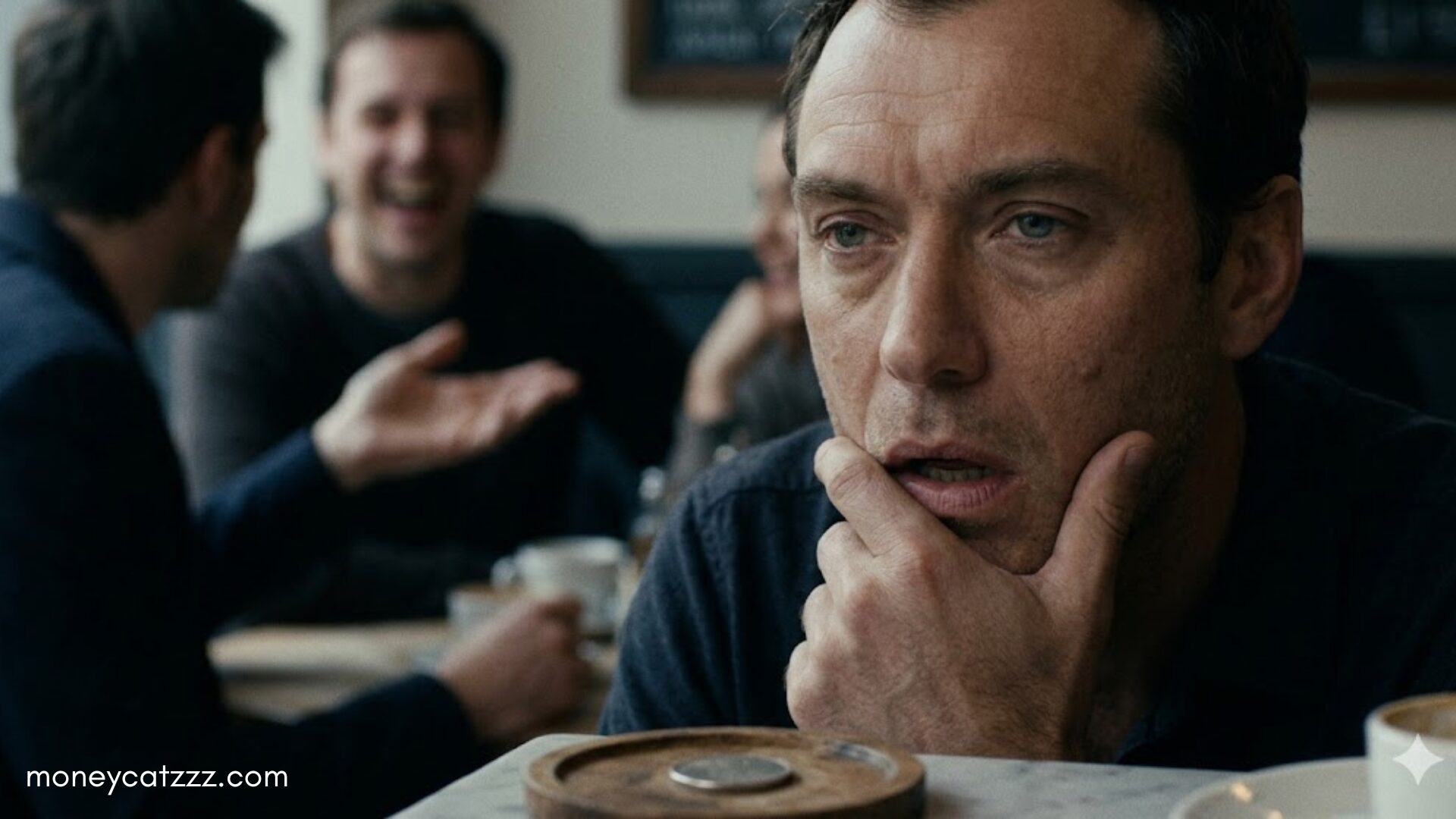
There is someone you know who gives one response to everything. Good news? “Okay, ah ha.” Bad news? “Okay, ah ha.” A death in the family? “Okay, ah ha.” A promotion? “Okay, ah ha.” Someone once told him about a wedding. He said, “Okay, ah ha.” Then asked what was for lunch.
Jude is not necessarily a bad person. He has just diluted his vocabulary to the point of meaninglessness, and he is not alone. Overused words have become the background noise of modern conversation. We took words that once carried weight and used them until they were worn smooth.
This is the dilution of meaning, and it is making us worse at thinking, worse at connecting, and worse at being honest with ourselves.
The Worn Coin
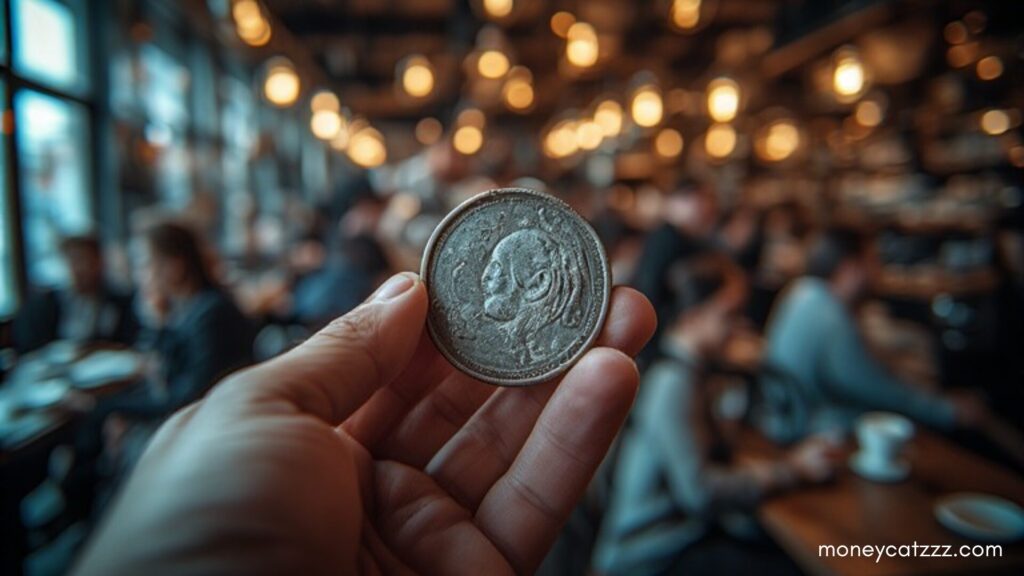
A coin fresh from the mint has sharp edges, clear inscriptions, and real weight. Pass it from hand to hand for years. The edges are smooth. The inscription fades. Eventually, it becomes a blank metal disc. You can still spend it, but no one knows its value.
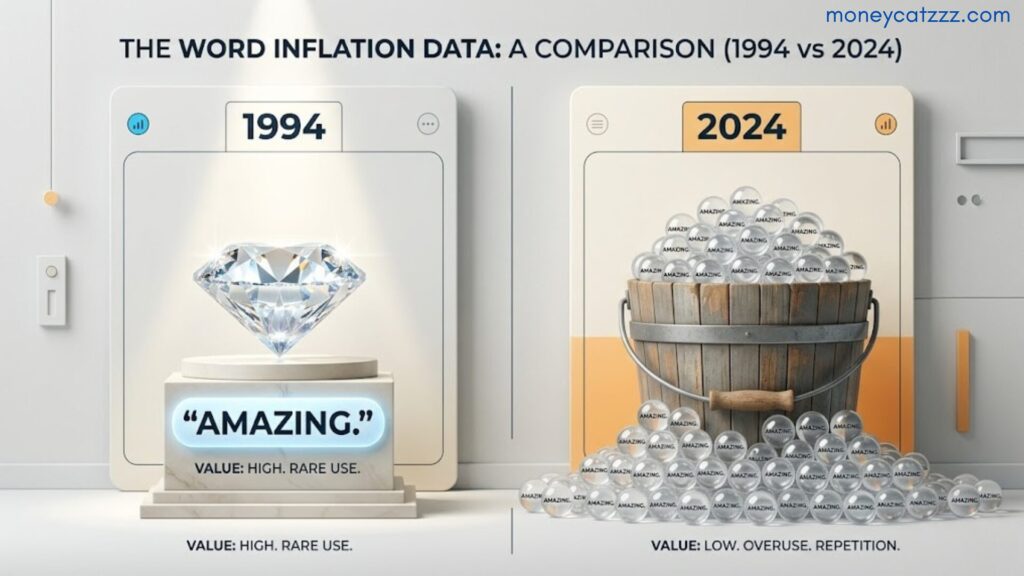
That is what we have done to overused words. We repeat them without checking if they still carry meaning. Word inflation works exactly like currency inflation. When you print too much money, each bill buys less. When you say “amazing” twenty times a day, each “amazing” means less. By the end of the week, you have devalued your own vocabulary.
Some words have suffered more than others. Let us look at two of them closely.
When ‘Authentic’ Lost Its Shine
How did this happen? “Authentic” became a status signal. Saying you are authentic implies you are not pretending. As more and more people claim it, the less it distinguishes anyone, eventually, the word stops describing and starts performing. It becomes a prop.
Restoring “authentic” requires specifics—do not say a brand is authentic. Say: “This brand does X instead of Y.” “This person shows up even when no one is watching.” “This thing was made by hand in a specific place.”
The sharp edge returns when you stop using the word as a placeholder and start using it as a scalpel.
A marketing executive admitted recently that her team uses “authentic“ in every client brief. “We tell brands they need to be more authentic,” she said. “I do not even know what that means anymore. But the clients expect the word, so we use it.”
Someone asked her: “If you cannot define it, how do you know when you have achieved it?” She laughed, went quiet for a second, then said: “We do not. We say it until everyone stops asking.”
That is linguistic erosion. The word “authentic” once meant something genuine and original, not copied. Still, now it appears on yogurt containers, corporate mission statements and Instagram bios for people who post the same filtered photos as everyone else.

How did this happen? “Authentic” became a status signal. Saying you are authentic implies you are not pretending. As more and more people claim it, the less it distinguishes anyone, eventually, the word stops describing and starts performing. It becomes a prop.
Restoring “authentic” requires specifics—do not say a brand is authentic. Say: “This brand does X instead of Y.” “This person shows up even when no one is watching.” “This thing was made by hand in a specific place.”
The sharp edge returns when you stop using the word as a placeholder and start using it as a scalpel.
[“The Blank Coin of Conversation” – Image by moneycatzzz.com]
Trauma: The Casualty of Casual Usage
The word “trauma” has undergone one of the most dramatic dilutions. In clinical settings, trauma refers to an event so overwhelming that it fractures the brain’s ability to process experience. It leaves a lasting physiological mark.
People use the word “trauma” to describe a bad haircut, a difficult conversation, or a stressful day at work. A marketing email recently promised “trauma‑informed” yoga. A headline asked: “Is your morning commute causing trauma?”
This is not harmless. When you stretch “trauma” to cover every discomfort, you rob actual trauma survivors of a word that describes their reality. Semantic satiation happens when repetition makes a word feel hollow, but the problem is not just repetition; it is a category collapse. Everything becomes trauma—so nothing is.
A therapist friend once said, “I have people come in who have survived real horrors. They struggle to find language for what happened. Meanwhile, social media has made ‘trauma’ the default term for any unpleasant feeling. My patients feel like their experience has been downgraded to a meme.”
Restoring “trauma” to its proper place requires calibration. Save it for events that genuinely overwhelm coping mechanisms. For everything else, use precise words: stressful, disappointing, painful, difficult. Those words have weight too; they do not need to borrow trauma‘s gravity.
The Mechanics of Dilution
Two forces drive the dilution of meaning. The first is semantic satiation: the psychological phenomenon in which repeating a word temporarily causes it to lose meaning. Say “spoon” twenty times. It becomes a sound, not a thing. Now imagine doing that across an entire culture with words like “literally” or “awesome.” The effect is not temporary—it becomes permanent.
Then there’s word inflation. As words get used more often, their value decreases. A study of corpus linguistics data shows that “amazing” appears in written English 400% more often today than it did 30 years ago. During that same period, its intensity rating, how “amazing” people feel when they read it, has dropped by half. We are printing more linguistic currency and wondering why it buys less.
[“The Devaluation of “Amazing” – Image by moneycatzzz.com]
George Orwell tried to warn us. He argued that vague, overused words allow vague, lazy thinking. When you say “passion” instead of describing what someone actually does, you skip the hard work of observation. When you say “literally” for emphasis, you lose the ability to signal that something is actually factually true.
John McWhorter takes a more relaxed view in Words on the Move. He argues that language change is natural. Words have always shifted meaning. “Literally” has been used as an intensifier for centuries, even by Jane Austen and F. Scott Fitzgerald. McWhorter says we should stop panicking.
But ‘natural’ does not necessarily mean ‘good’. Just because language evolves does not mean every evolution serves clarity. The problem is not that words change. The problem is that we lose precision. We lose the ability to say what we actually mean because the words we have for that have been worn smooth by overuse.

How to Stop Spending Worn Coins
You do not need to become a poet. You need to slow down.
First, ask what you actually mean. Before you say “authentic,” stop. What would a specific example look like? Use that instead. Before you say “trauma,” ask yourself if the event genuinely overwhelmed your ability to cope. If not, choose a different word.
Second, save strong words for strong moments. “Devastated” is for loss, not for a canceled reservation. “Obsessed” is for the rare fixation, not for a mild preference. The strength of a word comes from its scarcity.
Third, let silence exist. The urge to fill every conversational gap with an overused word is the urge to avoid thinking. Silence is not empty—it is where real words come from.
Fourth, accept that some words are gone. “Awesome” once meant “inspiring awe.” That meaning is dead. Do not fight every battle. Focus on the words that still have a pulse.

[“Finding the Pulse in the Gap” – Image by moneycatzzz.com]
In her brilliant book, Cultish, Amanda Montell explains how emotionally charged, overused language creates in-group signaling. When everyone says “authentic” or “trauma,” you say it too, not because you mean it, but because not saying it marks you as an outsider. The pressure to conform dilutes your own speech. The only way out is to deliberately speak differently. Use smaller, more specific words. Take the risk of sounding like you, not like the crowd.
The Restoration
In Dead Poets Society, Robin Williams as Mr. Keating says, “We have a great deal to do with language. We have a great deal to do with words. Because they can be used to describe the world, they can be used to describe the world. They can be used to describe the world.”
The repetition is intentional. He is showing how a word repeated too many times becomes a sound; it loses meaning and becomes just noise. That is exactly what we have done with overused words. We have said “authentic” until it means nothing. We have typed “trauma” until it no longer describes suffering but becomes a badge. We have repeated ourselves into emptiness.
Restoration is not about setting new rules. It is a return to feeling the weight of words. Mr. Keating had his students rip out the introduction to their poetry textbook, a grid for measuring a poem’s “perfection.” He wanted them to stop using formulaic language to judge art—he wanted them to feel instead of measure.
You know when a word is worn smooth. It feels like nothing in your mouth. It leaves no trace. Use the words that leave a trace.
The friend who says “Okay, ah ha” will probably never change. But you do not have to join him. You can be the person who saves strong words for strong moments. Who describes instead of labels. Who lets silence sit where a hollow word used to be.
The coins are still in your pocket. Spend them as they matter.
Reading List for the Word-Weary
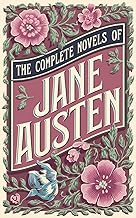
Complete Works

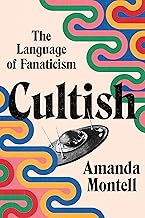
Cultish
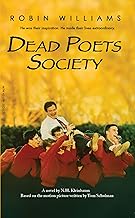
Dead Poets Society
Disclosure: This post may contain affiliate links. We only recommend products we believe in, and we may receive a commission at no cost to you! Thank you for your support!
Acknowledgment: Cover Image by moneycatzzz.com
Disclaimer: The information is provided for general information only – moneycatzzz.com makes no representations or warranties in relation to the information, including but not limited to any representation or warranty as to the fitness for any particular purpose of the information to the fullest extent permitted by law. While every effort has been made to ensure that the information provided in this article is accurate, reliable, and complete as of the time of writing, the information provided in this article should not be relied upon to make any financial, investment, real estate or legal decisions. Additionally, the information should not substitute advice from a trained professional who can take into account your personal facts and circumstances, and we accept no liability if you use the information to form decisions.