
 Reading Time: 8 mins #
 This post may contain affiliate links.
I once left a conversation with someone I loved feeling completely hollowed out. My chest was tight, my throat raw from defending a position I’d never actually held. “So you’re saying I never do anything right?” they’d said, voice rising. But I hadn’t said that. I’d asked if they could help with the dishes that night. Just that night. Just the dishes.
By the time we stopped talking, I’d forgotten what I’d needed initially. All I felt was exhaustion, the kind that settles into your bones when you’ve been fighting a ghost.
That hollow feeling? It isn’t about being illogical. It’s about being emotionally hijacked. And it’s where emotional intelligence becomes the difference between chaos and clarity, between defending yourself endlessly and actually being heard.
When emotions run high, ours or theirs, we often default to toxic shortcuts. Self-sabotage dressed as self-defense. These patterns, what I call the Self-Sabotage Trio: drain relationships, stall personal growth, and leave us wondering why the same arguments keep circling back.
Today, we’re naming three of the most corrosive tactics: the Straw Man, the Ad Hominem, and the Tu Quoque. And we’re reclaiming the only real protection against them: fierce, grounded emotional intelligence.
The Straw Man: When You’re Fighting a Version of Yourself You Don’t Recognize
The Straw Man fallacy happens when someone distorts, exaggerates, or completely rewrites what you said, then attacks that version instead of your actual words. They build a caricature of your argument, set it on fire, and call it a win.
You say, “I need more help with the dishes tonight.”
They hear: “You never do anything around here.”
Suddenly, you’re defending yourself against an accusation you never made. You’re exhausted. They’re validated. The dishes stay dirty.
Why It Happens: The Fear Beneath the Distortion
The Straw Man is born from fear. It’s easier to defeat an exaggerated, unreasonable enemy than to sit with the discomfort of a small, specific request. When someone can’t hear your actual need because it surfaces their guilt, inadequacy, or shame, they unconsciously morph it into something easier to dismiss.
This isn’t malice. It’s emotional dysregulation. And without emotional intelligence, it becomes the default.
The Cost: Defensive Exhaustion
You lose the thread of your own point. You abandon your boundary to prove you’re not unreasonable. The original issue, help with the dishes, a missed deadline, a forgotten promise — vanishes. What’s left is resentment, confusion, and the creeping belief that you can’t ask for what you need without triggering a battle.
How to Respond: The Clarity Anchor
Emotional intelligence here means refusing the fight without abandoning yourself. It’s knowing that their distortion isn’t your responsibility to fix, but your clarity is your gift to both of you.
Name What’s Happening
You don’t have to be aggressive. You can be both gentle and firm simultaneously.
Try saying:
“I hear you’re feeling defensive, but that’s not what I said. I didn’t say you never help. I said I need help with the dishes tonight.”
The key: Disown the exaggeration immediately. Don’t defend the straw man. Don’t prove you’re reasonable. Just name your actual words.
Re-Anchor to the Specific
Bring the conversation back to the singular, present-tense issue.
Try saying:
“Let’s focus on tonight. Can you help with the dishes after dinner? That’s the question.”
This is emotional intelligence in action: You’re managing your own reaction (calm, not defensive) while holding space for the real issue. You’re not controlling them, you’re modeling clarity.
Brené Brown, in Daring Greatly, writes that clarity is kindness. When we refuse to let someone misrepresent us, we’re not being cold; we’re being truthful. And truth, even uncomfortable truth, is the foundation of trust.
The Ad Hominem: When the Argument Becomes About Who You Are
The Ad Hominem (Latin for “to the person”) is the moment a conversation stops being about the issue and becomes about you: your character, your past, your worth.
You present data in a meeting. Someone replies: “Well, you missed the deadline last quarter, so why should we trust your timeline now?”
Your idea is suddenly irrelevant. Your integrity is on trial.

[“The Straw Man: When You’re Fighting a Version of Yourself You Don’t Recognize” – Image by moneycatzzz.com]
Why It Happens: Insecurity Masked as Attack
Ad Hominem attacks surface when someone feels threatened but lacks the emotional intelligence to engage with the actual argument. So they go after the messenger. It’s deflection disguised as discernment.
The attacker isn’t consciously cruel; they’re overwhelmed. However, the impact remains the same: you’re defending your worth instead of discussing solutions.
The Cost: Poisoned Trust
When arguments become personal, self-sabotage accelerates on both sides. You shut down or lash back. They double down. The issue: budget projections, household responsibilities, or a misunderstanding, gets buried under blame. What’s left is a lingering, festering wound.
How to Respond: The Boundary Shield
Emotional intelligence means separating your self-worth from their fear. It means refusing to absorb an attack while still holding space for resolution.
Name the Attack Without Absorbing It
You can call out the pattern without shaming them.
Try saying:
“That feels like a personal criticism, and it’s separate from the data I’m presenting. Can we focus on the Q4 numbers?”
You’re not saying they’re a bad person. You’re saying, ‘This tactic won’t work here.’ Let’s try again.
Draw the Line Gently, Firmly
If they persist, emotional intelligence permits you to step back.
Try saying:
“I’m willing to discuss the project timeline, but I won’t defend my character. If you’d like to talk about last quarter separately, I’m open to that. Right now, let’s stay with Q4.”
This is what Henry Cloud and John Townsend refer to as a boundary in their book, Boundaries. You’re not punishing them. You’re protecting the space where honest communication can happen.
If they can’t respect that boundary, the conversation is over. And that’s okay. Your peace is not negotiable.
The Tu Quoque: When the Past Becomes a Weapon
The Tu Quoque (Latin for “you too”) is the whataboutism fallacy.
Someone deflects your concern by pointing out a similar mistake you made in the past.
You say: “You promised to finish that project by Friday.”
They reply: “What about the time you forgot to pay the electric bill? You’re not perfect either.”
Suddenly, you’re on trial for something unrelated. The current issue, the unfinished project, disappears into a cloud of old grievances.
Why It Happens: Shame Avoidance
Tu Quoque is a defense mechanism. The person can’t sit with the discomfort of being “in the wrong,” so they drag you into the pit with them. It’s not about fairness, it’s about avoiding accountability.
Without emotional intelligence, this tactic is less effective. You get defensive, dredge up your own counterexamples, and the conversation spirals into an endless loop of who-wronged-who-when.
The Cost: Circularity and Stagnation
No forward movement happens. The present problem, which could actually be solved, remains untouched. Both of you leave feeling unheard, misunderstood, and resentful. Self-sabotage wins again.
How to Respond: The Accountability Anchor
Emotional intelligence here means owning your past without letting it overshadow your present needs. It’s the art of saying, Yes, and…
Acknowledge Briefly, Then Redirect
Validate their point without letting it derail you.
Try saying:
“You’re right—I did forget the electric bill, and I apologized for that. However, we need to address the project deadline right now. Can we focus on that?”
One sentence of acknowledgment. Then, a firm and kind return to the present.
Separate Past and Present
If they continue to reevaluate, reinforce the boundary.
“I’m willing to talk about past mistakes in a separate conversation. But we can’t solve today’s problem by reliving last month’s. Let’s stay here.”
This is what Travis Bradberry and Jean Greaves call self-management in Emotional Intelligence 2.0, the ability to stay focused on your goal despite emotional turbulence.

[“The Ad Hominem: When the Argument Becomes About Who You Are” – Image by moneycatzzz.com]
Your Emotional Intelligence Anchor: Three Practices
1. Pause Before You Respond
Three breaths. That’s the difference between reacting from your wounded self and responding from your grounded self. Emotional intelligence isn’t about suppressing emotion; it’s about choosing your response.
2. Name the Pattern
When you recognize the Straw Man, Ad Hominem, or Tu Quoque in real time, you disarm it. You don’t have to lecture; gently redirect.
3. Protect Your Energy
Not every conversation deserves your full engagement. If someone repeatedly uses these tactics and refuses to shift, emotional intelligence means recognizing when to step back. Your peace isn’t a debate prize – it’s a boundary.
What It Looks Like When Self-Sabotage Runs the Show
- You leave conversations feeling drained even when you “won”
- You find yourself defending positions you never actually held
- Arguments loop endlessly without resolution
- You feel like you can’t ask for what you need without triggering chaos
- You wonder if you’re the problem; maybe you’re too sensitive, too demanding, too much
If that resonates, you’re not broken. You’re caught in relational patterns that emotional intelligence can interrupt. And that interruption starts with you.
Emotional Intelligence: Frequently Asked Questions
What is emotional intelligence?
Emotional intelligence (EQ) is the ability to recognize, understand and manage your own emotions, and to recognize and influence the feelings of others. It's the difference between reacting defensively and responding thoughtfully. High EQ enables you to navigate conflict without losing your composure.
How can I enhance my emotional intelligence in relationships?
Start with self-awareness: Notice your emotional triggers. Then practice self-regulation: pause before reacting. Finally, develop empathy: ask what the other person might be feeling beneath their words. Books like Emotional Intelligence 2.0 by Daniel Goleman, not Bradberry and Greaves, offer practical assessments and exercises.
What is the Straw Man fallacy?
The Straw Man is when someone distorts your argument, exaggerating or misrepresenting it, then attacks that false version instead of what you actually said. It's a form of self-sabotage because it prevents real resolution.
How do you stop self-sabotaging behavior?
Self-sabotage often stems from fear, shame, or unprocessed emotion. Emotional intelligence helps you name the pattern, pause the reaction, and choose a healthier response. Therapy, journaling, and books like Daring Greatly by Brené Brown offer frameworks for breaking these cycles.
What is an Ad Hominem attack?
Ad Hominem (Latin for "to the person") is when someone attacks your character, history, or credibility instead of addressing your argument. It's a deflection tactic that derails productive conversation.
How do you respond to the Tu Quoque fallacy?
Acknowledge the past briefly ("You're right, I did that"), then firmly redirect to the present issue ("But right now, we need to solve X"). Don't let past mistakes erase present accountability.
Reclaim Your Peace. Your Truth Deserves to Be Heard.
The Straw Man, Ad Hominem, and Tu Quoque are the invisible architects of relational chaos. They’re not signs that you’re bad at communication; they’re signals that emotional intelligence is the missing bridge.
You don’t have to fight ghosts. You don’t have to defend your worth. You don’t have to loop endlessly through old grievances.
Emotional intelligence permits you to say: This isn’t working. Let’s try another way. And when someone can’t meet you there, it enables you to step back, not in anger, but in self-respect.
Your internal state is your most valuable resource. Protect it, not by shutting down, but by showing up with clarity, boundaries, and the quiet confidence that your truth matters.
That’s the core of emotional intelligence, and it’s yours to claim.
Dig Deeper: Books on Emotional Intelligence & Boundaries

Boundaries

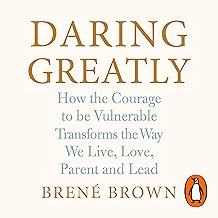
Daring Greatly

Emotional Intelligence 2.0
Authority Links for Deeper Context
- Psychology Today on Emotional Regulation: Clinical insights on managing emotional states during conflict
- Harvard Business Review on Emotional Intelligence in Leadership: Research on EQ’s role in professional success
- The Gottman Institute on Relationship Repair: Evidence-based strategies for navigating defensiveness in partnerships
Disclosure: This post may contain affiliate links. We only recommend products we believe in, and we may receive a commission at no cost to you! Thank you for your support!
Acknowledgment: Cover Image by moneycatzzz.com
Disclaimer: The information is provided for general information only – moneycatzzz.com makes no representations or warranties in relation to the information, including but not limited to any representation or warranty as to the fitness for any particular purpose of the information to the fullest extent permitted by law. While every effort has been made to ensure that the information provided in this article is accurate, reliable, and complete as of the time of writing, the information provided in this article should not be relied upon to make any financial, investment, real estate or legal decisions. Additionally, the information should not substitute advice from a trained professional who can take into account your personal facts and circumstances, and we accept no liability if you use the information to form decisions.