 Reading Time: 8 mins #
 This post may contain affiliate links.
I used to believe discipline was the sole path to happiness. I worshiped a stricter morning routine paired with an unyielding checklist. When low moods hit, I treated them as a collapse of willpower, trying to grind my way out of the hole.
The grind never worked. It just left me exhausted and simple-minded.
A landmark study by Dr. Lile Jia and his team at the National University of Singapore completely blew this theory out of the water. The researchers tracked 1,600 adults across two countries, measuring their baseline well‑being against their actual daily self-control.
To do this, they used a specialized statistical model designed to filter out the noise. It separated who these people naturally were from how their behaviors actually shifted over time.
The data returned a cold, undeniable verdict. Baseline well-being predicts self-control six months later. Happier, stable people possessed the internal currency to execute better discipline. The absolute myth that grinding through raw self-control will eventually buy you delayed well‑being flatly did not hold.
Discipline does not generate happiness, and vice versa. I spent years pulling the rope from the wrong end.
The Debt Spiral
Forced willpower is a payday loan where you borrow against tomorrow’s energy reserves at 400 percent interest. The first few times, the transaction works. You push through and finish the slide deck.
The spiral inevitably tightens.
A close friend executed this exact descent as she forced herself to work through acute burnout for six weeks straight. By week four, her automated boundaries dissolved, and she was eating sugar straight from the bag. By week six, she snapped viciously at a junior colleague over a simple operational question. The loan came due, and the interest was brutal.
The study frames it as a severe well‑being deficit, but we call this a lack of willpower. You are trying to withdraw assets you never deposited.
The self-control industry sells this backward map because grinding feels highly virtuous. Suffering satisfies the ego, making you feel like you are achieving progress. Platforms like LinkedIn operate as the payday lenders of personal growth, fetishizing 5 AM routines and continuous hustle.

Western philosophical approaches may need a dash of Eastern spice.
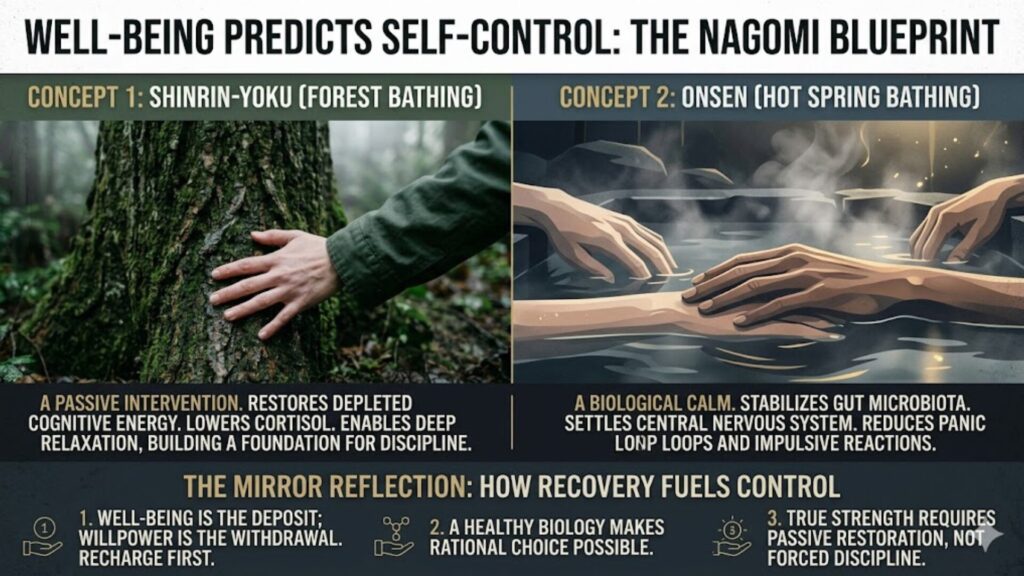
The Japanese framework of Nagomi asks you to take a hot bath instead. Taking a hot bath or stepping away to look at a green space feels like surrender only because your blueprint has conflated continuous movement with actual productivity. That voice telling you to work is not a sign of high standards; it is the sound of an automated panic loop trying to prevent you from assessing your true resource levels.
Overruling that internal panic loop means you step away from the screen and actually shut down before your body forces you to. It is not complicated. You are simply putting fuel back in the tank before the engine seizes up.
Nagomi Is Far Beyond a Candle
Nagomi focuses on balance, comfort, and calmness of heart. It never asks you to eliminate environmental stress. It asks you to find internal harmony inside it.
Nagomi might sound like a scented candle or a cheap bath bomb. Don’t be fooled, it is a fundamental system reset.
Machines respond to brute force, whereas humans respond to conditions. Nagomi alters those conditions so your inherent well‑being can emerge.
The practices are deeply boring yet remarkably effective. They work because they are entirely passive. You do not force yourself to feel better; you show up.

[Nagomi Is Far Beyond a Candle | moneycatzzz.com]
Two Nagomi Practices That Build Well-Being
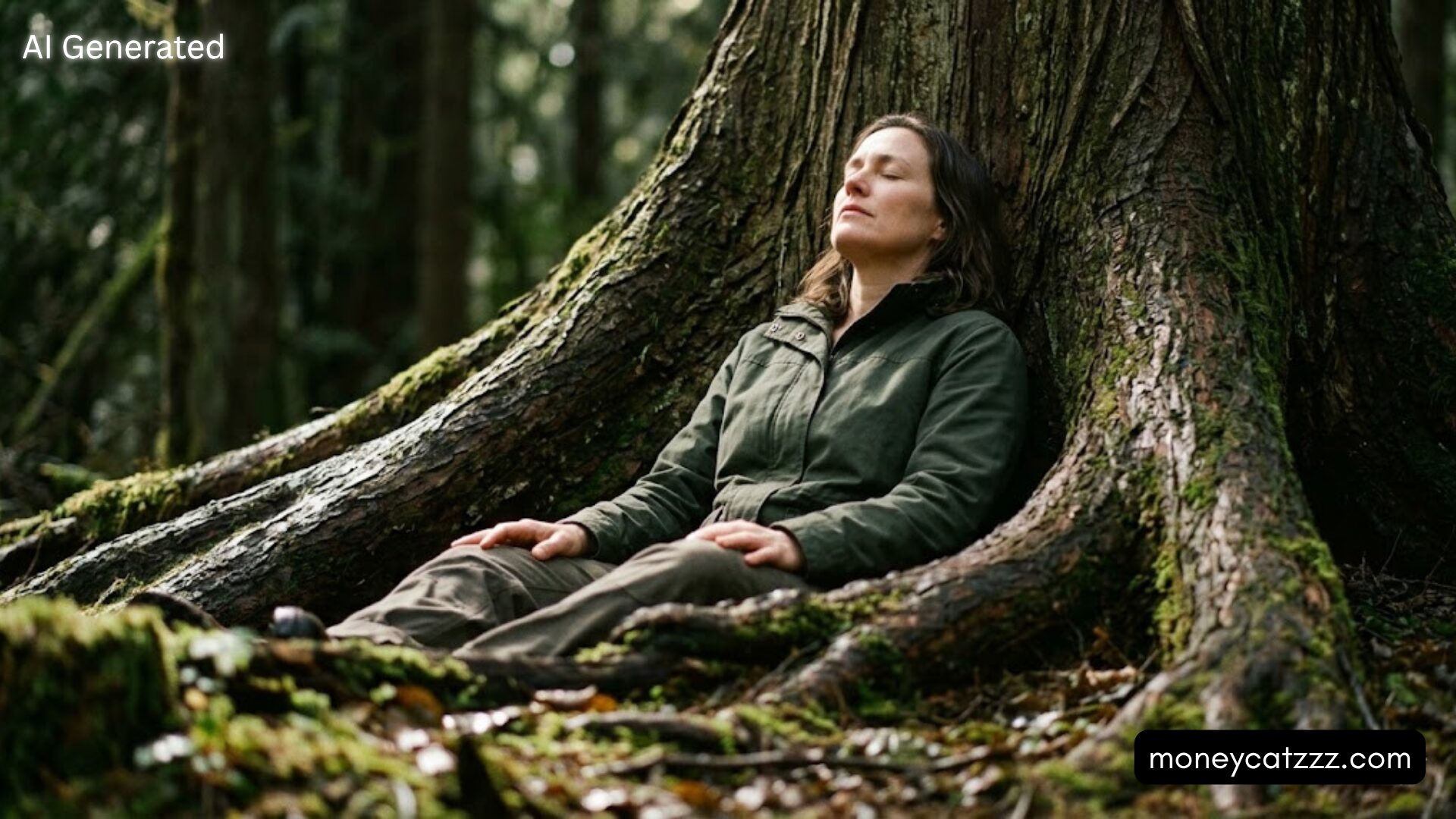
Shinrin-Yoku (Forest Bathing)
Shinrin-Yoku leaves out hiking and intense exercise entirely. It means walking slowly through a wooded area. Touch rough bark and listen to birds amidst the mud and decay. A 2024 review confirmed that forest bathing directly lowers cortisol levels and stabilizes mood.
You don’t actually need an ancient forest. A local park works perfectly. Leave your phone in the car and walk for twenty minutes. If you cannot find a tree, walk around a parking lot and stare at a bush. The bush does not care.
Do not confuse this with a break from productivity. It is a well-being-first infrastructure project.
Onsen (Hot Spring Bathing)
Natural hot springs are rich in minerals like sulfur and bicarbonate that directly stabilize your gut microbiota and calm your central nervous system. It is raw biology that goes beyond any complex psychological hack – when your body stops panicking, your mind stops spinning.
If you cannot access a natural onsen, take a hot bath with Epsom salts. Lighting is optional. Just sit in the hot water for fifteen minutes with no phone or podcasts.
Do not view this as an indulgence. This is basic but essential maintenance required to keep your body from falling apart.
The Mechanics of Resource Shortages
Barbara Fredrickson’s broaden-and-build theory shows that positive emotions expand your immediate cognitive bandwidth. When you feel good, you see options and solve problems easily. Those built-up psychological resources form the baseline for long-term discipline.
A low well‑being state signifies a severe resource shortage. Researcher Lile Jia noted that a struggle with discipline does not necessarily indicate a deficiency in willpower. Instead, that internal friction means you are running a system that is completely depleted.
The implication is deeply uncomfortable. You do not need to hate yourself to build better habits. You must restore your internal baseline before execution can happen. But restoring that balance requires admitting you are completely exhausted – something high achievers absolutely loathe to do.
Admitting to depletion is a raw reality check. Stop treating it like a personal weakness.
A Two-Step Protocol
Simplicity is best; there is no complex ten-point plan. That would violate the premise. Try these two steps for one week. You will mess up, but that is just being human, and treat the result as data.
Step 1: The Nagomi Check
Before any high-willpower task, pause. Ask one question: How is my well‑being right now?
Rate it from 1 (depleted) to 5 (flourishing). Scoring is simple: 4 or 5 – proceed—3 or lower – critical system error.
Step 2: One Nagomi Intervention
Perform a Nagomi protocol for twenty minutes without multitasking or rushing.
Re-check your score after completing. Most people find their will rises by at least one point. If the score stays low, do not force the original task. Pick a different intervention. If it remains low after two tries, cancel the task and reschedule it for tomorrow. The world will not end – you are calibrating the system.
Remember, you can only withdraw after you have made a deposit. Be patient.

What This Is Not
Drop any delusions about “following your bliss.” Bliss does not require a protocol.
This is not permission to scroll Instagram for an hour. Social media is not a Nagomi practice; it is a dopamine slot machine. Following the protocol is not an excuse to avoid hard things, because the single objective is to build the baseline health required to make hard things manageable.
[The Nagomi Blueprint: Well-being Rredicts Self-control | moneycatzzz.com]
A Personal Note
I tried to practice what I preached. Last month, I was dreading a difficult conversation with a client. My stomach was tight, my jaw clenched, and my well‑being was at 2.
Instead of forcing the call, I went outside, walked around my block, touched the bark of a sycamore tree, and listened to the rain.
I almost went back inside after five minutes. The voice in my head said this was stupid and told me to make the call. I sat with that voice and finished the walk.
After completing the walk, fifteen minutes later, my score was a 4.
The conversation was still difficult, but I had left the anxiety outside. I said what I needed to say clearly and calmly. The discipline showed up because my well‑being arrived first.
Does this mean you never push through? No. Urgency occasionally overrides depletion during a hard deadline or a safety issue. In those moments, you act in the event of a lack of choice.
Tracking data averages are measured over six months without exception. If you live by exceptions, you live in a permanent emergency. That is not resilience.
The empirical data are unambiguous. Baseline well‑being dictates your capacity for self-control. When your system is completely depleted, willpower alone cannot rescue it. The foundational rule holds asset-tight: you cannot draw down on an empty account.
Stop grinding. Treating exhaustion as a virtue is wrong, and start depositing. A hot bath, a slow walk, or five minutes of stillness are the real work.
The self-control you need will follow.
Now take a bath. Then make the call. And do not check your phone in the bath, because wet email is not Nagomi.
________________________
The Blueprint Ledger: Three Texts on Cognitive Decay
Deep Work

The Shallows
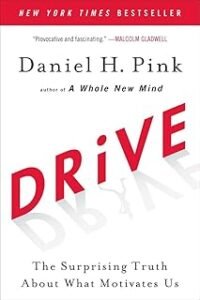
Drive
Disclosure: This post may contain affiliate links. We only recommend products we believe in, and we may receive a commission at no cost to you! Thank you for your support!
Acknowledgment: Cover Image by moneycatzzz.com
Disclaimer: The information is provided for general information only – moneycatzzz.com makes no representations or warranties in relation to the information, including but not limited to any representation or warranty as to the fitness for any particular purpose of the information to the fullest extent permitted by law. While every effort has been made to ensure that the information provided in this article is accurate, reliable, and complete as of the time of writing, the information provided in this article should not be relied upon to make any financial, investment, real estate or legal decisions. Additionally, the information should not substitute advice from a trained professional who can take into account your personal facts and circumstances, and we accept no liability if you use the information to form decisions.