 Reading Time: 8 mins #
 This post may contain affiliate links.
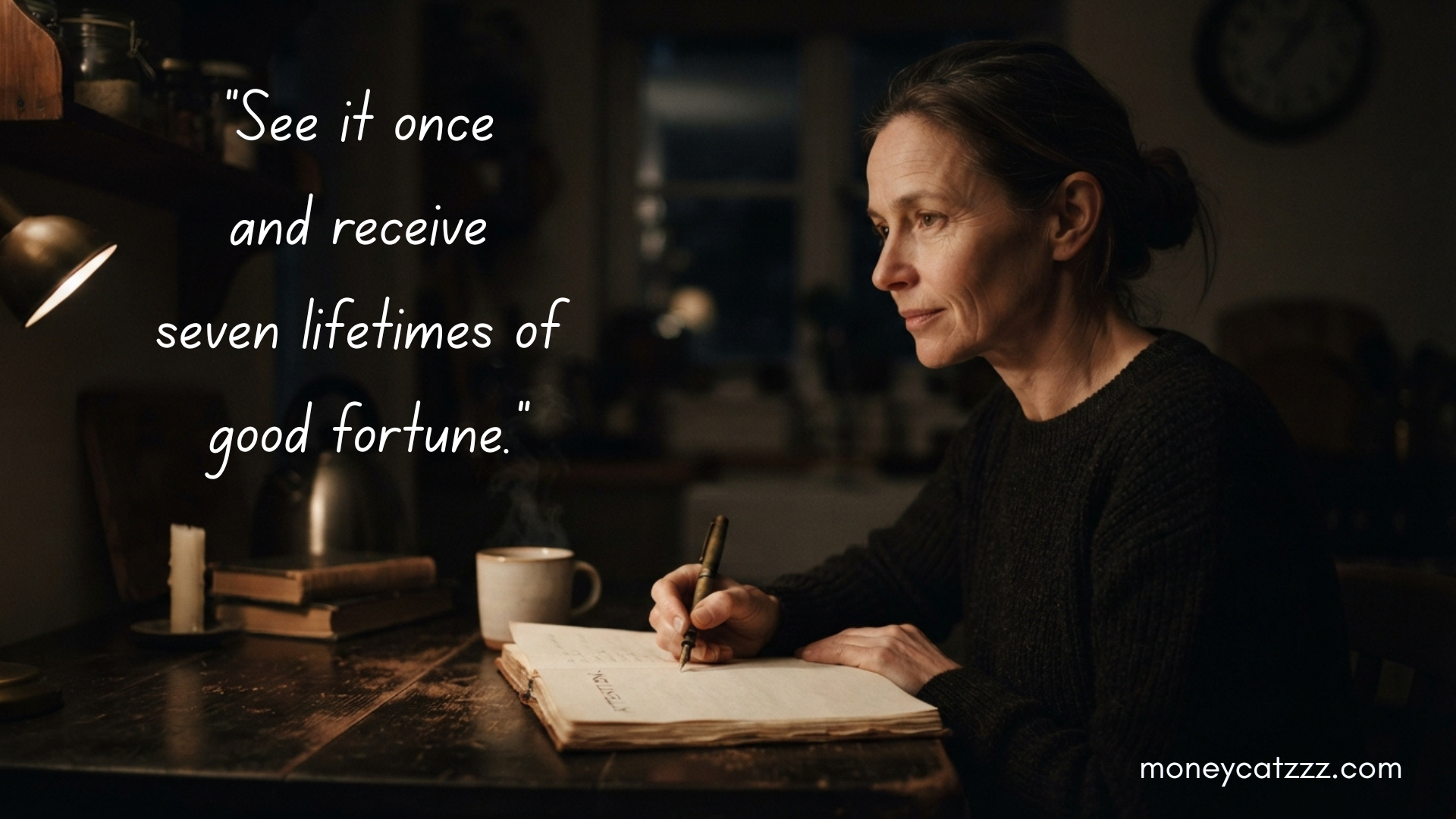
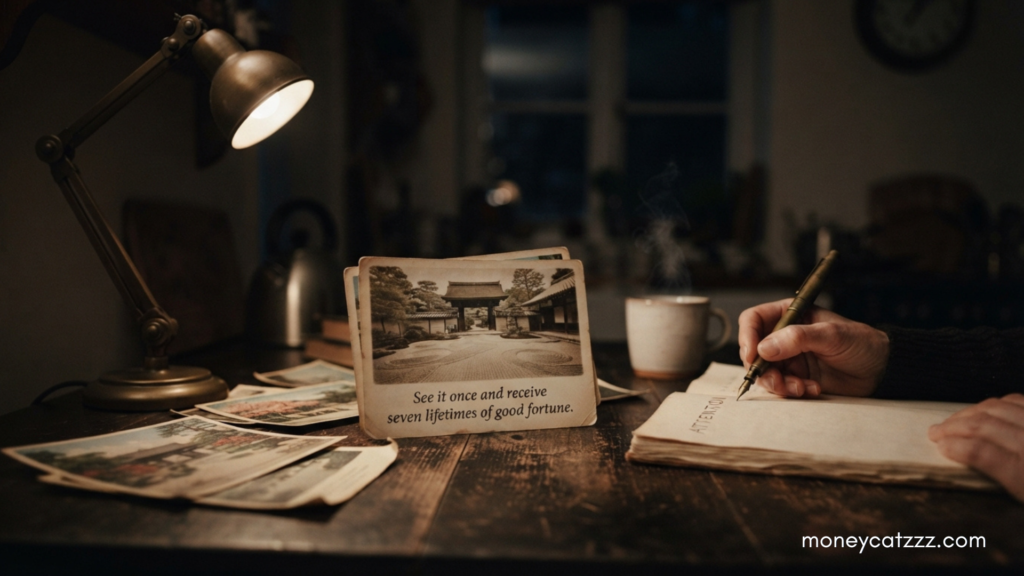
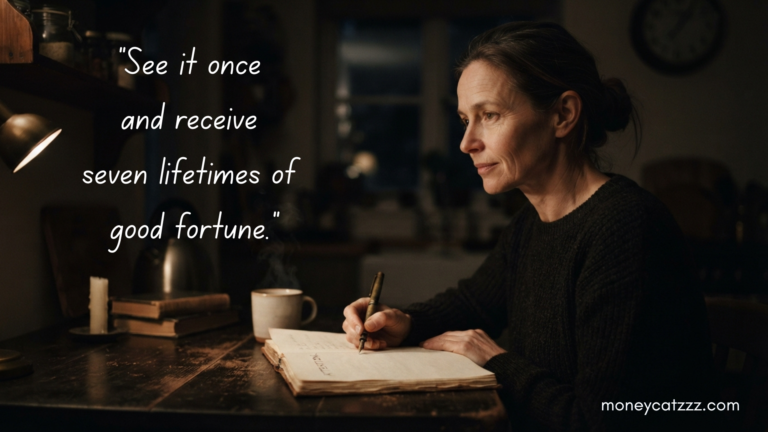
“See it once and receive seven lifetimes of good fortune.” – Dragon Sutra.
I saw it on a postcard in a museum gift shop. Small print. Italics. Brooklyn Museum, late October, a Tuesday afternoon when I should have been working. I was in Brooklyn that week for a conference I’d already stopped attending.
I picked it up. Read it. Put it back on the rack.
Walked out. Took the 2 train home. Couldn’t stop thinking about what it cost me in attention..
The Dragon Sutra was printed beneath a photograph of a relic I didn’t recognize. Gold. Ancient. Sacred to someone. The card said viewing the relic, even in photograph form, carried the same merit as a pilgrimage. One glance. Seven lifetimes of good fortune.
I didn’t believe it. I also didn’t not believe it.
That’s the shape of an asymmetric exchange. Minimal input. Maximal return. The math is absurd on purpose.
The Formula
The structure is always the same.
You do almost nothing. You receive everything.
See it once. Seven lifetimes. Say this prayer five hundred days off purgatory. Screenshot this image. Abundance will find you.
The formula is older than writing. Every tradition has one:
- Buddhism: “Hear this name just once, and your name shall be inscribed forever in the Pure Land, free from the three lower realms for all eternity.”
- Christianity: “Confess with your mouth and believe in your heart, and you shall be saved—an instant pardon purchased by a single sentence.”
- Islam: “Recite Surah Al-Ikhlas ten times, and God will build for you a palace in Paradise.”
- Hinduism: “Utter the name of the Divine even once at the moment of leaving the body, and you shall attain supreme liberation, cutting through millions of lifetimes of bondage.”
The internet just gave it a user interface.

[MindValley Promo | Rewire your mind, transform life. | Vishen Lakhiani]
The scale is deliberately disproportionate. One glance. Seven lifetimes. A pilgrim walks a thousand miles to see the relic in person. You look at a photograph on a postcard next to the overpriced tote bags. The formula says the merit is the same.
Does effort matter? The formula says no.
That bothered me. Not the promise. The exchange rate.
Lewis Hyde writes about this in The Gift. He argues that gifts operate in a different economy than market transactions. The giver, not the receiver, sets a gift’s value. The widow’s coin in the temple treasury. She gave everything she had. The rich man gave a fraction. The coin was smaller. The gift was larger; the value is based on the subjective weight of the sacrifice, not the objective volume of the input.
That’s grace. The value is determined by what you had to give.
But the postcard wasn’t claiming grace; it was stating equivalence, that the photograph carried the same power as the object. The glance carried the same weight as the pilgrimage.
A promise like that doesn’t ask for your attention. It asks for the minimum your attention can produce. A glance. And it offers everything in return.
The Four Positions
I brought the postcard home in my head. Not the physical card. Just the saying. I couldn’t stop repeating it.
One glance. Seven lifetimes.
The claim reads four ways depending on who is holding it:
The Gift. Grace, mercy, unconditional love. The blessing remains the same whether you walked a thousand miles or glanced at a photograph; the act of looking is enough. The giver sets the value, not the receiver. It refuses the productivity calculus entirely, making a life possible for those who have nothing left to trade.
The Transaction. Indulgence selling. Prosperity gospel. Guaranteed results. Screenshot this image and tag three friends. The promise stays the same. The profit moves to someone else. You’re not the believer anymore. You’re the product. You pay twice; once in faith, once in cash.
The Trap. Manifestation culture. The algorithm’s version of the formula. You didn’t find this by accident. This found you for a reason. The unfalsifiable promise that keeps you scrolling, sharing, screenshotting. The input is a glance. The return is supposed to be everything. But the return never comes, so you keep glancing. Your attention is what’s being sold; you never see the invoice.
The Practice. The middle ground. Not belief, but not skepticism either. The saying becomes a ritual. The glance is the thing itself. The value lies not in the promised return, but in what happens to you while you are looking. This is the position I keep circling back to, not because I know it is true, but because it is the only one I can inhabit.
[The Weight of the Archive | moneycatzzz.com]
The Coin
I found a foreign coin in my coat pocket that week. I don’t know where it came from. A quarter in value, maybe. Something small. I kept it in my pocket and touched it when I was thinking about the postcard.
There’s a story about a widow who gave two small coins to the temple treasury. Everyone else gave more. She gave everything. The tradition says her gift outweighed all of theirs.
I have been thinking about that coin, not from a place of having given anything myself, but out of a quiet wonder. What do I actually possess that is small enough to give completely? And what have I been holding back simply because I convinced myself it wasn’t enough?.
The Exchange
Two weeks later, I returned to the museum specifically for the gift shop, drawn back to see if the postcard was still there.
It was. Resting in the same rack, printed in the same small italics.
I picked it up. Read it again.
“See it once and receive seven lifetimes of good fortune.” This time, I flipped the back and noticed the fine print: “The Dragon Sutra: housed at the National Palace Museum in Taipei, Taiwan.”
That’s when I realized: the museum didn’t decide if my glance counted. The deity on the postcard didn’t decide. I did.
The exchange was never with the relic, the tradition, or the promise. The exchange was with myself.
The promise was asking for my attention. My belief was optional. My attention was on the price.
Unfalsifiable claims persist because they can’t be disproven. You can’t measure seven lifetimes. You can’t verify the return. The absurdity is the armor. A proportional promise would be checkable. See it once, receive one good thing. You could test that; you could disprove it.
But seven lifetimes? You’ll never know. That’s the mechanism.
The harder truth was a lot more palatable: I was the one deciding whether the glance counted.
Which meant I’d been doing the same thing with my own life. Glancing at it and never looking.
So, why do I feel like I am missing my life? I don’t have answers yet. I have been treating my life like a postcard: something to glance at in passing, to save for later, assuming it would just wait patiently on the rack.
The ritual quietly drains your most valuable resource, your attention, while promising you the moon. The formula was about how I used my attention.
What if the glance was the point?
The Return
I didn’t buy the postcard. I also purposely did not want to send it to anyone to create “false hope.”
Viktor Frankl wrote that meaning can be found in the present, even when the future is blank. He wasn’t promising seven lifetimes of good fortune. He was describing what happens when you stop waiting for conditions to improve and start paying attention to what is right in front of you; the only human freedom left is the choice of response in the immediate, unvarnished moment.
I had been waiting for seven lifetimes. The return was already here. In this one. Seen properly.

[The Kitchen Table Realism | moneycatzzz.com]
I went home. My daughter was at the kitchen table, bent over the same homework in the same chair, right in the middle of a Tuesday-night routine we had been running for years.
I looked at her. Really looked. The look that takes time.
That’s where the seven lifetimes are in the kitchen. In the presence, I’d been trading for a glance.
The lamp was always lit. I just kept glancing past it.
The myth wasn’t promising a future reward. It was asking a present question: what does one glance mean?
It means nothing if it’s just a glance. It means everything if it becomes a look.
Learn to thrive in a changing world | advaya.life | promotion
The Questions Hanging in the Air
I don’t know which version of the claim I’m holding anymore.
Some days it feels like grace; the smallest act of attention counts, and a glance is enough.
Some days it feels like a transaction; waiting for a payoff and checking a ledger to see if I’ve banked enough presence to cash in later.
And some days it feels like a trap: scrolling, glancing, screen-shotting; telling myself I’ll look properly later, knowing later never comes.
What would it mean to practice the thing instead of just reciting it? To treat the glance as the practice, right here in the room, without waiting for a reward.
I don’t have answers. Just the questions.
The Kitchen
The postcard is still at the museum. I didn’t buy it. I don’t need to.
The answer isn’t in the gift shop. It’s at the kitchen table. It’s in the look I give my daughter when I stop glancing and start seeing.
The asymmetric exchange was about attention all along.
The pilgrim who walks a thousand miles isn’t buying merit. They’re practicing attention for a thousand miles. The glance at the photograph isn’t magic. It’s a reminder to look.
The return was never future-tense. It was never seven lifetimes of good fortune waiting in some cosmic savings account.
It was this one. The kitchen. The kettle. The homework. The look.
One glance. One lifetime. This one.
Seen properly. See it once and receive seven lifetimes of good fortune.
A nice promise. For me, seeing is not enough; you have to stay in the room long enough for it to matter.
_________________________________________________
Beyond the Postcard: Living in the Room Instead of Waiting for the Return
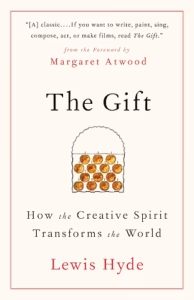
The Gift

Radical Acceptance
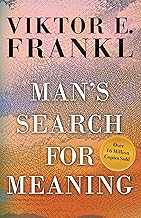
Man’s Search for Meaning

Disclosure: This post may contain affiliate links. We only recommend products we believe in, and we may receive a commission at no cost to you! Thank you for your support!
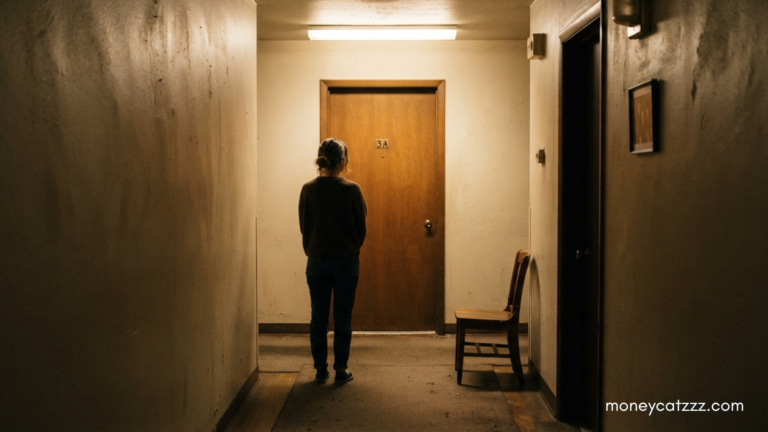
Acknowledgment: Cover Image by moneycatzzz.com
Disclaimer: The information is provided for general information only – moneycatzzz.com makes no representations or warranties in relation to the information, including but not limited to any representation or warranty as to the fitness for any particular purpose of the information to the fullest extent permitted by law. While every effort has been made to ensure that the information provided in this article is accurate, reliable, and complete as of the time of writing, the information provided in this article should not be relied upon to make any financial, investment, real estate or legal decisions. Additionally, the information should not substitute advice from a trained professional who can take into account your personal facts and circumstances, and we accept no liability if you use the information to form decisions.