
 Reading Time: 8 mins #
 This post may contain affiliate links.
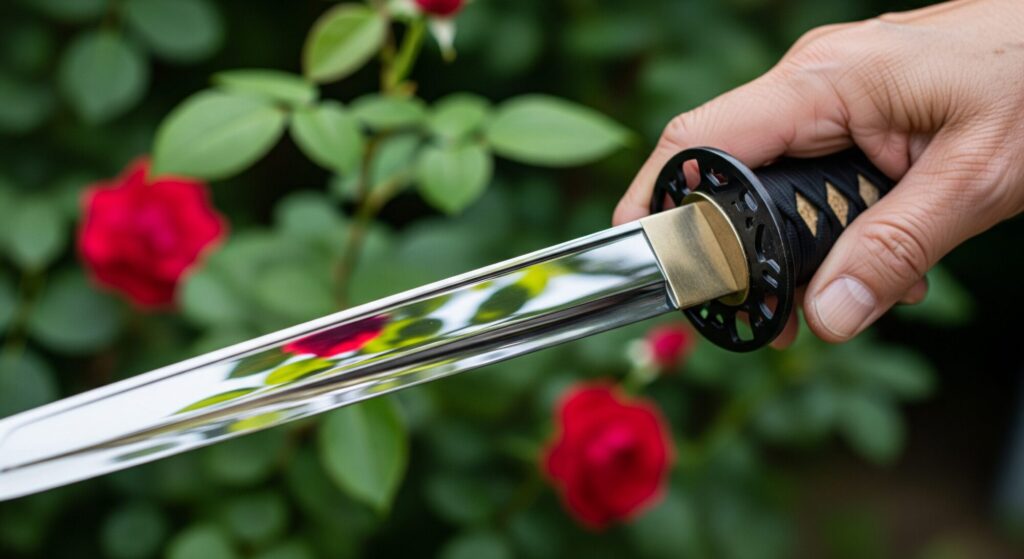
I threw up behind a vending machine in Seki City at 6:47 AM, jet-lagged and shaking from too much convenience store coffee and not enough actual food. I came to interview a master sword maker about dedication, expecting some profound Eat-Pray-Love moment of clarity about my own work ethic. What I found was Takeshi Saji, pruning roses in sweatpants that had seen better decades, ignoring the forge where he made $30,000 blades to watch a beetle procreating with another beetle on a leaf.
“You’re three hours late,” he said in English that sounded like gravel in a blender. I wasn’t late. I was three hours early. “Late for the interesting part,” he clarified, pointing at the insects. This man, whose polymath habits I’d soon learn included competitive ballroom dancing at seventy-three, was about to destroy everything I thought I knew about professional development outside work
The Year I Became a Machine
Let me back up. Six months before Japan, my therapist had used the word “concerning” four times in one session. I’d been tracking my productivity in fifteen-minute increments, sleeping four hours a night, and eating the same meal twice daily because choosing food wasted brainpower. My boyfriend at the time said kissing me was like kissing a laptop. He wasn’t wrong.
I’d turned myself into a content machine after reading some toxic productivity book that promised excellence through elimination. Eliminate hobbies. Eliminate variety. Eliminate anything that didn’t directly serve “The Work.” My Hobonichi Techo planner, which I’d bought thinking Japanese stationery would somehow make me more human, contained one word repeated: WRITE. Some days, I forget to flip the page and write over yesterday’s write with today’s write.
The breaking point came during a Zoom call when my editor said, “AI could’ve written your last three pieces. Where’s the weird stuff? Where’s the you?”
Where was I? I’d optimized myself out of existence.
Saji-san was still watching his beetles when he finally acknowledged my presence properly. “Four hours,” he said when I asked about his daily sword work. “More, and I become boring. Steel feels when the maker is boring.”
“Best swords made by interesting people,” he said, offering me tea he’d grown himself. “Busy people make tired metal.”
I wanted to argue about dedication and discipline and all the grindset gospel I’d swallowed. Still, I was too tired, and the beetles were now doing something anatomically improbable that even Saji-san seemed impressed by.

[“The Compound Interest of Curiosity” – Image by moneycatzzz.com]
The Garden of Failed Discipline
“Your problem,” Saji-san announced after I’d word-vomited my entire productivity system at him, “is that you think excellence lives in the forge. Excellence lives in the garden. In terrible flute playing. In dancing like a grandmother with two hip replacements.”
He wasn’t being metaphorical about the hip replacements. He showed me a video of himself at a ballroom competition, moving like someone had put his joints together from different people’s bodies. He came in last. He was thrilled about it.
Was this supposed to be professional development outside of work? This graceless lurching to music?
I’d brought David Epstein’s Range on the plane, highlighting passages with the fervor of someone who highlights instead of changes. Epstein discusses cognitive flexibility, highlighting how specialists can become prisoners of their own expertise. I’d highlighted this. Then I’d scheduled four more hours of writing.
Saji-san’s schedule, which he drew on a piece of paper with a Hello Kitty pen (I cannot make this up), looked like a child’s dream day.
Garden: 5-7 AM.
Calligraphy: 7-8 AM.
Swords: 9-1 PM.
Lunch and nap: 1-3 PM.
Reading terrible English poetry: 3-4 PM.
Flute practice that made cats leave: 4-5 PM.
Dancing: twice weekly. “Time blocking,” he said, “but for becoming interesting.”
The Humiliation Circuit
He made me try everything. Have you ever tried Japanese calligraphy with hands that shake from too much caffeine and not enough vegetables? My characters looked like spiders having strokes. The paper, a beautiful, handmade item that cost more than my dinner, absorbed my failure in real-time.
The flute was worse. Saji-san’s shakuhachi resembled a torture device made from bamboo. No sound came out for twenty minutes. When it finally did, his neighbor’s dog started howling. “Good!” Saji-san said. “You are terrible! This is a gift!”
Josh Waitzkin writes in “The Art of Learning” that a beginner’s mind is essential for achieving mastery. Saji-san had also highlighted this passage, using the same Hello Kitty pen. But his interpretation was different: “Not beginner’s mind. Failure’s mind. Must fail at something every day or become a fossil.”
These weren’t hobbies for career growth in any LinkedIn sense. This was intentional, scheduled sucking at things. My Renaissance mindset, if I had one, was more like a Renaissance crisis.
But something weird happened. That night, writing in my Rhodia dot pad (yes, I bought another notebook, shut up), words came differently. Not better. Different. Surprising. The sentences had rhythm I hadn’t planned, like they’d learned something from the terrible flute.
The Three-Month Mistake
Back in Brooklyn, I tried to make the most of my life: mornings spent on ceramics in Greenpoint, where I created bowls that resembled archaeological finds. Evening tango in the Village where I stepped on so many feet I should’ve been arrested. Weekends with a Fujifilm X100V, trying to photograph feelings.
The polymath habits felt forced, performed. I was failing at failing. My therapist used “concerning” six times in one session.
Then my grandmother sent me a video of herself at ninety-one, practicing tai chi in her assisted living facility, moving like water despite two strokes and a hip that wasn’t original equipment. “I’m terrible at this,” her text said. “It’s wonderful.”
Cal Newport’s Deep Work was still on my shelf, judging me. But I’d misread it, like Saji-san said everyone does. Deep work doesn’t mean only work. It means full presence. You can be deeply present while being deeply bad at watercolors.
So I adjusted. Mornings became whatever I felt like doing badly. Ceramics. Ukulele. Bread that could be used for construction. The Masterclass subscription I’d bought in a moment of “improvement” enthusiasm became my failure playground. Gordon Ramsay is teaching me to fail at beef wellington. Kelly Slater is teaching me to fail at surf philosophy.
[“The Anti-Optimization Revolution / The Sword in the Garden” – moneycatzzz.com]
What Grew in the Failure Garden
Six months later, my editor called. “What happened? Your new piece made me cry. Then laugh. Then think about my father. It’s like you remembered you’re human.”
What happened was cross-training through catastrophe. The ceramics teach my hands about accepting when things crack. The tango teaches my feet that following is harder than leading. The photography teaches my eyes what most shots miss, and that’s the point. None of this was professional development outside work in any measurable way. But it was development. Of what? **** if I know. Something.
Harvard Business Review has research indicating that cognitive flexibility can be improved through diverse activities. But that makes it sound so clean. The reality was messier. I was growing unknown muscles through voluntary humiliation.
The Renaissance mindset isn’t about being Leonardo da Vinci. It’s about being willing to suck at things Leonardo would’ve been good at. Time blocking for incompetence. Scheduling your failures like meetings.
The Thing About Steel
My last day with Saji-san, he finally let me watch him make a sword. Four hours of focus so intense that I sometimes forgot to breathe. The beetles were probably still at it somewhere, but in the forge, nothing existed except steel and fire and hands that knew exactly what to do.
“This knowing,” he said during a break, “comes from not-knowing. Every morning in the garden, I don’t know if roses will grow. Every evening, I play the flute, and I’m not sure if music will come. This not-knowing keeps knowing fresh.”
He wrapped the blade in silk, this piece of art that would outlive everyone in the room. Then he went back to his garden and began struggling with English poetry. “Sometimes the moon / Is like my wife’s angry face / But less dangerous.”
He looked at me hopefully. It was terrible. I told him so. He beamed like I’d given him $30,000.
What are you willing to be terrible at? What scheduled failures might make your successes more interesting?
Resources for Polymath Habits:
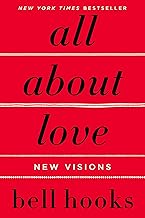
ALL ABOUT LOVE

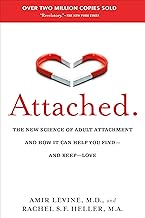
Attached
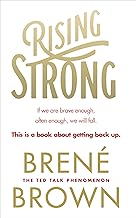
Rising Strong
Disclosure: This post may contain affiliate links. We only recommend products we believe in, and We may receive a commission at no cost to you! Thank you for your support!
Acknowledgement: Cover Image by moneycatzzz.com
Disclaimer: The information is provided for general information only – moneycatzzz.com makes no representations or warranties in relation to the information, including but not limited to any representation or warranty as to the fitness for any particular purpose of the information to the fullest extent permitted by law. While every effort has been made to ensure that the information provided in this article is accurate, reliable, and complete as of the time of writing, the information provided in this article should not be relied upon to make any financial, investment, real estate or legal decisions. Additionally, the information should not substitute advice from a trained professional who can take into account your personal facts and circumstances, and we accept no liability if you use the information to form decisions.