 Reading Time: 8 mins #
 This post may contain affiliate links.
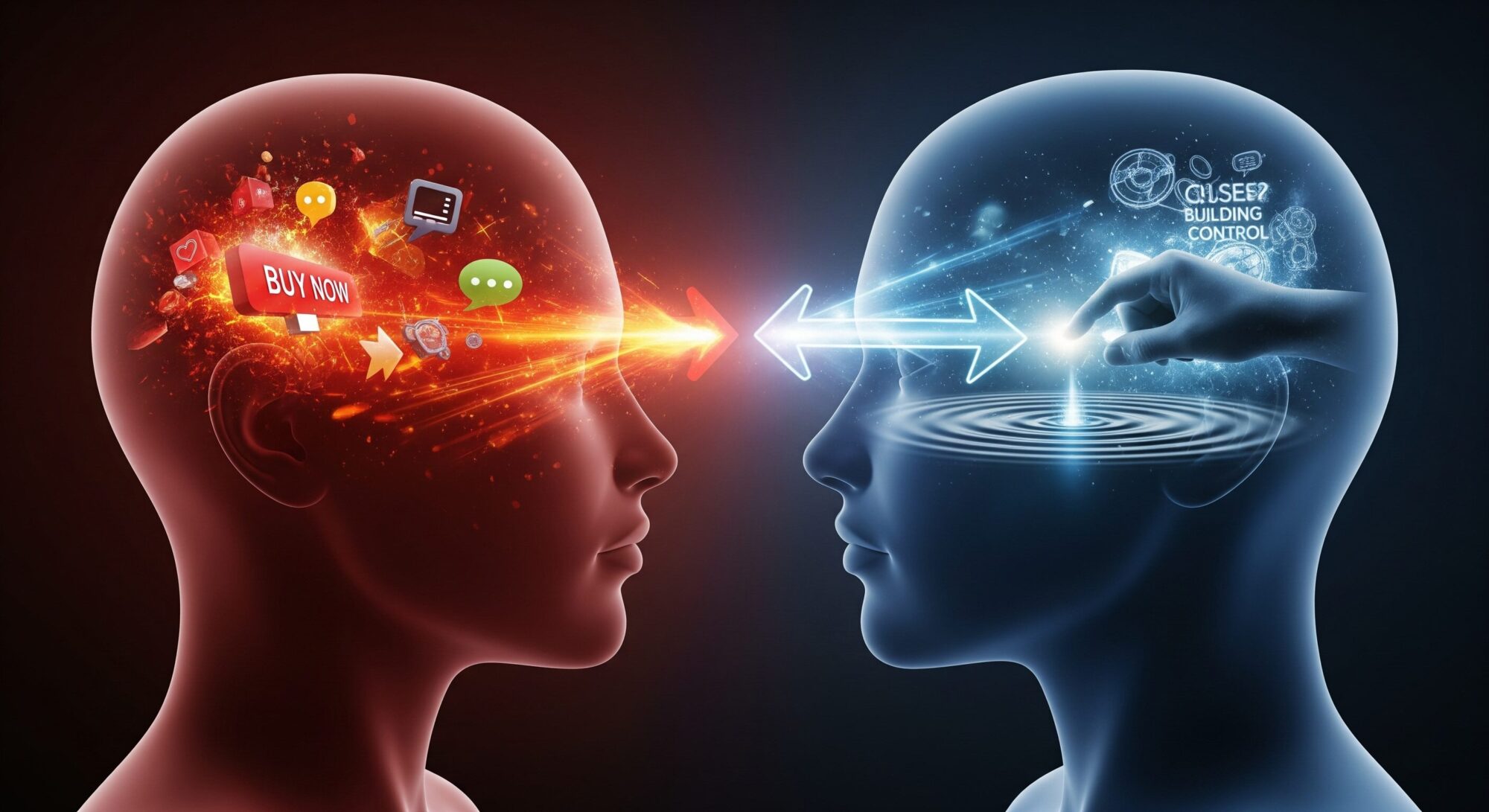
Two clicks, one adrenaline rush, and a package I didn’t need. That 2 a.m. “Buy Now” felt great until morning. You’re not alone if you are acting impulsively with money, emails, or texts. This guide explains impulsive behavior, why your brain is wired for impulsive decisions, and how to build durable impulse control without becoming rigid. The goal isn’t zero spontaneity, it’s smart spontaneity aligned with your values.
What does “acting impulsively” mean?
Acting impulsively is making quick, unplanned choices driven by immediate urges or emotions, with little regard for long‑term consequences. It’s fueled by brain reward systems, present bias, and low impulse control, and it’s trainable.
The APA Dictionary of Psychology describes impulsivity as a tendency to act on a whim, often with diminished foresight or regard for risk. See the APA definition for context:
Healthy spontaneity is aligned with your values, budget, and risk appetite. Impulsive behavior becomes problematic when it’s frequent, high‑stakes, or misaligned with who you want to be.
Why we act impulsively (brain, bias, and environment)
The brain tug‑of‑war: limbic reactivity vs. prefrontal control
In hot, emotional states, the limbic system can trigger an amygdala hijack, narrowing attention to immediate relief. Cooler, reflective control from the prefrontal cortex comes online a beat later. This mismatch explains “I knew better, but…” For clinical context (e.g., ADHD‑related impulsivity), see NIMH:
Variable rewards and dopamine
Notifications, flash sales, and “one‑click buy” leverage variable rewards intermittent hits that spike dopamine and strengthen habits. The APA’s overview of reward learning explains why impulsive decisions can feel so compelling:
- Present bias and delay discounting make immediate rewards feel larger than delayed ones, even when the reward is better.
- The hot–cold empathy gap (Loewenstein): we mispredict our choices in a hot state when we’re calm, and vice versa.
State matters: sleep, stress, and substances
Low sleep, high stress, or alcohol reduces impulse control. Guarding sleep improves executive function and curbs acting impulsively:
- CDC sleep hygiene
A note on when to seek help
If impulsive behavior is chronic or dangerous, or you suspect ADHD, bipolar mania, or substance use issues; consult a clinician (NIMH resource above). This article is educational, not medical advice.
The real cost of impulsive decisions
- Money: impulsive buying, high‑fee subscriptions, speculative trades that don’t fit your plan.
- Work: firing off angry emails, making public comments you regret, or quitting in a spike of emotion are career brand hits that are hard to undo.
- Relationships: texts you can’t unsend, boundary breaches, and avoidable conflict.
- Energy: poor sleep follows hot‑state choices, fueling next‑day decision fatigue and more impulsive decisions.
You might also like:
Disengage Without Detaching: How to Reclaim Mental Clarity and Emotional Freedom
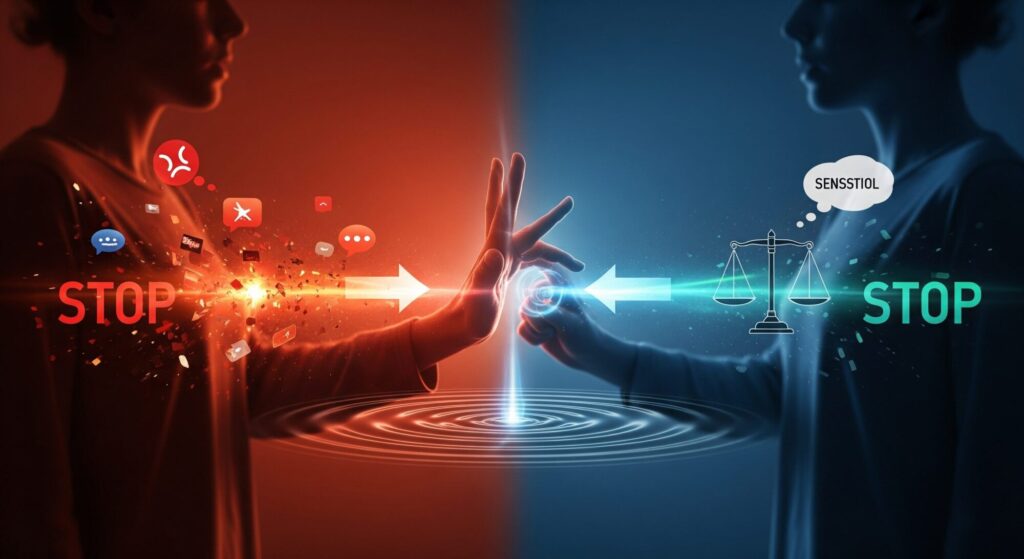
[“The Inner Tug-of-War” – Image by AI]
How to stop acting impulsively (toolkit you’ll actually use)
These tools pair neuroscience with behavior design. They’re small, practical, and reversible.
The 60‑Second STOP
- Stop
- Take a breath (3 slow exhales)
- Observe: body (heat, tension), emotion, thought (“I must buy now“)
- Proceed by value: what action honors your value (e.g., savings, respect)?
- Mindfulness reduces hot‑state reactivity (NHS guide):
- NHS mindfulness basics
If–Then plans
Write tiny implementation intentions to reroute urges:
- “If I see ‘Buy Now,’ I add to a 24‑hour list.”
- “If my chest heats up, then I run STOP and wait 10 minutes.”
- This tactic appears across habit research and popular summaries.
Precommitment and friction (Ulysses contracts)
Beat present bias by adding friction before hot moments:
- Remove one‑click pay and saved cards.
- Unsubscribe from promos; mute sale push alerts.
- Install site/app blockers during vulnerable hours.
- You’re not weak; the environment is strong. Change the environment.
Cooling‑off windows (money, work, relationships)
- Money: 24‑hour hold for carts > $50; 72 hours for carts> $250; store in a “Wish List.”
- Work: “Draft, don’t send“ rule for heated emails; re‑read after focus time.
- Relationships: Write the message in Notes; send it after a walk.
Cooling‑off periods shrink the hot–cold empathy gap.
Urge surfing (DBT/ACT)
Notice the urge rise–peak–fall like a wave; ride it for 90 seconds without acting. This builds emotional regulation without suppression:
- Urge surfing primer
Thought records (CBT)
Test urges and stories with a CBT thought record:
- Situation → automatic thought → evidence for/against → balanced alternative → next step.
- Free worksheets (CCI WA)
- CBT reduces cognitive distortions that fuel impulsive behavior.
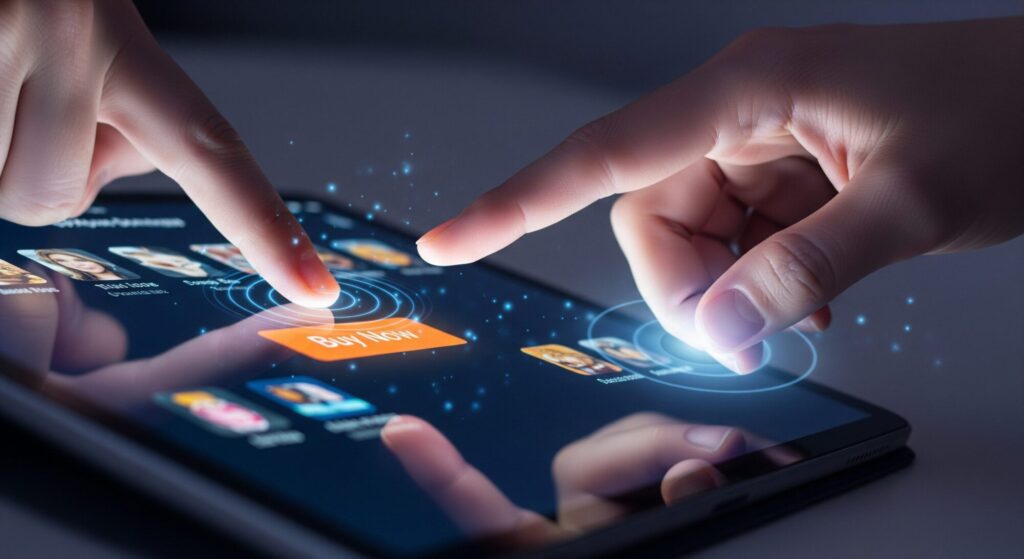
[“The Paused Hand” – Image by Nano Banana]
OODA loop for speed without damage
Use the OODA loop (Observe → Orient → Decide → Act) with tiny, reversible steps; loop quickly as feedback arrives:
- OODA explainer (Farnam Street)
- Great for fast contexts—lets you move without reckless leaps.
Environment and state management
- Sleep window, protein‑forward breakfast, 10‑minute walk at 2 p.m.
- Two 50‑minute single‑task blocks reduce decision fatigue and reactivity (see “Deep Work”).
Quick check: healthy spontaneity vs. harmful impulsivity
| Aspect | Healthy spontaneity | Harmful impulsivity |
|---|---|---|
| Alignment | Values‑aligned, within goals | Misaligned with values, reactive |
| Stakes | Low stakes, reversible | High stakes, hard to reverse |
| State | Calm or lightly excited | Hot emotion, stress, substances |
| Process | A small pause or check | No pause, act to relieve tension |
| Aftermath | Energy, satisfaction | Regret, cleanup, trust damage |
FAQ: Acting Impulsively
Is acting impulsively always bad?
No. Spontaneity is healthy when it's values‑aligned, budget‑friendly, and reversible. Problems arise with high‑stakes, hot‑state choices that repeatedly cause harm.
What causes impulsive behavior?
Limbic reactivity, present bias, stress, low sleep, substances, and conditions like ADHD can increase impulsivity (see NIMH). Environments that enable one‑click actions and variable rewards also nudge impulsive decisions.
How do I stop impulsive buying?
Add friction (remove saved cards), set cooling‑off windows (24–72 hours), unsubscribe from promos, and track three “didn’t buy“ wins weekly. Use urge surfing when the spike hits.
What’s one rule that helps at work?
“Draft, don’t send“ for heated messages + a 60‑second STOP before you reply. Get a second set of eyes or use the OODA loop with small, reversible steps for big stakes.
When should I seek help?
If impulsive behavior is chronic, dangerous, or tied to mood swings, gambling, or substance use, talk to a clinician (NIMH). Skills help, but a medical evaluation may be necessary.
Final Thoughts: Train the pause, keep the spark
You don’t have to choose between being decisive and being safe. Take a tiny pause, build impulse control into your environment, and let your values steer your speed. Most regret comes from hot‑state choices you can’t unwind. Most wins come from small, mindful steps you can repeat.
Keep the spark — ditch the scorch.
Books to Dig Deeper
Thinking, Fast and Slow

The Marshmallow Test
Atomic Habits
Disclosure: This post may contain affiliate links. We only recommend products we believe in, and We may receive a commission at no cost to you! Thank you for your support!
Acknowledgement: Cover Image by moneycatzzz.com
Disclaimer: The information is provided for general information only – moneycatzzz.com makes no representations or warranties in relation to the information, including but not limited to any representation or warranty as to the fitness for any particular purpose of the information to the fullest extent permitted by law. While every effort has been made to ensure that the information provided in this article is accurate, reliable, and complete as of the time of writing, the information provided in this article should not be relied upon to make any financial, investment, real estate or legal decisions. Additionally, the information should not substitute advice from a trained professional who can take into account your personal facts and circumstances, and we accept no liability if you use the information to form decisions.