 Reading Time: 8 mins #
 This post may contain affiliate links.
The Abilene Paradox, a term coined by management consultant Jerry B. Harvey, describes a counterintuitive phenomenon where a group collectively decides on a course of action that is contrary to the preferences of most or all its members. It’s akin to a group of people, comfortably ensconced in an air-conditioned room on a sweltering day, embarking on a long, uncomfortable drive to Abilene simply because they believe everyone else desires to go.
This paradox, a silent assassin lurking in the shadows of countless organizations, stifles innovation and hinders progress. The insidious force drives teams towards strategies they don’t believe in, products that don’t resonate with customers, and decisions that ultimately lead to failure.
“We conform because we fear isolation.” – Irving Janis.
The High Cost of Conformity
The consequences of the Abilene Paradox are far-reaching. When teams succumb to the illusion of consensus, they risk:
- Missed opportunities: Stifled innovation and stagnation.
- Decreased morale: Disengaged and demotivated employees.
- Eroded trust: Compromised honesty and authenticity among team members.
- Financial losses: Detrimental impacts on the bottom line.
In essence, the Abilene Paradox is a costly mistake with far-reaching repercussions.
The Psychology Behind the Paradox
Why do we succumb to the Abilene Paradox? The answer lies in a complex interplay of psychological factors:
- Fear of conflict: A desire to maintain group harmony overrides individual opinions.
- Desire for social approval: The need to fit in and be liked can lead to conformity.
- Assumption of consensus: The mistaken belief that everyone else agrees with the proposed course of action.
- Pluralistic ignorance: The assumption that others’ outward behavior reflects their inner thoughts, even when it doesn’t.
These factors create a perfect storm, where individuals suppress true feelings and align with the crowd, even at the expense of personal preferences. In his seminal work Groupthink, Irving Janis delves deeper into this psychological phenomenon, exploring how group dynamics can lead to flawed decision-making.

Irving Janis: The Father of Groupthink
Irving Janis was a prominent American psychologist renowned for his groundbreaking work on Groupthink. His seminal book Victims of Groupthink: A Psychological Study of Foreign-Policy Decisions and Fiascoes delved deep into the psychological mechanisms that lead groups to make disastrous decisions.
Janis’ research on the Bay of Pigs Invasion and the Cuban Missile Crisis highlighted the dangers of Groupthink and its far-reaching consequences. His work laid the foundation for understanding the Abilene Paradox and has been instrumental in shaping organizational behavior and decision-making theories.
Understanding the psychological underpinnings of the Abilene Paradox is crucial for developing effective countermeasures.

[“Conformity or Ignorance?” – Image by fauxels]
Breaking Free from the Abilene Trap
Overcoming the Abilene Paradox requires a concerted effort to foster a culture of open communication, psychological safety, and critical thinking. Strategies include:
- Encouraging dissent: Create a safe space for team members to express their opinions without fear of retribution.
- Active listening: Pay close attention to both verbal and nonverbal cues.
- Seeking diverse perspectives: Encourage input from people with different backgrounds and experiences.
- Challenging assumptions: Question the status quo and explore alternative options.
- Building trust: Foster a culture of trust and respect among team members.
By implementing these strategies, organizations can create an environment where individuals feel empowered to speak up and challenge the status quo.
The Role of Leadership in Preventing the Abilene Paradox
Leaders are instrumental in preventing the Abilene Paradox. They must:
- Model desired behavior: Demonstrate open-mindedness, curiosity, and a willingness to challenge assumptions.
- Create a psychologically safe environment: Foster a culture where people feel comfortable sharing thoughts and ideas.
- Encourage dissent: Actively seek out opposing viewpoints and create a forum for debate.
- Make evidence-based decisions: Avoid decisions based on gut feelings or Groupthink.
By leading by example, leaders can inspire teams to break free from the Abilene Paradox and make better decisions.
While leadership plays a pivotal role in preventing the Abilene Paradox, technology can be a powerful tool to complement leadership efforts.

[“GroupThink” -Image by rawpixel.com on Freepik]
Leveraging Technology to Combat Groupthink
Technology can be a powerful tool in overcoming the Abilene Paradox. Online collaboration platforms, anonymous feedback tools, and decision-making software can facilitate open communication and help to prevent Groupthink.
Anonymous feedback tools enable employees to share accurate opinions without fear of reprisal. Decision-making software structures the process, ensuring all perspectives are considered.
Case Study: The Challenger Disaster
The Challenger disaster, a tragic event in space exploration, is a prime example of how Groupthink can lead to catastrophic consequences. Despite warnings from engineers about the potential risks posed by low temperatures affecting the O-rings, NASA managers and decision-makers proceeded with the launch, leading to the tragic loss of the crew. This case highlights the dangers of prioritizing public perception and maintaining a united front over critical analysis and decision-making.
Case Study: The Bay of Pigs Invasion
The Bay of Pigs Invasion, a failed military operation aimed at overthrowing Fidel Castro, is another classic example of Groupthink. The Kennedy administration, under pressure to reverse the gains made by communism in the Western Hemisphere, developed a plan based on flawed intelligence and overly optimistic assumptions. The invasion was a complete failure, resulting in a significant political setback for the United States. This case demonstrates the perils of Groupthink within government and the importance of critical evaluation and challenge.
Case Study: The Volkswagen Emissions Scandal
The Volkswagen emissions scandal exposed a culture of deception and disregard for environmental regulations. The company, under pressure to compete in the diesel car market, installed software in its vehicles to cheat emissions tests. This deception was known to several employees but was concealed due to a fear of repercussions and a desire to protect the company’s reputation. The scandal revealed the dangers of a corporate culture prioritizing short-term gains over long-term sustainability and ethical behavior.
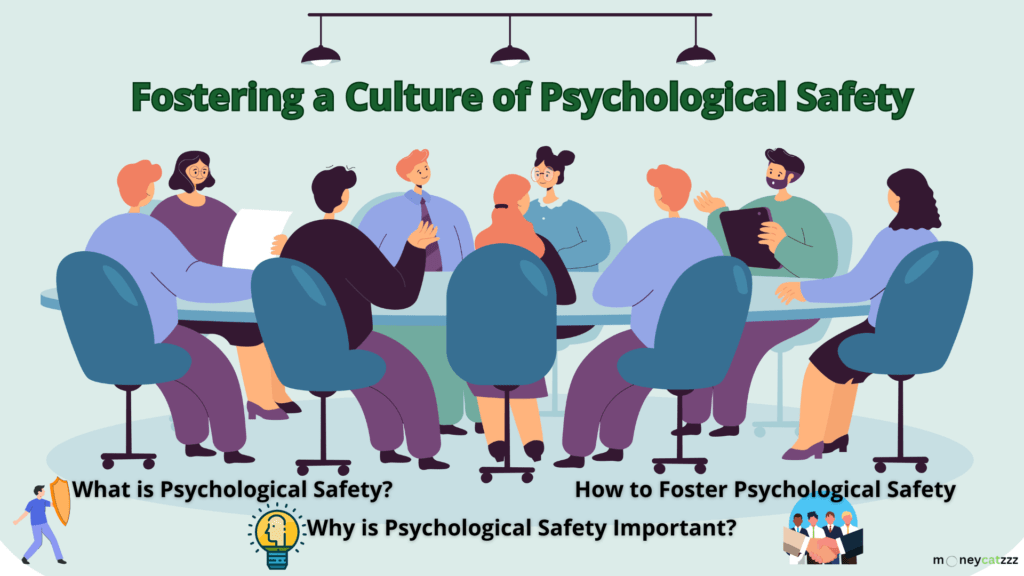
Fostering a Culture of Psychological Safety: Overcoming the Fear of Dissent
A cornerstone in preventing the Abilene Paradox is cultivating a workplace where individuals feel safe to express divergent opinions without fear of repercussions. This is the essence of psychological safety.
Psychological safety is the belief that one will not be punished for speaking up with ideas, questions, concerns, or mistakes. It’s about creating an environment where people feel comfortable being themselves, taking risks, and learning from failures.
To foster psychological safety:
- Lead by example: Demonstrate vulnerability and openness to feedback.
- Active listening: Genuinely listen to team members’ ideas and perspectives.
- Encourage dissent: Normalize disagreement and create a space for healthy debate.
- Celebrate failures: Create a culture where learning from mistakes is encouraged.
- Recognize and reward contributions: Acknowledge and appreciate team members’ efforts.
Organizations can create a fertile ground for innovation, problem-solving, and high performance by prioritizing psychological safety.
[“Fostering a Culture of Psychological Safety” – moneycatzzz.com]
The Power of Questions: Uncovering Hidden Agendas
The art of questioning is a powerful tool to counteract the Abilene Paradox. By asking probing questions, leaders can uncover hidden assumptions, challenge groupthink, and encourage critical thinking.
- Open-ended questions: Invite diverse perspectives and encourage deeper exploration.
- Provocative questions: Challenge the status quo and stimulate new thinking.
- Devil’s advocate questions: Encourage critical evaluation by challenging assumptions.
By incorporating questioning techniques into team discussions, leaders can create a culture of inquiry and prevent the Abilene Paradox from taking hold.
The Power of Mindfulness: Staying Present and Engaged
Mindfulness enhances self-awareness, focus, and empathy and reduces reactivity. By cultivating mindfulness, team members can become more attuned to the subtle cues and unspoken pressures contributing to the Abilene Paradox.
The Impact of Cultural Factors
The Abilene Paradox can manifest differently across cultures. High-power-distance cultures might be more susceptible due to a reluctance to challenge authority. Understanding cultural nuances is crucial in effectively addressing the Abilene Paradox.
Overcoming the Abilene Paradox Through Effective Meeting Management
Effective meeting management is essential in preventing the Abilene Paradox. Leaders can create a more productive and inclusive meeting environment by establishing clear agendas, assigning roles, and encouraging participation. Additionally, using time-management techniques and decision-making frameworks can help focus discussions and prevent Groupthink.
The Abilene Paradox in Remote and Hybrid Work Environments
The rise of remote and hybrid work has introduced new challenges in addressing the Abilene Paradox. With face-to-face interaction, building trust and open communication can be more manageable. To overcome these challenges, organizations must invest in communication tools, virtual team-building activities, and clear expectations for remote collaboration.
The Abilene Paradox and Ethical Decision-Making
The Abilene Paradox can have significant ethical implications. When groups make decisions that are unethical or harmful to others, it is often due to a failure to challenge the status quo or consider alternative perspectives. Organizations must prioritize ethical decision-making and create a culture of openly discussing and addressing ethical concerns.
Measuring the Impact of the Abilene Paradox on Organizational Performance
Assessing the impact of the Abilene Paradox on organizational performance can be challenging, but it is essential for identifying areas for improvement. Key performance indicators (KPIs) such as employee satisfaction, turnover rates, innovation metrics, and financial performance can be used to measure the effects of the paradox.

[“Lemmings Jumping Off Cliffs” – Photo by Valdemaras D.]
A Personal Encounter with the Abilene Paradox
To truly grasp the impact of the Abilene Paradox, it’s essential to recognize its manifestation in real-world scenarios. I once found myself in a professional setting where a similar dynamic unfolded. Our team was on the brink of a groundbreaking project, brimming with innovative ideas. However, a pervasive fear of dissent and a desire for harmony led us down a familiar, albeit less promising, path.
While safe and predictable, we embarked on a project that lacked the spark of innovation that had initially ignited our enthusiasm. Only later, through candid conversations, we realized the extent to which the Abilene Paradox had influenced our decision-making. This experience underscored the importance of fostering a culture where diverse perspectives are valued and challenging the status quo is accepted and encouraged.
I aim to illustrate how the Abilene Paradox can subtly infiltrate even the most promising endeavors by sharing this personal anecdote. Overcoming this challenge requires courage, open-mindedness, and a commitment to fostering a psychologically safe environment.
Breaking Free from the Abilene Paradox
The Abilene Paradox is a pervasive challenge that can hinder progress, stifle innovation, and erode morale. By understanding the psychological underpinnings of this phenomenon and implementing strategies to overcome it, individuals and organizations can create a more productive, fulfilling, and prosperous environment.
To break free from the Abilene Paradox, focus on cultivating a culture of open communication, psychological safety, and critical thinking. Organizations can unlock their full potential and achieve extraordinary results by empowering team members to speak up, challenge the status quo, and make informed decisions.
Remember, overcoming the Abilene Paradox is an ongoing journey. It requires continuous effort, self-awareness, and a commitment to creating a positive and collaborative work environment.
By applying the insights and strategies outlined in this article, you can take the first step towards breaking free from the Abilene Paradox and building a high-performing team.
Are you ready to break free from the Abilene Paradox? The Abilene Paradox can be a formidable challenge, but you can overcome it with the right strategies and mindset. By fostering a culture of open communication, psychological safety, and critical thinking, your team can achieve new heights of collaboration and innovation.
Start your journey today by sharing this article with your team and implementing the strategies outlined. We can create workplaces where everyone feels empowered to contribute and great ideas thrive.

Recommended Reading:
Here are some potential books that are highly relevant to the article:
- “Crucial Decisions“ by Irving Janis: This book delves deep into the psychology of group decision-making and can provide valuable insights into the Abilene Paradox.
- “Quiet: The Power of Introverts in a World That Can’t Stop Talking“ by Susan Cain: While not directly about the Abilene Paradox, this book explores the challenges introverts face in group settings, which can be relevant to understanding the dynamics of the paradox.
- “Crucial Conversations: Tools for Talking When Stakes Are High“ by Kerry Patterson, Joseph Grenny, Ron McMillan, and Al Switzler: This book offers practical guidance on handling difficult conversations, essential for overcoming the Abilene Paradox.
Key takeaways:
- Understanding the Abilene Paradox: Recognizing the psychological underpinnings of the paradox is crucial for identifying and addressing it within organizations.
- The high cost of conformity: The consequences of Groupthink can be detrimental to individuals, teams, and organizations.
- Fostering a culture of psychological safety: Creating an environment where people feel comfortable expressing their opinions is essential for overcoming the Abilene Paradox.
- The role of leadership: Effective leadership is crucial in preventing and addressing Groupthink.
- Leveraging technology: Utilizing technology can facilitate open communication and decision-making.
- Case studies: Real-world examples highlight the devastating impact of the Abilene Paradox.
- Overcoming the paradox: Practical strategies, such as encouraging dissent, active listening, and seeking diverse perspectives, can help individuals and teams break free from Groupthink.
Disclosure: This post may contain affiliate links. We only recommend products we believe in, and We may receive a commission at no cost to you! Thanks for your support!”
Acknowledgement: Cover Image by Unsplash.com
Signup to our Newsletter for regular updates:
Disclaimer: The information is provided for general information only – moneycatzzz.com makes no representations or warranties in relation to the information, including but not limited to any representation or warranty as to the fitness for any particular purpose of the information to the fullest extent permitted by law. While every effort has been made to ensure that the information provided in this article is accurate, reliable, and complete as of the time of writing, the information provided in this article should not be relied upon to make any financial, investment, real estate or legal decisions. Additionally, the information should not substitute advice from a trained professional who can take into account your personal facts and circumstances, and we accept no liability if you use the information to form decisions.