 Reading Time: 8 mins #
 This post may contain affiliate links.
Green Business Startup Guide: The Key Essentails
In the first part of our Green Business Startup Guide, we laid the groundwork for your sustainable business venture. Now, let’s dive deeper into strategies and inspiration to help you turn your eco-friendly vision into a thriving reality in a sector with potential for success.
Why Now is the Perfect Time for a Green Business
The demand for sustainable products and services is higher than ever, making it an opportune moment to establish a business that aligns with profitability and environmental responsibility. Whether you’re launching a zero-waste brand, an eco-conscious service, or a sustainable tech startup, the market is primed for innovation.
“The purpose of life is to live it, to taste experience to the utmost, to reach out eagerly and without fear for newer and richer experience.” – Eleanor Roosevelt.
Marketing Your Green Business: Reaching an Eco-Conscious Audience
- Niche Marketing: Identify your niche in the green market and tailor your marketing strategy accordingly. For example, if you’re selling sustainable fashion, you might focus on eco-conscious millennials or ethical luxury consumers.
- Content Marketing: Create high-quality content like blog posts, articles, and videos to educate your audience and establish your brand as a thought leader. Share stories about your sustainable practices, highlight customer testimonials, and provide valuable tips and advice. For instance, a sustainable fashion brand might create a blog post titled “The Environmental Impact of Fast Fashion: A Guide to Sustainable Shopping.“
- Social Media Marketing: Utilize platforms like Instagram, Pinterest, and TikTok to visually showcase your products or services and engage with your audience. Use relevant hashtags, run eco-friendly campaigns, and collaborate with other sustainable brands.
- Email Marketing: Build an email list and send regular newsletters to keep your audience informed and engaged. Personalize your emails and offer exclusive discounts or promotions to encourage repeat business.
- Influencer Partnerships: Collaborate with eco-influencers who align with your brand values to reach a broader audience. Consider micro-influencers or niche influencers who can connect with your target audience on a deeper level.
- Sustainable Packaging: Invest in eco-friendly packaging materials to reduce your environmental footprint and enhance your brand image. Use recyclable, biodegradable, or compostable packaging whenever possible.
- Ethical Sourcing: Prioritize sustainable sourcing practices and transparent supply chains. Partner with suppliers who share your commitment to ethical and sustainable business practices.
Read Related Articles:
An Entrepreneurial Voyage – Green Business Startup Guide: Essential Guide for Eco-Entrepreneurs (P1)
James Clear’s Atomic Habits: Effortless Change for Lasting Results
Rooted in Resilience: How We Grow Stronger Through Life’s Storms
The Pomodoro Powerhouse: Your Recipe for Success
Mastering the Goal Horizon: Balancing Short-Term Wins and Long-Term Success
Building a Green Team: Hiring and Retaining Eco-Conscious Talent
- Culture of Sustainability: Foster a company culture that prioritizes environmental responsibility and social impact. Encourage open communication, employee engagement, and a shared vision for a sustainable future.
- Recruiting Eco-Minded Employees: Seek candidates who share your passion for sustainability and align with your company’s values. Utilize social media, job boards, and employee referrals to attract top talent.
- Training and Development: Train your team on sustainability practices, green technologies, and ethical business practices. Offer opportunities for professional development and encourage continuous learning.
- Employee Benefits and Incentives: Offer eco-friendly benefits like flexible work arrangements, wellness programs, and volunteering opportunities. Recognize and reward employees for their contributions to sustainability initiatives.
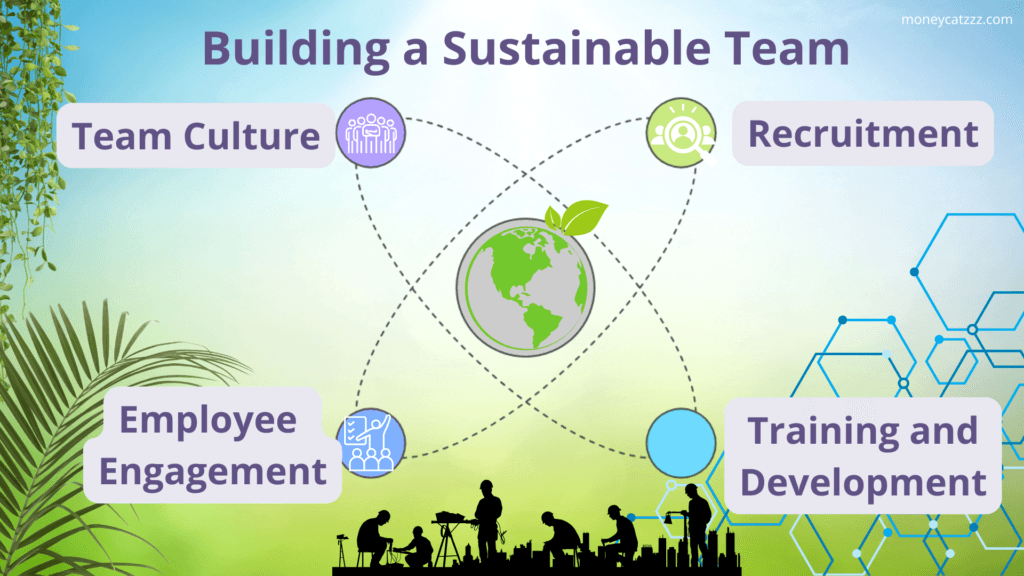
[“Building a Green Team” – moneycatzzz.com]
Green Innovation: Staying Ahead of the Curve
- Sustainable Product Design: Design products focusing on eco-friendly materials, energy efficiency, and longevity. Consider the entire product lifecycle, from sourcing to disposal, to minimize environmental impact.
- Reverse Logistics: Implement efficient reverse logistics systems to collect and recycle used products. Offer take-back programs, repair services, and recycling initiatives.
- Life Cycle Assessment (LCA): Conduct LCAs to evaluate the environmental impact of your products throughout their entire lifecycle. Use this information to identify areas for improvement and reduce your carbon footprint.
- Innovation Partnerships: Collaborate with research institutions, startups, and other businesses to drive innovation in sustainable technologies.
- Circular Economy Principles: Embrace circular economy principles by designing products for reuse, repair, and recycling. Minimize waste and maximize resource efficiency.

Measuring Your Green Impact: Tracking and Reporting
- Key Performance Indicators (KPIs): Develop a robust set of KPIs to track your sustainability performance, such as carbon footprint, waste reduction, energy efficiency, water usage, and social impact.
- Sustainability Reporting: Prepare annual sustainability reports to communicate your environmental and social impact to stakeholders. Use clear and concise language, and highlight your achievements and future goals.
- Third-Party Verification: Consider obtaining certifications like B Corp or Fairtrade to validate your sustainability claims. Third-party verification can enhance your brand reputation and attract eco-conscious consumers.
Inspiring the Next Generation of Ecopreneurs
We can create a ripple effect of positive change by inspiring and empowering the next generation of eco-entrepreneurs. Let’s work together to build a more sustainable future.
- Mentorship and Coaching: Offer mentorship and guidance to aspiring green entrepreneurs. Please share your knowledge and experience to help them succeed.
- Educational Initiatives: Collaborate with schools and universities to promote sustainability education. Organize workshops, seminars, and guest lectures to inspire young people to pursue careers in sustainability.
- Community Engagement: Participate in local community initiatives and volunteer programs—partner with other organizations to address environmental and social issues.
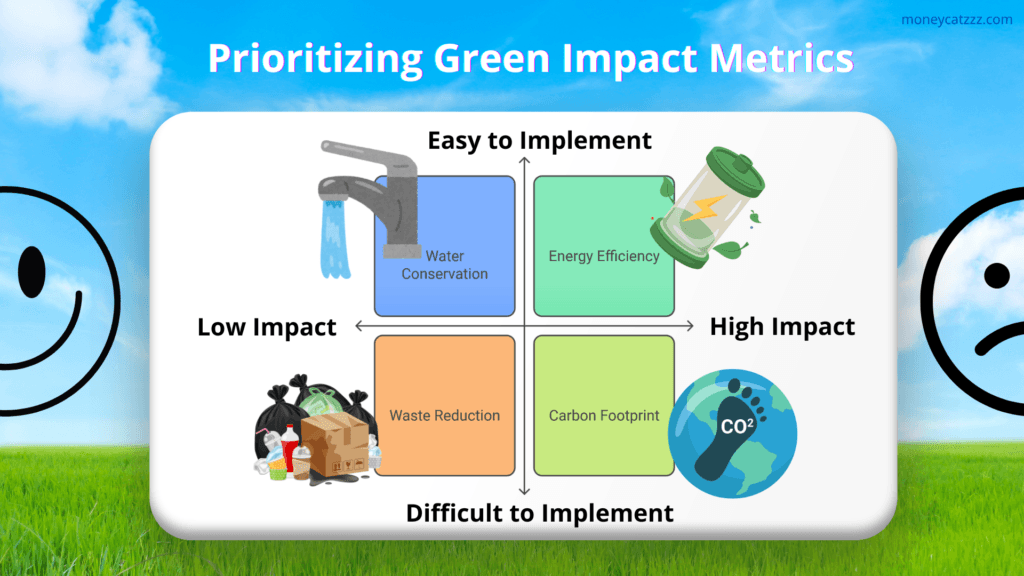
[“Measuring Your Green Impact” – moneycatzzz.com]
Real-World Examples of Successful Green Businesses
To inspire your eco-entrepreneurial journey, let’s explore some real-world examples of businesses that have successfully integrated sustainability into their models. These businesses have not only achieved financial success but have also made a significant positive impact on the environment and society. Let’s delve into their strategies, challenges, and achievements to inspire your green venture.
1. Patagonia: The Pioneer of Sustainable Fashion
Patagonia is a renowned outdoor clothing brand that has consistently pushed the boundaries of sustainable fashion. They use organic cotton, recycled polyester, and other eco-friendly materials in their products. Additionally, they have implemented a robust repair program to extend the life of their garments.
2. Allbirds: Comfort and Sustainability
Allbirds has disrupted the footwear industry with its commitment to sustainable materials and ethical production practices. Their shoes are made from natural materials like merino wool and eucalyptus fiber, and they prioritize transparency in their supply chain.
3. Tesla: Electrifying the Future
Tesla has revolutionized the automotive industry by producing electric vehicles and promoting sustainable energy solutions. Their innovative approach to electric cars and energy storage systems has significantly reduced carbon emissions.
4. Seventh Generation: Cleaning Up the Planet
Seventh Generation is a leading brand of natural and non-toxic cleaning products. They prioritize environmental and social responsibility in their product development and sourcing practices.
Studying these examples gives you valuable insights into successful sustainable business models. You can learn from their strategies, challenges, and achievements to inspire your green venture. From Patagonia’s pioneering approach to sustainable fashion to Tesla’s innovative solutions for reducing carbon emissions, these businesses have set a high standard for sustainability in their respective industries.
Remember, the key to building a thriving green business is integrating sustainability into every aspect of your operations, from product design to marketing and supply chain management.

Inspiring Your Green Journey: A Final Word
As you embark on your eco-entrepreneurial journey, remember that sustainability is not just a trend; it’s a necessity. By aligning your business practices with environmental and social values, you can positively impact the planet and inspire others to follow suit.
Here are some final recommendations to guide you:
- Stay Informed: Keep up-to-date with the latest trends and innovations in sustainable business practices, empowering yourself with knowledge to make informed decisions.
- Network with Like-Minded Individuals: Connect with other eco-entrepreneurs, industry experts, and environmental organizations to share knowledge and collaborate on projects, fostering a sense of community and shared purpose.
- Embrace Continuous Improvement: Regularly assess your business’s environmental and social impact and identify areas for improvement.
- Celebrate Your Successes: Acknowledge your achievements, no matter how small. Celebrate milestones and share your successes with others.
- Inspire Future Generations: Mentor young entrepreneurs and encourage them to pursue sustainable careers.
By following these recommendations and strategies and staying true to your eco-friendly mission, you can build a thriving business that positively impacts the world.
Remember, the journey towards a greener future starts with small steps. Let’s work together to create a more sustainable planet for future generations.
Read Related Articles:
An Entrepreneurial Voyage – Green Business Startup Guide: Essential Guide for Eco-Entrepreneurs (P1)
James Clear’s Atomic Habits: Effortless Change for Lasting Results
Rooted in Resilience: How We Grow Stronger Through Life’s Storms
The Pomodoro Powerhouse: Your Recipe for Success
Mastering the Goal Horizon: Balancing Short-Term Wins and Long-Term Success
Disclosure: This post may contain affiliate links. We only recommend products we believe in, and We may receive a commission at no cost to you! Thank you for your support!
Acknowledgement: Cover Photo by Denys Argyriou on Unsplash
Signup to our Newsletter for regular updates:
Disclaimer: The information is provided for general information only – moneycatzzz.com makes no representations or warranties in relation to the information, including but not limited to any representation or warranty as to the fitness for any particular purpose of the information to the fullest extent permitted by law. While every effort has been made to ensure that the information provided in this article is accurate, reliable, and complete as of the time of writing, the information provided in this article should not be relied upon to make any financial, investment, real estate or legal decisions. Additionally, the information should not substitute advice from a trained professional who can take into account your personal facts and circumstances, and we accept no liability if you use the information to form decisions.