
 Reading Time: 8 mins #
 This post may contain affiliate links.
In the age-old art of building resilience, imagine the strength of an oak tree, its resilience evident in every ring of its trunk. The story of the Sevenoaks Oaks—where the King Oak stood firm during the Great Storm of 1987—perfectly illustrates the art of building resilience. This article explores how we can develop that unwavering fortitude to overcome life’s trials. How can we build resilience and establish a robust inner foundation, much like the deep roots of the King Oak? We’ll reveal actionable techniques, including fostering a growth mindset and developing effective coping strategies, to help you navigate life’s inevitable storms and thrive.
From Metaphor to Mastery: Understanding Human Resilience
The story of the Sevenoaks Oaks serves as a powerful metaphor for human resilience. Just as the lone oak weathered the storm, we too have the ability to bounce back from adversity, grow from challenges, and thrive in the face of hardship. This article delves into resilience, offering practical strategies and inspirational examples to help you cultivate your inner strength. Just as the lone oak of Sevenoaks weathered the storm, we too can develop a robust root system, both symbolic and practical, to navigate life’s inevitable downpours. By embracing a growth mindset, developing healthy coping mechanisms, and nurturing a supportive network, you can weather the storms of life with grace and emerge stronger on the other side.
“The oak fought the wind and was broken, the willow bent when it must and survived.” – Proverb.
Adversity is Universal: Growing Stronger Through Resilience
Just as a mighty oak strengthens its root system in response to harsh winds, so can we cultivate inner strength to navigate life’s inevitable challenges. Statistics show that 76% of adults in the United States experience at least one significant stressor in a given year (American Psychological Association, 2023), highlighting the universality of adversity. Resilience isn’t an innate trait. Storms make trees take deeper roots. This article equips you with powerful strategies, drawing inspiration from timeless wisdom and success stories, to build deep roots of resilience and flourish in the face of life’s storms.

[Picture Courtesy of Sevenoaks Primary Care Network]
Building Your Resilience Toolkit
Resilience, in its essence, is the ability to bounce back from setbacks, adapt to change, and grow from adversity. It’s about developing the mental fortitude to navigate life’s inevitable challenges without succumbing to despair. Nelson Mandela, who endured 27 years in prison for his activism against apartheid in South Africa. Despite the immense hardship, his spirit remained unbroken. He used his time in confinement to cultivate resilience, study law, maintain hope, and foster unity among his fellow prisoners. His unwavering commitment to justice ultimately led to South Africa’s liberation, demonstrating the power of resilience in the face of seemingly insurmountable oppression.
Throughout history, countless individuals and communities have embodied this spirit, offering timeless lessons for us today. The story of the Jewish people exemplifies this unwavering resolve. They have faced relentless persecution and expulsion yet consistently persevered, maintaining their cultural identity and faith. This unwavering resilience is evident in their ability to rebuild after countless tragedies, epitomized by the Exodus from Egypt and the re-establishment of the State of Israel as written by Morris N. Kertzer in What is a Jew?. Their story teaches us the importance of solid cultural roots and unwavering faith in times of crisis.

The Metaphorical Storm: Unveiling Life’s Challenges
Challenges come in many forms. They can be personal setbacks like job loss, relationship struggles, or health problems. They can be professional hurdles like career changes, demanding projects, or workplace conflicts. Socially, we face discrimination, economic hardship, or political instability. While these challenges can feel overwhelming, they are inevitable aspects of the human experience.
The Great Depression of the 1930s is a stark reminder of the challenges societies face. The United States was ravaged by economic collapse, plunging millions into poverty and despair. Yet, the American spirit of resilience prevailed. Communities rallied together, forming soup kitchens and supporting one another. The New Deal programs implemented by Franklin D. Roosevelt provided vital economic stimulus, demonstrating the power of collective action and government intervention during hard times. This period serves as a reminder of human resourcefulness and the ability to overcome immense economic challenges through concerted effort.

[“The Metaphorical Storm” – Photo by Johannes Plenio]
Building Your Root System: Strategies for Cultivating Resilience
By applying these strategies consistently, you can build your inner strength.
Here are some key strategies to build your deep root system and weather life’s storms:
1. Embracing a Growth Mindset:
Carol Dweck, in her seminal book “Mindset: The New Psychology of Success” differentiates between a fixed mindset and a growth mindset. A fixed mindset views intelligence and abilities as fixed traits. Conversely, a growth mindset believes these qualities can be developed through effort and learning. Embracing a growth mindset allows you to see challenges as opportunities for learning and growth, fostering resilience in the face of setbacks.
2. The Power of Self-Compassion:
Kristin Neff, in her book “Self-Compassion: The Proven Power of Being Kind to Yourself“, emphasizes the importance of self-compassion in building resilience. When faced with challenges, we often engage in self-criticism, which can hinder our ability to learn and grow. On the other hand, self-compassion involves treating ourselves with kindness and understanding and acknowledging our struggles while maintaining self-belief. This allows us to bounce back from setbacks with greater resilience.

[“Strategies for Cultivating Resilience” – moneycatzzz.com]
3. Developing Grit and Determination:
Angela Duckworth, in her book “Grit: The Power of Passion and Perseverance“, introduces the concept of grit – the ability to persevere despite setbacks and maintain long-term goals. Building grit strengthens your resilience muscles, allowing you to dig deeper and keep pushing forward when faced with challenges.
Here are some ways to cultivate grit:
- Set SMART goals: Specific, Measurable, Achievable, Relevant, and Time-bound goals provide a clear direction and a sense of accomplishment as you progress.
- Develop a passion for your pursuits: When genuinely passionate about something, you’re likelier to stick with it through difficulties.
- Celebrate small wins: Acknowledge your progress, no matter how small. This keeps you motivated and reinforces positive reinforcement.
- Embrace challenges as opportunities to learn: View setbacks as stepping stones, opportunities to learn and improve your skills.
4. Building a Strong Support System:
Brené Brown, in her book “Daring Greatly: How the Courage to Be Vulnerable Transforms the Way We Live, Love, Parent, and Lead“, explores the importance of vulnerability and connection in building resilience.
Surrounding yourself with a supportive network of family, friends, mentors, or colleagues can provide invaluable strength during challenging times. A robust support system offers encouragement, a safe space to share your struggles, and practical assistance when needed. Consider joining a support group or finding a mentor for additional support.
Weathering the Storm: Tools for Navigating Challenges
Even with a robust root system, challenges can feel overwhelming. Here are some tools to help you navigate life’s storms:
1. Harnessing the Power of Positive Psychology:
Positive psychology focuses on the strengths and positive aspects of human experience. Martin Seligman, in his book “Learned Optimism: How to Change Your Mind and Your Life“, explores the concept of learned optimism – the ability to develop a more hopeful and positive outlook. Optimism fosters resilience by enabling you to focus on solutions, maintain motivation, and persevere despite setbacks.
Here are some ways to cultivate optimism:
- Practice gratitude: Take time each day to appreciate the good things in your life, no matter how small.
- Focus on the positive aspects of challenges: Even tricky situations can offer opportunities for growth and learning.
- Visualize success: Imagine yourself successfully overcoming the challenge and achieving your goals.
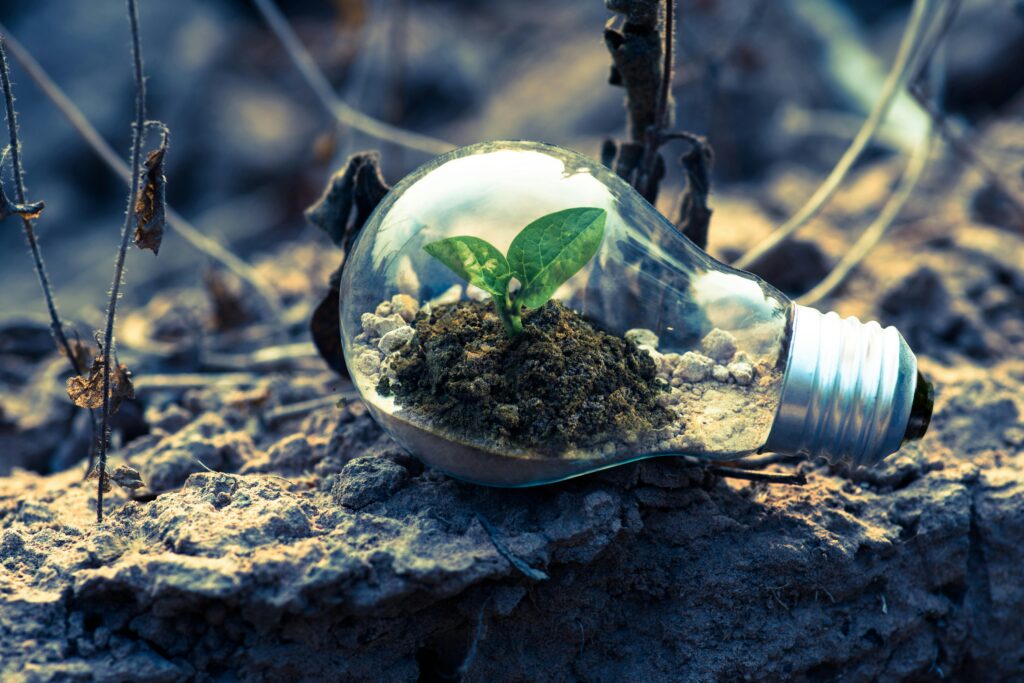
[“Cultivate a Growth Mindset” – Photo by Singkham]
2. Developing Healthy Coping Mechanisms:
Healthy coping mechanisms are essential for managing stress and emotional distress during challenging times. These strategies help you process difficult emotions constructively and prevent them from overwhelming you.
Here are some examples of healthy coping mechanisms:
- Exercise: Physical activity is a great way to reduce stress and improve your mood.
- Mindfulness and relaxation techniques: Meditation and deep breathing can help you manage stress and calm your mind.
- Creative expression: Engaging in creative activities like journaling, art, or music can be a healthy outlet for your emotions.
- Seeking professional help: Don’t hesitate to seek professional help from a therapist or counselor if you’re struggling to cope with challenges independently.
Finding Strength in the Scars: The Growth Mindset of Successful People
History is filled with examples of individuals who triumphed over adversity, their resilience paving the way for success. Consider the strength of indigenous peoples around the world. Throughout history, they have faced dispossession, cultural assimilation, and various forms of oppression. Despite these challenges, they have shown remarkable resilience by holding onto their traditions, languages, and spiritual practices. Taiaiake Alfred wrote on their enduring spirit in their ongoing struggles for land rights and cultural recognition in Peace, Power, Righteousness: Indigenous & Critical Interventions in Justice.
These individuals’ stories highlight the power of a growth mindset. They viewed challenges not as insurmountable obstacles but as opportunities for learning and growth. By cultivating a growth mindset, we can transform our struggles into stepping stones on our journey to success.

Sevenoaks Oaks: A Story of Shared Resilience
Before the storm, the oaks were a central gathering point, fostering a sense of shared identity. Their loss plunged the community into collective grief. However, this shared experience ignited a spirit of healing and unity. Memorials allowed residents to express their emotions and connect over their loss.
The remaining King Oak became a powerful symbol. Its survival in the face of the storm inspired residents to overcome their challenges. Protecting King Oak became a community effort, fostering a sense of shared responsibility.
The storm also served as a wake-up call for environmental awareness. Local organizations used this opportunity to educate residents about sustainability. This shared goal of protecting the environment further strengthened community bonds.
Sevenoaks’ story exemplifies the power of resilience in the face of adversity. Shared loss catalyzed unity, collective action, and a renewed appreciation for their arboreal symbol. The King Oak remains a testament to the community’s strength and a reminder of the importance of working together for a more sustainable future.

[“Come out Stronger” – Image by Daniel Reche from Pixabay]
Cultivating a Life of Unwavering Resilience
Building resilience is a lifelong journey. There will always be challenges, but you can navigate them by nurturing your inner strength and developing effective coping mechanisms with grace and resilience. Remember, the storms that life throws your way can strengthen your root system, making you more resilient and adaptable in the future.
Here are some key takeaways to cultivate a life of unwavering resilience:
- Embrace a growth mindset: View challenges as opportunities to learn and grow, fostering resilience in the face of setbacks.
- Practice self-compassion: Treat yourself with kindness and understanding, acknowledging your struggles while maintaining self-belief.
- Develop grit and determination: Persevere despite setbacks and maintain long-term goals.
- Build a robust support system: Surround yourself with a network of supportive individuals who offer encouragement and assistance.
- Harness the power of positive psychology: Develop a hopeful and positive outlook to maintain motivation and persevere through challenges.
- Develop healthy coping mechanisms: Utilize strategies like exercise, mindfulness, or creative expression to manage stress and emotional distress.
- Learn from the stories of resilient individuals: Draw inspiration from those who have overcome adversity and transformed their struggles into stepping stones for success.
By incorporating these strategies into your life, you can cultivate a deep well of resilience, allowing you to weather life’s storms with confidence and emerge stronger on the other side. Remember, the journey of building resilience is ongoing. Celebrate your progress, learn from setbacks, and never give up on your ability to thrive, even amidst life’s inevitable challenges.
Disclosure: This post may contain affiliate links. We only recommend products we believe in, and We may receive a commission at no cost to you! Thanks for your support!”
Acknowledgement: Cover Image by Freepiks.com
Signup to our Newsletter for regular updates:
Disclaimer: The information is provided for general information only – moneycatzzz.com makes no representations or warranties in relation to the information, including but not limited to any representation or warranty as to the fitness for any particular purpose of the information to the fullest extent permitted by law. While every effort has been made to ensure that the information provided in this article is accurate, reliable, and complete as of the time of writing, the information provided in this article should not be relied upon to make any financial, investment, real estate or legal decisions. Additionally, the information should not substitute advice from a trained professional who can take into account your personal facts and circumstances, and we accept no liability if you use the information to form decisions.