
debt cover

The Debt of Living: What We Owe the People Who Made Us

imagesReading Time: 8 mins #

disclosure line icon vector This post may contain affiliate links.

“The hardest part about emotional debt isn’t the weight of what you’ve been given; it’s realizing how long you walked around without ever looking back to say thank you.“

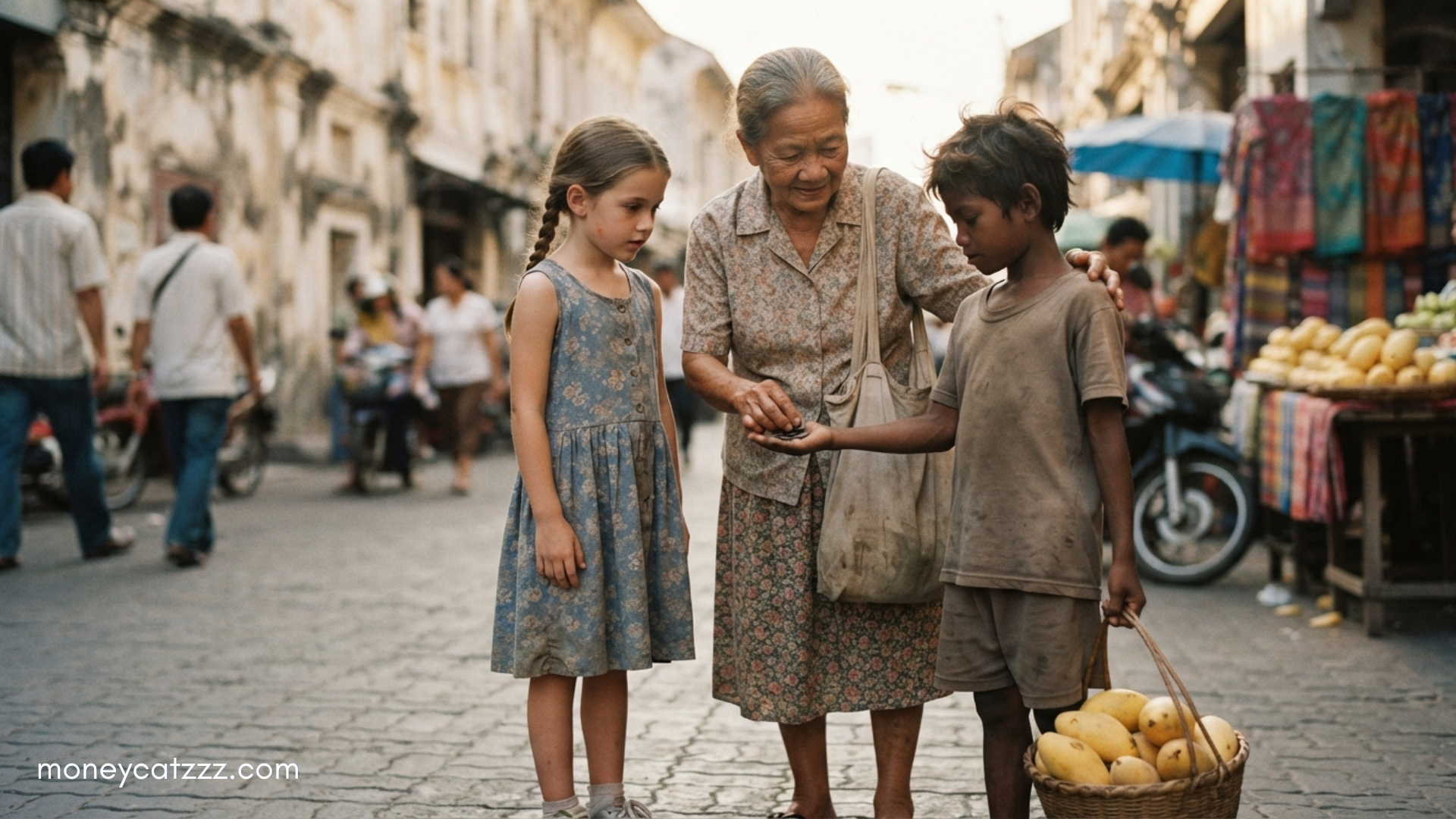
My grandmother handed a fistful of coins to a boy selling mangoes by the road.


I was seven. We were in a country I don’t remember the name of; somewhere hot, somewhere the dust settled on your skin like a second layer. The boy couldn’t have been older than ten. His shirt was torn at the collar. His eyes were older than his face.


My grandmother didn’t ask the price. She didn’t take a mango. She just pressed the coins into his palm and kept walking.


I caught up to her. “Why did you do that?“


She didn’t slow down. She didn’t look at me. She just said: “Because I can.“


That was it. No long lecture or heavy lesson waiting to be unpacked. Just a fistful of coins and a sentence I’d carry for thirty years.

I missed the point entirely back then. I thought generosity and simple kindness were all to it, making her look like someone who just gave things away without ever looking back.


She was.


But she was also doing something I couldn’t see: she was paying a debt.


I am not referring to the kind that shows up on your credit report or debt that can be measured in dollars or cents. The other kind. The kind that accrues in silence, in the space between what you’ve received and what you’ve given. The kind that doesn’t ask for repayment, because it only asks for acknowledgment.


She was paying forward what she’d received. And she never told me what that was.

Years later, I found a photograph in a box marked Grandmother Misc. It was tucked between a recipe card and a dried flower, taken sometime in the 1950s. My grandmother looked young there, maybe twenty-five, standing in front of an unfamiliar house and holding a baby who might have been my mother. Her face was tired, and her dress was simple; the kind worn out of necessity rather than choice.


I stared at the photograph for a long time.


I’d known my grandmother as the woman who gave coins to strangers. The woman who always had something to offer: food, shelter, kindness, a place to sit when you had nowhere else to go. I’d never asked where she learned to be that person.


I’d never asked who gave to her.

Paying Kindness Forward
[The Full Circle: Continuing the Chain of Care | moneycatzzz.com]

I called my mother that night. I told her about the photograph. I asked her about the house in the background.


She was quiet for a moment. Then she said, “That was the house we lived in when I was a baby. We didn’t have much. Your grandmother used to walk five miles to the market because she couldn’t afford the bus. She’d come home with food for the week, and she’d split it with the neighbors who had less.”


I said, “She never told me that.”


My mother said, “She never told anyone. She didn’t think it was worth mentioning.“

She didn’t think it was worth mentioning. She’d walked five miles, she’d split her food, she’d given what she couldn’t afford, and she’d never told a soul. Because to her, it wasn’t generosity. It was just paying forward what she’d received.


I started to notice it everywhere. The neighbor who mowed my grandmother’s lawn without being asked. The friend who showed up with a casserole when my grandfather died. The stranger at the grocery store who covered her cart when she realized she had forgotten her wallet. The woman in the church pew shared her hymnal because my grandmother had left hers at home.


She was surrounded by people who knew how to give. And she gave in return.

She was not keeping score. She understood something I am still learning: we are all in debt, not to banks or creditors, but to each other.


I sat on my porch the other night. Gus was asleep at my feet. The air was warm, the warmth that settles into your bones. I was holding a plain steel cup full of water, the one that’s been with me through three moves, a heartbreak, and a year I can’t quite remember without wincing.


I thought about the debts I owe.


Financial debts are simple enough. Those get paid slowly, carefully, one check at a time. The real debts are entirely different. They belong to people who handed over things I never asked for and could never hope to repay.

Mrs. Holloway was my high school English teacher. She’s the one who stayed after class to read my poems. The one who told me I was a writer, that I had a voice, that the world needed to hear what I had to say. She didn’t have to do that.


She was already overworked, underpaid, and surrounded by students who didn’t care. But she did it anyway. She gave me something I couldn’t measure: a belief in myself that took years to take root.


I never thanked her. I never told her what she’d given me.


I still owe her.

My friend Molly. The one who showed up at my door after a breakup with a bottle of wine and a bag of chips and didn’t say a word. She just sat with me. She let me cry. She let me be silent. She didn’t try to fix anything. She just showed up.


I never told her what that meant. I never explained that her presence was the anchor that kept me from drifting. I just said “thank you” and moved on.


I still owe her.

The stranger on the plane. The one who gave me her phone charger when mine died. The one who said “I’ve been where you are” and didn’t ask for an explanation, the one who let me cry into my sleeve without looking away.


I didn’t even get her name.


I still owe her.

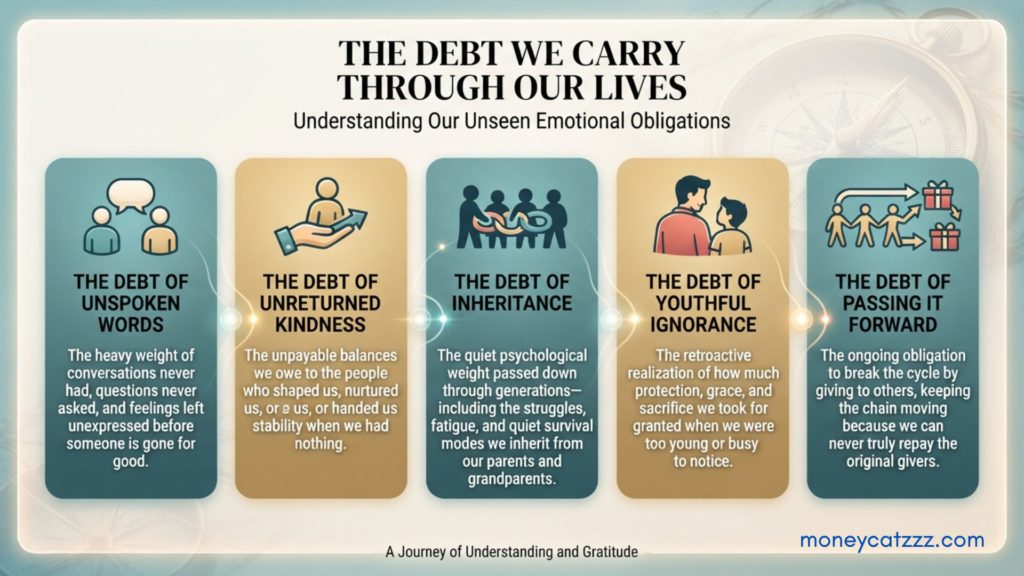
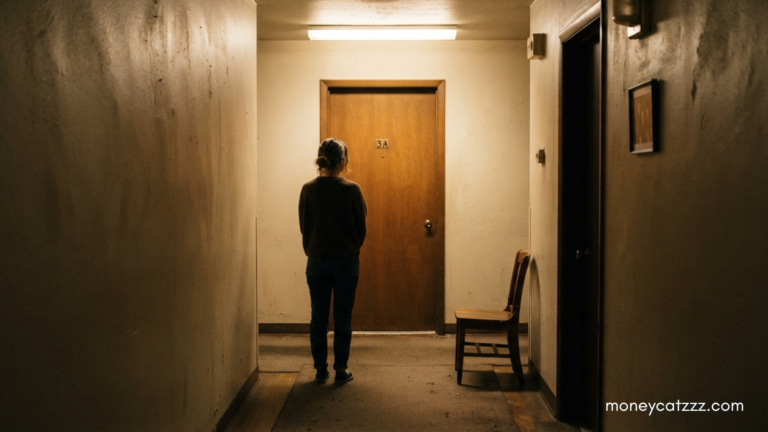
debt: emotional obligations
[The Debt We Carry Through Our Life | moneycatzzz.com]

I started writing it down.


I stopped counting the actual debts themselves; there were too many. Instead, I started keeping track of the moments, the gestures. The quiet acts of giving I never bothered to acknowledge.


Every night, before I went to bed, I’d write down one thing someone had given me that day.


A smile. A door held open. A moment of patience. A word of encouragement. A gesture so small it barely registered.


I wrote them all down.

The list grew longer than I expected. It grew longer than I could count. I realized I was surrounded by people who were giving me things I couldn’t repay. And I’d been walking through my life without noticing.


The debt isn’t a burden. It’s a privilege. It’s the evidence that you’re connected to something larger than yourself.


My mind drifts back to my grandmother and the boy selling mangoes. The coins she pressed into his palm. She didn’t know him or his name, and she certainly didn’t know if he would ever remember her.


She gave anyway. What goes around comes around, because she understood something I am still learning: whatever you receive, you have to pass on. It is the only way to keep the whole thing moving.


I’ve started doing it. Small things.

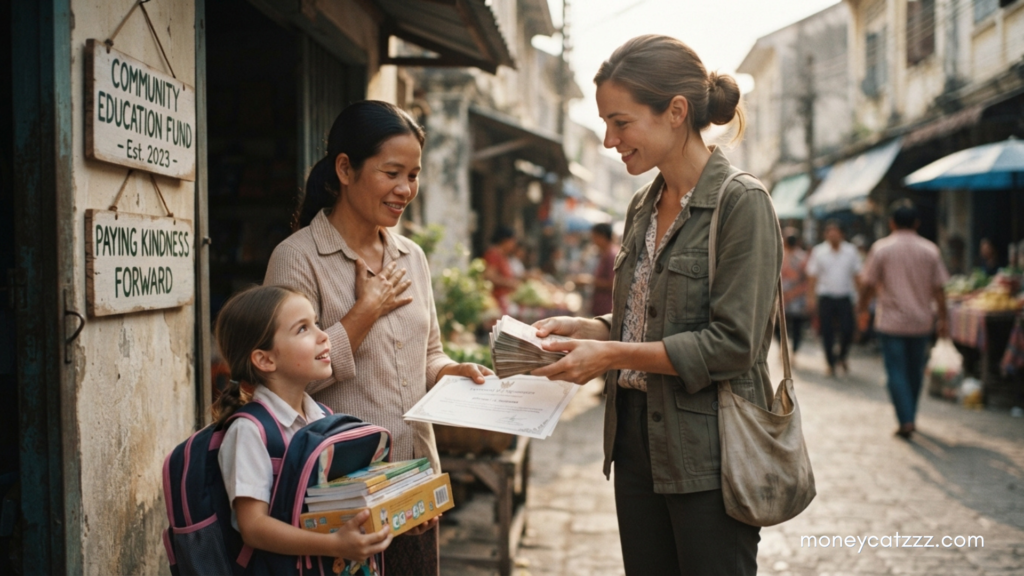
Paying for the coffee of the person behind me. Leaving a note for the mail carrier. Sending a text to a friend I haven’t spoken to in months. Stopping to listen when someone needs to talk.


I don’t give out of generosity. I give because I am in debt. Because I have been given things I can never return to the people who handed them to me, I hand them to someone else instead. I pass it forward to keep the chain unbroken.


I pay the debt of living.

Learn to thrive in a changing world | advaya.life | promotion

My grandmother died in 2017. She was ninety-two. She died in her sleep, in the house she’d lived in for fifty years, surrounded by the photographs and the books and the objects that held her life.


I didn’t cry at her funeral. I was too numb. I sat in the back of the church, holding my mother’s hand, staring at the casket, trying to remember her voice.


But I have been crying since. Quiet tears. The kind that show up when you realize a conversation is gone for good, leaving behind questions you never asked and debts you never managed to pay.


She gave me everything. And I never told her I understood.

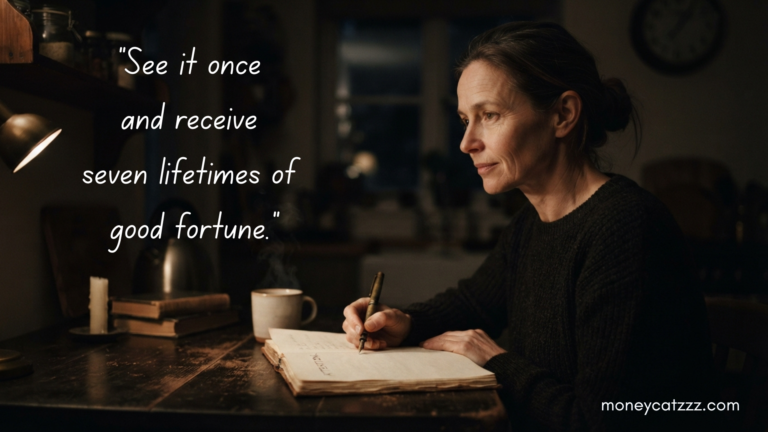
I finally sat down and wrote a letter to my grandmother. I had no intention of sending it, but typed it into a digital notebook, filling the pages with everything left unsaid. All the words swallowed down because of youth, or fear, or simply being too busy to stop.


Thank you for the coins. Thank you for the mangoes. Thank you for showing me that giving isn’t about having enough, it’s about choosing to give anyway. Thank you for teaching me that the debt of living is paid in small, quiet acts. Thank you for never explaining it. Thank you for letting me figure it out for myself.


I closed the notebook. I put it on my nightstand. I didn’t read it again. I didn’t need to.


The debt I owe her, I’ll pay it forward. To a stranger. To a friend. To someone who needs what I have. Because that’s what she taught me. Not with words. With coins.

I don’t know if the boy who sold mangoes remembers my grandmother. I don’t know if he remembers the coins she pressed into his palm. I’m not sure whether he passed it forward.


But I like to think he did. I like to think he grew up and gave to someone else. The chain is still unbroken.


We are all in debt. And we are all capable of paying it.

___________________________________________________

Reading List: Books on Emotional Debt, Memory, and Family Inheritance

619BeUPMSIL. AC AIweblab1378949T3 FMavif SF516.0327.0 PQ65


The Cost of Living

by Deborah Levy

Amazon Button

81H5lihR1WL. AC AIweblab1378949T3 FMavif SF516.0327.0 PQ65


H is for Hawk

by Helen Macdonald

Amazon Button

71Ha3OShqSL. AC UY218


The Body Keeps the Score

by Bessel van der Kolk

Amazon Button

Disclosure: This post may contain affiliate links. We only recommend products we believe in, and we may receive a commission at no cost to you! Thank you for your support!
Acknowledgment: Cover Image by moneycatzzz.com

Disclaimer: The information is provided for general information only – moneycatzzz.com makes no representations or warranties in relation to the information, including but not limited to any representation or warranty as to the fitness for any particular purpose of the information to the fullest extent permitted by law. While every effort has been made to ensure that the information provided in this article is accurate, reliable, and complete as of the time of writing, the information provided in this article should not be relied upon to make any financial, investment, real estate or legal decisions. Additionally, the information should not substitute advice from a trained professional who can take into account your personal facts and circumstances, and we accept no liability if you use the information to form decisions.

Signup to our Newsletter for regular updates: