 Reading Time: 8 mins #
 This post may contain affiliate links.
I felt a dull throb behind my eyes that wasn’t a headache. I knew what headaches felt like. This was something else.
A tiredness that lives below the surface, the kind that eight hours of sleep doesn’t help because sleep isn’t actually what you need. What you need is for someone to ask you a real question and then wait for the actual answer.
I had moved through my own dinner party like a satellite for four hours, maybe more. Refilling water glasses and laughing at a story that wasn’t funny. Isn’t that what a good host does? A friend’s voice cracked on the word “fine,” but I changed the subject without anyone noticing.
Two people started arguing about something, politics or parking, I genuinely cannot remember which. I said, “Who wants more cheese?” and the moment passed, just like that. Crisis managed. Diffused. Nobody saw a thing.
The last guest has finally left.
My partner had gone to bed. The kitchen was a disaster in that particular way kitchens get after a good night, dishes stacked in the sink, glasses with pink dregs, a half-eaten cheesecake somebody brought and then abandoned. Someone’s scarf is on the hook by the door. I hung it more neatly and tried to remember if anyone had mentioned losing one.
I ate the last piece of cold cheesecake off a paper plate, standing at the counter. The dishwasher hummed. I am so tired. I don’t remember turning it on. I scrolled through my phone without reading anything, just moving my thumb through other people’s lives.
This is what it feels like to be the person who holds everything. It was neither heroic nor tragic. Just tired in a way that doesn’t have a proper name yet.

The Pattern I Couldn’t Unsee
Three years ago, my sister called late in the evening. Crying. Her husband had moved out that morning. I drove an hour to her apartment in the dark and sat with her until 2 AM while she went through every detail, text, and every moment she should have seen it coming.
I said “that sounds so hard” approximately forty times and meant it every time.
She felt better by the time I left. She said, “I don’t know what I would do without you,” and I said something small and deflecting, and I drove home on empty roads with the radio off. The next day, I had a headache that lasted two days. I took ibuprofen and didn’t think about it much. But as I reflect back on it now. That headache was the bill arriving. The work has a physical cost. You don’t feel it until later, when you’re alone and the adrenaline of being there has worn off, and your body quietly presents the invoice.

[The Kitchen After Everyone Leaves | moneycatzzz.com]
I think back to my father’s surgery. Five hours in a waiting room that smelled like recycled air and bad coffee, my mother cried on and off. I stayed calm. I got her coffee, held her hand, and said “he’s going to be fine,” maybe too many times. I said it not because I had convinced myself it was true, it was, but because she needed to hear it. That was the only reason that mattered.
When he came out of surgery, everyone cried with relief. I smiled. I felt nothing.
I’m not cold. I just had nothing left. I had spent every unit of available feeling on keeping everyone else steady. The numbness has signed a lease inside of me. The problem is that you don’t find new tenants when the crisis resolves. You carry the shutdown home with you. You eat cold cheesecake in a quiet kitchen, scroll without reading, and call it a night.
The Invisible Load of It
I was surprised to learn that there is a term for my predicament; Arlie Hochschild called it emotional labor, after studying flight attendants who were trained to smile through anything. She said that the same thing happens in friendships, in families, in the way some people move through every room, making sure everyone else is okay, while their own okayness sits there, unexamined.
Turns out there’s research on this. Psychologists say that when you chronically suppress your own distress to take care of everyone else, you end up with a special kind of burnout. Sleep doesn’t fix it. Vacation doesn’t touch it. The problem is that you’ve made yourself unavailable to your own experience.
Here is what I actually do. I’m not going to make it pretty.
Thirty-seven birthdays in my phone. Each one gets a card, a message, sometimes a gift. That takes hours no one ever sees. They only feel remembered on the day, which is the point, but the hours are real.
When someone goes quiet in a group chat, a person who was once reliably there and then suddenly isn’t, I message them privately. “You okay?” They say “yeah, just tired” in a way that tells me everything. I ask one more question, and not push past that. They feel seen. They don’t know exactly why.
When two friends start snapping at each other, I post a stupid meme or a dog video, and the tension breaks. No one thanks me. The fight stops. That’s the thanks.
I stay late after parties. The host is exhausted, and I load their dishwasher, wipe their counters, and take out their trash. They wake up to a clean kitchen and feel relief. The connection between the relief and me is rarely made explicitly, but that’s fine. That was never the point.
None of this is on my resume. It will not appear in my obituary. But it’s the work. It’s as real as anything I’ve ever done.
The Friend Who Didn’t Let Me Deflect
Months after that dinner party, a friend pulled me aside at a smaller gathering. We were standing near a window. Everyone else was laughing about something across the room. She said, “You always ask everyone questions. You never talk about yourself.”
I said, “I’m fine.”
She said, “That’s exactly what I mean.”
She didn’t thank me for being there. She named the pattern. That was different. Naming is not the same as thanking. Naming is seeing, and being seen is a different kind of being held entirely.
I stood there not knowing what to do with it. I had always thought of myself as a good listener. A supportive person. A reliable presence. It had never once occurred to me to think of myself as someone who hides.
She waited. She didn’t fill the silence, which is a thing I would have done immediately, so I noticed it.
I told her about my father. I didn’t reveal everything. Just the outline. “He’s not doing well. I’ve been managing most of it alone.”

She didn’t try to fix me, and it wasn’t her place to do so. She said, “That sounds heavy.” Those three words cracked open something inside me, not dramatically, just a small hinge loosening—the recognition that I was also a person who needed to be felt by someone else.
Invisible support is seamless by design. It is an acquired skill and also a trap at the same time. When no one sees the seams, no one thinks to ask who did the stitching.

[The Phone Call Before the Call | moneycatzzz.com]
Small Changes, Nothing Dramatic
After that conversation, I started doing things differently. No sweeping change of any kind. Nothing that would make a good redemption montage.
No calls after ten unless it’s an emergency. I felt guilty about this for weeks. What if someone needed me? But I tested it. Let calls go to voicemail. No one died. People figured things out. It turns out I had been treating my own availability as a civic responsibility.
When someone asks how I am, I have started saying, “I’m not okay.” I don’t say it often, but just enough to hear my own voice.
The first time I tried it, the person looked startled. Like I had broken a rule they didn’t know existed until that moment.
I had also started naming it out loud, at least to my partner. For instance, after a long call with a struggling friend, I said, “I listened for an hour. That took something from me. I’m tired now.” Saying it didn’t fix anything, but at least one other person knew. Some nights that’s enough.
Years of absorbing other people’s distress, staying calm in waiting rooms, finishing other people’s stories, eating cold cheesecake alone—things pile up. It doesn’t disappear just because you smiled through it; your body keeps the receipt even when you throw it away.
What Remains
I still listen. Notice the cracks in a voice. Those “thinking of you” texts keep going out, even when no one writes back. Especially then. There’s no right or wrong; it’s part of who I actually am.
I can eat the cold cheesecake now without pretending it’s enough, and say “I’m not okay” when I’m not. I let the silence breathe.
Last week, a friend called crying. Her father passed six months ago, and she hadn’t cried yet, and I listened for forty minutes. She said, “Thank you. I felt like you were right there with me.” I was. That’s me.
Then she asked, “How are you? Really.” I didn’t say fine. I said, “I’m tired. I’ve been carrying a lot.” She said, “Tell me.” And I did.
The quiet labor of making people feel held cannot be seen. Only felt. By them. By me, now, too.
That has to be enough. Most days, it is.
Resources: The Books That Held Me

The Managed Heart


The Gift of Therapy
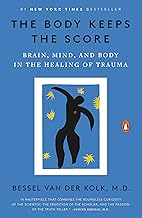
The Body Keeps the Score
Disclosure: This post may contain affiliate links. We only recommend products we believe in, and we may receive a commission at no cost to you! Thank you for your support!
Acknowledgment: Cover Image by moneycatzzz.com
Disclaimer: The information is provided for general information only – moneycatzzz.com makes no representations or warranties in relation to the information, including but not limited to any representation or warranty as to the fitness for any particular purpose of the information to the fullest extent permitted by law. While every effort has been made to ensure that the information provided in this article is accurate, reliable, and complete as of the time of writing, the information provided in this article should not be relied upon to make any financial, investment, real estate or legal decisions. Additionally, the information should not substitute advice from a trained professional who can take into account your personal facts and circumstances, and we accept no liability if you use the information to form decisions.