
 Reading Time: 8 mins #
 This post may contain affiliate links.
Last Tuesday at 3:00 p.m., I was seated in a Madison Avenue nail salon, my hands resting on a velvet cushion the color of faded roses. The manicure cost five hundred dollars. Japanese gel. Immaculate. Necessary, I told myself. My checking account held $73.42. My refrigerator contained one expired yogurt and half a bottle of champagne left over from a launch party I had smiled through.
That was the honest lie.
That the manicure was an investment.
That the image mattered more than the hunger.
Pham, my Vietnamese nail technician, had been painting my nails for years. She noticed the tremor in my fingers before I did. “You okay?” she asked, softly, the way people do when they already know the answer.
“Never better,” I said. I watched her smooth Barely There Pink over nails I had chewed down to the quick in private moments of panic.
Between Polish and Panic: The Anatomy of a Facade
This is how the honest lie lives. Between polish and panic. Between the photograph and the fridge. Between the version of yourself that walks into meetings and the one who lies awake calculating how many days remain before the next invoice clears.
I used to believe deception required malice. I was wrong. The honest lie is kinder than that. It arrives dressed as responsibility. It tells you it is temporary. It convinces you that this version of survival will ultimately lead to freedom. It seldom does.
“I’m building something important,” I told my $100 an hour therapist when I missed my sister’s birthday again. The truth was simpler and uglier. Work was safer than intimacy.
“This debt is strategic,” I told my just-off-Wall-Street accountant, who studied my statements like someone surveying storm damage. The truth was that I was buying belongings.
“I love what I do,” I posted online beside a conference photo where I spoke about authentic success while wearing shapewear so tight that I couldn’t breathe. I loved the role, not the reality.
Martha Beck refers to this phenomenon as the split self. I underlined that passage with a Mont Blanc pen I could not afford, the ink bleeding onto the lining of a counterfeit designer bag. Even my tools were performing.
The Relentless Upkeep of Identity Management
No one warns you that imposter syndrome in leadership is less about fear and more about maintenance. The upkeep is relentless. Each morning became an exercise in managing one’s identity. The correct outfit. The correct coffee cup. The calibrated confidence that says accomplished but not arrogant, ambitious but grateful.
By afternoon, the exhaustion was total. I would lock my office door and lie flat on the floor, staring at ceiling tiles, wondering if this was the sensation people meant when they spoke about winning.
My apartment mirrored the imbalance. The living room, framed for video calls, looked like a catalog spread. The bedroom, unseen, was chaos. Shoes lined up by the door. Closets stuffed with aspirational purchases, tags intact, each item another small chapter in the honest lie.
The Load-Bearing Wallpaper
The metaphor revealed itself during a renovation. Contractors were stripping wallpaper in the apartment next door when one of them paused, confused. The paper was not decorative. It was structural. Remove it too quickly, and the wall would collapse.
Load-bearing wallpaper.
I stood there in a dress I had bought on sale and later lied about, and felt the recognition settle. Appearances supported my life; the honest lie was not decoration. It was holding everything up.
What struck me was what came next. They did not tear it down immediately. They built supports first, steel beams. Real structure. Only then did the paper come off.

[“The Load-Bearing Wallpaper” – Image by moneycatzzz.com]
The Financial Audit of Truth
That night, I began with money, because money does not indulge fantasy. I spread statements across my kitchen table, lit by my phone because I had forgotten to pay the electricity bill. CEO on the business card. Mobile flashlight at home.
The numbers were devastating in their clarity. Hundreds are spent monthly on meetings designed to look important. A gym I never used. A workspace rented purely for optics. Every line item was justified. Every single one was an honest lie.
In I Will Teach You to Be Rich, Ramit Sethi proposes that financial avoidance masquerading as sophistication is a real phenomenon. What I practiced was not complexity. It was avoidance without poetry.
I canceled what existed only for performance. The subscriptions. The memberships. The rituals that supported the image rather than the function. Financial transparency with myself felt like standing naked in a cold room. My income, stripped of performance costs, barely covered the essentials.
Redefining Authentic Success
Next came the deeper audit. I listed accomplishments and asked a different question. Not how it looked, but how it felt.
The keynote felt like suffocation.
The board role felt heavy and hollow.
The book deal everyone envied felt like a contract with exhaustion.
But smaller moments glowed quietly. A free workshop at a community center. An essay written at three in the morning that strangers wrote back about. A conversation with a junior colleague who admitted her own imposter syndrome in leadership and felt less alone afterward.
That was authentic success. Unimpressive on paper. Expansive in the body.
Stripping the Layers
Glennon Doyle describes the concept of “Knowing” in Untamed. That inner voice had been pounding for years beneath scarves and strategies. I began stripping layers away. The performative posts. The forced networking. The clients who paid well but required me to abandon myself.
Each removal revealed damage, yes. But also integrity. Something solid beneath the surface.
Horton International publishes a paper showing that leaders who admit to uncertainty foster stronger teams. I tested this. I said I did not know. I said I could not afford that. I acknowledged when I was struggling. Financial transparency inside my business shifted everything.
Clients leaned in instead of leaving. Conversations softened. Trust grew where image once stood. The honest lie lost its leverage.

[“The Kitchen Table Audit” – Image by moneycatzzz.com]
The Sturdiness of an Ordinary Life
Pham noticed first. I switched to the thirty-dollar manicure. “You’re more here,” she said, adjusting my hand gently. She was right. I was inhabiting my life again.
My refrigerator is filled with real food. My apartment became consistently imperfect. My journal cost twelve dollars and held more truth than any luxury pen ever had.
The honest lie still whispers. It promises protection through polish. I recognize it now as a frightened voice, not a guide.
Identity management looks different these days. It means managing my courage to be ordinary. To eat cereal for dinner. To wear clothes that fit my body, not my ambition.
What replaced the wallpaper was sturdier than I expected. Honest work. Fewer but more genuine relationships. A quieter form of authentic success that does not require constant explanation.
There is relief in letting walls stand on their own. In trusting that truth can bear weight in understanding that financial transparency is not a threat but a foundation.
The honest lie taught me one final thing. Performance feels powerful until it collapses. Truth feels terrifying until it holds.
I am not extraordinary. I am present. That has proven enough.
And when the honest lie returns, as it always does, I thank it for its concern and choose the quieter path again.
Keeping You Honest With These Reads

Collections

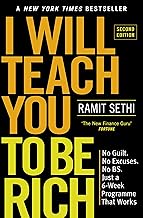
I Will Teach You to Be Rich
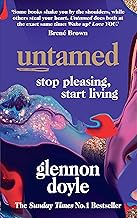
Untamed
Disclosure: This post may contain affiliate links. We only recommend products we believe in, and we may receive a commission at no cost to you! Thank you for your support!
Acknowledgment: Cover Image by moneycatzzz.com
Disclaimer: The information is provided for general information only – moneycatzzz.com makes no representations or warranties in relation to the information, including but not limited to any representation or warranty as to the fitness for any particular purpose of the information to the fullest extent permitted by law. While every effort has been made to ensure that the information provided in this article is accurate, reliable, and complete as of the time of writing, the information provided in this article should not be relied upon to make any financial, investment, real estate or legal decisions. Additionally, the information should not substitute advice from a trained professional who can take into account your personal facts and circumstances, and we accept no liability if you use the information to form decisions.