
 Reading Time: 8 mins #
 This post may contain affiliate links.
My loyalty card had more stamps than my passport, and I still felt like a visitor.
I had a new city, a new apartment, and new everything, and not a single person knew my order or my middle-of-the-week face. That’s the hollow no one warns you about when you choose a life in motion: you can see every shortcut on the map and still be unknown. For a while, I tried to outrun it. New café, new market, new park: collect the places and views. It turns out belonging doesn’t care how many pins you drop. It cares how often you return.
Somewhere between a corner fruit stall and a tiny coffee bar, I stumbled into a quiet economy that changed my days: the currency of care. It’s not money (though fair pay matters). It’s the tiny transactions: hellos, small favors, names remembered that compound into something sturdier than a Wi‑Fi password. When you learn to spend and receive this currency, a city stops being a backdrop and starts feeling like a neighborhood.
The Ache Underneath: Being Known by No One
If you’ve ever moved somewhere new, you know this feeling. You speak to no one longer than two minutes a day. You’re polite, invisible, and efficient. The cashier says, “Next,” and you realize you could be anyone’s next.
The ache isn’t drama. We’re wired for ties; strong ones and weak ones. Those “weak ties” (the barista, the bus driver, the neighbor with the dog) do real psychological lifting. They tell your nervous system, “You exist here.” When they’re missing, days feel flat, no matter how pretty the sunset looks on your phone.
So how do you grow ties without forcing friendship on the person handing you carrots? You practice the currency of care.
What Is the “Currency of Care”?
It’s the everyday exchange of small kindnesses that don’t keep a ledger. A vendor tucks an extra sprig of mint into your bag “for tea.” You remember their name and learn to say it right. You tip fairly and ask, “How was the rain last night?” They save the last ripe mango because they know you walk by at 10. None of this is grand. All of it is glue.
It’s not transactional in the gross sense. You’re not buying affection or treating people like NPCs in your personal movie.
It is reciprocal in the human sense. Repetition builds trust. Trust builds care. Care builds belonging.
If the word “currency” makes you itchy, swap in “custom.” Customs are how strangers turn into neighbors.
Why Tiny Transactions Work (Even If You’re “Just Passing Through”)
- Repetition is recognition: Visiting the same stall or café teaches the place to recognize you. You leave a trace in the morning.
- Weak ties lift mood: Quick chats with acquaintances measurably boost well‑being; it’s not your imagination that a good hello changes your day’s weather.
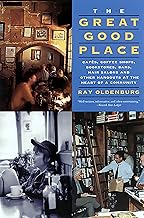
- Third places matter: Cafés, markets, parks; these “third places“ (not home, not work) are where civic life hums. They’re the living rooms of a city.
And yes, this all still helps even if you leave in six months. Belonging is a practice, not a lease length.
Four Lessons from the Currency of Care
1) Belonging is relational, not just residential
A lease doesn’t love you back. People do. You don’t need a hundred friends; you need three anchors: one vendor, one neighbor, one daily hello. Visit them on purpose. Let your face become familiar.
2) Consistency beats intensity
You don’t have to perform grand gestures. Show up at roughly the same time. Ask one sincere question. Remember one detail. Think of it like watering a plant, not staging a parade.

[“The Luminous Exchange” – Image by moneycatzzz.com]
3) Generosity is a loop, not a ledger
Tip fairly if tipping is customary. Share a seat in a crowded café. Offer to carry a bag up the steps. The “extra“ you give often returns from surprising directions, maybe not today, maybe not from the same person, but the loop closes.
4) Names are bridges; learn to cross them
Suppose you can learn how to say someone’s name, how they say it. Ask once, write a phonetic hint, practice. It’s a ten‑second act that says, “You’re not background. You’re you.” You’ll feel the bridge from the other side when they learn yours.
The Key Truth
Belonging grows at the speed of small. We wait for lightning, instant community, best friends by Friday, but home often arrives as interest on tiny daily deposits.
And yes, there are caveats. Don’t confuse kindness with entitlement; service work is work. Don’t film people for content without consent. And remember privilege: some of us are welcomed more easily than others. The currency of care isn’t a hack; it’s a way of being that respects the humans who make a place livable.
What Grows Back When You Spend This Way
A gentler nervous system: The cashier greets you by name and lowers your shoulders faster than a meditation app.
- Better days: Those 60‑second chats nudge happiness up and loneliness down.
- Safer travel: Familiar faces mean someone notices when you don’t show up, and that noticing can matter.
- A factual story: You stop collecting skylines and start collecting people. The highlight reel shifts from views to voices.
Where Do We Go From Here?
Not entirely. Some days you’re late; some days you’re shy; some days you’re tired of being a person. You don’t owe anyone charm. And not every culture welcomes chatter from strangers: read the room, follow local lead.
But often, we can choose small terms. Ten seconds to look up. Two seconds to say thank you with eye contact. One minute to ask “How’s your day?“ and listen. The bar for care is low because the world is busy. Step over it when you can.

[“The Gentle Weave of Connections” – Image by moneycatzzz.com]
Three Tiny Practices to Grow Belonging (Wherever You Are)
- The Anchor Three: Choose one vendor, one neighbor, and one daily hello (security guard, barista, bus driver). See them at least twice a week. Learn and use their names. Let them learn yours.
- The Ten‑Second Thank‑You: When you pay, pause. Make eye contact. Add one sincere sentence: “Thanks for the extra mint yesterday, it made my tea.” It’s ten seconds. It changes the room.
- The Repeat Visit: Pick one “third place“ (park bench, café, market stall) and go simultaneously for seven days. Do nothing special. Watch what happens to your shoulders and how the place starts recognizing you.
Afterthought: The Mango for the Road
It started with a mispronunciation.
Like the grassland, he called me “Savanna,“ and I laughed. “Close,“ I said, and tried to teach him the second “h.“ We gave up quickly and made it a joke. I bought mangoes from his stall because the line moved slowly enough for breathing.
Week after week: a smile, two coins, “Same again?“ One morning, he slipped an extra mango into my bag. “For the road,“ he said, like he could see the travel in my shoulders. I protested. He waved me off. “Tomorrow you bring me a new word,“ he grinned. So I did. We traded nouns, and recipes. He taught me the phrase for “too ripe,“ and I taught him “sun‑ripened,“ which he liked better.
On my last day in that city, I went to say goodbye. He saw me and shook his head before I could speak. “No goodbye,“ he said, pushing a mango into my hand. “See you, maybe.“ We both pretended the word “maybe” didn’t wobble.
Months later, I found a note wedged in a book I’d bought from the stall across the lane. It said, in careful script, “For the road.“ No signature, just the joke we shared. I pressed the paper flat and realized I had been part of something I couldn’t tag: a neighborhood with my fingerprints. Tiny transactions. Compounding care.
Books to Dig Deeper
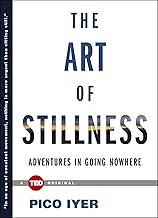
The Art of Stillness

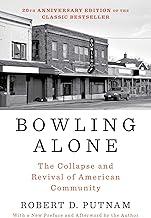
Bowling Alone
Further References and Resources
- The Gift — Marcel Mauss (a classic on reciprocity and the social glue of giving)
- The Happiness Hypothesis — Jonathan Haidt (bridges ancient wisdom and modern life)
- The surprising power of weak ties (Sandstrom & Dunn, 2014, PSPB)
- Strength of weak ties (Granovetter, 1973, AJS)
- Third places overview (Project for Public Spaces)
Disclosure: This post may contain affiliate links. We only recommend products we believe in, and We may receive a commission at no cost to you! Thank you for your support!
Acknowledgement: Cover Image by moneycatzzz.com
Disclaimer: The information is provided for general information only – moneycatzzz.com makes no representations or warranties in relation to the information, including but not limited to any representation or warranty as to the fitness for any particular purpose of the information to the fullest extent permitted by law. While every effort has been made to ensure that the information provided in this article is accurate, reliable, and complete as of the time of writing, the information provided in this article should not be relied upon to make any financial, investment, real estate or legal decisions. Additionally, the information should not substitute advice from a trained professional who can take into account your personal facts and circumstances, and we accept no liability if you use the information to form decisions.