
 Reading Time: 8 mins #
 This post may contain affiliate links.
We all love a good story. Who wouldn’t? Storytelling has been with us since the dawn of time: passed down around campfires, etched into cave walls, and woven into every culture on Earth. But here’s the twist: storytelling isn’t just entertainment. It’s a superpower. If you’ve ever been moved by a speech, inspired by a memoir, or changed by a compelling TED Talk, then you’ve felt its impact.
What if you could wield this superpower to elevate your life: personally, professionally, and even financially? What if you could use master storytelling to build influence, communicate better, and stand out in a saturated market?
“If you don’t give up, you still have a chance. Giving up is the greatest failure.” – Jack Ma.
Let’s begin with one of the greatest modern-day storytellers: Jack Ma, the founder of Alibaba.
Jack Ma: Mastering the Art of Storytelling for Global Impact
From humble beginnings in Hangzhou, China, Jack Ma used storytelling to build Alibaba into a global powerhouse. He was rejected from dozens of jobs (including KFC), laughed at by venture capitalists, and doubted by peers. But what made him different? His ability to connect.
Jack Ma’s storytelling mastery lies in his authentic, often humorous approach. He uses personal anecdotes and vivid metaphors like, “Today is cruel. Tomorrow is crueler. But the day after tomorrow is beautiful.” These aren’t just catchy phrases; they evoke emotion, stir the imagination, and inject hope, the ingredients that make a story unforgettable.
Stories like Ma’s inspire millions not just because of what he achieved but because of how he tells it: with vulnerability, wit, and vision. His storytelling makes him relatable, memorable, and influential, and that, right there, is the power of emotional connection.

[“Storytelling” – Photo by PICHA Stock]
The Neuroscience Behind Storytelling: Why It Works
Let’s get nerdy for a moment—neuroscience backs the effectiveness of storytelling in triggering emotional and cognitive responses. When you hear a well-told story, your brain activates in multiple regions—not just the language center. According to studies published American Psychological Association and APA Division 10 on Psychology of Aesthetics, Creativity, and the Arts, narratives engage the motor cortex, auditory cortex, and even areas involved in emotional regulation.
Jonathan Gottschall’s The Storytelling Animal argues that stories are evolutionarily wired into our brains as survival tools. They help us empathize, anticipate outcomes, and bond with our tribe. That’s why stories stay with us longer than data or dry facts; a crucial insight for leaders, entrepreneurs, and anyone looking to enhance communication skills or brand influence.

How to Master Storytelling: Tools for Personal and Professional Growth
Here are four fundamentals for mastering this powerful skill:
Find Your Unique Voice
Authenticity trumps perfection; the best storytellers speak from the heart, not from a script. Don’t mimic someone else’s voice; embrace yours. Whether you’re sharing business failures or personal victories, people connect with honesty; this builds trust and audience engagement.
2. Craft a Compelling Narrative Arc
Every great story follows a structure: the setup, the struggle, and the resolution. It’s the classic hero’s journey. Think of your narrative in terms of challenge, transformation, and takeaway. This makes your story easier to follow and more emotionally resonant, a key to influential communication.
3. Connect Emotionally
Facts tell, but stories sell. Whether in a pitch or a keynote, evoking emotion is essential. Describe the fear, the joy, and the risk, and bring your listeners into your experience. People might forget your facts, but they’ll never forget how you made them feel.
4. Practice and Iterate
Like any skill, storytelling requires practice. Journal your stories. Share them on social media. Test them in meetings or interviews. Learn what resonates, refine your timing, and improve your delivery. For inspiration, check out Made to Stick by Chip and Dan Heath, a goldmine on why some stories survive while others fade.

[“Storytelling is an Art” – Image Source Unknown]
Storytelling for Personal Growth
Here’s where it gets personal. Storytelling for personal development allows you to reframe your past and redefine your identity. It lets you turn pain into power, failures into fuel, and vulnerability into strength.
Overcoming Adversity
Sharing your struggles isn’t a weakness. It’s a connection. When you articulate how you overcame setbacks, you empower yourself and others, you show resilience, reinforce your growth mindset, and build confidence.
Boosting Self-Worth
Telling your story allows you to see your journey through a lens of purpose. You own your narrative. That’s empowering; it becomes a mirror showing how far you’ve come and a map guiding your path.
Building a Personal Brand
A clear and compelling story forms the bedrock of a personal brand. Whether you’re an executive, creative, or solopreneur, your story becomes your digital handshake. It differentiates you and creates instant relatability. If you’re starting, grab our free guide, “Crafting Your Personal Story,” to kick off your journey.
Storytelling for Professional Success
In business, facts alone won’t close deals. Narratives drive business decisions. Here’s how storytelling transforms your professional life:
Effective Communication
Want your pitch to land? Frame it as a story. Show the problem, introduce the solution, and let your customer be the hero; this narrative arc clarifies your message and makes it stick.
Strengthening Teams and Leadership
Leaders who tell stories inspire action. They don’t just communicate a vision; they paint vivid future pictures. They unite teams through shared narratives: storytelling humanizes leaders, making them approachable and trustworthy.
Relationship Building
Professional relationships flourish when people connect beyond transactions. Storytelling fosters empathy and shared values. That’s why top brands don’t sell products; they sell stories.
Gottschall, again, sums it up perfectly: humans are wired for narrative. So, if you’re in business, you’re in the storytelling business.
Storytelling for Financial Success
Let’s talk money. Storytelling is a hidden driver of financial health, entrepreneurial growth, and wealth attraction. Here’s how:
Simplifying Financial Literacy
Want to teach financial concepts that stick? Wrap them in stories. Talk about someone who paid off debt, built passive income, or navigated a financial crisis. These examples do more than teach; they inspire and humanize abstract principles.
Elevating Entrepreneurship
Investors don’t just fund ideas; they fund stories. You gain buy-in by passionately and precisely explaining your startup journey, vision, and mission. Your startup story becomes the fuel behind your brand equity.
Motivation and Goal-Setting
Your financial goals aren’t just numbers. They’re chapters in your life story; frame them that way, visualize and articulate your “why.” This adds emotional weight and keeps you committed through obstacles.

Final Thoughts: Your Story is Your Superpower
In a world full of noise, stories cut through. They help you be heard, understood, and remembered. Whether you’re a leader, entrepreneur, or creative, mastering storytelling is the key to connecting with others and achieving your dreams.
Take a page from Jack Ma’s playbook. Don’t just build a business. Tell its story. Don’t just pitch a product. Share its purpose. Don’t just set financial goals. Narrate your vision.
And remember: every setback is a plot twist. Every triumph is a chapter. Every lesson is a line. So go ahead, write it, speak it, and share it.
The world is waiting to hear your story.
Fuel your storytelling journey:
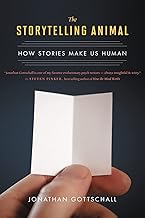
The Storytelling Animal

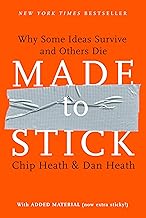
Made to Stick
The Art of Possibility
Disclosure: This post may contain affiliate links. We only recommend products we believe in, and we may receive a commission at no cost to you! Thank you for your support!
Acknowledgement: Cover Image by moneycatzzz.com on Canva
Disclaimer: The information is provided for general information only – moneycatzzz.com makes no representations or warranties in relation to the information, including but not limited to any representation or warranty as to the fitness for any particular purpose of the information to the fullest extent permitted by law. While every effort has been made to ensure that the information provided in this article is accurate, reliable, and complete as of the time of writing, the information provided in this article should not be relied upon to make any financial, investment, real estate or legal decisions. Additionally, the information should not substitute advice from a trained professional who can take into account your personal facts and circumstances, and we accept no liability if you use the information to form decisions.