
 Reading Time: 8 mins #
 This post may contain affiliate links.
Do you ever feel invisible at parties, or worse, like people actively avoid you? I used to be that person standing alone by the food table, pretending to check my phone while everyone else seemed magnetically connected. The secret to becoming the most approachable person isn’t about being louder or more confident. It’s about something quieter: making others feel safe.
Last month at my nephew’s wedding, I watched my usually shy sister-in-law become the center of warm conversations all evening. She wasn’t telling amazing stories or cracking jokes. She was doing something far more powerful; sending subtle signals of emotional safety that drew people in like a warm fireplace on a cold night.
Research from Harvard’s Amy Cuddy reveals that we judge warmth before competence, safety before success. Within milliseconds of seeing someone, our primitive brain has already decided: friend or threat? The difference between being avoided and being approached isn’t your personality; it’s the unconscious signals you’re sending.
These four tiny secrets I’m about to share are low-effort micro-habits that completely changed how people respond to me. They’re based on neuroscience, not networking tricks. Each one takes seconds to implement but transforms how every person in the room perceives you.
Do you ever feel invisible at parties, or worse, like people actively avoid you? I used to be that person standing alone by the food table, pretending to check my phone while everyone else seemed magnetically connected. The secret to becoming the most approachable person isn’t about being louder or more confident. It’s about something quieter, making others feel safe.
Last month at my nephew’s wedding, I watched my usually shy sister-in-law become the center of warm conversations all evening. She wasn’t telling amazing stories or cracking jokes. She was doing something far more powerful; sending subtle signals of emotional safety that drew people in like a warm fireplace on a cold night.
Research from Harvard’s Amy Cuddy reveals that we judge warmth before competence, safety before success. Within milliseconds of seeing someone, our primitive brain has already decided: friend or threat? The difference between being avoided and being approached isn’t your personality; it’s the unconscious signals you’re sending.
These four tiny secrets I’m about to share are low-effort micro-habits that completely changed how people respond to me. They’re based on neuroscience, not networking tricks. Each one takes seconds to implement, but transforms how every person in the room perceives you.
Secret 1: The Unarmed Stance
I’ll never forget the networking event where I discovered this first secret. I was standing with my arms crossed, holding my wine glass like a shield, wondering why nobody approached me. Then I noticed a woman across the room surrounded by engaged conversations. She wasn’t more beautiful or charismatic than anyone else, but her body was completely open: her hands were visible, her arms relaxed, and her shoulders soft.
Your body speaks before your mouth opens, sending non-verbal cues that either invite or repel connection. Most of us unconsciously adopt defensive postures without realizing we’re broadcasting “stay away” signals.
UCLA research on trust and body language shows that visible hands increase trust by 40%. It’s primal; our brains need to see hands to feel safe. Hidden hands could hold weapons. It sounds dramatic, but our nervous systems haven’t evolved past cave-dwelling survival instincts.
The Unarmed Protocol
Here’s exactly what I do now at every social gathering:
Hands are always visible. I catch myself putting them in pockets and gently bring them back out. At first, I felt exposed and awkward. Now it feels natural.
Hold drinks low and to the side. That glass of wine isn’t a barrier anymore; it’s a prop that gives my hands something to do while staying open.
Arms relaxed at sides or gently gesturing. I used to cross them for comfort, but comfort was costing me connection.
Shoulders back but soft. Not military rigid, just naturally open. I imagine a string gently pulling up from my head.
The 45-degree angle. Instead of facing groups directly (confrontational) or standing perpendicular (closed off), I position myself at a welcoming angle that says, “I’m open if you want to join.”
Last week at a conference, I consciously maintained this open stance for the entire cocktail hour. Five people initiated conversations with me. The week before, I had reverted to my old defensive posture. Zero. These approachability hacks may seem too simple, but they work because they tap into something more profound than logic.
Secret 2: The Generous Question
“How are you?” might be the most useless phrase in the English language. Everyone says “fine,” and then you’re stuck in conversational quicksand. I learned this the hard way at countless painful networking events where every interaction felt like performing rather than connecting.
Then my mentor shared something that changed everything. She said, “Give others the gift of being interesting.” Dale Carnegie wrote about this in How to Win Friends and Influence People: people don’t want to be impressed; they want to be appreciated. Genuine connection happens when you’re curious, not clever.

[“The Generous Question” – Image by moneycatzzz.com]
Questions That Create Connection
I’ve tested dozens of conversation starters. These four consistently create warm, easy exchanges:
“What’s been the highlight of your week so far?” This allows people to share something positive and personal without being intrusive. Last Tuesday, I asked this of a stranger at a coffee shop. She lit up and told me about her daughter’s first piano recital. We talked for twenty minutes.
“How do you know [host’s name]?” At parties, this creates instant common ground. You both know at least one person, and the stories that emerge are often delightful.
“I’m terrible at these events. Any advice?” This admission of vulnerability paradoxically makes you more approachable. You’re permitting others to be human, too. I used this at a formal fundraiser last month, and a CEO laughed and said, “I’ve been doing these for twenty years and still feel awkward.” We bonded immediately over our shared discomfort.
“What’s keeping you busy these days?” Instead of “What do you do?”, which feels like a job interview, this allows people to share what they want: hobbies, family, passions, or work, if they choose.
Research from Harvard Business School indicates that individuals who ask more questions are perceived as more responsive and attractive conversation partners. But here’s the tiny secret within the secret: After they answer, reflect on one specific detail. If someone mentions taking a ceramics class, saying “That sounds meditative” shows you actually listened, not just waited for your turn to speak.
Secret 3: The 1-Second Soft Gaze
Eye contact terrified me. I either avoided it entirely (seeming shifty) or locked into an intense stare that made people visibly uncomfortable. Neither created the genuine connection I desperately wanted.
The breakthrough came during a workshop on emotional intelligence. The instructor had us practice what she called the “grandmother gaze“: looking at someone the way a loving grandmother looks at her grandchild. Not intense scrutiny, but warm appreciation.
Dr. Paul Ekman’s research on micro-expressions reveals that authentic warmth is often first evident in the eyes, specifically in the tiny wrinkles that can’t be faked. Your eyes send non-verbal cues that determine whether someone’s amygdala tags you as friend or threat within milliseconds.
The Goldilocks Gaze Formula
Here’s the exact technique I use now:
Make eye contact for 1-2 seconds when first connecting. Long enough to acknowledge them, short enough to avoid intensity.
Soften your entire face by thinking of something you love. I literally imagine my cat sleeping in a sunbeam. It instantly relaxes my facial muscles.
Break naturally to their mouth or gesture when they’re speaking. This shows you’re engaged but not aggressive.
Please return to the eyes when they’re making an important point. This validates their words without overwhelming them.
Follow the 70/30 rule: Maintain eye contact 70% of the time while you’re speaking (showing confidence) and 30% while listening (showing you’re processing, not challenging).
Susan David writes in Emotional Agility about being present without being overwhelmed. This relational skill transformed my interactions. At my book club last week, a usually quiet member told me, “You make me feel heard without feeling judged.” She had no idea I was using a technique; she just felt safe.
Secret 4: The Low-Friction Close
Here’s something nobody talks about: people avoid starting conversations because they fear being trapped. I learned this when a colleague admitted she actively avoided me at events. “You’re lovely,” she said, “but I once couldn’t escape a thirty-minute story about your vacation.”
I was mortified but grateful. Now I’ve become the most approachable person at events by mastering the art of the graceful exit. When people know they can leave, they paradoxically want to stay.
Exit Scripts That Preserve Connection
These are my go-to phrases that make leaving comfortable:
“I promised myself I’d meet three new people tonight. It was lovely starting with you!” This frames the exit as part of a plan, not a rejection.
“I need to refill my water, but this was really enjoyable.” Simple, honest, and leaves them feeling good about the interaction.
“I want to be mindful of your time. Thank you for sharing that story.”
This positions you as respectful, not trying to escape.
At a conference last month, I started every conversation by saying, “I have just a few minutes before my next session, but I wanted to say hello.” This built-in ending removed all pressure. People relaxed immediately, and several conversations naturally extended because neither of us felt trapped.
MIT’s Human Dynamics Lab found that conversations with clear exit signals are rated more positively than open-ended interactions. It may seem counterintuitive, but boundaries create safety, and safety fosters connection.
These approachability hacks work because they respect both people’s autonomy. You’re not holding anyone hostage, and you’re teaching by example that conversations can be warm but brief.
Making These Secrets Your Second Nature
Becoming the most approachable person isn’t about perfection; it’s about practice. I started with one secret per week, focusing until it felt natural before adding the next.
In Week 1, I focused on keeping my arms uncrossed. I was shocked at how often I defaulted to defensive positions. By week 2, the open stance felt normal, and I added generous questions to each interaction. Week 3 introduced the soft gaze practice in low-stakes situations, such as coffee shops. By week 4, I was confidently using graceful exits.
The magic happens when these tiny secrets begin stacking. Open body language makes your questions feel warmer. Soft eye contact makes your exits feel caring, not dismissive. Each element amplifies the others, creating an energy that draws people naturally.

[“The Low-Friction Close” – Image by moneycatzzz.com]
The Beautiful Paradox
Here’s what I’ve discovered: The most approachable person in the room isn’t trying to be approached. They’re focused on making others feel safe, seen, and free to be themselves.
When you master these non-verbal cues, you stop performing and start connecting. You’re not networking; you’re offering moments of genuine connection in a disconnected world. These aren’t manipulation tactics. They’re acts of service.
Every open posture is an invitation. Every generous question is a gift. Every soft gaze is acceptance. Every graceful exit is respected.
The relational skill of approachability isn’t about being liked; it’s about being safe. In a world full of judgment and competition, you become an oasis of acceptance.
Start tonight. At dinner, uncross your arms. Ask someone about the highlight of their day. Soften your gaze when your loved ones speak. Please give them the gift of a graceful exit from the conversation.
Watch how the space around you transforms when you become a source of emotional safety rather than another person seeking validation. These minor adjustments create ripples that extend far beyond any single interaction.
[Download The Approachability Practice Guide]. Daily exercises to embody these secrets until they become second nature.
“We don’t connect despite our vulnerability; we connect because of it.” Brené Brown.
The most magnetic person in any room is the one who makes others feel safe to be themselves.
The Tools: Essential Reading on Body Language and Connection
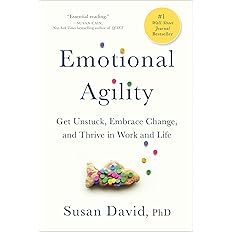
Emotional Agility

How To Win Friends
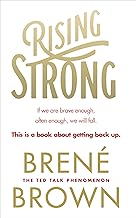
Rising Strong
Disclosure: This post may contain affiliate links. We only recommend products we believe in, and we may receive a commission at no cost to you! Thank you for your support!
Acknowledgment: Cover Image by moneycatzzz.com
Disclaimer: The information is provided for general information only – moneycatzzz.com makes no representations or warranties in relation to the information, including but not limited to any representation or warranty as to the fitness for any particular purpose of the information to the fullest extent permitted by law. While every effort has been made to ensure that the information provided in this article is accurate, reliable, and complete as of the time of writing, the information provided in this article should not be relied upon to make any financial, investment, real estate or legal decisions. Additionally, the information should not substitute advice from a trained professional who can take into account your personal facts and circumstances, and we accept no liability if you use the information to form decisions.