 Reading Time: 8 mins #
 This post may contain affiliate links.
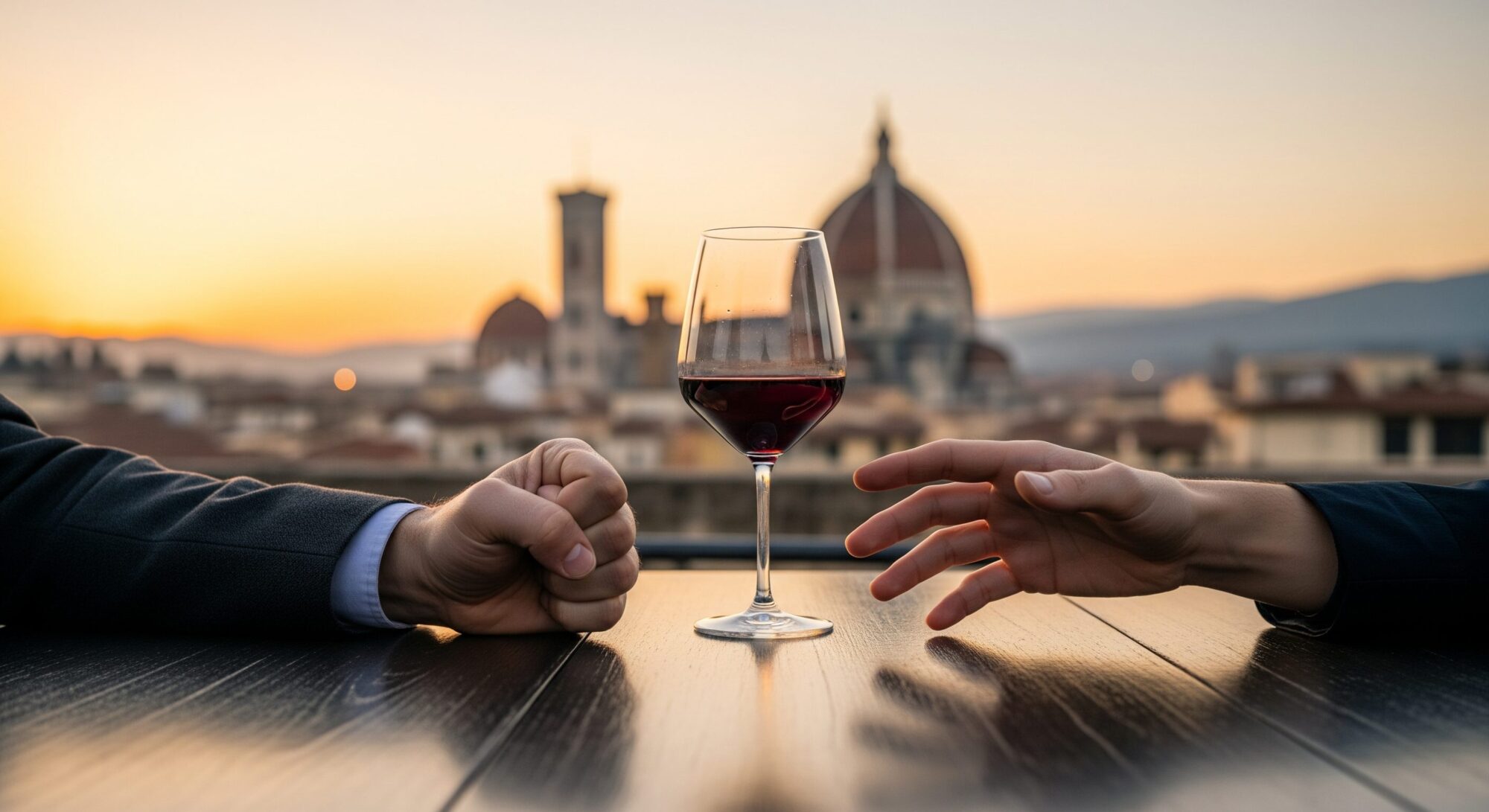
The light hit the Duomo like honey on bronze, that particular Florentine sunset that makes you understand why people once believed in God. The setting was picture perfect, across the rooftop table, Marco set down his wine with the careful precision of someone about to detonate something. “We need to talk about us,” he said, and my hand closed into a fist under the tablecloth, automatic as breathing.
I was about to self-sabotage love again. The same way I had in Prague with the poet who wanted more than beautiful words. The same way I had in Mumbai with the photographer who caught me lying about my feelings. The same way I had in every city where someone got too close to the truth about me.
My therapist once told me that we don’t fear love itself; we fear losing it. But sitting there, watching the cathedral dome turn to gold while Marco’s eyes searched mine for something I couldn’t give, I realized the truth was worse: We destroy love preemptively, choosing the certainty of loneliness over the possibility of betrayal.
The Game We Don’t Know We’re Playing
In 1950, two mathematicians created a simple game that would explain why I sat there with a fisted hand while love waited across the table. The Prisoner’s Dilemma: Two suspects, separated, must choose to cooperate or defect. The tragic punchline? Mutual defection may feel safer, even though cooperation yields better outcomes.
Every intimate relationship plays this game on repeat. When we choose vulnerability in relationships (cooperation), we risk betrayal. When we select self-protection (defection), we guarantee loneliness. Most of us, scarred by old betrayals, become professional defectors.
My grandmother’s hands stayed fisted even in her sleep, arthritis having frozen them that way after decades of manual labor in a factory. Watching her try to hold a teacup one morning, I understood: I’d developed emotional arthritis. My heart remained closed, even when I was safe. The muscles for emotional intimacy had atrophied from disuse.
Marco was still waiting. The city bells began their evening conversation. My fist tightened.
The Architecture of Defection
We build four walls to avoid vulnerability in relationships; each one perfectly designed to destroy what we claim to want.
The Comedy Wall transforms every profound moment into a punchline. The Competence Wall makes us so capable that needing becomes impossible. The Chaos Wall creates drama to avoid the stillness where truth lives. The Ghost Wall keeps us physically present but emotionally absent, a hologram of intimacy.
I’d mastered them all. In Barcelona, a ceramicist named Elena had looked at me over breakfast and said, “I’m falling in love with you.” My response? “That’s nice,” while mentally packing my bags. Six years later, I learned through a mutual friend that she never tried to love anyone again. My defensive walls had created the very abandonment I feared, just in someone else’s life.
Attachment theorists would say that I learned this pattern early, that a fear of vulnerability is inherited like eye color or debt. They’re right. My mother defected from my father, who defected from his mother, who defected from a war that took everything. We pass down our prisoners’ dilemmas like heirlooms nobody wants.
Lorem ipsum dolor sit amet, consectetur adipiscing elit. Ut elit tellus, luctus nec ullamcorper mattis, pulvinar dapibus leo.

[‘The Architecture of Defection” – Image by moneycatzzz.com]
The Mathematics of Trust
In Venice, during the Biennale, I met someone who defected first. Watched them withdraw when I moved closer, saw them build walls in real-time when I asked real questions. The mirror was excruciating. “This is what I do,” I thought, watching them disappear behind their competence. “This is what it feels like from the other side.”
Trust in relationships erodes in millimeters, not miles. Each minor betrayal, each moment we choose the fist over the open hand, makes the subsequent defection easier. It compounds like interest, but in reverse.
I interviewed an eighty-year-old woman in hospice who told me, “I was so safe I forgot to live.” She’d spent sixty years choosing defection, building defensive walls so high that no one could scale them. “The tragedy isn’t dying alone,” she said. “It’s that I chose it, choice by choice, thinking I was being smart.”
The false economy of self-protection: we save ourselves from potential hurt by guaranteeing actual loneliness. We’re so busy protecting our hearts that we forget hearts are meant to be used.
The Physics of Opening
Back on that Florence rooftop, I made myself look at what I was doing. Game theory has a principle: someone must cooperate first to break the cycle. Someone has to risk betrayal for the possibility of connection.
“I self-sabotage love when it gets real,” I said, the words feeling like swallowing glass. “I’m doing it right now.”
Marco leaned forward. “I know,” he said. “I do it too.”
This is what vulnerability in relationships actually looks like: saying “I’m scared” instead of picking a fight. Admitting need instead of manufacturing independence. Staying present when every cell screams run.
I took my fist from under the table and placed my open palm next to my wine glass. In pottery class, they teach you that you can’t shape clay with a fist. You need hands that can provide soft, responsive pressure, adjusting to the individual’s needs. Intimate relationships require a delicate yet firm grip. Open hands can be struck, yes, but they can also hold.
The Prisoner’s Choice
The truth about self-sabotage isn’t that you’re broken; it’s that you are a highly rational actor trapped in a suboptimal game. You’ve been playing the single-round Prisoner’s Dilemma for too long, choosing defection; the closed fist, the defensive lie, because it guarantees you won’t lose everything in the short term.
But love is not a single round. Love is the infinite game, and in that game, cooperation compounds.
You don’t need to rebuild your walls; you need to start rewriting your neural pathways, one small action at a time. This isn’t about grand, sweeping gestures; it’s the compound interest of emotional intimacy built on tiny choices:
- Armor or Skin? Choose skin. Ask for help before the crisis makes the ask desperate.
- The First Move: When you feel the tension rise, interrupt the pattern. Stay in the room during the conflict when every instinct screams to run.
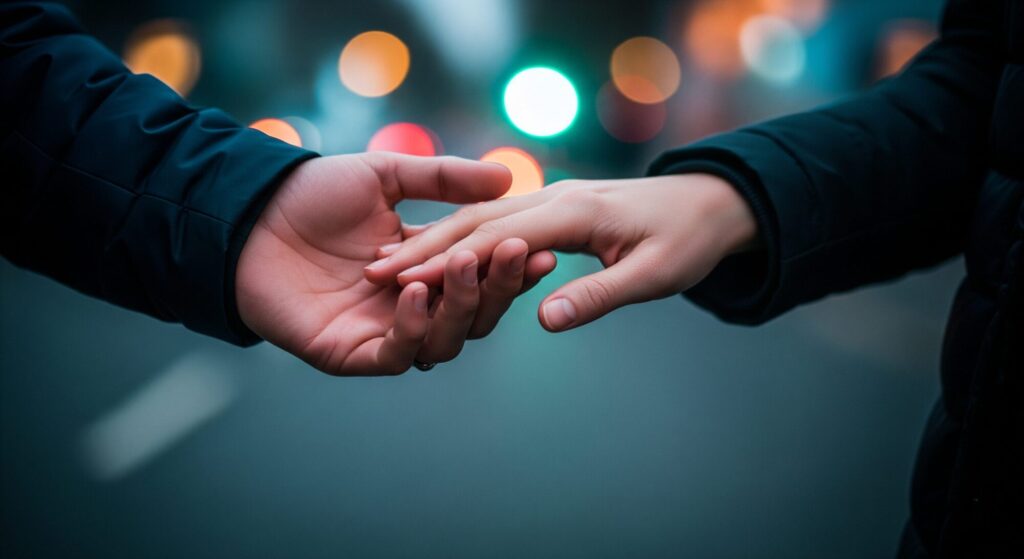
- The Unfisted Choice: Say “I love you” first, even when you’re terrified. Risk the open hand, knowing it might get struck, but that it’s the only way to hold another human being.
The cage door is open. You need to stop holding onto the bars and make the first move. Be the one who cooperates first. The choice to be truly free is constantly renewed with each new breath.
[“The Compound Choice” – Image by moneycatzzz.com]
The Open Hand in Hanoi
Two years later, on a different rooftop, the same conversation. This time in Hanoi, the city spreads below us like a circuit board of lights. “I need more from this,” my partner said.
I felt the familiar fist forming, the old pattern as comfortable as worn shoes. The urge to deflect with humor, to create chaos, to go ghost. All my defensive walls were assembling like some emotional IKEA furniture I could build in my sleep.
Instead, I kept my hands open on the table where he could see them. “I need more, too. I’m terrified. Let’s try.”
The truth about intimate relationships: they require us to be terrible at game theory. To cooperate when defection would be safer. To open when closing would be smarter. To choose vulnerability in relationships even when we know exactly how much it might cost.
The bells in Hanoi sound different from those in Florence, sharper and more insistent. But the choice remains the same in every city, every moment, every conversation that matters: defect and stay safe, or cooperate and stay human.
Love isn’t something we fall into; it’s something we cultivate. It’s something we choose not to self-sabotage, one open hand at a time.
What fists are you holding under the table? What would happen if you opened them? Share your stories of choosing vulnerability over safety in the comments. I’ll bring the courage if you dish the truth.
Resources: The Intellectual Foundation
The framework we’ve explored, that vulnerability and trust are actually strategic and quantifiable, is built on foundational concepts from game theory and psychology. To dive deeper into the ideas that inform this entire piece, consider adding these to your reading list:
- The Prisoner’s Dilemma, Decoded. You need to understand the fundamental logic for why cooperation makes sense, even when defection seems safer. For a precise, academic breakdown of this core game theory principle and the Nash Equilibrium.
- Trust as Biology: The Oxytocin Connection. It’s not just emotion; it’s chemistry. Acts of genuine vulnerability trigger the release of hormones like oxytocin, which neurologically cement trust in our relationships. Look here, t understand this biological process of rewarding cooperation.
- The Blueprint of Deflection: Adult Attachment. Our tendency to protect ourselves or trust easily often starts very early. If you want to see how those initial experiences shape your adult patterns of self-protection and connection, review the clinical literature on attachment theory.
Resources for Vulnerable Living:
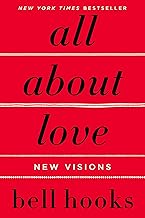
ALL ABOUT LOVE

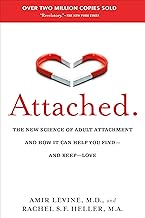
Attached
Rising Strong
Disclosure: This post may contain affiliate links. We only recommend products we believe in, and we may receive a commission at no cost to you! Thank you for your support!
Acknowledgment: Cover Image by moneycatzzz.com
Disclaimer: The information is provided for general information only – moneycatzzz.com makes no representations or warranties in relation to the information, including but not limited to any representation or warranty as to the fitness for any particular purpose of the information to the fullest extent permitted by law. While every effort has been made to ensure that the information provided in this article is accurate, reliable, and complete as of the time of writing, the information provided in this article should not be relied upon to make any financial, investment, real estate or legal decisions. Additionally, the information should not substitute advice from a trained professional who can take into account your personal facts and circumstances, and we accept no liability if you use the information to form decisions.