
 Reading Time: 8 mins #
 This post may contain affiliate links.
For years, I lived from the neck up. My body? A transportation device for my brain. I consulted it only when it malfunctioned: migraines, a jaw like a vise, a chest that tightened as if a bolt were turning from the inside. It took one very opinionated massage therapist to suggest my body wasn’t failing me. It was speaking. I’d just never learned the language of touch.
We live in a culture that privileges output and intellect. The body becomes a bio-machine to optimize, track, and aestheticize. But beneath the performance lies an older literacy; what scientists call interoception (your awareness of inner body signals) and somatic awareness (feeling and interpreting sensations). It’s not woo. It’s wiring. Your body communicates constantly, in a dialect of sensation, subtle tension, hormonal whispers, and touch. Our work is to listen.
What Is the “Language of Touch”? (Interoception and Somatic Awareness)
Interoception: perceiving internal signals (heartbeat, breath, hunger, tension) and using them to guide choices.
Somatic awareness: noticing the quality of those sensations: tight, heavy, fluttery, and the feelings they carry.
Mind-body connection: the feedback loop between sensation, emotion, and thought.
The gist: your body signals first; your mind labels later. That sequence is the native tongue we’re born speaking and the one many of us forget in a noisy, numbing world.

[“Touch: Our First Language” – Image by Gemini 2.5 Pro]
The Intelligence Beneath the Skin
We associate intelligence with logic and language, but bodies have their own embodied wisdom, shaped by evolution and expressed through our senses.
Neuroscientist Antonio Damasio’s work suggests “gut feelings” often precede and influence our cognitive conclusions; the body is instructive, not just reactive. Before you say “I feel anxious,” your heart rate likely rises, your stomach tightens, and your breath shallows. The feeling arrived before the label.
Touch: Our First Language
Touch develops first in the womb, one of the last senses to fade. It’s a primary regulation. When babies cry, we hold them. Not explain; hold. Resmaa Menakem writes in My Grandmother’s Hands that touch is deeply tied to safety, trauma healing, and resilience. As adults, we often bypass this wisdom. We try to “talk it out” when our nervous system asks to be soothed—lie down, exhale, hand to chest.
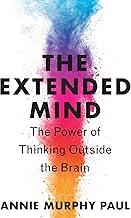
Movement is part of this literacy. Annie Murphy Paul collects research showing we think better when we gesture and often solve problems on the move. The brain and body aren’t separate systems; they’re a loop. Sensation is the language of that loop.
What Happens When We Don’t Listen
Ignoring body signals doesn’t erase them; it drives them underground. Headaches become chronic. Gut issues flare under pressure. Low-grade tension spikes into panic. These aren’t random malfunctions; they’re messages.
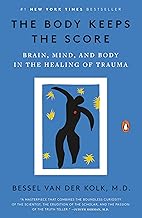
Research on emotion suppression shows that a short-term “calm” can reduce genuine positive experience and increase physiological load. Trauma research echoes this: the body keeps score because it’s trying to keep you safe and steer you home.
Emotion suppression (Gross & Levenson)
The Body Keeps the Score (Bessel van der Kolk)
When the Body Says No (Gabor Maté)
Note: If you’re experiencing persistent numbness, panic, sleep/appetite changes, or thoughts of self-harm, seek licensed care. This is educational, not medical advice.
A Quick Case Study: When the Body Shouts
Arianna Huffington famously collapsed from exhaustion in 2007, waking in a pool of blood after fainting at her desk. Her body had signaled through fatigue and stress; the message only landed when it screamed. That moment catalyzed a broader conversation about burnout and began her shift toward Thrive Global.
The lesson: the body whispers; the body shouts. Either way, it’s trying to bring us back into the right relationship with ourselves.
Relearning the Language: 6 Simple Practices
Feel before you fix. Small is on purpose.
Pause before the prescription Before you reach for Advil, caffeine, or a distraction, ask: “What is this sensation telling me?” Is the headache dehydration or a boundary you’re overriding? Is restlessness boredom, or a craving for movement?
Name the sensation (then the feeling) Try: “There’s a heaviness in my chest,” or “My jaw is tight,” before “I’m sad” or “I’m stressed.” This builds emotional granularity (a pillar of emotional intelligence) and anchors you in the present.
Micro-touch awareness Place a hand on your heart or cheek for 10–20 seconds, several times a day. These brief moments of touch can cue the parasympathetic nervous system toward regulation. You can be your own gentle presence.
Track patterns (your body map) Keep a tiny “body journal.” Note your sensations during meetings, calls, and decision-making processes. After two weeks, look for repeats. Patterns reveal your inner compass.
Move to inquire, not to perform Walk, stretch, sway—only to listen. Ask: “What feels tight? What feels fluid?” Let movement be a dialogue, not a demand for output.
Create rituals of reconnection A Sunday bath, barefoot park laps, and a 5-minute somatic check-in each morning. Rituals are containers where sensation is welcome, not suppressed.

[“Move to inquire, not to perform” – Image by Nano Banana]
FAQ: The Language of Touch
What is the language of touch in everyday life?
The language of touch is your body’s signaling system, comprising interoception and somatic awareness, which communicates through sensations (such as tightness, flutter, or warmth) before your mind forms words. Observing and trusting those body signals strengthens the mind‑body connection and emotional intelligence.
Is this just another name for mindfulness?
Mindfulness helps, but this is more specific: noticing and naming sensations, using touch and movement to regulate, and letting feelings inform choices (not run them).
How long will it take until I feel a difference?
Many people notice small shifts within 1–2 weeks of engaging in daily micro-practices (lasting 60–90 seconds at a time). Think re‑tuning, not flipping a switch.
The Body as Oracle, Not Obstacle
Your body doesn’t lie. It may not speak in words, but it speaks in truth. In a world that seduces us into overthinking and overscheduling, the body is often the last honest place—our sensor for reality. To listen is to return to an older wisdom that predates productivity, inviting embodied wisdom, intuition, and sensory literacy into daily life.
“You only have to let the soft animal of your body love what it loves.” — Mary Oliver.
The Day My Jaw Answered Back
On a Tuesday that had no business being dramatic, my massage therapist paused and said, “You’re not breathing in your back.” I laughed, and then I tried. One spread of breath, ribs widening like a quiet umbrella. My jaw unclenched a millimeter. Nothing changed on my calendar. Everything changed in my body. I walked home slower, one hand on my chest like a secret handshake. It was the first day in months that my body felt like a place I lived, not a thing I drove.
Three Tiny Practices to Try Today
60-second scan: Close your eyes. From crown to toes, name three sensations without fixing them. “Warm,” “tight,” “heavy.” That’s a whole conversation.
The hand-to-heart cue: Before you open your inbox or enter a meeting, hand to heart, one slow breath in, more extended breath out. Then proceed.
The “better by 10%” walk: Five minutes outside, phone stays home or pocketed. Ask: “What would make this moment 10% better: slower pace, broader gaze, softer jaw?” Do that.
Final Thoughts: The Quiet Revolution
The journey to learning the language of touch isn’t about adding another task; it’s about initiating a quiet revolution from within. In a world obsessed with noise, speed, and the following metric, the deepest form of defiance is to slow down and listen to the most authentic, quietest voice you possess—your own body.
Your body is not a machine to be driven or a problem to be solved; it is the oracle of your present reality and the final, most reliable sensor of truth. To listen to its subtle dialect of tension, ease and whisper is to reclaim a profound form of sovereignty.
Start small. Start today. Let one gentle hand-to-heart cue be the handshake that reintroduces you to yourself. That small act of embodied presence is where the language of touch begins, leading you not to productivity, but to a deeper, more peaceful form of being.
Expert Resources: Foundational Texts on Interoception and Trauma


Disclosure: This post may contain affiliate links. We only recommend products we believe in, and we may receive a commission at no cost to you! Thank you for your support!
Acknowledgment: Cover Image by moneycatzzz.com
Disclaimer: The information is provided for general information only – moneycatzzz.com makes no representations or warranties in relation to the information, including but not limited to any representation or warranty as to the fitness for any particular purpose of the information to the fullest extent permitted by law. While every effort has been made to ensure that the information provided in this article is accurate, reliable, and complete as of the time of writing, the information provided in this article should not be relied upon to make any financial, investment, real estate or legal decisions. Additionally, the information should not substitute advice from a trained professional who can take into account your personal facts and circumstances, and we accept no liability if you use the information to form decisions.