Listen to this podcast: (Headphones Recommended)
 Reading Time: 8 mins #
 This post may contain affiliate links.
What My Grandmother Taught Me About Quiet Power
Rethinking What Strength Looks Like
I used to think strength was loud.
It was found in the booming voices of boardrooms, in fiery debates on TV, in the hustle of people who always had somewhere to be and something to prove. As a kid, I looked at those people who commanded attention just by walking into a room and thought, that’s what power looks like.
But my grandmother, the woman who raised me, never walked into a room like that.
She didn’t need to.
She was the kind of woman most people passed on the street without a second glance; modest clothes, soft voice, and hands that bore the quiet calluses of a life spent working without applause. But in our house, she was gravity. Everything revolved around her. And not because she demanded it, because she embodied it. Her presence was like warm bread out of the oven: steady, grounding, impossible to ignore once you’d tasted it.

Lessons in Quiet Power from My Grandmother
I remember one morning in particular. I must have been around twelve, moody and full of opinions I didn’t yet understand. I stormed into the kitchen after a fight with my mother, red-faced and self-righteous. My grandmother didn’t scold me. She didn’t tell me to watch my tone or apologize. She just handed me a peeled orange.
“I used to feel like that, too,” she said quietly, not even looking up.
That was it.
No lecture. No judgment. Just a peeled orange and a soft acknowledgment that my anger had a place at the table. I sat down. I cried. She didn’t flinch. And somehow, without a single “power move,” she dismantled the storm inside me.
“Think about the quietest person you know. What kind of power do they hold?” Have you ever been loved so gently that it broke you open? Held not by force but by presence?
My grandmother never read a single leadership book. She didn’t need Simon Sinek, Brené Brown, or Lean In to teach her how to lead a family through decades of hardship, loss, and change. Her leadership came from something deeper, an instinctive wisdom, an unwavering commitment to showing up — a belief that doing the small things well, “day in, day out” was more powerful than any grand gesture.
The Difference Between Visibility and Presence
As I’ve grown older, I’ve realized how rare that power is. We’re taught to equate influence with visibility. We scroll past endless “thought leaders” and “influencers,” measuring impact by likes and loudness. But my grandmother? She would have failed every modern branding test. And yet, the imprint she left on me is more profound than any viral post could ever hope to be.
There’s real psychology behind this.
Susan Cain’s Quiet explores the undervalued power of introverts in a world that can’t stop shouting. She talks about how we mistake volume for leadership, forgetting that some of the most impactful thinkers: Einstein, Rosa Parks, and even Dr. Seuss, led from a place of stillness and reflection. Cain’s TED talk is worth watching if you’ve ever felt unseen in a noisy room.
And Daniel Kahneman, in Thinking, Fast and Slow, describes two systems of thought: the fast, reactive one that dominates headlines and the slower, more deliberate one that changes lives. My grandmother lived in that second space. She never rushed to speak. But when she did, people listened.
The Strength of Unseen Women
The older I get, the more I see the quiet women around me; the unassuming ones, the caretakers, the peacemakers, the ones holding fractured families together with nothing but patience and prayer. And I wonder how many of them go unnoticed, their strength mistaken for meekness, their dignity confused for deference.

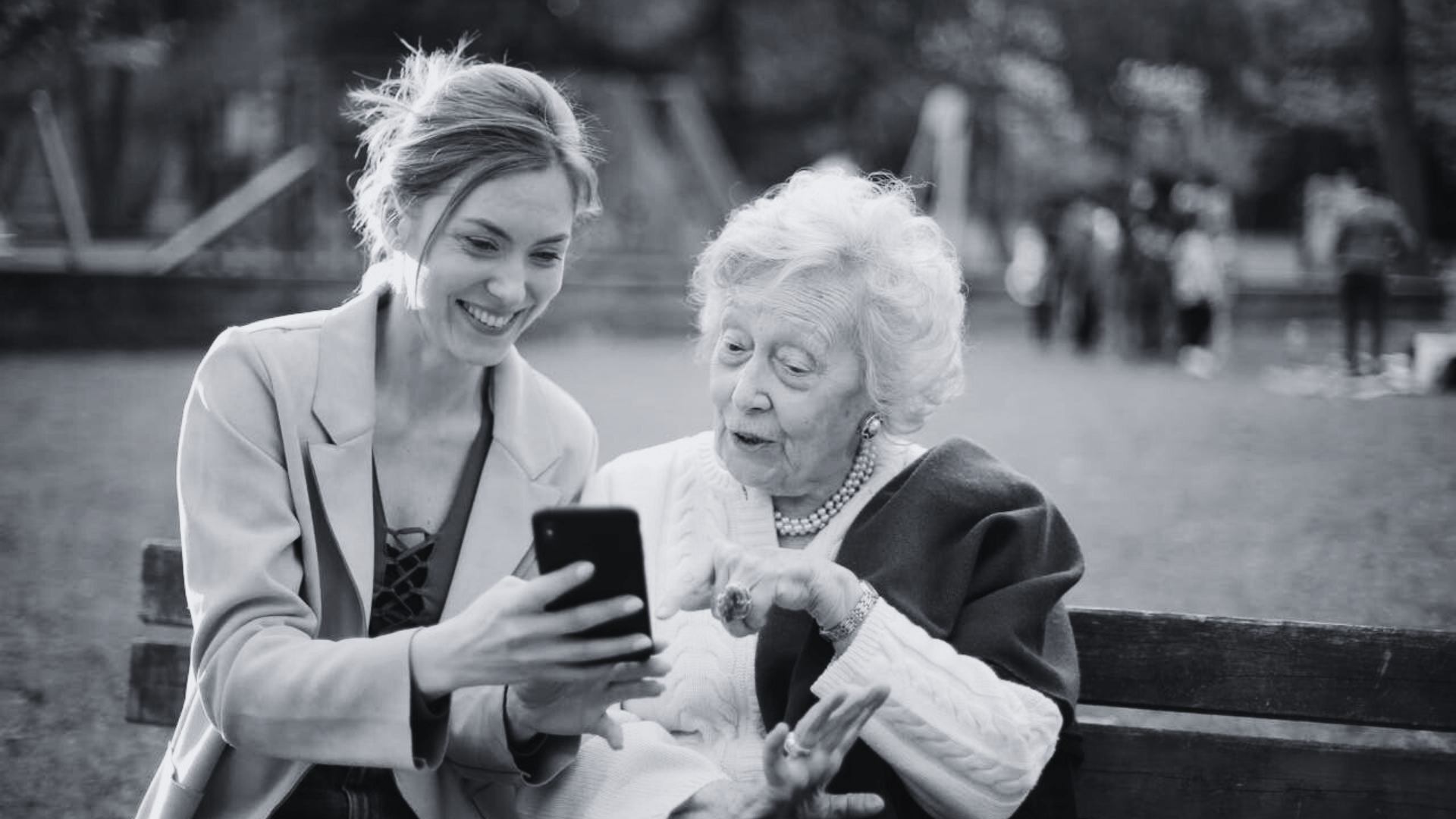
[“What My Grandmother Taught Me About Quiet Power” – Image by moneycatzzz.com]
You Might Also Like:

The Invisible Playbook: 6 Powerful Strategies to Shape Your Life’s Success
It’s no coincidence that studies show emotional labor still falls disproportionately on women. According to a Poal Poden piece in ResearchGate, women are more likely to manage the emotional well-being of others, often without recognition or compensation. That invisible work: remembering birthdays, sensing when someone’s hurting, calming tensions before they ignite, often keeps our communities and hearts intact.
And yet, how often do we overlook that power?
Saying Goodbye — and Feeling Full
I remember the day my grandmother passed. I was in my twenties, just beginning to understand the weight of what she’d carried all those years. We were sitting in the hospital room, sterile and still, when the nurse whispered, “She’s gone.”
I expected to feel panic. I expected to feel lost.
Instead, I felt… full.
Not because I wasn’t grieving — I was. Deeply. But because her strength had seeped into me over a lifetime of watching her hold space, forgive quickly, and live with grace. Her legacy wasn’t a dramatic goodbye. It was the hundreds of quiet mornings, the worn-out slippers by the door, the way she hummed while folding laundry.
That’s what quiet power looks like.
Four Lessons in Quiet Power
It’s easy to overlook women like her in a disruption-dominated world. But disruption isn’t always the goal. Perhaps the most radical thing we can do is hold steady, to become the kind of presence that doesn’t need to raise its voice to be heard.
So here’s what I’ve learned from her and what I try, however imperfectly, to pass on:
1. Your worth isn’t measured by visibility.
Some of the most powerful people in history were never famous. Impact doesn’t always look like a stage or a spotlight. Sometimes, it seems like peeling an orange for someone who’s hurting.
2. Stillness is a form of strength.
The ability to pause, listen, and remain grounded in the face of chaos is leadership. That’s wisdom. That’s love in action.
3. Kindness is not a weakness.
There is nothing soft about being kind in a complex world. It’s a rebellion against cynicism, a refusal to let the world harden you. My grandmother’s kindness shaped me more than any lecture ever could.
4. Legacy lives in the small things.
You don’t have to do something big to matter. Show up. Keep your promises. Fold the laundry. Call people back. Those things? They last.

[“Your worth isn’t measured by visibility” – Image by moneycatzzz.com]
The Quiet Revolution
As I write this, I sit at the same kitchen table where she once handed me that orange. The light hits the wood just right in the afternoon. And for a moment, I swear I can hear her humming.
We talk a lot about changing the world.
But maybe, sometimes, the world is changed by women like her; women whose names aren’t on buildings but whose fingerprints are all over the lives they touched.

So, if you’re reading this and thinking of someone like that: a grandmother, an aunt, a neighbor, maybe even yourself — I want you to know: I see you. And I honor you.
I have carried this in my heart since someone showed me this quote by Maya Angelou on a postcard:
“People will forget what you said, people will forget what you did, but people will never forget how you made them feel.“
Let the world keep shouting.
We’ll keep humming.
Disclosure: This post may contain affiliate links. We only recommend products we believe in, and We may receive a commission at no cost to you! Thank you for your support!
Acknowledgement: Photo by Andrea Piacquadio
Disclaimer: The information is provided for general information only – moneycatzzz.com makes no representations or warranties in relation to the information, including but not limited to any representation or warranty as to the fitness for any particular purpose of the information to the fullest extent permitted by law. While every effort has been made to ensure that the information provided in this article is accurate, reliable, and complete as of the time of writing, the information provided in this article should not be relied upon to make any financial, investment, real estate or legal decisions. Additionally, the information should not substitute advice from a trained professional who can take into account your personal facts and circumstances, and we accept no liability if you use the information to form decisions.