
 Reading Time: 8 mins #
 This post may contain affiliate links.
Right now, you have 17 browser tabs open. Three are job boards, five are online courses you’ll “definitely start soon,” four are apartment listings in different cities, and the rest are think pieces about finding your passion. This state of constant availability leads directly to Decision paralysis. You’re not browsing. You’re bleeding. Every unmade decision is an open wound draining your energy, and here’s the kicker: You think keeping options open makes you free. But you’re not free. You’re trapped in what quantum physicists call superposition, and unlike Schrödinger’s famous cat, you’re dying a thousand small deaths instead of living one real life.
You’re Not Indecisive—You’re in Superposition
Let me tell you about Schrödinger’s cat without the physics lecture. In 1935, a physicist created a thought experiment: a cat in a box that’s simultaneously alive and dead until someone opens the box to check. The act of observing forces reality to pick a lane.
Sound familiar? That’s your life right now.
You’re simultaneously an entrepreneur and an employee. Single and partnered. Saving and spending, and moving to Bali and staying in suburbia. You exist in all states simultaneously because choosing one would eliminate all the others. This isn’t indecision; it’s decision paralysis dressed up as keeping your options open.
Modern life has turned us all into quantum particles, existing in multiple states until we are forced to collapse into a single reality. But here’s what Schrödinger didn’t tell you: the cat isn’t suffering because it might be dead. It’s suffering because it can’t fully live its life.
The exhaustion you feel isn’t a result of your busy life. It’s from maintaining seventeen parallel universes that will never converge. Every moment you delay the choice, the observation, you’re paying rent on futures you’ll never inhabit.
The Three Boxes You’re Afraid to Open
After coaching hundreds of people through decision paralysis, I’ve noticed we all have the same three boxes we’re terrified to open. Let’s look inside without killing anything — yet.
The Career Cat: Professional Superposition
Meet Marcus. His LinkedIn profile reads like the product of five different people having a baby. He’s a “Marketing Strategist / Life Coach / Real Estate Investor / Startup Advisor / Content Creator.” He maintains five email signatures, three websites, and a lack of focus.
Marcus isn’t multi-talented. He’s multi-terrified.
He’s so afraid of choosing wrong that he’s chosen everything, which is actually choosing nothing. His decision paralysis has created a career that’s broad as an ocean and deep as a puddle. Every networking event, he shape-shifts depending on who’s asking. Every Monday, he wakes up not knowing which version of himself to be.
The Professional Superposition trap convinces you that having multiple paths keeps you safe. But safety is an illusion when you’re too scattered to excel at anything. You’re not hedging bets, you’re guaranteeing mediocrity.
The worst part? Deep down, Marcus knows exactly what he wants to do. But admitting it would mean mourning all those other possible Marcuses. So he stays in a state of superposition, professionally alive and dead, flourishing and failing, everything and nothing.
The Money Cat: Financial Superposition
Then there’s Jennifer. She has twelve savings accounts. Not because she’s organized, but because she can’t commit to a single financial future.
There’s the house fund (but what if she wants to travel?). The retirement account (but what if she dies young?). The emergency fund (but what if there’s no emergency?). The business startup fund (but what if it fails?). The kids’ college fund (but what if she doesn’t have kids?).
Jennifer’s analysis paralysis has led to a financial strategy that prepares for everything but achieves nothing. She’s saving for seventeen different lives she’ll never simultaneously live. Her money, like her, exists in a state of superposition: it’s both wealth and poverty, depending on which future crystallizes.
This Financial Superposition is the modern curse of too many options. We’ve been told to diversify, but we’ve confused diversification with dilution. Jennifer could have achieved any one of her goals by now if she’d picked one and poured everything into it. Instead, she’s financially prepared for a life she’s too paralyzed to choose.
The Relationship Cat: Emotional Superposition
And finally, Alex. Three years into a relationship that still doesn’t have a label. They’re together but not official. Exclusive but not committed. Living together but maintaining separate leases “just in case.“
Alex calls it “keeping things flexible.” Their therapist calls it commitment phobia. I call it Emotional Superposition; the relationship exists in all states until someone forces The Conversation.
This isn’t just about romance. It’s about any identity you’re afraid to claim. Parent, but not really. Writer, but with a day job. Leader, but only sometimes. You keep every identity slightly undefined so you can’t fail at any of them.
But undefined isn’t the same as unlimited. It’s the opposite. When you refuse to collapse your emotional wave function, choosing who you are and what you want, you can’t build anything real. You’re so busy maintaining optionality that you never experience actuality.
Why Observation Changes Everything
Here’s the quantum truth nobody wants to hear: The moment you choose, really choose, all other options disappear. And that’s precisely why you should do it.
In physics, this phenomenon is known as wave function collapse. In life, I call it Strategic Collapse. It’s the moment you stop living in probability and start living in reality. Yes, you lose potential futures. But you gain an actual present.
When you finally overcome decision paralysis and make the observation: take the job, commit to the relationship, pick the city, something magical happens. All that energy you were using to maintain multiple realities? It redirects into your chosen path. This is why people who commit fully often seem to have superpowers. They’re not more talented. They just aren’t leaking energy through seventeen quantum holes.
Neuroscience backs this up. The brain treats unmade decisions as open loops, constantly running background processes to maintain them. Each open loop drains cognitive resources. But when you decide, when you collapse the superposition, your brain literally sighs with relief. Resources consolidate. Focus sharpens. Progress accelerates.
How to Open the Box Without Killing the Cat
So how do you overcome decision paralysis without existential panic? You need a Strategic Collapse: a conscious, structured way to choose one reality without mourning all the others.
The Pre-Collapse Audit
First, list every superposition you’re maintaining. Career paths, relationship statuses, financial goals, identity questions — get them all on paper. Then calculate the cost.
For each open option, ask:
- How much mental energy does maintaining this cost daily?
- What am I not doing because I’m keeping this door open?
- Is this option based on desire or fear?
- If I knew I couldn’t fail, which would I choose?
Most people discover that they’re maintaining options they no longer want. They’re paying rent on fears, not futures.
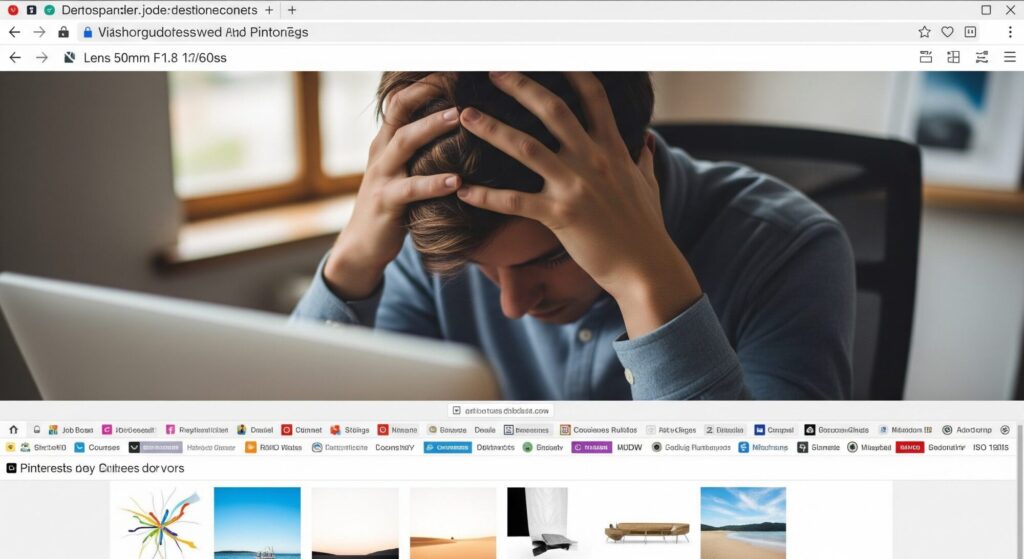
[“”Career Cat – Analysis Paralysis” Image by Gemini 2.5 Pro]
The Collapse Protocol
Now comes the choosing. But here’s the secret that makes decision paralysis bearable: You’re not choosing forever.
The 90-Day Collapse: Pick one superposition. Collapse it completely for 90 days. If you’re torn between careers, commit fully to one for a period of three months. No hedging. No side hustles. No LinkedIn updates about your other interests. Total commitment to one reality.
The Reversal Clause: Build in checkpoints. After 90 days, you can reopen the box if needed. This isn’t failure, it’s data. But here’s what happens: Most people don’t want to reverse. The relief of choosing, the progress from focus, the identity from commitment, it feels too good to give up.
The Energy Redirect: Track what happens when you stop maintaining multiple realities. That mental energy has to go somewhere. Channel it into your chosen path. Watch how fast you progress when you’re not splitting attention between seventeen possibilities.
Post-Collapse Integration
The hardest part isn’t choosing, it’s staying chosen. Your brain will panic initially, screaming about missed opportunities and closed doors. This is normal. It’s the extinction burst of your decision paralysis.
Here’s how to integrate your collapsed reality:
- Publicly commit to your choice (harder to reverse)
- Remove triggers of other options (unsubscribe, unfollow, delete)
- Invest heavily in your chosen path (courses, connections, resources)
- Create identity around your choice (I am, not I’m trying)
- Celebrate small wins that validate your decision
Remember: The other paths were never absolute. They were quantum ghosts, probability clouds that looked solid but would have evaporated the moment you tried to grasp them.
People Who Opened the Box and Thrived
J.K. Rowling: The Collapse of Financial Superposition
For years, she was simultaneously an aspiring novelist with a masterpiece brewing and a single mother receiving welfare benefits. Her life was an intense quantum state: wealth and poverty existed in the same box, dependent entirely on an unproven possibility (the manuscript).
Her Strategic Collapse wasn’t easy. She endured 12 publisher rejections — 12 opportunities to retreat into the perceived safety of a known reality. But she had already decided who she was: a writer. She poured her entire, undivided mental energy into making that single, chosen reality true. That total commitment to the one path, despite the painful opportunity cost of not seeking a stable job, is what allowed the financial wave function to collapse into the reality we know today. She chose the uncertainty of potential over the certainty of current limitations.
Howard Schultz: The Collapse of the Career Superposition
Howard Schultz of Starbucks offers a powerful example of the Career Superposition. He was a successful executive at the original, small Starbucks, but was consumed by his vision to bring Italian-style espresso bars to America. He was simultaneously a salaried employee and a visionary entrepreneur.
When his bosses rejected his idea, he made the difficult, intentional choice: He collapsed the career superposition by walking away from the stability of his corporate role to pursue the unproven. The difficulty didn’t end there. His commitment was immediately tested as he faced 217 rejections from 242 investors while trying to raise initial funds. Most people would have retreated into analysis paralysis or gone back to the safety of a corporate job. Schultz proves that the purpose of Strategic Collapse is not immediate success, but undivided focus. By not giving himself a Plan B, he eventually forced the financial and professional realities to align with his singular, determined choice.

[“Strategic Collapse” – Image by moneycatzzz.com]
Your Personal Collapse Checklist
How do you know if you’re stuck in superposition? Here are the symptoms of chronic decision paralysis:
✓ You introduce yourself differently depending on who’s asking
✓ Sunday nights bring existential dread about which life to live on Monday
✓ You have more than three “backup plans” for any major decision
✓ Your browser bookmarks read like seventeen different people’s interests
✓ You use words like “exploring,” “considering,” “keeping options open” constantly
✓ You feel exhausted despite not moving forward in any direction
✓ You know precisely what you want but have seventeen reasons why “now isn’t the right time“
If you checked more than three, you’re not indecisive. You’re in superposition. And it’s killing your dreams one maintained possibility at a time.
Frequently Asked Questions
Q: What if I choose wrong and regret my decision?
You're already making a mistake by not making a choice. Regret from action teaches you something. Regret from inaction compounds. Plus, with the 90-day collapse model, you can adjust course with data instead of anxiety.
Q: Isn't keeping options open smart in an uncertain economy?
There's a difference between strategic optionality and paralytic possibility. One backup plan is brilliant. Seventeen is self-sabotage. You're not hedging against uncertainty, you're creating it.
Q: I'm a multipotentialite. Won't choosing one thing kill my creativity?
Constraints enhance creativity. When you collapse into one path, you can still express your multiple interests through that lens. A multi-passionate entrepreneur is powerful. A multi-passionate person is just exhausted.
Q: How do I know which option to collapse into?
If you're truly torn between equal options, choose the one that scares you most in a good way. Fear of failure is information. Fear of success is revelation. Choose growth over avoidance of discomfort.
Q: What if other people judge my choice?
They're already judging your indecision. At the very least, give them something interesting to judge. Additionally, most people are too busy maintaining their own superpositions to concern themselves with your collapse.
The Paradox of Infinite Possibility
Here’s the final truth about decision paralysis: Keeping all options open is the best way to ensure none of them happen.
You think you’re maintaining possibility, but you’re actually guaranteeing impossibility. Every day you don’t choose is a day you can’t compound. Every moment in superposition is a moment you’re not building momentum in any direction.
Schrödinger’s cat was a thought experiment that explored the concept of quantum mechanics. But your life isn’t theoretical. It’s happening right now, in this moment, in whatever superposition you’re maintaining.
The question isn’t whether to open the box. It’s whether you want to be fully alive in one reality or partially dead in seventeen.
So I’ll ask you what I ask all my clients drowning in decision paralysis: Which box are you finally ready to open? Which superposition has cost you enough? Which collapse would feel like coming home?
The cat doesn’t care if it’s alive or dead. But you’re not a cat, and this isn’t quantum physics. This is your one wild and precious life, bleeding out through unmade decisions.
Choose something. Choose anything. But for the love of all that’s quantum and sacred — choose.
Which reality will you collapse into today?
Deep Dive into Decision Paralysis, Focus, and the Cost of Optionality
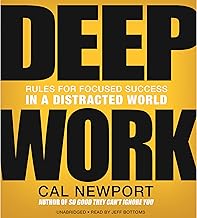
Deep Work

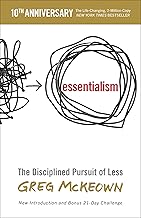
Essentialism
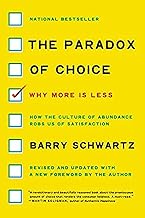
The Paradox of Choice
Disclosure: This post may contain affiliate links. We only recommend products we believe in, and We may receive a commission at no cost to you! Thank you for your support!
Acknowledgment: Cover Image by moneycatzzz.com
Disclaimer: The information is provided for general information only – moneycatzzz.com makes no representations or warranties in relation to the information, including but not limited to any representation or warranty as to the fitness for any particular purpose of the information to the fullest extent permitted by law. While every effort has been made to ensure that the information provided in this article is accurate, reliable, and complete as of the time of writing, the information provided in this article should not be relied upon to make any financial, investment, real estate or legal decisions. Additionally, the information should not substitute advice from a trained professional who can take into account your personal facts and circumstances, and we accept no liability if you use the information to form decisions.