
 Reading Time: 8 mins #
 This post may contain affiliate links.
In a world of relentless noise, clarity has become a rare currency. The average knowledge worker is bombarded with up to 120 daily notifications, juggles five tools at once, and is interrupted every 11 minutes. In the chaos of this digital era, it isn’t speed that wins; it’s signal. It’s the person who can rise above the frenzy and say something that truly lands.
That’s why clarity is no longer a soft skill. It’s a strategic asset.
It’s the Clarity Premium, and those who can cultivate it: deep thinkers, slow thinkers, reflective decision-makers, are poised to lead the next era of work.
In a world addicted to immediacy, clarity isn’t just rare, it’s revolutionary. It separates signal from noise, direction from distraction, and in this age of overstimulation, those who master it won’t just survive, they’ll set the pace.
The Tyranny of Noise and the Loss of Coherence
We live in what Tristan Harris (of The Social Dilemma) calls a “race to the bottom of the brainstem.” Algorithms don’t reward nuance. They reward novelty, outrage, and repetition. In this environment, our minds are trained to scroll, skim, and react but rarely reflect. We confuse urgency with importance. We trade depth for dopamine, losing our internal coherence.
And so, entire industries operate in panic mode.
Professionals ping from Slack to Zoom to Notion to email, rarely spending more than five minutes on any one thought. As Cal Newport argues in Deep Work, the ability to maintain undistracted focus is becoming increasingly rare and valuable. Newport calls this deep focus the “superpower of the 21st century.” The best minds of our generation are not the fastest, they are the most focused.
Why Clarity is the Competitive Edge
Clarity is not just about being articulate. It’s about the discernment to know what matters, and the discipline to communicate it well. This disciplined thinking is what builds true resilience against digital overload.
Warren Buffett famously reads 500 pages daily, not to consume more, but to think more clearly. Jeff Bezos of Amazon implemented a policy of six-page memos instead of slide decks, specifically designed to cultivate slow, structured thinking and clarity.
This kind of deliberate clarity leads to:
Better decision-making and innovation.
More trust in leadership.
Higher creative output and coherence.
Lower burnout and higher mental resilience.
It’s the antidote to ambiguity. In overstimulated teams, clarity restores coherence. In reactive cultures, clarity creates resilience. In chaotic industries, clarity allows for emotional intelligence, superior innovation, and better client communication.

[“Solitude with Structure (Solution for Focus)” – Image by moneycatzzz.com]
The Rise of the Thoughtful Professional
In a business landscape dominated by hot takes and “hustle porn,” there is a growing hunger for professionals who offer depth over dopamine. They prioritize their focus as a core asset.
We see this shift everywhere:
The rise of long-form podcasts (like The Tim Ferriss Show or On Being with Krista Tippett).
The quiet dominance of highly curated newsletters like The Marginalian by Maria Popova.
The return of analog tools like paper notebooks and minimalist devices like the reMarkable, designed to maximize focus.
We’re quietly rebelling against the flood. And the professionals who will thrive are not necessarily the most visible, but the most intentional in their pursuit of clarity.
The Habits of Clarity Thinkers: Building Resilience and Coherence
So, how do you cultivate the clarity premium? By making cognitive investments that build mental resilience and coherence.
Here are four daily practices to enhance your focus:
Solitude with Structure: Block 60 minutes daily for deep work: no meetings, no messages, just one clear objective. This practice strengthens focus. (Use a tool like Freedom.to to protect your time.)
Reflective Writing: Maintain a journal to clarify your thoughts. The Daily Stoic Journal or tools like Day One can help build internal coherence.
Information Fasting: One day a week, consume less content. Don’t check the news, don’t open social media. Let your mind metabolize what it already knows, increasing your resilience to the digital noise.
Slow Conversation: Replace networking with true dialogue. Ask better questions. Listen deeply. Let silence do some of the talking. This is the cornerstone of applied emotional intelligence and clarity in relationships.
These are not productivity hacks. They are cognitive investments. Clarity takes effort, but its return compounds.
Clarity in Leadership and Communication
In leadership, clarity reduces friction. A communicated vision, delivered with coherence, can move teams through ambiguity. A well-phrased question can unlock group intelligence. A calm, centered voice that demonstrates emotional intelligence can bring stability to a panicked room.
Patagonia’s former CEO Rose Marcario led the company through major political shifts not by reacting louder than others, but by staying clear on their values and articulating them publicly. This kind of value-based clarity resonates in every market.
In client work, clarity builds trust. Consider Donald Miller’s StoryBrand framework, which simplifies messaging to address customer pain points. The value is not in volume, but in how clearly information is curated for user action.
Whether you’re a coach, a founder, or a product designer, the premium is clarity.

[“Slow Conversation / Clarity in Leadership (Outcome/Benefit)” – Image by moneycatzzz.com]
Reframing the Urge for More: A Mindset of Essentialism
Part of the clarity crisis is cultural. We mistake motion for meaning. Our default question is: “What else should I be doing?” Instead, ask: “What is essential (for clarity), and what can I strip away?”
This echoes Greg McKeown’s Essentialism, which offers a disciplined pursuit of less: not as a minimalist trend, but as a high-performance mindset to regain coherence and focus.
The most effective professionals are not those who do more. They are those who do less, better. The discipline to filter, pause, and choose fewer but truer priorities is no longer optional. In a hyperstimulated world, restraint isn’t retreat; it’s mastery built on emotional intelligence and deep resilience.
❓ 4-Question FAQ for Clarity & Focus
1. What is the difference between Clarity and Focus?
Focus is the mental state of concentration—the ability to direct attention to one task. Clarity is the outcome of that focus; it's the understanding and articulation of what is essential, valuable, and strategically correct. You need focus to achieve clarity.
2. How does overstimulation specifically affect my emotional intelligence?
Constant overstimulation forces your brain into a state of reactivity (fight-or-flight), inhibiting the prefrontal cortex where complex social and emotional processing occurs. This state prevents the necessary calm required for empathy, active listening, and thoughtful response—all critical components of emotional intelligence.
3. Is information fasting a form of digital detox, and how does it build resilience?
Information fasting is a targeted digital detox. It builds cognitive resilience by training your mind to tolerate boredom and generate its own insights rather than constantly relying on external input for distraction. This helps your internal system regain coherence and strengthens your ability to withstand the pull of digital noise.
4. What is coherence, and why is it important for leadership?
Coherence refers to the state where all parts of a system—your thoughts, actions, and communication—are consistent and aligned. In leadership, this means your vision, values, and decisions are in perfect alignment. This creates psychological safety and trust in teams, making the leader's direction unmistakable and easy to follow.
Final Reflection: Becoming a Signal in the Noise
The world doesn’t need more content, it needs more signal.
To build a reputation in today’s market: cultivate clarity as your calling card. Think deeply before you speak, write with precision, cut the clutter in your calendar, pitch, and strategy. Lead with coherence and resilience.
Because in an overstimulated world, clarity isn’t just kindness. It’s power.
Clarity Tools & Resources Curated links to help you cut through the noise and cultivate deep focus.
Apps That Help
Freedom.to – Digital Distraction Blocker: Block sites, apps, or the internet. Designed for thinkers who need uninterrupted time to create honest work.
Recommended Reads
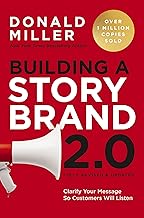
Building a StoryBrand

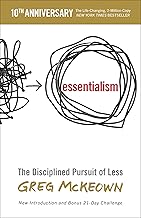
Essentialism
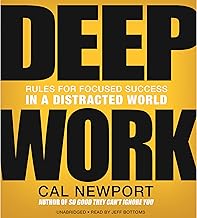
Deep Work
Disclosure: This post may contain affiliate links. We only recommend products we believe in, and we may receive a commission at no cost to you! Thank you for your support!
Acknowledgement: Cover Image by moneycatzzz.com
Disclaimer: The information is provided for general information only – moneycatzzz.com makes no representations or warranties in relation to the information, including but not limited to any representation or warranty as to the fitness for any particular purpose of the information to the fullest extent permitted by law. While every effort has been made to ensure that the information provided in this article is accurate, reliable, and complete as of the time of writing, the information provided in this article should not be relied upon to make any financial, investment, real estate or legal decisions. Additionally, the information should not substitute advice from a trained professional who can take into account your personal facts and circumstances, and we accept no liability if you use the information to form decisions.