
 Reading Time: 8 mins #
 This post may contain affiliate links.
The streetlights were throwing coins across the windshield on the drive home. I tasted metal, pennies and pride, and the easy laughter from an hour ago kept echoing wrong, a naming without shame moment. I’d told a story that wasn’t mine to tell. It got a big laugh. It cost us something small and tangible.
At the stop sign near the school, I felt the tug to brighten, to turn on music, to outrun the flinch. Shame loves the fast lane; it says, “Hide, edit, distract.” The courage here is slow. I turned down the radio and let the quiet make a little room.
In our driveway, I kept both hands on the wheel and said the small thing I had: “I used your hard day for a joke.” The sentence trembled and stayed. I didn’t ask to be absolved. I didn’t explain why. I let the air hold it.
The Small Door of Naming Without Shame
A live redo (what it sounds like in the wild)
We sat there, car ticking as it cooled. I tried again, closer to the ground.
- “I used your hard day for a joke. I’m sorry.”
- Silence, then: “Yeah. It stung.”
- “I want to put it back. Anything you need right now?“
- “Just… don’t do that again. And please don’t tell that story anymore.“
- “Got it. I won’t.”
No speeches. No “but.“ The redo isn’t a performance; it’s a hinge. This is honest naming turned into gentle accountability: one door opens, air moves, and we both stay human. Later, I sent the quiet follow-through: I texted the friend who’d been there to say I shouldn’t have told that story and won’t again — a micro-repair, small and exact.
Say it once, then hush. Let the room breathe.
What the body knows (and how to help it)
My first apology drafts are written in the heat of the moment, fueled by adrenaline. If my chest is buzzing or my jaw is tight, I use the cooling‑off rule — thirty minutes, one lap around the block, then I come back with a steadier mouth. That pause isn’t avoidance; it’s respect for physiology.
I pair that with a self‑compassion practice: one hand on the sternum, one on the belly, one breath that says, “Of course this is hard.“ The Greater Good Science Center has a grounded primer on self‑compassion that keeps the steps simple without drama. The body unbristles; the tongue softens; the sentence finds its correct size.

[“Language of Dignity and Repair” – Image by moneycatzzz.com]
Language that keeps dignity intact
I keep a pocket list for when my brain wants a monologue.
Phrases that help:
- “I did X. I’m sorry.“ (honest naming)
- “I won’t do that again.“ (gentle accountability)
- “Is there anything small that would help?“ (repair without drama)
Phrases to retire:
- “If you felt hurt…“ (puts doubt on their reality)
- “I’m sorry, but …“ (erases the apology)
- “I was just …” (centers intention over impact)
When the room isn’t safe (truth with protection)
Not every room can hold your truth. If power’s crooked or tempers flare, naming without shame might happen on paper first, or with a friend on speaker as you walk under trees. Shame resilience grows when truth and protection travel together: you say the exact thing, and you also choose daylight, distance, or a witness. Stanford’s center on compassion research frames compassion as a trainable muscle, which helps me keep my footing when the room runs hot.
If the pattern is chronic, I widen the work to boundaries and pacing, with less confession and more calibration. That’s where listening like a bridge steadies me, and where The Slow Art of Trust reminds me to build credibility in grains, not grand gestures
Bringing the books into the kitchen
When the shame‑storm swells, I hear Tara Brach somewhere near the sink: “This, too.“ Not to excuse, but to include. Naming without shame begins with embracing yourself, even when you’ve fallen short. That belonging steadies your reach.
And when I want to earn my way back with a huge speech, Brené Brown’s The Gifts of Imperfection taps the brakes: let it be imperfect and authentic. Wholeheartedness isn’t florid; it’s faithful. Those two voices, acceptance and courage, have turned my apologies from auditions into practice.
Scaling trust, one inch at a time
Some repairs don’t resolve in a scene. That’s when I lean on the habits that make a climate:
- Keep the stories that aren’t mine, mine. Full stop.
- Deliver a tiny precommitment I can actually keep. Text me if I’m late, and reevaluate when I say I will.
- Use the small door back inside everyday boundaries; choose the next right inch, not the grand fix.
Naming without shame is less a technique than a posture. It says, “I can look at what I did and stay.“ That staying is what trust learns to trust.

[“The Body’s Pause” – Image by moneycatzzz.com]
Gentle Practices (You Can Keep on Hard Days)
These practices ensure your small promises are steady, even when your energy is low:
- One-Line Truth: Write the single, clear sentence you’d say if the room could only hold one breath — precision before performance.
- Body First, Then Words: Before you speak or act, try a self-compassion practice: a walk, a glass of water, or one hand on your heart. Soothe before you solve.
- Close the Loop: After you identify a failure or error, immediately take one small, concrete step to begin the repair, such as texting a friend, deleting a post, or redoing the moment rather than just apologizing.
- Small Accountability: Promise yourself a tiny, precise accountability measure (like documenting the mend in your notebook) that you will keep, even when you’re tired.
- Retire “But”: When explaining a mistake, replace “but” with a period. Then let the silence take hold — integrity over excuse.
FAQ: Your Questions Answered
Q: What does naming without shame sound like?
A: One clear line about your action, no backstory, followed by a quiet and simple offer to repair.
Q: How is this different from blaming myself?
A: Blame tightens and performs; naming locates and steadies. You keep dignity while taking responsibility.
Q: What if I can't say it immediately?
A: Use the cooling‑off rule, practice one self‑compassion breath, then return with the smallest true sentence you can keep.
Q: Can small moments like this really shift trust?
A: Yes—micro‑repairs, kept consistently, change the climate more than grand apologies do.
Q: What if the other person won't engage?
A: Keep your side clean, protect yourself, and build patterns of care over time; not all repair is relational, some is personal alignment.
Final Thoughts: The Climate of Trust
Let the sentence be small, and the follow-through be steady.
The moment of naming a mistake, that honest, single line, is the hardest part, but it’s only the first breath. The actual work isn’t in the apology; it’s in the quiet, reliable pattern you build afterward. If something winced today: a relationship, a value, or your own integrity, name it kindly, then move just one inch toward repair.
This is how we stop the cycle of shame. We learn that we don’t need a grand fix or a performance; we need to return to the work. That commitment to staying human, to showing up when the cloth has been snagged, creates a new climate. The climate is not perfect, but it is safe. And that willingness to look at what you did and stay is ultimately the only thing trust needs to know.
Essential Reads for Rebuilding Trust

Radical Acceptance


The Gifts of Imperfection
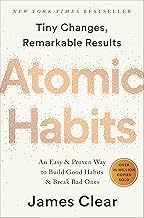
Atomic Habits
Disclosure: This post may contain affiliate links. We only recommend products we believe in, and we may receive a commission at no cost to you! Thank you for your support!
Acknowledgement: Cover Image by moneycatzzz.com
Disclaimer: The information is provided for general information only – moneycatzzz.com makes no representations or warranties in relation to the information, including but not limited to any representation or warranty as to the fitness for any particular purpose of the information to the fullest extent permitted by law. While every effort has been made to ensure that the information provided in this article is accurate, reliable, and complete as of the time of writing, the information provided in this article should not be relied upon to make any financial, investment, real estate or legal decisions. Additionally, the information should not substitute advice from a trained professional who can take into account your personal facts and circumstances, and we accept no liability if you use the information to form decisions.