
Master Emotional Intelligence to Enhance Your Emotions & Relationships
Imagine entering a tense negotiation and immediately understanding the underlying emotions at play. Or picture yourself navigating a heated argument with a loved one with empathy and grace. These scenarios underscore the immense power of emotional intelligence (EQ) in managing emotions & relationships effectively.
According to recent studies, 76% of employees believe EQ is critical for workplace success, impacting communication, teamwork, and conflict resolution. Furthermore, research indicates that 90% of top performers possess high emotional intelligence, highlighting its significance in achieving professional excellence.
In personal relationships, developing emotional intelligence enables better understanding and management of your emotions and those of others, fostering stronger, more satisfying connections.
Enhancing your emotional intelligence can significantly improve your interactions and relationships, leading to tremendous success and fulfillment in various aspects of life.
“The single most important skill in life is the ability to delay gratification.” – Daniel Goleman, Author of “Emotional Intelligence”
Master Emotional Intelligence to Strengthen Emotions & Relationships
Imagine entering a tense negotiation and instantly recognizing the emotions or handling a heated argument with empathy and control. This is the power of emotional intelligence (EQ)—a crucial skill for success in both personal and professional life.
What is Emotional Intelligence (EQ) and Why Does It Matter?
Emotional intelligence is the ability to recognize, manage, and influence emotions—both your own and those of others. It consists of five core components:
- Self-Awareness – Understanding your emotions and their impact.
- Self-Regulation – Controlling emotional reactions to stay composed.
- Social Awareness – Recognizing and responding to others’ emotions.
- Relationship Management – Navigating social interactions effectively.
- Motivation – Using emotions to drive personal growth and success.
Why Developing EQ is Key to Success
According to the World Economic Forum, 90% of top performers have high EQ, highlighting its role in career growth and leadership. Research also confirms that emotional intelligence strongly predicts happiness and well-being. Investing in EQ development enhances professional success, personal fulfillment, and healthier relationships.
Cultivating Your Emotional Intelligence: A Practical Guide
1. Mastering Self-Awareness: The Foundation of EQ
Self-awareness is the cornerstone of mastering emotional intelligence. It involves recognizing emotions as they arise and understanding their impact on your decisions and relationships.
Strategies to Strengthen Self-Awareness
- Pay Attention to Your Body – Physical cues like a racing heart or tense muscles can signal emotional responses. Recognizing them early helps in managing reactions effectively.
- Identify Emotional Triggers – Notice recurring patterns in situations or interactions that provoke strong emotions. Anticipating these triggers allows for better control.
- Practice Journaling – Reflecting on your emotions daily enhances self-awareness, helping you understand patterns and thought processes.
- Use Self-Assessment Tools – Online EQ quizzes and leadership exercises can provide valuable insights into your emotional strengths and areas for growth.
By focusing on self-awareness, you lay the groundwork for improving emotions & relationships, ultimately strengthening personal and professional connections.
“Leadership is not about titles, positions or the power you’re perceived to hold. It’s about making a positive impact on the lives of those around you and helping them become better versions of themselves.” – Ken Blanchard, Author and Management Consultant
2. Mastering Your Emotions: From Reactivity to Response
Recognizing emotions is only the first step in mastering emotional intelligence. The real challenge lies in managing them effectively. Emotional self-regulation empowers you to respond thoughtfully instead of impulsively, improving both emotions & relationships in the process.
Effective Strategies for Emotional Regulation
- Practice Mindfulness – Techniques like meditation increase emotional awareness, helping you stay present and in control. Platforms like Headspace offer guided meditations tailored for emotional regulation.
- Use Deep Breathing Exercises – When emotions run high, slow, deep breaths activate the body’s relaxation response, reducing stress and restoring balance.
- Engage in Positive Self-Talk – Challenge negative thought patterns and replace them with self-compassionate, empowering affirmations to shift your emotional state.
Developing these self-regulation techniques strengthens your ability to navigate challenges with resilience, reinforcing emotional intelligence and relationship management.
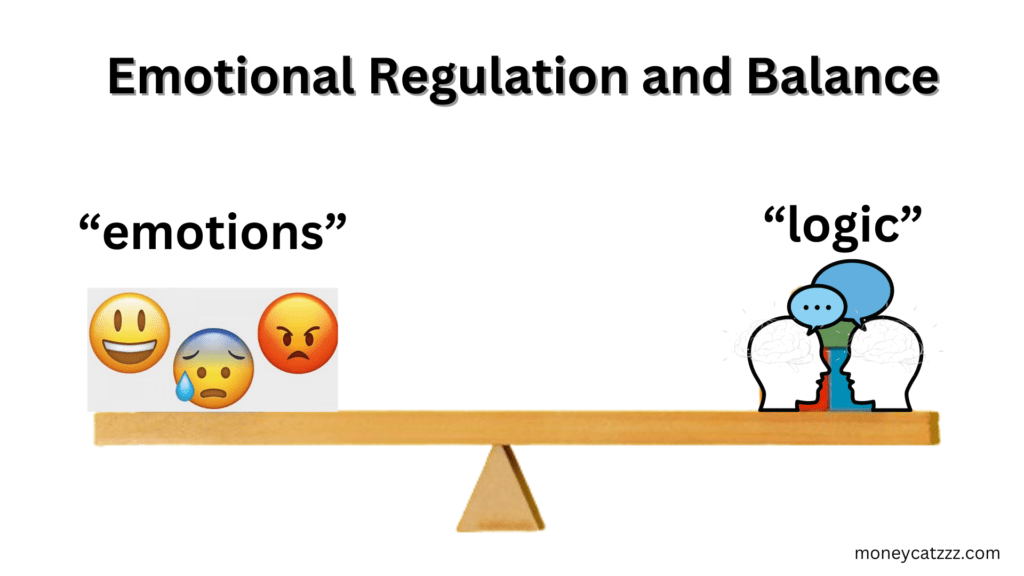
[“The Concept of Emotional Regulation and Finding Balance” – Image on Freepiks]
Common EQ Challenge: Difficulty Expressing Emotions
Struggling to express emotions effectively can create barriers in emotions & relationships. Some people suppress their feelings, leading to emotional bottlenecks, while others react impulsively out of frustration. Mastering emotional intelligence involves finding a balance between awareness and healthy expression.
How to Improve Emotional Expression
- Name Your Emotions – Start by identifying what you’re feeling. Saying, “I feel frustrated“ or “I feel overwhelmed,” helps process emotions constructively.
- Confide in a Trusted Person – Sharing emotions with someone you trust builds emotional clarity and strengthens connections.
- Try Journaling Prompts – Writing about your feelings in a structured way provides a safe outlet and enhances self-awareness, a core EQ skill.
By practicing these strategies, you’ll build emotional resilience and develop healthier communication patterns, strengthening your emotional intelligence and relationships.
Decoding the Emotional Landscape of Others: Building Social Awareness
A key component of mastering emotional intelligence is social awareness—the ability to recognize and understand the emotions of those around you. This skill strengthens emotions & relationships, helping you connect more deeply with others.
How to Enhance Social Awareness
- Practice Active Listening – Focus on both verbal and nonverbal cues. Truly listen rather than wait for your turn to speak.
- Sharpen Your Observation Skills – Pay attention to subtle body language, facial expressions, and tone of voice to gauge emotions accurately.
- Cultivate Empathy – Step into another person’s perspective to build trust and foster meaningful connections.
By developing social awareness, you gain insight into how others feel, enhancing your ability to navigate relationships and communicate effectively.

Reading Between the Lines: Strengthening Your Social Awareness
Social awareness is a crucial skill in mastering emotional intelligence, especially when navigating emotions & relationships in professional and personal settings.
Imagine you’re in a team meeting, and a usually engaged colleague appears withdrawn and unfocused. You notice nonverbal cues—a slumped posture, downcast eyes, and minimal participation. Instead of ignoring these signs, you take a moment to approach them privately after the meeting.
By expressing concern with empathy and active listening, you create a safe space for them to share their feelings. This simple yet powerful act fosters trust, connection, and teamwork, demonstrating the real-world impact of social awareness in everyday interactions.
Building Strong Relationships Through Emotional Intelligence
Effective communication is the foundation of strong emotions & relationships, crucial in mastering emotional intelligence. When you express yourself with clarity and empathy while actively listening, you create more profound, more meaningful connections in personal and professional settings.
Essential Communication Strategies for Relationship Success
- Use “I“ Statements: Shift from blame to personal expression. Instead of saying, “You never listen to me,“ try, “I feel unheard when my concerns aren’t acknowledged.“ This fosters open dialogue without triggering defensiveness.
- Validate Emotions: Acknowledge the other person’s feelings, even if you don’t entirely agree. Saying, “I can see that you’re upset, and that makes sense,“ can go a long way in strengthening trust and understanding.
- Practice Active Listening: Give the speaker your full attention. Nod, maintain eye contact, and reflect on what they say before responding.
- Master Conflict Resolution: Disagreements are natural, but handling them constructively is key. Focus on finding solutions instead of assigning blame.
Strengthen Your Emotional Intelligence for Deeper Connections
According to The Gottman Institute, emotionally intelligent communication is the key to long-term relationship success. Their research-based tools help individuals and couples build lasting, healthy connections. Explore their insights here:
By implementing these emotional intelligence techniques, you can navigate conflicts gracefully, confidently express yourself, and build stronger, more fulfilling relationships in every area of your life.
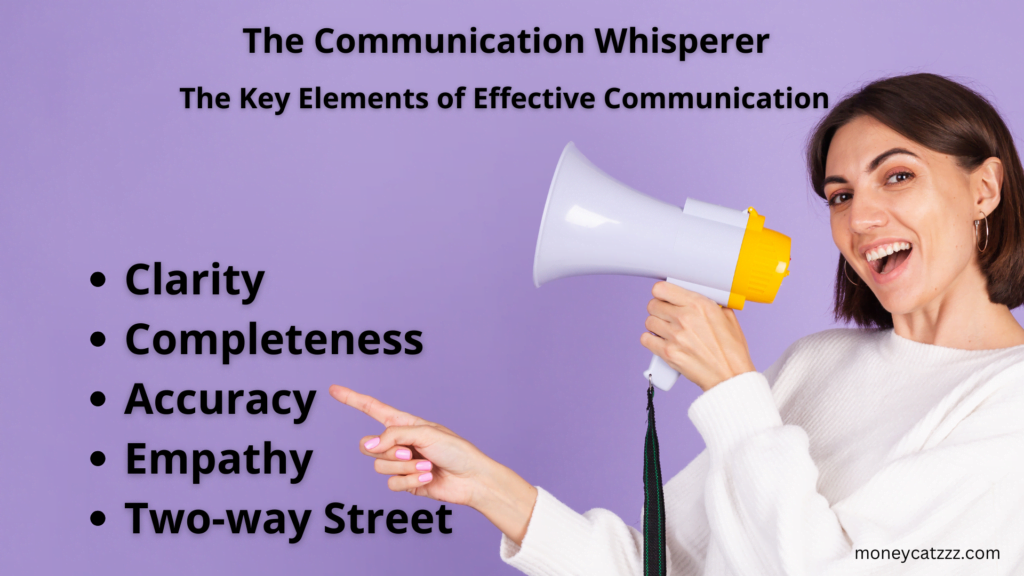
[“The Power of Effective Communication” – moneycatzzz.com]
“It’s not about how you feel, it’s about how you handle it.” – Joe Namath, Former American Football Player
Overcoming Anger: Mastering Emotional Intelligence for Better Control
Managing anger effectively is a crucial skill in mastering emotional intelligence, especially when maintaining healthy emotions & relationships. While anger is a natural response, uncontrolled emotional reactions can damage personal and professional connections.
Practical Strategies to Manage Anger Constructively
- Practice Mindfulness: Techniques like meditation and deep breathing can help regulate emotions. Apps like Headspace offer guided mindfulness exercises designed for emotional regulation.
- Take a Pause: Step away from the situation if you feel overwhelmed. A short “time-out“ allows you to process your emotions before responding.
- Reframe Your Thoughts: Challenge irrational or exaggerated thoughts that fuel anger. Instead of thinking, “They never listen to me,“ reframe it as “They may be distracted—let me try a different approach.”
- Engage in Physical Activity: Exercise can help release pent-up frustration and clear your mind, making it easier to manage emotional responses.
Why Emotional Intelligence Matters in Anger Management
Developing emotional intelligence allows you to recognize anger triggers, regulate responses, and communicate assertively without escalating conflicts. By applying these strategies, you’ll foster healthier interactions and stronger relationships in both personal and professional life.
Take the First Step: Master Emotional Intelligence with a Personalized Plan
Enhancing your emotional intelligence isn’t an overnight transformation—it’s a journey of continuous growth. By incorporating small, intentional changes, you can strengthen your ability to navigate emotions & relationships with greater confidence.
Your Personalized EQ Action Plan
- Identify Your Strengths & Weaknesses: Assess where you excel in emotional intelligence and which areas—such as self-awareness or relationship management—need improvement.
- Focus on One Area at a Time: Instead of feeling overwhelmed, choose one key aspect to refine first.
- Set SMART Goals: Define Specific, Measurable, Achievable, Relevant, and Time-bound objectives. For instance, commit to journaling emotions for five minutes daily for a month.
- Leverage Professional Resources: Consider online EQ courses, therapy, or coaching to accelerate growth. Websites like PositivePsychology.com offer expert-backed strategies.
- Track & Adjust: Regularly assess your progress, refine your strategies, and celebrate small wins to stay motivated.
Why Start Now?
Developing your emotional intelligence is an investment in both personal and professional success. Start today, and watch how improved EQ enhances your relationships, communication, and overall well-being.
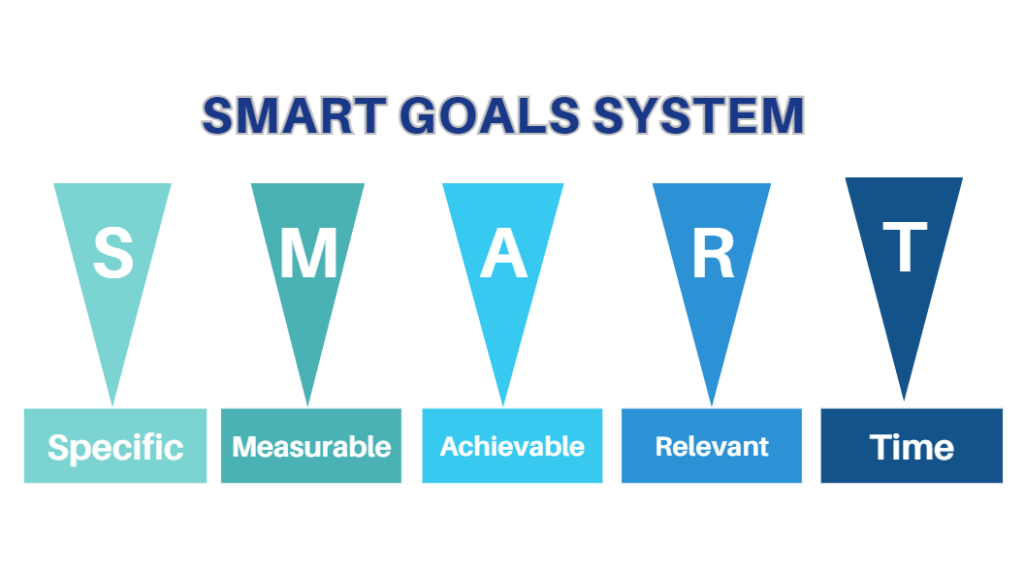
[“SMART Goals” – moneycatzzz.com]
“The only person you are destined to become is the person you decide to be.” – Ralph Waldo Emerson, American Philosopher

[“Developing EQ is a Personal Journey” – Image by freepik]
Key Takeaways: Master Emotional Intelligence & Transform Your Life
Elevate Your Success with Emotional Intelligence
Your emotional intelligence (EQ) is critical to personal and professional success. Research shows that individuals with high EQ are better at managing stress, building strong relationships, and achieving long-term goals. By mastering emotional intelligence, you can navigate emotions & relationships more effectively, leading to improved decision-making and deeper connections.
The Five Pillars of Emotional Intelligence
To truly master emotional intelligence, focus on developing these five essential components:
- Self-Awareness – Recognize your emotions and understand how they shape your thoughts and actions.
- Self-Regulation – Learn to manage emotional reactions constructively and maintain control in challenging situations.
- Social Awareness – Strengthen your ability to read emotions in others and respond with empathy.
- Relationship Management – Build meaningful connections by enhancing communication and conflict-resolution skills.
- Intrinsic Motivation – Use emotional insight to stay driven, focused, and committed to achieving your goals

Investing in Your Well-being: Master Emotional Intelligence for a Happier Life
Why EQ Matters for Your Happiness
Developing emotional intelligence (EQ) is more than just a tool for success—it’s an investment in your overall well-being and happiness. Studies show that individuals with high EQ experience:
- Stronger relationships and improved communication skills
- Enhanced decision-making and problem-solving abilities
- Reduced stress and greater emotional resilience
- Increased self-confidence and a more profound sense of fulfillment
Practical Strategies to Strengthen Your EQ
The good news? Emotional intelligence can be learned and improved. Here’s how to develop each key area:
- Self-Awareness – Tune into your body’s signals, identify emotional triggers, and practice journaling for self-reflection.
- Self-Regulation – Use mindfulness techniques, deep breathing, and positive self-talk to manage emotions constructively.
- Social Awareness – Sharpen your ability to read emotional cues through active listening, body language observation, and empathy.
- Relationship Management – Communicate assertively using “I“ statements, validate others’ emotions, and develop conflict-resolution skills.
Crafting Your Personalized EQ Growth Plan
To effectively master emotional intelligence, create a roadmap for personal development:
- Assess your strengths and areas for growth in each EQ component.
- Select one area to focus on first—self-awareness, self-regulation, or social awareness.
- Set SMART goals (Specific, Measurable, Achievable, Relevant, and Time-bound) to track your progress.
- Leverage expert resources like The Greater Good Science Center’s EQ Toolkit for science-backed strategies.
Embrace the Journey to Emotional Mastery
Improving emotional intelligence is an ongoing process, but the rewards are transformational. By committing to daily self-improvement, you’ll develop a robust skillset that enhances your personal growth and professional success.
Start today—the path to emotional mastery begins with a single step.
Power Up Your EQ: Must-Read Books for Emotional Mastery
Enhancing emotional intelligence requires continuous learning. These books provide actionable insights to help you master EQ and improve your emotions & relationships:
- Emotional Intelligence 2.0 – By Travis Bradberry & Jean Greaves, this bestseller offers practical assessments and strategies to develop EQ for personal and professional success.
- Daring Greatly – Brené Brown explores how vulnerability and authenticity strengthen emotional intelligence and deepen human connections.
- Nonviolent Communication – Marshall B. Rosenberg introduces the NVC framework, enhancing social awareness and relationship management through empathic communication.
- The Happiness Project – Gretchen Rubin shares real-life strategies for self-awareness and habit-building, key components of EQ development.
Check out Greater Good Science Center’s EQ Resources for more in-depth insights to complement your learning journey.
Disclosure: This post may contain affiliate links. We only recommend products we believe in, and We may receive a commission at no cost to you! Thanks for your support!”
Acknowledgement: Cover Image on Pixabay
Signup to our Newsletter for regular updates:
Disclaimer: The information is provided for general information only – moneycatzzz.com makes no representations or warranties in relation to the information, including but not limited to any representation or warranty as to the fitness for any particular purpose of the information to the fullest extent permitted by law. While every effort has been made to ensure that the information provided in this article is accurate, reliable, and complete as of the time of writing, the information provided in this article should not be relied upon to make any financial, investment, real estate or legal decisions. Additionally, the information should not substitute advice from a trained professional who can take into account your personal facts and circumstances, and we accept no liability if you use the information to form decisions.