
 Reading Time: 8 mins #
 This post may contain affiliate links.
Time Value of Money: Understanding the Path to Financial Freedom
The Time Value of Money remains as crucial as ever as we progress through 2025, the financial landscape may seem uncertain. Do you feel trapped in a cycle of living paycheck to paycheck, with retirement or that dream vacation appearing as distant, unattainable goals? A recent survey revealed that nearly half Americans live paycheck to paycheck, highlighting a widespread financial challenge. You’re not alone. But what if there was a proven strategy, grounded in the time value of money, to guide you from these financial frustrations toward a future of freedom and security?
The Power of Long-Term Investments
The answer lies in long-term investments. This approach isn’t about quick riches or fleeting trends but a well-established method for building wealth over time. By understanding and leveraging the time value of money, you can make your money work for you. For instance, a hypothetical $10,000 investment, with a modest 7% annual return compounded over 30 years, could grow to over $80,000. This demonstrates how term investments can significantly enhance your financial future.
Applying the Time Value of Money to Your Financial Strategy
To harness the time value of money, consider the following steps:
- Start Early: The earlier you begin investing, the more time your money has to grow.
- Consistent Contributions: Regularly invest a portion of your income into term investments to maximize compounding returns.
- Diversify Your Portfolio: Spread your investments across various asset classes to mitigate risk and optimize returns.
- Stay Informed: Keep abreast of financial news and trends to make informed investment decisions.
By integrating these practices and focusing on the time value of money, you can navigate financial uncertainties and work towards achieving your long-term financial goals.
Why Long-Term Investments Matter
As we move through 2024, financial uncertainty is a common concern. Do you feel trapped in a cycle of living paycheck to paycheck, with retirement or financial freedom feeling out of reach? A Zacks Investment Research study found that 64% of Americans live paycheck to paycheck, and 39% have no retirement savings. But what if there was a proven way to break free?
The key lies in understanding the Time Value of Money (TVM)—the principle that money today is worth more than the same amount in the future due to its earning potential. This concept can help grow your wealth over time when applied to term investments.
The Power of Compound Interest
Think of investing like planting a seed. Over time, with the right conditions, it grows into a strong tree. The same applies to long-term investments, where compound interest grows your money exponentially.
Instead of earning interest on your initial investment, compound interest also lets you earn interest on your past earnings. The longer your investment horizon, the more significant your potential gains. Even small, consistent contributions can lead to substantial wealth over time.
How to Make Time Work for Your Money
To maximize the Time Value of Money, consider these strategies:
- Start Early – The sooner you invest, the longer your money compounds.
- Stay Consistent – Regular contributions, even small ones, add up.
- Reinvest Earnings – Let your money continue growing by reinvesting returns.
- Think Long-Term – Avoid short-term panic; wealth builds over time.
By leveraging term investments and understanding how time impacts money, you can set yourself up for financial success. The sooner you start, the greater your rewards.
“Compound interest is the eighth wonder of the world. He who understands it, earns it. He who doesn’t, pays it.” – Albert Einstein
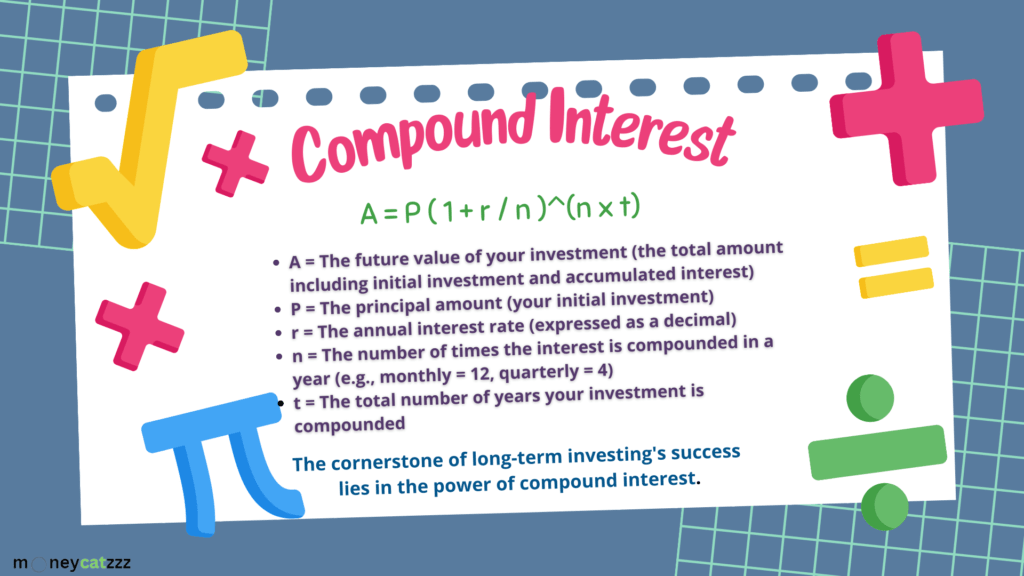
[“The Power of Compound Interest” – moneycatzzz.com]
Harnessing the Time Value of Money for Long-Term Wealth
As we move through 2025, understanding the Time Value of Money is key to building wealth. Simply put, money today is worth more than money in the future because it can be invested and grow over time. By leveraging long-term investments, you can turn financial goals into reality.
The Power of Compound Interest
Think of investing like planting a tree—small contributions today can grow into a fortune tomorrow. Compound interest allows your money to earn interest on interest, accelerating growth. The sooner you start, the more significant the impact.
Investment Options to Grow Your Wealth
- Mutual Funds & ETFs offer diversification, reducing risk by spreading investments across multiple assets. ETFs have seen record inflows in 2024, highlighting their growing popularity.
- Individual Stocks – Higher risk, but also higher reward. Thorough research is essential. Diversification can help manage risk.
- Bonds – A more stable option that provides predictable income, ideal for balancing risk in your portfolio.
You can secure your financial future by applying the Time Value of Money and investing wisely. Whether through term investments in stocks, ETFs, or bonds, consistency and patience are key. Start today, and let your money work for you.

Choosing the Right Investment Mix
Your ideal investment strategy depends on your personal goals, risk tolerance, and time horizon.
- Long-Term Growth: Younger investors with more time to invest may benefit from a higher allocation to stocks, which offer greater growth potential.
- Stability for Retirement: Those nearing retirement often prioritize stability, leaning towards bonds and other lower-risk investments.
Automate Your Investments for Long-Term Success
Consistency is key when building wealth. Setting up automated investment plans ensures you invest regularly without the stress of market timing. By contributing a fixed amount at set intervals, you stay disciplined and take advantage of long-term market growth.

[“A Basketful of Diversification” – moneycatzzz.com]
Laying the Foundation: Goals, Risk, and Diversification
Before diving into long-term investments, it’s essential to establish a solid financial foundation. This starts with clear goals, an understanding of risk, and a diversified strategy.
Set Clear Financial Goals
Define what you’re investing for—retirement savings, a dream home, or funding education. Use the SMART framework (Specific, Measurable, Achievable, Relevant, Time-bound) to stay on track. Instead of a vague goal like “save for retirement,“ aim for “accumulate $1 million by age 65.“ A clear target keeps you focused and strategic.
Know Your Risk Tolerance
Not all investments carry the same level of risk. Some offer higher returns but come with market volatility, while others provide stability and predictable income. Ask yourself:
- Can I handle short-term market swings for long-term growth?
- Do I prefer steady, lower-risk investments?
Understanding your risk comfort level helps you build a portfolio that aligns with your financial goals.
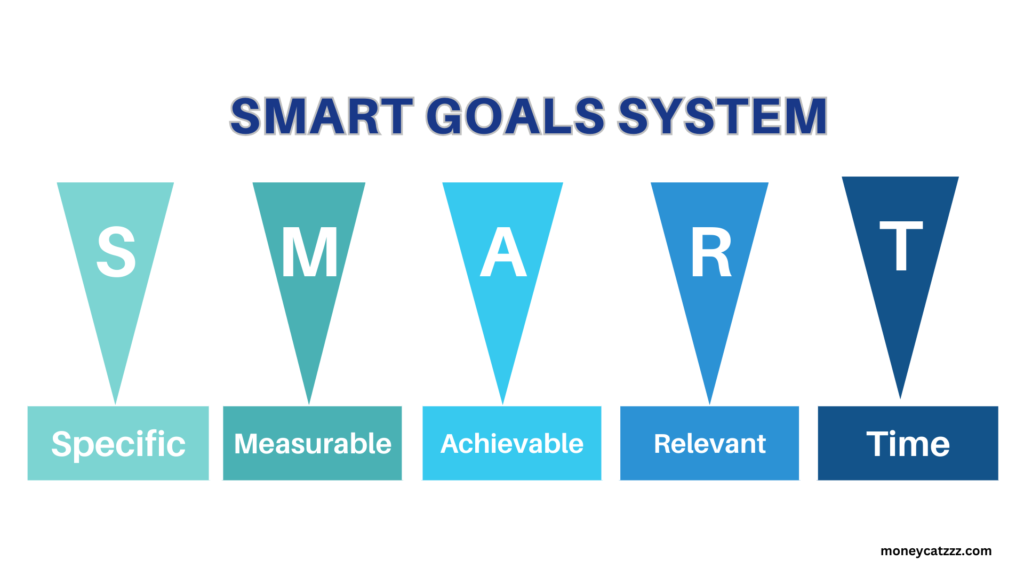
[“SMART goals: Specific, Measurable, Achievable, Relevant, and Time-bound” – moneycatzzz.com]
Balancing Your Portfolio: The Power of Asset Allocation
The key to long-term financial success lies in smart asset allocation—spreading investments across different asset classes like stocks, bonds, and real estate to manage risk and optimize returns.
- Growth-Focused Investors (Higher Risk Tolerance): Heavily weighted in stocks for higher returns but greater market fluctuations.
- Stability-Seeking Investors (Lower Risk Tolerance): More allocation to bonds for steady, predictable income, reducing volatility.
A diversified portfolio ensures you’re not overly exposed to one asset class, helping you navigate market ups and downs more effectively.
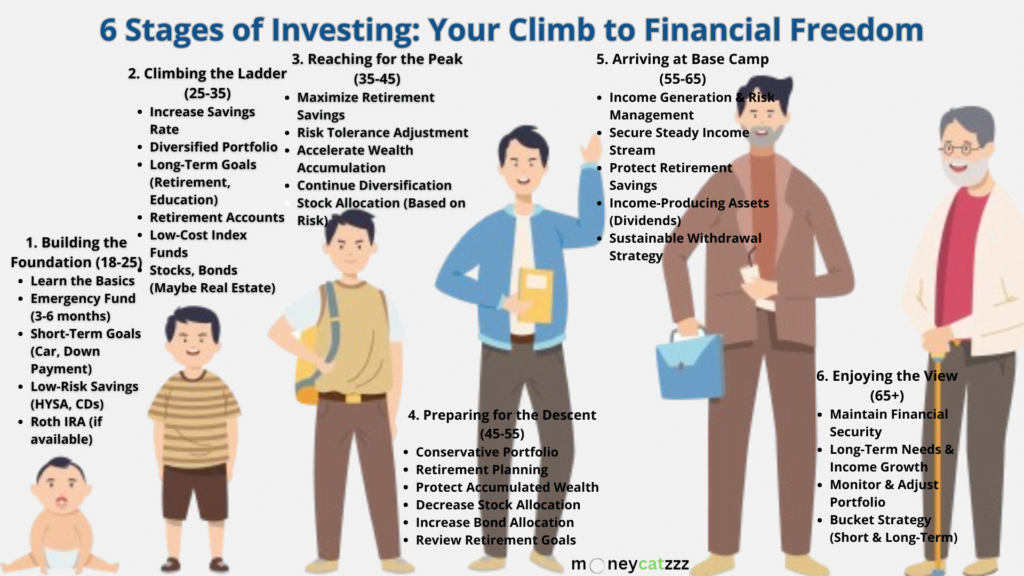
[“The Time Value of Money – 6 Stages of Investing: Your Climb to Financial Freedom” – moneycatzzz.com]
The Time Value of Money: Why Starting Early is Key
The time value of money means that a dollar today is worth more than a dollar in the future because of its earning potential. The earlier you invest, the more time your money has to grow through compound interest.
- Even small, consistent investments can accumulate substantial wealth over time.
- Delaying investing means missing out on years of potential growth.
By starting early, you maximize the power of compounding, turning even modest contributions into significant financial security.
Understanding the Risks: A Balanced Approach
While long-term investing is a proven strategy for building wealth, it’s essential to recognize the risks involved. Market fluctuations are inevitable, and even well-diversified portfolios can experience temporary declines. However, maintaining a long-term perspective helps investors ride out volatility and capitalize on market recoveries.
Key Investment Risks to Consider
- Inflation: Over time, inflation reduces the purchasing power of money, potentially diminishing actual returns.
- Market Volatility: Stocks and other assets can experience sharp price swings. A diversified portfolio helps mitigate risk.
- Investment-Specific Risks: Individual stocks, bonds, and other securities carry unique risks, including company bankruptcies or credit downgrades.
- Tax Implications: Capital gains, dividends, and other investment income may be subject to taxation. Consulting a tax professional can help optimize your investment strategy.
Important Disclaimer
This article is for informational purposes only and does not constitute financial advice. Investment decisions should be based on personal research and consultation with a qualified financial advisor to ensure alignment with your financial goals and risk tolerance.
“You don’t need to be a financial expert to be a wise investor. All you need is a long-term perspective, a disciplined approach, and a touch of patience.” – John Bogle
Building Long-Term Wealth: Essential Habits for Success
Long-term investing is not just about choosing the right assets—it’s about developing the proper habits. The key to financial freedom lies in discipline, patience, and strategic decision-making. Here are some essential practices to ensure long-term investment success.
Stay Informed—But Avoid Overreacting
While staying updated on market trends is essential, obsessing over daily fluctuations can lead to impulsive decisions. Focus on long-term performance and rely on credible financial sources to keep informed without emotional investing. For expert insights, check out Morningstar’s guide on long-term investing.
Regular Portfolio Rebalancing
Over time, market movements can shift your portfolio’s asset allocation. Rebalancing ensures that your investments stay aligned with your goals and risk tolerance. Consider adjusting your portfolio annually or when significant deviations occur. A helpful resource on asset allocation can be found in Investopedia’s guide to portfolio diversification.
Patience Over Panic
Market downturns are inevitable, but history shows that markets recover and grow over time. Avoid panic selling and trust your long-term strategy. Staying invested through volatility is key to maximizing returns.
Periodic Strategy Reviews
Life changes—and so should your investment strategy. Major events like a job promotion, marriage, or nearing retirement may require portfolio adjustments. Schedule regular financial check-ins to stay on track.
Seeking Professional Guidance (Optional)
Navigating investments can be complex. A financial advisor can provide personalized guidance tailored to your goals, risk tolerance, and market conditions, ensuring you make informed decisions.

[“Building Habits for Financial Freedom” – moneycatzzz.com]
Fueling Your Financial Voyage: Essential Resources
Educating yourself is one of the most powerful investments you can make. To navigate the world of long-term investing and leverage the time value of money, consider these highly recommended books:
- For mastering wealth-building strategies: I Will Teach You To Be Rich by Ramit Sethi provides practical, no-nonsense money management strategies to achieve financial independence.
- For understanding financial psychology: The Psychology of Money by Morgan Housel explores how mindset and behavior shape financial success.
- For a proven investment strategy: The Little Book of Common Sense Investing by John Bogle details a low-cost, index-fund-driven approach to wealth accumulation.
By leveraging these resources and continuously expanding your financial knowledge, you can confidently build a future where term investments and compound interest work in your favor. Stay informed, take action, and unlock the financial freedom you deserve!

Secure Your Future by Harnessing the Time Value of Money
Financial freedom isn’t reserved for the lucky few—it’s within your reach. By understanding the time value of money and committing to long-term investing, you can turn today’s small sacrifices into tomorrow’s security and wealth.
The key? Start now. Every time you wait, your potential growth is left unrealized. Whether you’re investing in term investments, stocks, bonds, or index funds, compound interest rewards those who take action early and stay the course.
Consider this: Where do you see yourself in 10, 20, or 30 years? The financial choices you make today will determine that reality. Will you be looking back, relieved that you took control, or regretting the time lost?
The journey won’t always be smooth. Markets will rise and fall, but history shows that those who stay disciplined and think long-term reap the rewards. Stay informed, automate your investments, and trust the process.
Your financial future starts today. Take the first step, and let the power of time and smart investing work in your favor.
Disclosure: This post may contain affiliate links. We only recommend products we believe in, and We may receive a commission at no cost to you! Thanks for your support!”
Acknowledgement: Cover Image by pixabay.com
Signup to our Newsletter for regular updates:
Disclaimer: The information is provided for general information only – moneycatzzz.com makes no representations or warranties in relation to the information, including but not limited to any representation or warranty as to the fitness for any particular purpose of the information to the fullest extent permitted by law. While every effort has been made to ensure that the information provided in this article is accurate, reliable, and complete as of the time of writing, the information provided in this article should not be relied upon to make any financial, investment, real estate or legal decisions. Additionally, the information should not substitute advice from a trained professional who can take into account your personal facts and circumstances, and we accept no liability if you use the information to form decisions.