
 Reading Time: 8 mins #
 This post may contain affiliate links.
Let Go and Thrive—The Secret to Lasting Happiness
Let Go and Thrive—this simple yet powerful mindset holds the key to true happiness. In our relentless pursuit of fulfillment, we often find ourselves trapped in a paradox: the more we chase contentment, the further it seems to slip away. Recent studies suggest that lasting happiness is not found in acquiring more but in learning to release what no longer serves us.
This article explores eight powerful habits that can transform your life by teaching you what to let go of. Examining the psychological, social, and behavioral factors contributing to our attachments will uncover practical strategies to cultivate a more fulfilling and meaningful existence.
“The greatest wealth is to live content with little.” – Epictetus.
The Power of Psychological Resilience: Letting Go of Self-Doubt
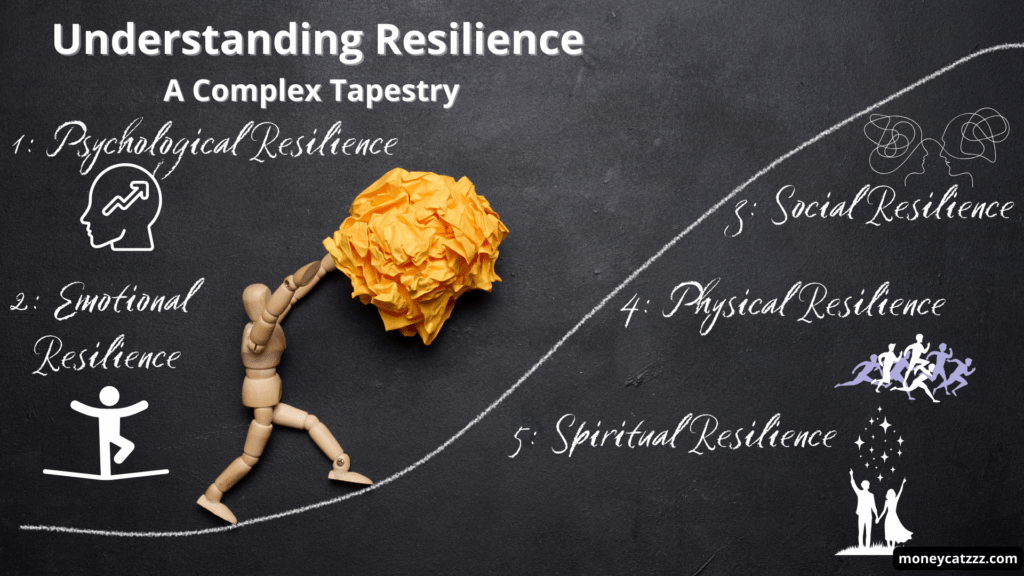
To truly let go and thrive, we must embrace resilience—a dynamic process that helps us navigate life’s uncertainties with agency, optimism, and adaptability. Letting go of limiting beliefs, emotional burdens, and toxic attachments empowers us to build a stronger foundation for growth and fulfillment.
1. Psychological Resilience: Let Go of Self-Doubt and Build Mental Strength
Psychological resilience is rooted in a growth mindset, self-efficacy, and a firm purpose. By letting go of self-doubt, we develop the mental fortitude to withstand adversity and thrive in challenging situations.
2. Emotional Resilience: Release Negativity and Cultivate Balance
To let go and thrive, we must learn to release negative emotions, regulate stress, and maintain emotional equilibrium. Emotional resilience enables us to manage setbacks without becoming overwhelmed.
3. Social Resilience: Detach from Toxic Relationships and Strengthen Connections
True resilience comes from letting go of draining relationships and nurturing meaningful social connections. A strong support network fosters emotional security and strength.
4. Physical Resilience: Shed Unhealthy Habits and Prioritize Well-being
Physical resilience thrives when we let go of poor lifestyle choices and commit to health, energy, and recovery. Regular exercise, proper nutrition, and rest are vital in sustaining resilience.
5. Spiritual Resilience: Embrace Purpose and Let Go of Fear
Spiritual resilience helps us overcome fear and uncertainty by grounding us in values, beliefs, and purpose. A more profound sense of meaning provides the inner strength to navigate life’s challenges.

Let Go and Thrive: How Culture Shapes Resilience
Culture shapes individuals’ perceptions of adversity, coping mechanisms, and support systems. Cultural values, beliefs, and traditions influence resilience in profound ways.
For instance, collectivist cultures emphasize communal support and interdependence, fostering a strong sense of belonging that helps people let go of individual burdens and thrive within their community.
Conversely, individualistic cultures prioritize personal achievement and independence, promoting resilience through self-reliance.
Recognizing that resilience is not a one-size-fits-all concept is essential. Understanding these cultural nuances allows for the development of more effective resilience-building strategies. By incorporating culturally relevant practices, support systems, and belief structures, we can create resilience programs that empower individuals to let go of limiting mindsets and thrive.
[“Building Resilience” – moneycatzzz.com]
Measuring Resilience in a Complex World
Assessing resilience is a complex yet essential process due to its multifaceted nature. Various methods have been employed to measure resilience, including:
- Self-report questionnaires – Individuals evaluate their resilience levels through tools like the Connor-Davidson Resilience Scale (CD-RISC) and the Resilience Scale.
- Observer ratings – Trained professionals assess resilience based on behavioral patterns and interactions.
- Life history interviews – In-depth conversations uncover personal experiences of adversity and coping strategies.
- Physiological measures – Biomarkers such as cortisol levels provide insights into stress responses and resilience.
Since no single method is foolproof, combining multiple approaches often leads to a more accurate resilience assessment. Additionally, cultural influences are crucial in shaping resilience and should be factored into evaluation methods.
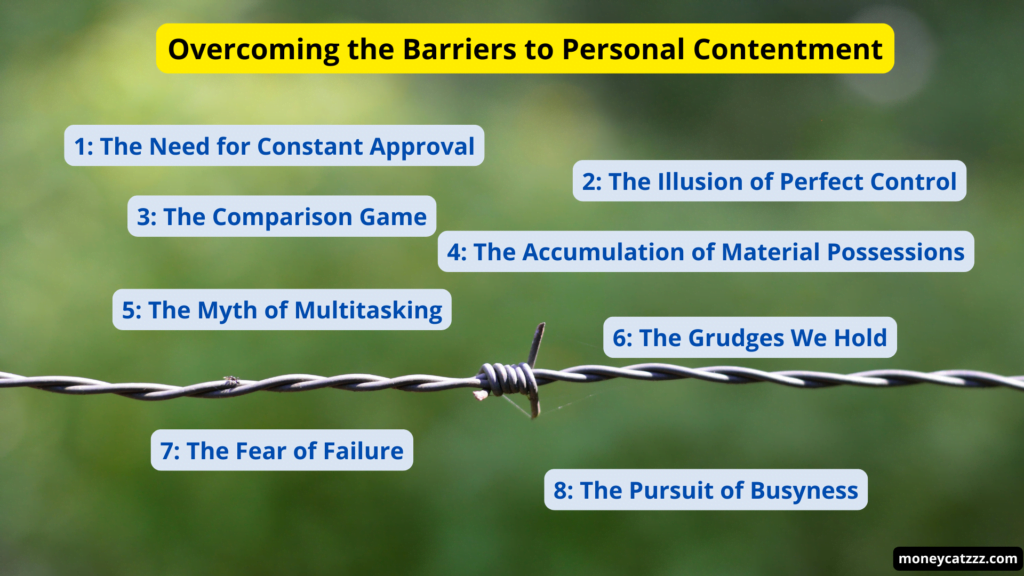
1. The Need for Constant Approval
The relentless pursuit of others’ approval can be a significant barrier to personal contentment. Dr. Kristin Neff, in her book “Self-Compassion: The Proven Power of Being Kind to Yourself,” argues that self-acceptance is far more crucial for well-being than external validation.
Case Study: Jane’s Story
Jane, a 32-year-old marketing executive, spent years shaping her life around others’ expectations. From her career choice to her relationships, every decision was filtered through the lens of “What will others think?” This constant need for approval led to chronic stress and dissatisfaction. Jane learned to prioritize her values and desires through therapy and mindfulness practices. Within a year, she reported a 40% increase in overall life satisfaction.
2. The Illusion of Perfect Control
Our desire to control every aspect of our lives often leads to frustration and anxiety when things inevitably deviate from our plans. Embracing uncertainty can paradoxically lead to greater peace of mind.
The COVID-19 pandemic served as a stark reminder of life’s unpredictability. As the world grappled with lockdowns, economic downturns, and health crises, individuals were forced to relinquish control over many aspects of their lives. Those who embraced flexibility and adaptability reported higher levels of resilience and well-being.
By accepting that life is inherently uncertain, we can shift our focus from striving for perfection to cultivating resilience and finding meaning in the face of challenges.
3. The Comparison Game
In the age of social media, the tendency to compare our lives to others’ has reached new heights. This constant comparison can erode self-esteem and hinder our ability to appreciate our unique journey. Social media platforms often curate idealized versions of reality, making distinguishing between genuine happiness and carefully constructed facades difficult.
Escaping the Influencer Comparison Trap: Case Studies
The rise of influencer culture has intensified the comparison trap, making it harder for individuals to feel content with their own lives. Platforms like Instagram and TikTok showcase seemingly perfect lifestyles—luxury travel, flawless appearances, and endless success—all of which can distort reality.
A study published by Reseachgate found a direct correlation between excessive social media use and decreased life satisfaction. Participants who limited their social media time to 30 minutes per day reported significant well-being improvements after just three weeks.
For instance, a popular travel influencer’s Instagram might depict an endless adventure of luxury and excitement. While inspiring, these curated images can set unrealistic expectations and lead to feelings of inadequacy in viewers.
To let go and thrive in a world dominated by social media comparisons, individuals should:
- Develop digital literacy – Recognize how algorithms curate content to shape perception.
- Practice media mindfulness – Question the authenticity of what is portrayed online.
- Focus on personal growth – Prioritize self-improvement over external validation.
By shifting focus from comparison to self-fulfillment, individuals can cultivate a healthier and more balanced relationship with social media.
4. The Accumulation of Material Possessions
The pursuit of material wealth often comes at the cost of personal well-being. Marie Kondo’s philosophy of keeping only items that “spark joy” has resonated with millions worldwide, highlighting a growing awareness of the burden of excess. Accumulating possessions can create a sense of obligation and limit our freedom to experience life fully.
For example, the concept of “retail therapy” often masks deeper emotional issues. Purchasing items to cope with stress or boredom can lead to a cycle of consumption and dissatisfaction.
It’s essential to cultivate mindful consumption habits to break free from this cycle. Consider the long-term value of possessions and prioritize experiences over things. Individuals can achieve greater satisfaction and reduce their environmental impact by focusing on quality over quantity.
5. The Myth of Multitasking
In our fast-paced world, multitasking is often seen as a virtue. However, research consistently shows that it reduces productivity and increases stress. As Nir Eyal, author of “Indestructible: How to Control Your Attention and Choose Your Life,” points out, our brains are wired for single-tasking, not juggling multiple demands simultaneously. Studies have shown that individuals focusing on one task at a time tend to be more efficient and less prone to errors.
For example, a study published in the sciencedirect found that participants who attempted to perform two tasks simultaneously made significantly more errors than those who focused on one task at a time. This highlights the detrimental impact of multitasking on cognitive performance.
To improve focus and productivity, creating a distraction-free environment and prioritizing tasks is essential. Techniques such as the Pomodoro Technique, which involves working in focused bursts with short breaks, can help individuals overcome the urge to multitask and enhance overall efficiency.
[“8 Habits for a Happier You” – moneycatzzz.com]
6. The Grudges We Hold
Harboring resentment and anger towards others can consume our mental energy and prevent us from moving forward.
Forgiveness, on the other hand, is a powerful tool for healing and personal growth.
Let Go and Thrive: The Power of Forgiveness
The story of Desmond Tutu, the South African Anglican Archbishop, is a powerful testament to the transformative power of forgiveness. As a key figure in the Truth and Reconciliation Commission, Tutu played a pivotal role in helping South Africa heal from the deep wounds of apartheid. His unwavering commitment to forgiveness inspired millions to let go of bitterness and embrace reconciliation.
Choosing to let go and thrive through forgiveness allows individuals to reclaim peace of mind and focus on building positive relationships. It’s essential to recognize that forgiveness doesn’t mean condoning harmful actions—instead, it’s about releasing the emotional burden that weighs us down.
By embracing forgiveness, individuals open the door to emotional freedom, resilience, and a more fulfilling life.
7. The Fear of Failure
The paralyzing fear of failure often prevents us from pursuing our goals and dreams. Embracing failure as a learning opportunity can lead to greater resilience and eventual success. J.K. Rowling’s journey to publishing “Harry Potter” is a testament to the power of perseverance. After being rejected by 12 publishers, she continued to believe in her work. The series went on to sell over 500 million copies worldwide.

8. The Pursuit of Busyness
In many cultures, busyness is worn as a badge of honor. However, constant activity without purpose can lead to burnout and a decreased sense of well-being. Prioritizing rest and reflection is essential for maintaining a healthy work-life balance. The concept of “slow living” has gained popularity, emphasizing quality of life over quantity of achievements.
For example, the book “Quiet: The Power of Introverts in a World That Can’t Stop Talking” by Susan Cain highlights the importance of solitude and reflection for creativity and innovation. Cain argues that introverts, often perceived as less productive, can excel when allowed to work in focused environments.
By embracing periods of stillness and introspection, individuals can recharge, gain clarity, and ultimately enhance their overall productivity and satisfaction.
Let Go and Thrive: The Path to a More Content Life
The journey to a more fulfilling life begins with the courage to let go. By releasing the constant need for approval, control, and material possessions, we create space for deeper connections, personal growth, and inner peace.
To truly let go and thrive, we must shift our mindset—understanding that happiness is not a destination but a journey shaped by intentional choices. Embracing change, practicing gratitude, and focusing on what truly matters can lead to a life of greater fulfillment and joy.
Start your journey to a more fulfilling life today by identifying one area where you can practice letting go. Small steps can lead to significant transformations.
Key Takeaways
- Resilience is multifaceted: It encompasses psychological, emotional, social, physical, and spiritual dimensions.
- Letting go is crucial for contentment: By releasing the need for constant approval, control, and material possessions, we can enhance overall well-being.
- Mindfulness and self-awareness are key: Practices like mindfulness and self-compassion can help individuals manage stress, reduce anxiety, and foster a greater sense of self-worth.
- Social connections matter: Strong relationships and support networks contribute significantly to resilience and happiness.
- Balance is essential: Finding a harmonious balance between work, rest, and personal life is crucial for long-term well-being.
By incorporating these key takeaways into daily life, individuals can journey towards greater resilience, contentment, and fulfillment.
Further Reading
To delve deeper into the concepts explored in this article, consider these insightful reads:
- Mindset: The New Psychology of Success by Carol Dweck: This groundbreaking book explores the power of a growth mindset and its impact on resilience and achievement.
- Man’s Search for Meaning by Viktor Frankl: This classic work explores the human search for purpose and meaning, particularly in adversity.
- The Power of Habit by Charles Duhigg: Understanding how habits are formed can help readers break negative and cultivate positive patterns.
- Atomic Habits by James Clear: This book offers practical strategies for building good habits and breaking bad ones, which is essential for cultivating resilience.
These books provide additional insights and tools for readers to enhance their resilience and overall well-being.
Disclosure: This post may contain affiliate links. We only recommend products we believe in, and We may receive a commission at no cost to you! Thanks for your support!”
Acknowledgement: Cover Image of Monarch Butterflies by Websplasher
Signup to our Newsletter for regular updates:
Disclaimer: The information is provided for general information only – moneycatzzz.com makes no representations or warranties in relation to the information, including but not limited to any representation or warranty as to the fitness for any particular purpose of the information to the fullest extent permitted by law. While every effort has been made to ensure that the information provided in this article is accurate, reliable, and complete as of the time of writing, the information provided in this article should not be relied upon to make any financial, investment, real estate or legal decisions. Additionally, the information should not substitute advice from a trained professional who can take into account your personal facts and circumstances, and we accept no liability if you use the information to form decisions.