 Reading Time: 8 mins #
 This post may contain affiliate links.
Embrace the revolutionary concept of neuroplasticity, which underscores that your brain is not a static organ but a dynamic, self-updating powerhouse. This means that your brain can physically change and grow throughout your life, opening up a world of new and exciting possibilities for personal development.
Think of it as rewiring your brain to create new and exciting possibilities. We’re diving deep into this incredible power-up, sharing facts, inspiring stories, and practical tips to help you unlock your brain’s full potential. Get ready to level up your life!
“The greatest discovery of all time is that a person can change his future by merely changing his attitude.” – William James.
Understanding the Pygmalion Effect
The Pygmalion Effect is a psychological phenomenon that empowers individuals to reach their full potential. It’s a self-fulfilling prophecy, where the belief in an individual’s potential influences their ability to succeed. This effect, commonly observed in educational and workplace settings, shows that the expectations of teachers, managers, or peers can significantly impact an individual’s performance, providing a powerful tool for personal and professional growth.
The Science Behind the Pygmalion Effect
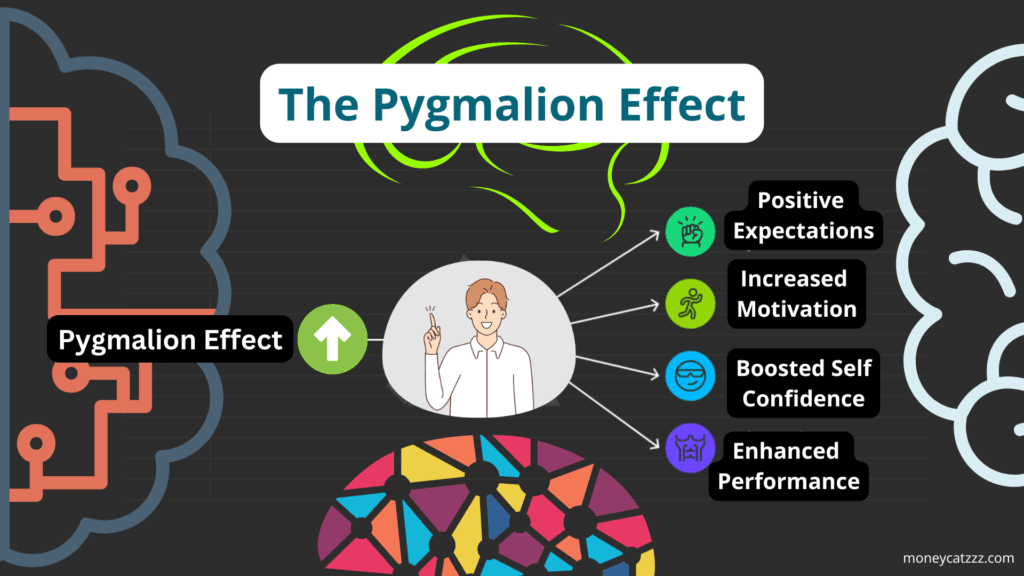
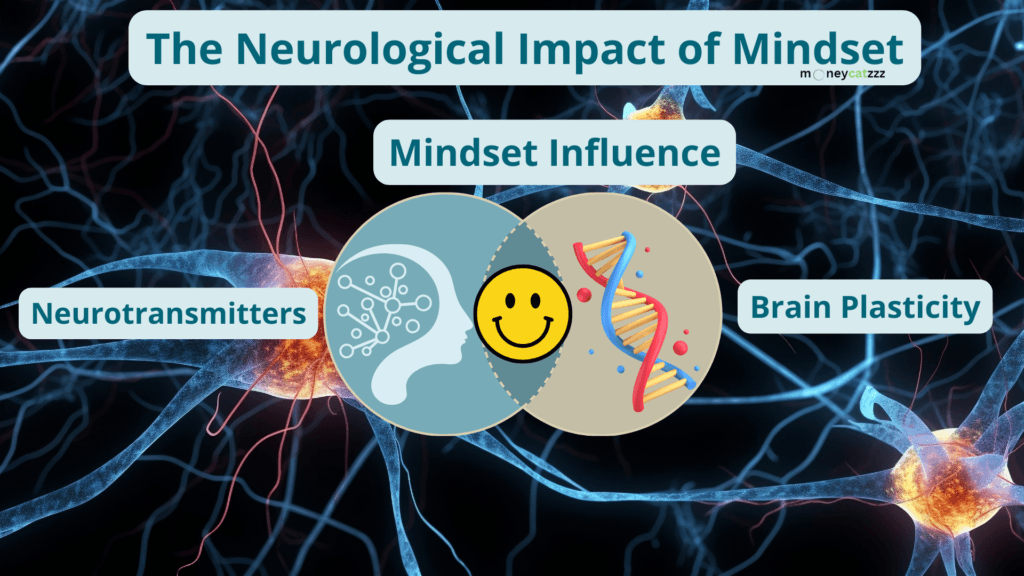
The Pygmalion Effect is grounded in the power of positive reinforcement and the psychology of self-perception. When individuals perceive that others believe in their capabilities, they are more likely to invest effort, overcome challenges, and achieve their goals. This effect can be explained through several psychological mechanisms:
- Increased Motivation: When people know that others expect them to succeed, they feel motivated to meet those expectations, leading to increased effort and persistence.
- Enhanced Confidence: Positive expectations boost self-esteem and confidence, empowering individuals to take on challenges they might otherwise avoid.
- Improved Performance: Increased motivation and confidence leads to enhanced performance as individuals strive to fulfill their expectations.
The Role of Communication
Communication is not just a tool, but a powerful weapon in the Pygmalion Effect. How expectations are communicated, verbally and non-verbally, influences how they are perceived and internalized. Leaders, teachers, and mentors who communicate high expectations effectively can inspire and empower individuals to achieve their potential, making them aware of their influence and the responsibility that comes with it.
[“The Pygmalion Effect” – moneycatzzz.com]
Case Study 1: The Rosenthal-Jacobson Study
Psychologists Robert Rosenthal and Lenore Jacobson conducted one of the most famous studies demonstrating the Pygmalion Effect in 1968. Their groundbreaking research in a California elementary school highlighted the impact of teacher expectations on student performance.
The Experiment
Rosenthal and Jacobson conducted an experiment where they informed teachers that students in their classrooms were “intellectual bloomers” and were expected to show significant academic improvement. These students were randomly selected and only sometimes more capable than their peers.
Results and Findings
At the end of the academic year, the students labeled as “intellectual bloomers” demonstrated greater improvement in their academic performance compared to their peers. This study provided compelling evidence that teacher expectations can significantly influence student outcomes.
Implications for Education
The Rosenthal-Jacobson study revolutionized the field of education by highlighting the importance of teacher expectations. It underscored the need for educators to maintain high expectations for all students, as these beliefs can significantly impact student motivation, engagement, and achievement.

The Pygmalion Effect in the Workplace
The Pygmalion Effect is not limited to educational settings; it also plays a crucial role in the workplace. Leaders and managers who express high expectations for their employees can inspire them to excel and achieve exceptional results.
Leadership and Expectations
Leaders who believe in their team members’ abilities and communicate high expectations foster a culture of excellence and innovation. Leaders can empower employees to reach their full potential by setting ambitious goals and providing support.
Strategies for Effective Leadership:
- Express Confidence: Communicate belief in employees’ abilities through positive feedback and encouragement. Highlight their strengths and potential for growth.
- Set Challenging Goals: Establish ambitious yet attainable goals that push employees to stretch their capabilities and achieve new milestones.
- Support: Offer resources, guidance, and mentorship to help employees overcome obstacles and achieve their goals.
Employee Motivation and Performance
The Pygmalion Effect enhances employee motivation and performance by creating a positive feedback loop. Employees who feel valued and trusted are more likely to take initiative, collaborate, and contribute to the organization’s success.
Strategies for Fostering Motivation:
- Recognition and Rewards: Acknowledge and celebrate employees’ achievements and contributions. Recognition reinforces belief in their abilities and motivates continued effort.
- Professional Development: Provide opportunities for skill development and career advancement. Investing in employees’ growth demonstrates belief in their potential.
Case Study 2: GE’s Leadership Philosophy
General Electric (GE) is renowned for its leadership development programs and commitment to cultivating talent. The company’s leadership philosophy exemplifies the Pygmalion Effect in action.
The GE Leadership Model
GE’s leadership model emphasizes the importance of setting high expectations for employees and providing opportunities for growth and development. The company believes that investing in its workforce can drive innovation and achieve sustainable success.
Results and Impact
GE’s focus on leadership development has resulted in a culture of excellence and continuous improvement. The company’s commitment to high expectations has empowered employees to take ownership of their roles and contribute to the organization’s growth.
Lessons for Organizations
GE’s leadership philosophy highlights the importance of fostering a culture of high expectations and continuous development. Organizations prioritizing employee growth and empowerment can leverage the Pygmalion Effect to drive success and innovation.
[“The Science Behind the Pygmalion Effect” – moneycatzzz.com]
Leveraging the Pygmalion Effect in Personal Development
The Pygmalion Effect is not just about external expectations; it’s also about what we expect from ourselves. By fostering a mindset of self-belief and setting high standards for our own performance, we can tap into our potential and drive personal growth.
Self-Expectation and Achievement
Setting high expectations for oneself is a powerful motivator for personal development. We can push beyond our perceived limits and achieve our goals by believing in our abilities and striving for excellence.
Strategies for Self-Expectation:
- Goal Setting: Set ambitious personal goals that challenge you to grow and evolve. Break these goals into actionable steps and track your progress.
- Positive Self-Talk: Practice positive self-talk to reinforce belief in your abilities. Replace self-doubt with affirmations that boost confidence and motivation.
Overcoming Self-Limiting Beliefs
Self-limiting beliefs can hinder personal growth and prevent us from reaching our potential. Overcoming these beliefs requires a shift in mindset and a commitment to self-improvement.
Strategies for Overcoming Self-Limiting Beliefs:
- Identify and Challenge Beliefs: Identify self-limiting beliefs and challenge their validity. Replace negative beliefs with empowering ones that align with your goals.
- Embrace Growth Mindset: Adopt a growth mindset that embraces learning and resilience. View challenges as opportunities for growth and development.
Building Resilience and Confidence
The Pygmalion Effect enhances resilience and confidence by fostering a belief in one’s ability to overcome obstacles. Individuals can navigate challenges with determination and strength by cultivating a positive outlook and perseverance.
Strategies for Building Resilience:
- Embrace Failure: View failure as a stepping stone to success. Learn from setbacks and use them as opportunities to grow and improve.
- Seek Support: Surround yourself with supportive individuals who reinforce your belief in yourself. Seek guidance and encouragement from mentors and peers.
Overcoming Challenges and Criticisms
While the Pygmalion Effect offers significant benefits, it has challenges and criticisms. Understanding these limitations can help individuals and organizations harness the effect more effectively.
The Risk of Negative Expectations
Just as positive expectations can enhance performance, negative expectations can have detrimental effects. The “Golem Effect,” a counterpart to the Pygmalion Effect, occurs when low expectations decrease performance.
Strategies for Mitigating Negative Expectations:
- Self-Awareness: Be mindful of your expectations and their impact on others. Strive to maintain positive and constructive beliefs.
- Encourage Open Communication: Foster an environment where individuals feel comfortable sharing their experiences and challenges. Address negative expectations through open dialogue.
Balancing Expectations and Reality
While high expectations can drive achievement, they must be balanced with realistic assessments of capabilities and limitations. Unrealistic expectations can lead to stress and burnout.
Strategies for Balancing Expectations:
- Set Realistic Goals: Establish goals that are challenging yet attainable. Consider individual strengths, weaknesses, and resources when setting expectations.
- Monitor Progress: Regularly assess progress and adjust expectations as needed. Celebrate achievements and make necessary adjustments to goals.

Ethical Considerations
The Pygmalion Effect raises ethical considerations regarding the influence of expectations on individuals’ autonomy and well-being. It is essential to ensure that expectations are respectful and empowering rather than coercive.
Strategies for Ethical Application:
- Respect Autonomy: Respect individuals’ autonomy and agency in pursuing their goals. Encourage self-directed growth and development.
- Prioritize Well-Being: Ensure that expectations prioritize individuals’ well-being and mental health. Provide support and resources to prevent undue pressure.
Harnessing the Transformative Power of Expectations
The Pygmalion Effect is a testament to the power of belief and expectation in shaping behavior and outcomes. By understanding and harnessing this phenomenon, individuals and organizations can unlock their potential and achieve remarkable success.
As we navigate our personal and professional journeys, let us remember the words of Henry Ford: “Whether you think you can or think you can’t, you’re right.“ Our beliefs shape our reality, and by cultivating positive expectations, we can transform our lives and the lives of those around us.
Embrace the Pygmalion Effect and embark on a journey.
Disclosure: This post may contain affiliate links. We only recommend products we believe in, and We may receive a commission at no cost to you! Thank you for your support!
Acknowledgement: Cover Image by moneycatzzzcom on Canva
Signup to our Newsletter for regular updates:
Disclaimer: The information is provided for general information only – moneycatzzz.com makes no representations or warranties in relation to the information, including but not limited to any representation or warranty as to the fitness for any particular purpose of the information to the fullest extent permitted by law. While every effort has been made to ensure that the information provided in this article is accurate, reliable, and complete as of the time of writing, the information provided in this article should not be relied upon to make any financial, investment, real estate or legal decisions. Additionally, the information should not substitute advice from a trained professional who can take into account your personal facts and circumstances, and we accept no liability if you use the information to form decisions.