 Reading Time: 8 mins #
 This post may contain affiliate links.
Living with Integrity: Doing It The Right Way
Living with integrity isn’t just a trendy phrase—it’s the foundation upon which a meaningful life is built. Just as Bonnie’s story isn’t complete without Clyde, or a cutting-edge design falters without a solid base, truly living with integrity means anchoring your life in unwavering values and honest actions.
Our personal and professional growth journeys operate on the same principle. Form follows function. The outward expression of our choices and actions (form) should be a natural consequence of our core values (function). In this journey, integrity – the unwavering commitment to live by those values – becomes the cornerstone that builds a truly fulfilling life.
“The truth will set you free, but first it will piss you off.” – Gloria Steinem
The Corrosive Cost of Dishonesty
The consequences of dishonesty extend far beyond a single white lie. A study published in the Journal of Experimental Psychology found that dishonesty can significantly increase stress hormones like cortisol, leading to anxiety, depression, and even physical health problems.
Beyond the personal toll, dishonesty erodes trust, the lifeblood of healthy relationships. A University of California, Berkeley study revealed that just one instance of deception can damage trust for months or even years.
Think about the fallout from the Volkswagen emissions scandal. The company’s manipulation of emissions data tarnished its reputation, resulted in billions of dollars in fines, and ultimately led to the CEO’s resignation. It’s a stark reminder that dishonesty, in any form, carries a hefty price tag.
But dishonesty isn’t just about blatant lies. It encompasses a spectrum of behaviors that chip away at trust, like a salesperson exaggerating product features or an employee embellishing their resume. These seemingly minor acts contribute to a culture of distrust, ultimately hindering success.

[“The Corrosive Cost of Dishonesty” – Source The Times]
The Jayson Blair Debacle: A Stain on Journalistic Integrity
The name Jayson Blair is synonymous with journalistic deceit. Once a rising star at The New York Times, Blair’s career crumbled in 2003 after a web of fabricated stories and plagiarized content was exposed. This case is a stark reminder of the devastating consequences of dishonesty in a profession entrusted with informing the public.
A Fabrication Factory: Blair’s deception went far beyond embellishing details. He invented entire narratives, plagiarizing content from other publications and creating fictional sources. One story claimed he interviewed a family who lost a son in the Iraq War, only for it to be revealed the family didn’t exist. These fabricated accounts not only tarnished Blair’s reputation but cast a shadow of doubt on The New York Times’s credibility.
Erosion of Trust: The public rightly expects journalists to uphold the highest standards of accuracy. Blair’s actions shattered that trust, raising serious questions about the newspaper’s editorial process. How could such blatant lies slip through the cracks? The scandal forced The New York Times to undergo a critical self-examination, leading to a tightening of editorial procedures and a more rigorous approach to fact-checking.
Beyond the Headlines: Dishonesty in journalism can have far-reaching consequences. Blair’s case fueled public cynicism towards the media, a cornerstone of a healthy democracy. Accurate information is essential for citizens to make informed decisions. When journalists compromise the truth, it weakens the foundation of public discourse.

A Journalist’s Ethical Compass: Journalism is more than churning out stories. It’s about holding a mirror to society, reporting on events with integrity, and serving as a watchdog for the public good. Blair’s actions highlighted the ethical responsibility journalists hold to be bastions of truth. Every fabricated story, every plagiarized word, is a betrayal of this trust.
The Jayson Blair case serves as a cautionary tale for aspiring journalists and a reminder to established ones. It underlines the importance of:
- Tireless Fact-checking: Verification is paramount. Leaving no stone unturned ensures the accuracy of a story.
- Source Validation: Journalists rely on credible sources. Building trust and upholding ethical interactions with sources is crucial.
- Personal Accountability: Journalists must hold themselves to the highest ethical standards. Truthfulness is paramount.
- Constant Vigilance: Maintaining a culture of fact-checking and ethical reporting is essential for any news organization.
Jayson Blair’s downfall is a stain on journalism, but it also catalyzes reform. By prioritizing truth-seeking and ethical practices, journalists can rebuild public trust and ensure their profession remains a vital source of information in a world increasingly saturated with misinformation.
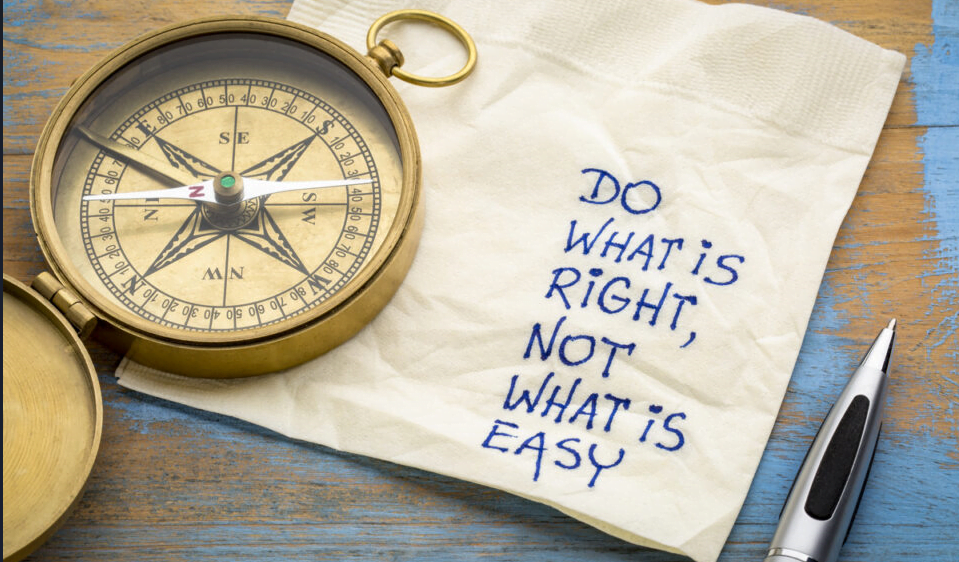
[“Navigating the Ethical Compass” – Image by Pexels.com]
Living with Integrity: The Guiding Light on Your Path
So, what’s the alternative? Integrity – the unwavering commitment to live by your core values. It’s the bridge that connects your beliefs to your actions. In his seminal work “The 7 Habits of Highly Effective People,” Stephen Covey emphasizes integrity as a cornerstone of personal effectiveness. He defines it as “choosing to think and act in ways consistent with your deepest values and principles.“
Living with integrity isn’t about achieving some unattainable moral high ground. It’s about aligning your daily actions with your core values. When Sarah, a young marketing manager, discovered a colleague plagiarizing content for a client presentation, she faced a difficult choice. Staying silent was tempting, but it violated her core value of honesty. Sarah mustered the courage to speak up to her colleague, fostering a more ethical work environment.
By prioritizing integrity, you build a foundation of self-respect, cultivate strong relationships based on trust, and experience the profound inner peace that comes from living authentically.
Honesty: The Powerhouse Behind Sustainable Success
Honesty extends far beyond simply avoiding falsehoods. It encompasses transparency, open communication, and authenticity. Brené Brown, in her book “Daring Greatly,” explores the transformative power of vulnerability and honest communication. She argues that being open and authentic fosters deeper connections and creates a more collaborative and ethical environment.
Ed Batista, the former CEO of Bain & Company is a great example. Batista could have easily prioritized short-term gains over long-term ethical practices when facing pressure to meet aggressive financial targets. However, his commitment to integrity led him to implement a new client service model that focused on building long-term value for clients. While initially challenging, this decision ultimately positioned Bain & Company for sustainable success and solidified their reputation as a trusted advisor.
As Daniel Goleman described, emotional intelligence also plays a crucial role in cultivating honesty. Self-awareness allows us to recognize the desires that might tempt us towards dishonesty, while emotional regulation helps us make conscious choices aligned with our values.
Delayed gratification, the ability to forgo immediate pleasure for long-term benefits, also plays a part. The path of honesty may not always be the easiest, but it ultimately leads to more fulfilling and sustainable success. In his book “Give and Take,” Adam Grant highlights how prioritizing ethical behavior leads to long-term success. “Givers” who consistently act with integrity build trust and goodwill, ultimately reaping more significant rewards in the long run.
When the Path Gets Foggy: Navigating Difficult Dilemmas
Integrity often thrives in the clear light of day, guiding us towards ethical choices. But what happens when the path gets foggy? We all encounter situations where honesty seems complicated, where fear or self-preservation might cloud our judgment.
Imagine a workplace situation where you witness a colleague taking a questionable shortcut. It could be a seemingly minor exaggeration on a report or a creative interpretation of deadlines. While the consequences might seem small, a nagging voice of integrity whispers its concerns.
Here’s where the true character emerges. Do you stay silent, prioritizing comfort and avoiding conflict? Or do you muster the courage to speak up, even fearing rejection or potential backlash?
This internal struggle highlights the importance of core values. A clear understanding of what truly matters to you – honesty, fairness, or teamwork – provides a compass during these confusing moments.
Remember, integrity doesn’t always mean grand pronouncements. Many times, it manifests in subtle ways, like voicing your concerns during a meeting or anonymously reporting a discrepancy through the proper channels.
These seemingly small acts of honesty can ripple effect, fostering a more ethical and transparent environment for everyone.
[“Honesty and integrity” – moneycatzzz.com]
The Ripple Effect: Cultivating a Culture of Living with Integrity
The positive impact of honesty and integrity extends far beyond the individual. Companies with ethical, solid reputations attract and retain top talent. Customers are more likely to build trust and loyalty with brands that operate with transparency and fairness.
This commitment to ethical behavior creates a positive ripple effect, impacting the company’s success and shaping a more moral and trustworthy marketplace for everyone.
Consider Yvon Chouinard, the founder of Patagonia. Their unwavering dedication to environmental responsibility and fair labor practices goes beyond marketing slogans. They actively advocate for environmental protection and source materials from sustainable farms. This dedication to honesty fosters trust and loyalty among customers and employees, contributing to their long-term success. Similarly, Ben & Jerry’s, the iconic ice cream brand, prioritizes social responsibility. Their commitment to fair trade practices and social justice initiatives resonates with their customer base. This authenticity helps them stand out in a crowded marketplace, contributing to their enduring success.
Building Your Integrity Toolkit: Practical Strategies for Daily Life
So, how can you translate the power of honesty and integrity into your daily actions? Here’s your personal integrity toolkit:
- Identify Your Core Values: Reflect on what truly matters to you. What principles guide your decisions? Write them down and keep them visible as a daily reminder.
- Embrace Radical Transparency: Strive for open and honest communication in all your interactions. This fosters trust and strengthens relationships.
- Practice Active Listening: Pay close attention to what others say verbally and nonverbally. Clear communication minimizes misunderstandings and strengthens the foundation of trust.
- Hold Yourself Accountable: We all make mistakes. When you slip up, acknowledge your error, take responsibility, and learn from it. Demonstrating accountability reinforces your commitment to integrity.
- Celebrate Ethical Wins: Recognize and reward yourself and others for making honest choices. Positive reinforcement strengthens the commitment to integrity.
- Lead by Example: Your actions speak louder than words. Be the embodiment of honesty and integrity in all your interactions, big and small.

[“Integrity Toolkit: Practical Strategies for Daily Life” – moneycatzzz.com]
Addressing Skepticism on Living with Integrity
Complete honesty is impractical in everyday life. There are situations where social graces or protecting someone’s feelings might necessitate a “white lie.” However, integrity doesn’t mean constant self-sacrifice. It’s about aligning your actions with your core values and acting with authenticity. Even in these situations, strive for minimal deviation from the truth and act with good intentions.
A Legacy Built on Integrity
Honesty and integrity are not just characteristics but the cornerstones of a meaningful life. You build a strong foundation for personal and professional growth by prioritizing these values. You foster trust in relationships, achieve success with a clear conscience, and contribute to a more ethical and joyous world. Remember, true success is not measured by accolades or achievements alone but by the legacy of integrity you leave behind. Let your core values guide your path, and watch as you build a life of fulfillment and lasting success.
Here are some additional thoughts to consider:
- Self-compassion is key: Don’t beat yourself up for occasional lapses. Forgive yourself, learn from the experience, and recommit to your values.
- Celebrate small wins: Every honest choice, every act of courage, is a step in the right direction. Acknowledge your progress, no matter how small.
Seek continuous growth: Surround yourself with people who inspire you to be your best self. Read books and articles on ethics and personal development. The more you learn and grow, the stronger your foundation of integrity becomes.
Honesty and integrity are not just characteristics but the cornerstones of a meaningful life. You build a strong foundation for personal and professional growth by prioritizing these values. You foster trust in relationships, achieve success with a clear conscience, and contribute to a more ethical and joyous world. Remember, true success is not measured by accolades or achievements alone but by the legacy of integrity you leave behind. Let your core values guide your path, and watch as you build a life of fulfillment and lasting success.

Your Journey Begins Now!
Reflect on your core values. What principles are most important to you in your personal and professional life? Could you share them in the comments below? Let’s create a supportive community where we can learn from each other’s experiences and inspire one another to live with greater integrity. Together, we can build a ripple effect of honesty and create a more positive and ethical world.
This week, choose a specific situation where you can consciously choose honesty or integrity. Write about it in the comments below and share your experience. How did it make you feel? What did you learn? By taking action and sharing our stories, we can all become beacons of integrity and inspire others to do the same.
Disclosure: This post may contain affiliate links. We only recommend products we believe in, and We may receive a commission at no cost to you! Thanks for your support!”
Acknowledgement: Cover Image by rawpixel.com on Freepik
Signup to our Newsletter for regular updates:
Disclaimer: The information is provided for general information only – moneycatzzz.com makes no representations or warranties in relation to the information, including but not limited to any representation or warranty as to the fitness for any particular purpose of the information to the fullest extent permitted by law. While every effort has been made to ensure that the information provided in this article is accurate, reliable, and complete as of the time of writing, the information provided in this article should not be relied upon to make any financial, investment, real estate or legal decisions. Additionally, the information should not substitute advice from a trained professional who can take into account your personal facts and circumstances, and we accept no liability if you use the information to form decisions.