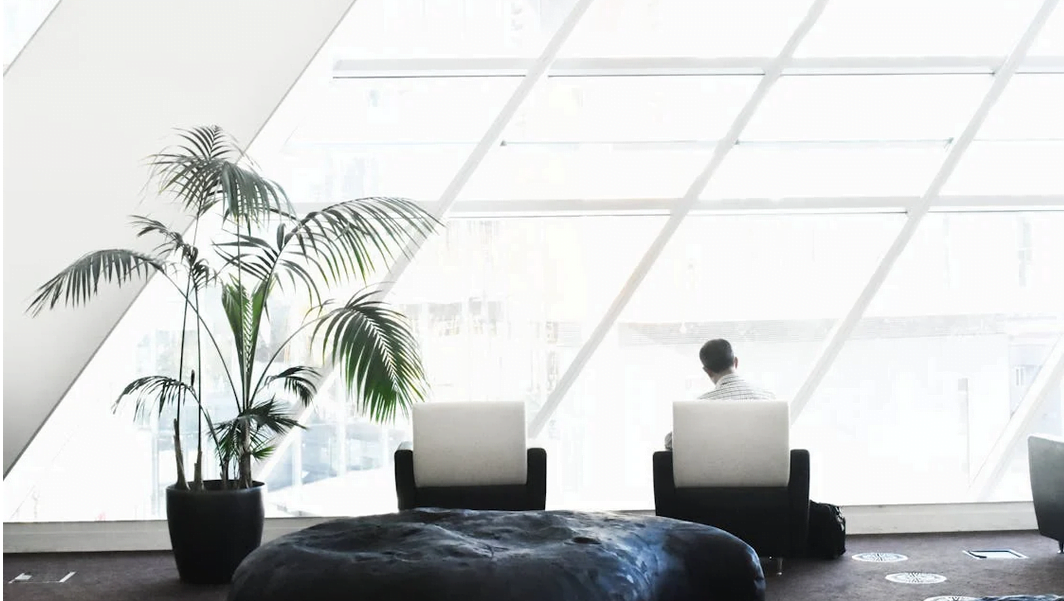
 Reading Time: 8 mins #
 This post may contain affiliate links.
Minimalism: Embrace Less to Live More
Minimalism is more than just a design aesthetic—it’s a lifestyle philosophy that promotes simplicity, intentionality, and focus. Pioneering architect Ludwig Mies van der Rohe famously embodied this mindset with his “less is more” approach, which resonates deeply in today’s fast-paced, consumer-driven world.
In an era of information overload, our to-do lists pile up, inboxes overflow, and notifications leave us feeling scattered and overwhelmed. Society constantly reinforces the idea that more is better—more possessions, information, and busyness. Like lemmings mindlessly following, we are conditioned to “do more” without stopping to ask: Does this truly add value to my life?
“Clutter is the physical manifestation of unmade decisions.” – Francine Jay
By embracing minimalism, we can break free from this cycle, clear the mental and physical clutter, and reclaim our time, energy, and focus.
The Overload Epidemic: Why More Isn’t Always Better
How Minimalism Creates Space for What Truly Matters
We live in an age of information overload. Social media feeds us constant updates, our inboxes overflow with marketing emails, and the siren song of online shopping beckons us to “add to cart” with reckless abandon—this relentless pursuit of “more” strains our wallets and chips away at our well-being. Decision fatigue, a state of mental exhaustion from having too many choices, becomes a daily battle. Cluttered physical and digital environments can lead to increased stress and decreased productivity. As Greg McKeown aptly states in his book Essentialism, we’re drowning in the trivial many, neglecting the vital few that truly matter.
The Minimalist Mindset: The Power of Living with Less
How Minimalism Creates Space for What Truly Matters
The “Less is More” philosophy isn’t about deprivation or living a life of austerity. It’s about a conscious shift towards intentionality. Minimalism, a core principle of “Less is More,” encourages us to surround ourselves only with things that bring us joy and serve a purpose. Imagine a life free from physical clutter – overflowing closets become streamlined storage solutions, and your countertops are transparent, creating a sense of calm and peace. This resonates with the KonMari method, popularized by Marie Kondo in her book The Life-Changing Magic of Tidying Up. By holding each item and asking if it “sparks joy,” we can mindfully declutter and create a space that reflects our values.
Shifting from Materialism to Meaningful Living
“Less is More” benefits extend far beyond the physical realm. Decluttering your digital life can be equally transformative. Unsubscribing from unnecessary emails, silencing distracting notifications, and employing batching techniques to manage social media all contribute to a more focused and mindful approach to technology.
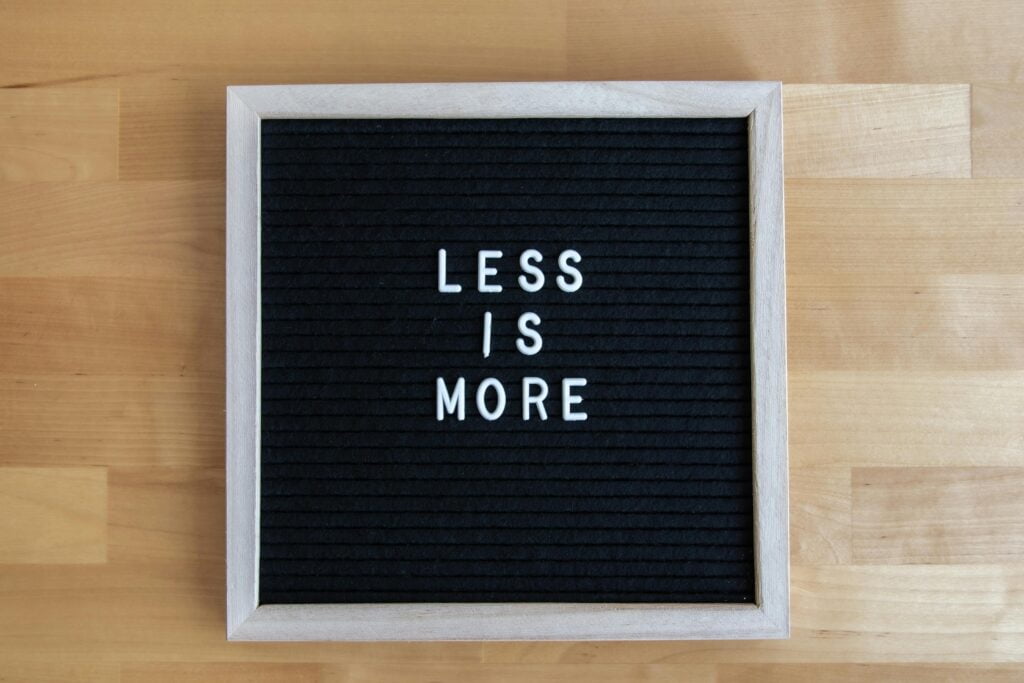
[“The Principle of “Less is More” – Photo by Jorge Urosa]
Your Minimalism Blueprint: A Step-by-Step Guide to Simplifying Life
Declutter Your Home: Organizing for a Stress-Free Space
Now that we’ve explored the “why” behind “Less is More,” let’s delve into the “how.” Here are actionable steps you can take to implement this philosophy across various aspects of your life:
- Decluttering Your Physical Space: Embrace the KonMari method or a similar approach. Start small and tackle one area at a time. Group similar items and utilize attractive storage solutions to maximize space and minimize clutter. Consider giving up on “just in case” items and free promotional clutter that never gets used.
- Conquering Digital Overload: Unsubscribe mercilessly from email lists that no longer serve you. Utilize services like Unroll.me to manage subscriptions efficiently. Tame your notifications on your phone and computer. Batch your email and social media checking to designated times to reduce distractions.
- Prioritizing for Maximum Impact: Identify your core values. What truly matters to you in life? Understanding your values helps you identify activities that align with your goals and eliminate those that don’t. Greg McKeown’s Essentialism offers a robust framework for this process. Create a time audit to track where your time goes. This awareness lets you identify time-wasters and carve out space for high-value activities. Be bold and politely decline commitments that don’t align with your priorities. Reduce the “Keeping up with the Joneses” mentality. Focus on your values and goals instead of external pressures.
- Financial Freedom Through Less: The concept of “Less is More” is deeply intertwined with achieving financial freedom. By decluttering your material possessions, you’re less likely to impulse buy and can redirect those saved resources toward your financial goals. Minimalism naturally leads to reduced expenses and increased control over your finances. In his book “Atomic Habits“, James Clear emphasizes the power of building positive financial habits that contribute to long-term wealth creation.
- Deep Work: Amplifying Your Focus with Less Distractions: Focused work is the cornerstone of achieving personal and professional goals. In his book Deep Work, Cal Newport outlines the importance of eliminating distractions and carving out dedicated time for deep work sessions. Minimizing distractions and creating a conducive environment can unlock your full potential and achieve remarkable results.

Minimalism Beyond Decluttering: Creating a Life of Abundance
How Less Leads to More Creativity, Productivity, and Fulfillment
When you declutter your physical and digital environments, you free up mental bandwidth and emotional energy. This newfound space allows you to cultivate a life rich in experiences, meaningful relationships, and personal growth. Imagine the possibilities:
- Enhanced Creativity: You have more creative thinking and problem-solving space when your mind isn’t cluttered with unnecessary information.
- Increased Productivity: You’ll get more done quickly by eliminating distractions and focusing on high-value tasks.
- Deeper Relationships: Less clutter means less time spent tidying and organizing, freeing you up to connect with loved ones on a deeper level.
- Reduced Stress and Anxiety: Studies have shown that a cluttered environment can contribute to feelings of stress and overwhelm. By decluttering, you create a sense of calm and peace that permeates all aspects of your life.
- Greater Appreciation: When you surround yourself with fewer things, you appreciate each item more. This fosters a sense of gratitude and contentment.
By embracing this philosophy, you can unlock a life characterized by greater simplicity, focus, and abundance in the things that truly matter.
The Power of Less in Everyday Life: Real-Life Examples of Minimalism
Here are some real-life case studies showcasing how Minimalism can be applied in different areas of life:
1. Joshua Becker and Ryan Nicodemus: Embracing Minimalism on the Road
- The Minimalists: Joshua Becker and Ryan Nicodemus, founders of The Minimalists website, famously documented their journey to Minimalism by removing over half their belongings. They created a “30-Day Minimalism Game” where participants declutter one item daily, increasing the number as the month progresses. This gamified approach breaks down decluttering into manageable steps and fosters a sense of accomplishment.
2. Francine Jay’s Batching Technique: Taming the Digital Beast
- Become a Minimalist: Francine Jay, founder of the website Become a Minimalist, advocates for a “batching” approach to digital tasks. This involves grouping similar tasks (e.g., checking email and managing social media) and completing them in designated time slots. This reduces distractions and streamlines digital activities.
3. Courtney Carver’s Project 333: The Art of the Minimalist Wardrobe
- Courtney Carver: Author of “Project 333: The Minimalist Fashion Challenge“, promotes a minimalist wardrobe by challenging readers to wear only 33 items of clothing (excluding accessories) for three months. This encourages a focus on versatility and quality over quantity in clothing choices.
These are just a few examples, and the approach to Minimalism can be highly personal. The key takeaway is that Minimalism is a journey, not a destination. It’s about identifying what truly matters to you and surrounding yourself with those things, both physically and digitally.

[“Embracing Minimalism” – Photo by Bench Accounting on Unsplash
Smart Minimalism: What to Keep and What to Let Go
Investing in Experiences Over Possessions
While decluttering is crucial, it’s not about depriving yourself. Here’s how to strategically keep items that enhance your life:
- Invest in Experiences: Prioritize experiences that create lasting memories over accumulating material possessions. Invest in travel, workshops, classes, or concerts that spark joy and personal growth.
- Multi-Functional Items: Consider items that serve multiple purposes, like a convertible sofa bed or a garment steamer that can refresh curtains. This maximizes space while maintaining functionality.
- High-Quality Staples: Invest in a few high-quality, well-made pieces for your wardrobe, kitchen appliances, or tools. These will last longer and provide better functionality than lower-quality alternatives.
- Curated Sentimental Items: Keep a curated selection of items that hold sentimental value. Consider digitizing photos and documents to save physical space while preserving memories.

My Minimalism Journey: Lessons from a Life with Less
Overcoming the Challenges of Letting Go
As a digital nomad for the past seven years, my journey with “Less is More” felt like finally unpacking an overstuffed backpack I’d been carrying for years. It held everything – old textbooks, souvenirs from past trips, and even childhood toys. While some items held sentimental value, many were just dead weight, contributing to the heaviness I constantly felt. One day, I decided to unpack, taking each item out and evaluating its purpose.
Discarding unused items and reorganizing the essentials was a revelation. The weight lifted, both physically and metaphorically. I realized how much mental and emotional energy I’d wasted on unnecessary things. This experience sparked a deeper exploration of Minimalism, and it continues to lighten my physical and digital load. Like that backpack, I am forever grateful to Ludwig Mies van der Rohe. My life feels lighter and more manageable, allowing me to focus on what truly matters.
Start Your Minimalism Journey Today: Take the First Step
The beauty of this philosophy lies in its accessibility. Start small – declutter a single drawer, unsubscribe from unnecessary emails, or block out a dedicated focus time in your schedule. As you experience the positive impact on your life – a calmer environment, increased productivity, and a renewed sense of control – you’ll be motivated to continue your journey.
How Minimalism Helps You Create Lasting Change
Choose one area of your life – your physical space, your digital world, or your schedule – and identify a simple step towards “Less is More” that you can implement this week. Remember, the journey of a thousand miles begins with a single step. Embrace the power of “Less is More” and watch your life transform remarkably.
Disclosure: This post may contain affiliate links. We only recommend products we believe in, and We may receive a commission at no cost to you! Thanks for your support!”
Acknowledgement: Cover Photo by Karolina Grabowska
Signup to our Newsletter for regular updates:
Disclaimer: The information is provided for general information only – moneycatzzz.com makes no representations or warranties in relation to the information, including but not limited to any representation or warranty as to the fitness for any particular purpose of the information to the fullest extent permitted by law. While every effort has been made to ensure that the information provided in this article is accurate, reliable, and complete as of the time of writing, the information provided in this article should not be relied upon to make any financial, investment, real estate or legal decisions. Additionally, the information should not substitute advice from a trained professional who can take into account your personal facts and circumstances, and we accept no liability if you use the information to form decisions.