 Reading Time: 8 mins #
 This post may contain affiliate links.
The red light made everything look as if it were bleeding. In a forgotten corner of Hanoi’s Old Quarter, behind a shop selling knockoff Leicas, I stumbled into a still-functioning darkroom where Mr. Nguyen developed film the way his grandfather had taught him. “Best images emerge in complete darkness,” he said, agitating a tray of developer with practiced rhythm. “Light too soon will ruin everything.”
I’d found this place while limping through Vietnam, nursing both a stress fracture from marathon training and what my therapist would later call “achievement exhaustion.” Active recovery was supposed to be my salvation, but I was failing at it spectacularly, filling every rest day with yoga, swimming, “gentle” cycling. Even my rest was performative.
Mr. Nguyen turned off the red light. Complete darkness swallowed us. “Now we wait,” he said. “This is when the photograph becomes itself.”
The Myth of Constant Light
We live in terror of the dark periods. Our culture treats rest and recovery like character flaws; as if needing restoration means we’re broken rather than beautifully human. I’d learned this gospel early: sleep when you’re dead, pain is weakness leaving the body, if you’re not grinding, you’re dying.
The stress fracture that brought me to Vietnam wasn’t my first warning. Three years earlier, I’d pushed through overtraining syndrome so severe that climbing stairs left me breathless. My cortisol levels were, as my doctor put it, “incompatible with sustainable life.” But sustainable life wasn’t my goal. Constant light was.
Brad Stulberg and Steve Magness write in Peak Performance that growth follows a simple formula: stress + rest = adaptation. I’d highlighted that passage, then promptly ignored the rest. I excelled at stress management, but struggled with shadow work. The burnout recovery I needed felt like death, so I chose the slower death of constant motion.
Mr. Nguyen’s darkness was different. Intentional. Productive. In that pitch-black room, silver halides were transforming into images, as chemical reactions occurred that would be destroyed by light. “Development happens in the dark,” he repeated, like a mantra. “Cannot rush. Cannot force. Can only honor.”
My foam roller, bought from a physio shop in Hanoi’s French Quarter, sat unused in my room. Recovery tools feel like an admission of weakness when you’ve been taught that needing recovery means you’ve already failed.

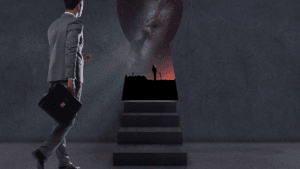
[“Development in Darkness” – Image by moneycatzzz.com]
What Develops in Darkness
The body does its most crucial work while we sleep. Muscle fibers torn during training rebuild stronger during rest. The brain consolidates memories, clears metabolic waste, and processes emotions we couldn’t handle while conscious. This is shadow work at the cellular level: the invisible labor that makes visible performance possible.
But I’d been terrified of what might develop in my darkness. Three months before the stress fracture, my mother had died. I’d run through the grief, literally, adding miles every time feelings surfaced. Overtraining syndrome wasn’t just physical; it was emotional suppression, disguised as athletic wear.
In Hanoi, forced actually to rest, everything I’d been outrunning caught up. In my hostel room, reading When the Body Says No by Gabor Maté, I found myself sobbing at a passage about how the body forces rest when the mind refuses it. My stress fracture wasn’t an injury; it was an intervention.
Mr. Nguyen had invited me back to watch the whole development process. In the darkness, he told stories. His grandfather had hidden in caves during the war, developing intelligence photos in absolute blackness. “Shadow work saved the country,” he said. “What happens in the dark makes light possible.”
I thought about all the shadow work I’d been avoiding. Not just physical active recovery, but the emotional processing, the grief work, the sitting with discomfort instead of running from it. The healing process requires darkness, just as plants require soil: unseeable, unglamorous, yet essential.
The Resistance to Stillness
I bought a silk eye mask from the night market, the vendor assuring me it was “best for deep sleeping, very dark, and very quiet for the mind.” But wearing it felt like drowning. Without visual input, without distraction, I was alone with what my body had been trying to tell me for years.
Recovery training isn’t just about physical restoration; it’s also about mental and emotional restoration. It’s about facing what surfaces when we stop moving. Athletes know this: the most challenging part of rest and recovery isn’t the physical stillness but the mental uprising. Who are you when you’re not performing? What value do you have in stillness?
I started swimming at West Lake, not for training but for floating. The water held me while I practiced what felt impossible: doing nothing. An older woman who swam there every morning noticed my struggle. “You swim like you’re fighting the water,” she said in accented English. “Water only holds what surrenders to it.”
This was the paradox of burnout recovery: the medicine feels like poison when you’ve been running on cortisol and achievement. Your nervous system, hijacked by chronic stress, interprets rest as a threat. The restorative practice feels like dying because, in a way, it is. You’re dying to who you were so you can become who you’re meant to be.
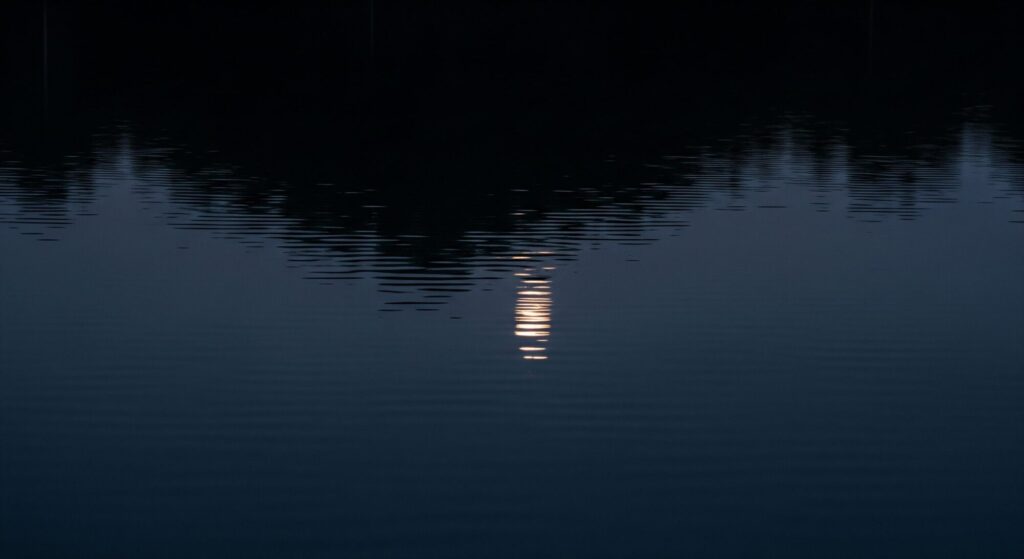
[“What Develops in Darkness / The Healing Process” – Image by moneycatzzz.com]
Recovery as Revolution
Week three in Hanoi, something shifted. I’d been attending Mr. Nguyen’s photography workshop, where I learned to develop film. In the darkness, waiting for images to emerge, I understood something about shadow work that had eluded me in the light.
Recovery isn’t passive. It’s the most active thing we do. In that darkroom, chemicals were at work, reactions were occurring, and transformations were happening. The darkness wasn’t empty; it was full of becoming. My body, given actual rest and recovery, was rebuilding not just my broken bone but my broken relationship with rest.
I started treating active recovery like training, because it was. Morning meditation using the Headspace app became as non-negotiable as my former dawn runs. Afternoon naps weren’t a sign of laziness, but rather a form of recovery training. Evening walks without podcasts, without goals, without tracking, became shadow work sessions where I processed what I’d been too busy to feel.
The eye mask became my portal to necessary darkness. Under its silk embrace, I practiced what Eckhart Tolle calls “the power of now,” as described in his book of the same title: being present with what is, not with what should be.
The healing process accelerated when I stopped resisting it.
What Emerges from the Dark
My last night in Hanoi, Mr. Nguyen gave me a photograph he’d developed: me in his darkroom, barely visible in the red light, watching something emerge in the developer tray. “This is shadow work,” he said. “You’re watching what develops when you stop forcing.”
The stress fracture healed in eight weeks instead of twelve. But more than bone knitted together in that darkness. I’d learned that overtraining syndrome, whether physical or emotional, is just fear of the dark made manifest. We stay in constant light because we’re terrified of what develops in darkness: truth, feeling, mortality, change.
Active recovery became my highest form of training. Not the grudging rest between efforts, but the sacred darkness where transformation happens. The shadow work of sitting with grief instead of running from it. The recovery training of feeling feelings as they arise instead of storing them in muscle tissue.
I still have the foam roller, the eye mask, and the photograph. Talismans of my time in the necessary dark. They remind me that burnout recovery isn’t a failure, but rather a form of wisdom. That rest and recovery aren’t obstacles to achievement but its foundation. That which develops in darkness makes everything else possible.
The restorative practice I learned in that Hanoi darkroom was simple: honor the darkness as much as the light. Trust what develops when you can’t see it happening. Understand that shadow work isn’t the opposite of training. It’s training’s most valid form.
What shadow work is your body asking for? When has forced recovery taught you something essential? Share your stories of what emerged from your necessary darkness.


Disclosure: This post may contain affiliate links. We only recommend products we believe in, and we may receive a commission at no cost to you! Thank you for your support!
Acknowledgment: Cover Image by moneycatzzz.com
Disclaimer: The information is provided for general information only – moneycatzzz.com makes no representations or warranties in relation to the information, including but not limited to any representation or warranty as to the fitness for any particular purpose of the information to the fullest extent permitted by law. While every effort has been made to ensure that the information provided in this article is accurate, reliable, and complete as of the time of writing, the information provided in this article should not be relied upon to make any financial, investment, real estate or legal decisions. Additionally, the information should not substitute advice from a trained professional who can take into account your personal facts and circumstances, and we accept no liability if you use the information to form decisions.