 Reading Time: 8 mins #
 This post may contain affiliate links.
Financial Recovery-The Key to Overcoming Setbacks
Financial recovery—the key to overcoming setbacks—requires a thoughtful approach, starting with debt management. Tackling debts through Debt Snowball or Debt Avalanche strategies can help you regain control by prioritizing payments efficiently. Budgeting is essential in this process, as managing fixed and variable expenses ensures you have the cash flow necessary to pay down debts while saving for the future. Alongside these financial strategies, cultivating mental resilience is crucial. This involves developing a mindset that supports long-term success, empowering you to bounce back stronger from setbacks.
As you embark on your financial recovery journey, debt management, budgeting, and mental resilience serve as the foundation for rebuilding. Recognizing the psychological factors that affect your financial decisions can help you make more rational choices, and leveraging resources like government assistance or financial advisors can provide the support you need. Through discipline and a positive mindset, financial recovery becomes a process that helps you regain stability and sets the stage for lasting financial success.
This article will guide you through the essential steps of financial recovery, starting with the critical debt management process. Effective debt management is the cornerstone of recovery, as it frees up resources for savings and investment, setting you up for long-term financial success. Addressing debt first creates a stable foundation to build your recovery journey.
“It does not matter how slowly you go as long as you do not stop.” – Confucius.
1. Debt Management: The Cornerstone of Financial Recovery-Your First Step to Financial
FreedomTo kickstart your journey to financial recovery, addressing debt is the first and most crucial step. Managing debt effectively allows you to free up resources for saving and investing.
Debt Snowball vs. Debt Avalanche
The Debt Snowball method focuses on clearing smaller debts first, offering psychological victories along the way. At the same time, the Debt Avalanche targets high-interest debts, which can lead to greater long-term savings. Both approaches offer distinct advantages, so choosing the one that best suits your financial goals and mindset is essential.
For a deeper dive into debt management, consider reading The Total Money Makeover by Dave Ramsey, a comprehensive guide to eliminating debt and establishing a strong financial foundation.
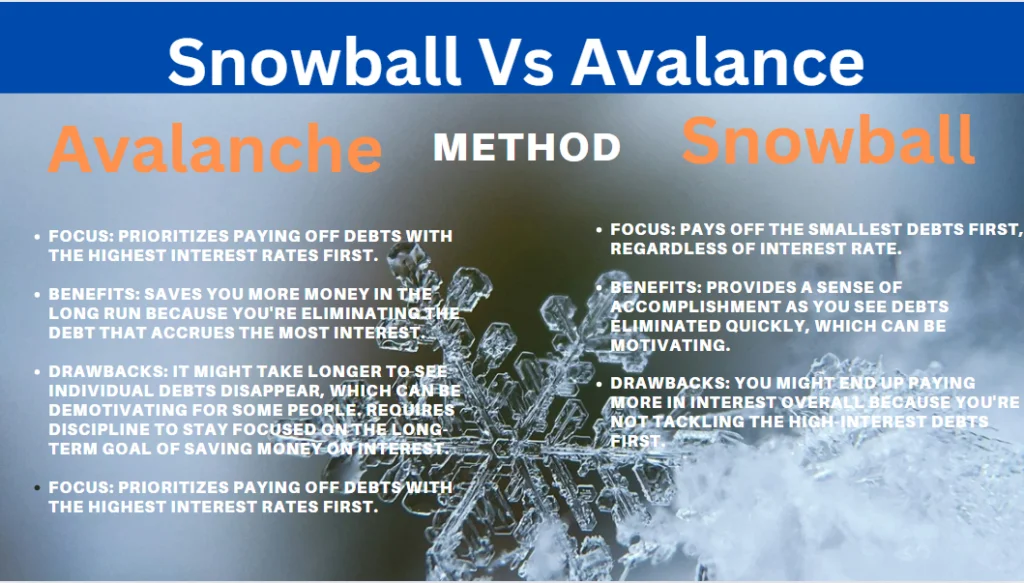
[“Financial Recovery – Debt Snowball or Debt Avalanch” – Image by moneycatzzz.com]
Negotiating Interest Rates
Negotiating your interest rates can make a big difference if you’re dealing with high-interest debt. Contact your credit card companies or lenders to explain your situation and ask for lower rates. Be prepared to make a strong case and escalate the matter to secure better terms.
Debt Consolidation
Debt consolidation, such as using balance transfer cards or personal loans, can simplify repayments and reduce interest rates. However, be cautious of hidden fees or predatory lending terms that may worsen your financial situation.
For an excellent approach to debt management and consolidation, consider “The Smart Money Woman“ by Arese Ugwu. This book offers practical guidance for rebuilding financial health and understanding how strategies like consolidation can play a role in long-term success.
2. Understanding the ‘Why’ Behind Financial Setbacks
Understanding the root causes of your financial challenges is not just crucial, it’s empowering. By addressing psychological and systemic factors, you can take control of your financial journey and make better decisions.
Behavioral Biases: The Psychological Pitfalls
Psychological factors like present bias and loss aversion often skew financial decisions, leading to choices that might not serve your long-term interests. Recognizing these biases allows you to make more rational, future-focused financial choices.
For a deeper understanding of how emotions and biases shape our financial behaviors, The Psychology of Money by Morgan Housel provides valuable insights and strategies for making smarter, more objective financial decisions.
Systemic Factors: External Influences
In addition to personal factors, systemic issues like economic disparities and limited access to credit can contribute to financial setbacks. While these challenges may feel out of your control, understanding them can help you take proactive steps and focus on what you can influence in your situation.

3. Budgeting: The Key to Regaining Control-Your Path to Financial Stability
Effective budgeting is one of the most powerful tools for regaining financial control. Whether you’re managing fixed or variable expenses, a solid budget helps ensure you’re making the most of every dollar.
Fixed vs. Variable Expenses
Begin by distinguishing between fixed expenses (like rent and utilities) and variable expenses (such as groceries and entertainment). Fixed costs stay the same, while variable costs can be adjusted. Controlling variable expenses can free up more resources for savings and debt reduction.
For practical tips on budgeting and building wealth—even from scratch—You Are a Badass at Making Money by Jen Sincero provides a motivating and actionable guide to financial growth.

[“Financial Recovery-The Key to Overcoming Setbacks” – Image on Pexels.com]
Budgeting with Irregular Income
Budgeting can be tricky for those with irregular income, such as freelancers or gig workers. Consider averaging your monthly income over a few months to establish a baseline and then create a budget that adjusts accordingly. Make sure to build a larger emergency buffer to weather income fluctuations.
Family Budgeting: Coordinating Finances with Loved Ones
Managing finances as a couple or family requires open communication and cooperation. Use shared budgeting apps to keep everyone on the same page, and be prepared to compromise on differing financial priorities.
4. Expanding Your Support System
Navigating financial recovery doesn’t mean you have to do it alone. Many resources are available to help guide you along the way, including professional advisors and community-based programs.
Local Resources in the U.S.
In the U.S., programs like The National Foundation for Credit Counseling (NFCC) provide debt management, credit counseling, and financial education. Additionally, organizations like the Consumer Financial Protection Bureau (CFPB) offer tools and resources to help manage debt and financial setbacks effectively.
For more information, check out NFCC’s website or CFPB’s website for expert advice and guidance.
Mental Health Support for Financial Stress
Financial stress can take a significant emotional toll, and seeking support is crucial. Financial therapists or mental health professionals specializing in cognitive-behavioral therapy (CBT) for financial stress can provide strategies to cope with anxiety. Platforms like BetterHelp offer affordable and accessible therapy sessions.
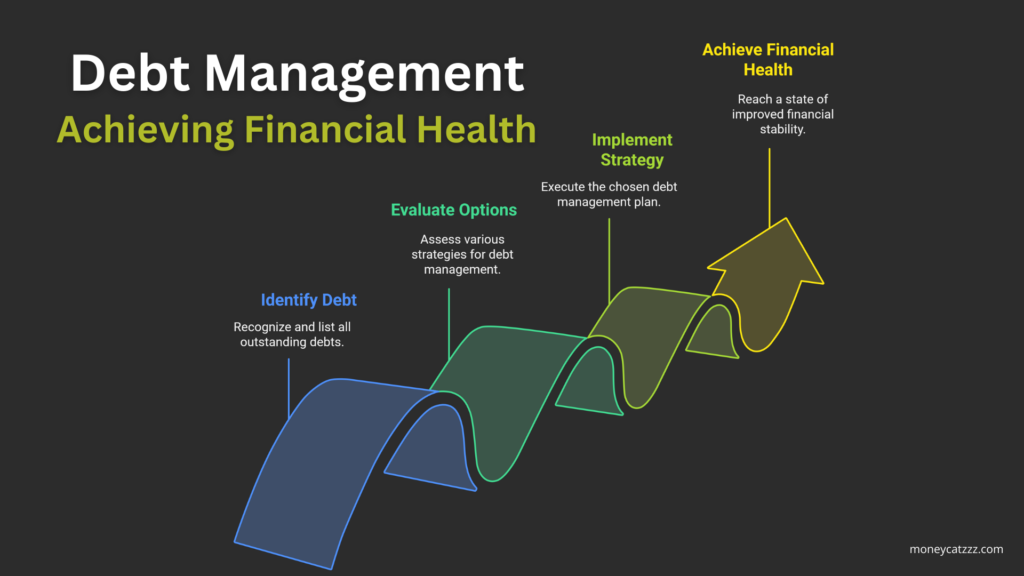
[“Debt Management – Financial Health” – Image by moneycatzzz.com]
5. Investment Recovery: Smart Re-Entry Strategies
Once your financial foundation is secure, you can focus on rebuilding your investment portfolio. This sense of security provides a stable platform to make well-informed investment decisions.
Risk Tolerance: Understanding Your Limits
Before re-entering the investment world, assess your risk tolerance. Are you emotionally and financially ready to take on the risks of reinvesting? Make sure your financial recovery is in a strong place before investing.
Tax Implications
Selling assets or reinvesting could have tax consequences, such as capital gains taxes. Consider tax-advantaged accounts or consult a tax professional to help minimize the impact.
Avoiding “Get Rich Quick” Schemes
The temptation of quick financial gains can be powerful, but it’s crucial to proceed cautiously. Steer clear of risky ventures like get-rich-quick schemes or unregulated investments such as pyramid schemes or volatile cryptocurrencies. Maintaining vigilance ensures you stay focused on sustainable recovery.
The Little Book of Common Sense Investing by John C. Bogle highlights the long-term value of stable investments, particularly low-cost index funds, making it an invaluable resource for investors rebuilding their portfolios after setbacks.
6. Income Diversification: Building Financial Stability
Income diversification is a key strategy to secure your financial future. By creating multiple income streams, you’ll be less reliant on a single source of income and better positioned to weather future setbacks.
Passive Income: Earning While You Sleep
Passive income streams, like dividend stocks, real estate investments, or creating digital products (e.g., online courses or e-books), provide steady cash flow over time. While these require initial effort to set up, they can significantly enhance your financial recovery.
Assessing Skills and Exploring Opportunities
Take inventory of your skills and explore opportunities for side hustles or freelance work. Leverage platforms like Upwork or Fiverr to find gigs matching your skillset and build additional income streams.
7. Mental Resilience: Building a Strong Financial Mindset
Building mental resilience is just as important as the financial strategies you implement. A positive mindset will help you stay focused on long-term goals and overcome challenges.
Cognitive Restructuring: Reframing Negative Thoughts
Reframe your mindset by practicing cognitive restructuring to counter negative financial thoughts. Instead of believing, “I’ll never get out of this hole,” change it to, “This is just a setback, and I have the power to recover.” Shifting your perspective opens the door to long-term success and resilience.
Tara Brach’s Radical Acceptance offers powerful insights into the role of self-compassion and mindfulness in overcoming financial challenges, helping you build the mental strength necessary for financial recovery.
Self-Compassion: Embracing Your Journey
Treat yourself with compassion during the recovery process. Setbacks are to be expected, and learning from them is part of the journey. Be kind to yourself as you move forward.

8. Long-Term Planning: Setting Your Financial Future
Once you’ve regained stability, it’s time to plan for the future. Long-term financial planning ensures sustainable recovery and sets you on a path to wealth-building.
Setting Long-Term Goals
Consider your long-term financial goals, such as saving for retirement, buying a home, or creating an education fund. Break these large goals into smaller, actionable steps to make them more achievable.
Financial Check-Ups: Regular Monitoring
Regular financial check-ups are essential to ensure you’re on the right track. These allow you to assess your progress, track your net worth, and adjust your budget. Using tools like budgeting apps or spreadsheets provides real-time insights into your financial standing, making it easier to make informed decisions. You ensure your recovery journey remains on course by consistently evaluating your finances.
Financial recovery isn’t a quick fix but a gradual, rewarding process. It requires dedication, planning, and the right mindset. By mastering debt management, refining your budgeting habits, and fostering mental resilience, you recover from setbacks and build a solid financial future. Regular monitoring and minor, consistent adjustments will keep you moving forward, ensuring your financial foundation grows stronger with every step. Remember, progress is made by making one mindful decision at a time.
Disclosure: This post may contain affiliate links. We only recommend products we believe in, and We may receive a commission at no cost to you! Thank you for your support!
Acknowledgement: Cover Image by Unsplash.com
Disclaimer: The information is provided for general information only – moneycatzzz.com makes no representations or warranties in relation to the information, including but not limited to any representation or warranty as to the fitness for any particular purpose of the information to the fullest extent permitted by law. While every effort has been made to ensure that the information provided in this article is accurate, reliable, and complete as of the time of writing, the information provided in this article should not be relied upon to make any financial, investment, real estate or legal decisions. Additionally, the information should not substitute advice from a trained professional who can take into account your personal facts and circumstances, and we accept no liability if you use the information to form decisions.