
 Reading Time: 8 mins #
 This post may contain affiliate links.
Boost Your Credit Score and Secure Your Financial Future
Have you ever been denied a loan or credit card, and are you wondering why? The reason may be your credit score, which is a crucial factor in your financial health. If you want to boost your credit score and secure your financial future, understanding how this three-digit number works is the first step.
Your credit score impacts your ability to borrow money, secure favorable interest rates, and achieve long-term financial goals. But the good news? You’re not stuck with your current score! By making informed decisions and adopting smart financial habits, you can take control, improve your credit, and unlock new economic opportunities.
Disclaimer: The information provided in this article is for general informational purposes only and does not constitute financial advice.
Boost Your Credit Score: A Report Card for Responsible Borrowing
Your credit score is more than just a number—it’s a financial report card that determines your ability to borrow money and secure your financial future. Lenders assess this score to gauge how likely you are to repay borrowed money on time.
- A high credit score signals responsible financial habits and makes getting approved for loans with better interest rates more manageable.
- A low credit score can limit your borrowing options and increase costs.
The good news? You can boost your credit score! By understanding the key factors that influence it, you can take actionable steps to improve it and unlock better financial opportunities.
Cracking the Credit Score Code: Key Factors to Boost Your Credit Score
To boost your credit score and secure your financial future, it’s crucial to understand the key factors that influence it. Each element carries a specific weight in determining your overall score:
1. Payment History (35%) – The Most Important Factor
Your payment history is the single most significant factor in your credit score. A strong record of on-time payments can dramatically boost your credit score, while late payments or defaults can severely damage it.
2. Credit Utilization Ratio (30%) – Keep Balances Low
This measures how much of your available credit you’re using. Keep your credit utilization ratio below 30% to maintain a healthy credit score. Lower utilization signals responsible credit management, making you a low-risk borrower.
3. Credit Age and Mix (15%) – Build a Strong Credit Profile
A long credit history combined with a diverse mix of credit accounts—such as credit cards, car loans, and mortgages—demonstrates responsible financial behavior and positively impacts your score.
4. New Credit Inquiries (10%) – Apply Wisely
Each time you apply for new credit, a hard inquiry is recorded. Multiple inquiries in a short period can lower your score. However, applying strategically for mortgages, auto loans, or credit cards has a minimal long-term impact.
By understanding these key factors, you can take proactive steps to boost your credit score and secure your financial future, setting yourself up for better loan approvals, lower interest rates, and increased economic opportunities.
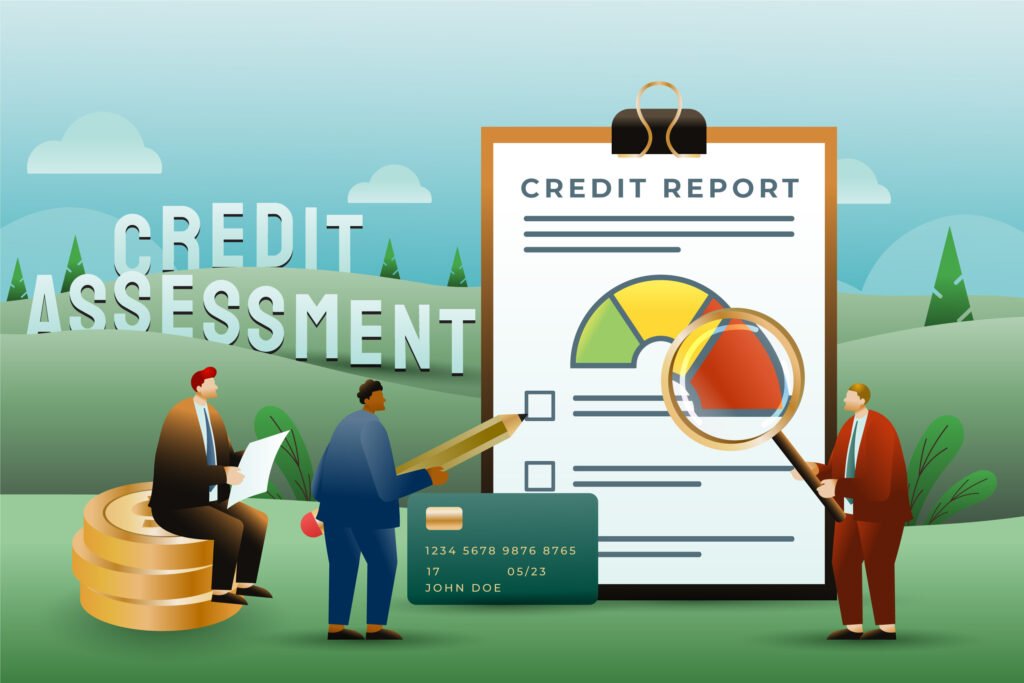
[“A Report Card for Responsible Borrowing” – Image on Freepik]
A Glimpse into the Future of Credit Scoring: Boost Your Credit Score with Emerging Trends
The world of credit scoring is rapidly evolving, presenting new opportunities to boost your credit score and secure your financial future. As of mid-2024, major credit bureaus—Experian, Equifax, and TransUnion—still rely heavily on traditional models emphasizing payment history and credit utilization. However, a growing shift toward alternative data sources is shaping the future of credit assessments.
Emerging Credit Factors to Watch
- Rental Payment History – In the near future, on-time rent payments may contribute positively to your credit score, offering renters a new way to boost their creditworthiness.
- Utility Bill Payments – Timely payments for electricity, water, and internet services could be recognized in credit evaluations, rewarding responsible financial behavior.
- Account Management Practices – How you manage existing credit accounts, such as maintaining low balances and avoiding credit limit overages, may soon carry more weight in credit scoring models.
While these potential credit scoring updates have yet to be fully implemented, staying informed about industry trends can help you take proactive steps to boost your credit score and secure your financial future.

Credit Pitfalls Exposed: How to Strengthen Your Financial Standing
Many individuals struggle with managing their credit effectively, but recognizing these challenges is the first step to boosting your credit score and securing your financial future. Below are some common credit pitfalls and how to overcome them:
Common Credit Mistakes and How to Fix Them
- Late Payments – Life gets busy, but missing due dates can significantly hurt your credit score. Set up automatic payments or reminders to ensure timely payments.
- Maxing Out Credit Cards – A high credit utilization ratio can reduce your credit score. Develop a debt repayment plan to lower your balances and maintain a healthy utilization ratio below 30%.
- Limited Credit History – A short or non-existent credit history can be a barrier. Consider a secured loan (backed by a cash deposit) or a credit-builder card to establish a favorable credit profile.
Aligning Your Credit Score with Your Financial Goals
Financial self-awareness is key to long-term success. Whether you dream of owning a home, starting a business, or achieving financial freedom, a strong credit score is essential. A high credit score unlocks lower interest rates, better loan approvals, and greater financial flexibility—allowing you to make decisions that align with your long-term goals.
Taking control of your credit can boost your credit score and secure your financial future, ensuring that every financial move brings you closer to stability and success.
[“Curb Your Credit Weaknesses” – Image by Storypik]
Find Your Financial Motivation: Why Boosting Your Credit Score Matters
What’s driving you to boost your credit score? Understanding your “why” can be a game-changer. Maybe you want a lower interest rate on your car loan, or perhaps your dream is to qualify for a mortgage with the best possible terms.
Connecting credit score improvement to your long-term financial goals strengthens your commitment to responsible credit management. When you focus on the bigger picture, every favorable financial decision becomes a step toward securing your financial future.
Proven Strategies to Boost Your Credit Score and Secure Your Financial Future
Now that you understand the credit score game, it’s time to take action. Implement these strategic steps to boost your credit score and secure your financial future:
- Check Your Credit Report for Free – You’re entitled to an annual free credit report from each central credit bureau. Review it for errors and dispute any inaccuracies hurting your score. Get your free reports from AnnualCreditReport.com.
- Master On-Time Payments – Payment history is the most significant factor in your credit score. Set up automatic payments or calendar reminders to ensure you never miss a due date. Learn more about how payment history affects your credit at the Consumer Financial Protection Bureau (CFPB).
- Reduce Credit Card Debt – High balances hurt your credit utilization ratio. Develop a debt repayment plan and aim to keep your utilization below 30% for a healthier score. Check out the Federal Trade Commission’s (FTC) Guide on managing credit wisely.
- Apply for Credit Wisely – Avoid multiple credit inquiries in a short period. Be strategic with new credit applications to minimize score fluctuations. Read Experian’s advice on when and how to apply for new credit.
- Seek Professional Guidance – Consider consulting a non-profit credit counseling agency for personalized financial advice and credit-building strategies if you’re struggling. Organizations like the National Foundation for Credit Counseling (NFCC) offer free or low-cost credit counseling.
By following these steps, you’ll be well on your way to improving your credit score and unlocking better financial opportunities.

[“Steps into Building a Brighter Financial Future” – Image by Manuel Alejandro Leon from Pixabay]
Building a Brighter Financial Future with a Strong Credit Score
Understanding your credit score empowers you to take control of your financial future. By consistently applying the credit-building strategies outlined earlier, you can gradually boost your credit score, unlocking financial opportunities that can transform your life.
Key Benefits of a Strong Credit Score
- Easier Loan Approvals & Better Terms – Lenders offer lower interest rates and better loan conditions to borrowers with higher credit scores, leading to substantial savings over time. Learn more about how your credit affects loan terms at MyFICO.
- Securing Your Dream Home – A high credit score is essential for getting a mortgage with competitive interest rates, making homeownership more affordable. Check out HUD’s homebuying programs to explore financing options.
- Lower Insurance Premiums – Many insurance companies consider your credit score when determining auto, renters, and homeowners insurance premiums. Learn how credit impacts insurance rates from the National Association of Insurance Commissioners (NAIC).
- Better Rental Opportunities – Landlords often review credit scores before approving rental applications. A strong credit score increases your chances of securing a desirable apartment or rental property. Find out more at Zillow’s renter guide.
- Leverage to Negotiate Lower Interest Rates – A good credit score gives you bargaining power when negotiating lower interest rates on credit cards, auto loans, and personal loans. Learn effective negotiation tactics at NerdWallet.
Stay Committed to Your Credit Goals
Building and maintaining a strong credit score requires patience and consistency. Results won’t appear overnight, but every positive step brings you closer to financial freedom. Celebrate milestones, no matter how small, and stay focused on your long-term wealth-building journey.
With dedication and the knowledge gained from this article, you can unlock limitless financial opportunities and secure your financial future for years to come.
Overcoming Credit Challenges: Navigating Roadblocks to Financial Success
The journey to boosting your credit score isn’t always a smooth ride. Unexpected obstacles can arise, but with the right strategies, you can overcome them and secure your financial future.
1. Fear of Checking Your Credit Report
Many people avoid checking their credit report due to fear of errors or discovering a low score. However, knowledge is power—obtaining your report is the first step toward credit improvement. Regularly reviewing your report allows you to:
- Spot and dispute errors that could be dragging your score down.
- Identify areas for improvement and track progress.
- Stay informed about any fraudulent activity or identity theft risks.
🔍 Tip: You can check your credit report for free once a year at AnnualCreditReport.com.
2. Struggles with Debt Management
Unexpected expenses, job loss, or medical bills can derail your debt repayment plan. Here’s how to stay on track:
- Consolidate Your Debt: If you have multiple debts with high interest rates, consider a debt consolidation loan to combine them into one payment with a lower rate. Learn more about this option at NerdWallet.
- Create a Budget: A solid budget helps you track expenses, cut unnecessary spending, and allocate funds toward debt repayment. Check out free budgeting tools at Mint, or You Need a Budget (YNAB).
- Seek Credit Counseling: Nonprofit organizations like the National Foundation for Credit Counseling (NFCC) offer free or low-cost financial guidance to help you develop a personalized debt repayment strategy.
By facing these challenges head-on, you can stay on course and continue making consistent progress toward a stronger credit score and a healthier financial future.

[“Challenges on the Road to Credit Improvement” – Photo by Ehud Neuhaus on Unsplash]
From Struggles to Success: A Credit Score Comeback Story
Many young adults face credit card debt early on, leading to low credit scores that can make it difficult to rent an apartment, buy a car, or secure a loan. According to the Federal Trade Commission (FTC), many individuals under 30 struggle with credit scores below 640.
Look at Alex’s journey—a story of determination, smart financial decisions, and a commitment to boosting their credit score.
Alex’s Credit Score Transformation
Like many recent graduates, Alex juggled student loans and credit card debt, negatively impacting their credit score. Determined to take control of their finances, Alex followed a structured plan to boost their credit score and secure their financial future.
Step 1: Checking the Credit Report
The first step was understanding where they stood. Alex obtained a free credit report from the three major credit bureaus—Experian, Equifax, and TransUnion—to review their credit history, late payments, and high utilization rates.
📌 Pro Tip: You’re entitled to a free credit report once a year from each bureau at AnnualCreditReport.com.
Step 2: Budgeting and Tracking Expenses
Alex created a realistic budget to track income and expenses. Identifying unnecessary spending helped them free up extra funds to pay down debt strategically.
Step 3: Prioritizing Debt Repayment
With a clearer picture of their debt, Alex used the avalanche method—focusing on the highest-interest debt first while maintaining minimum payments on other balances. This saved money on interest charges and helped accelerate debt payoff.
Step 4: Exploring Debt Consolidation
To streamline payments and reduce interest rates, Alex researched options like:
- Balance transfer credit cards with 0% introductory APRs
- Personal loans with lower interest rates to consolidate high-interest debt
Step 5: Automating Payments
To avoid late payments, which can severely impact a credit score, Alex set up automatic payments for at least the minimum amount due on all credit accounts. This simple step ensured on-time payments, improving a steady credit score.
The Results: A Stronger Financial Future
By following these steps, Alex boosted their credit score, gained access to better loan terms, and improved their financial stability.
No matter where you start, small, consistent actions can help you take charge of your finances, improve your credit score, and ultimately secure your financial future.

The Road to Success: Securing a Brighter Financial Future
Through consistent effort and responsible financial management, individuals like Alex can significantly boost their credit scores—often within 6 months to 2 years, depending on their financial situation.
By implementing smart credit habits, Alex achieved:
- A higher credit score
- Better loan terms with lower interest rates
- Easier approval for rental applications
- More financial opportunities and stability
Alex’s journey proves that taking control of your finances and practicing responsible credit management can open the door to long-term financial success. No matter where you start, the right strategies can empower you to secure your financial future.

Your credit score is not a fixed number; it’s a dynamic reflection of your financial responsibility. By demystifying the credit score system and implementing the actionable strategies outlined in this article, you can take control of your credit health and unlock a brighter financial future.
Remember, a strong credit score is the key to securing favorable loan terms, qualifying for dream homes, and achieving long-term financial goals. Don’t be afraid to leverage free resources like annual credit reports and credit counseling services. With dedication, financial literacy, and the knowledge you’ve gained here, you can build a strong credit score and unlock a world of financial opportunities.
So, take charge, embark on your credit improvement journey today, and watch your financial future flourish!
Power Up Your Credit Journey: Essential Reads for Financial Empowerment
Building a strong credit score requires knowledge and a proactive approach. Here are 4 highly relevant books to empower you on your credit journey:
- 1. “Your Credit Score: How To Improve The 3-Digit Number That Shapes Your Financial Future” by Liz Weston: This classic guide by financial expert Liz Weston offers a comprehensive overview of credit scores, packed with practical strategies for improvement.
- 2. “Credit Repair Like the Pros: How Credit Attorneys and Certified Consultants Legally Delete Bad Credit and Restore Your Good Name” by Carolyn Warren: If you’re facing credit challenges, this book by Carolyn Warren provides insights used by professionals to help you navigate credit repair and dispute inaccurate information on your credit report.
- 3. “I Will Teach You to Be Rich” by Ramit Sethi: This personal finance bestseller by Ramit Sethi goes beyond just credit scores and delves into building wealth and achieving financial freedom. His engaging style and practical tips can motivate you to take control of your finances.
- 4. “Your Money or Your Life” by Vicki Robin and Joe Dominguez: For those struggling with debt, this book offers a practical roadmap to becoming debt-free. Learning to manage debt effectively is a crucial aspect of improving your credit score.
Disclosure: This post may contain affiliate links. We only recommend products we believe in, and We may receive a commission at no cost to you! Thank you for your support!
Acknowledgement: Cover Image by Pixabay.com
Signup to our Newsletter for regular updates:
Disclaimer: The information is provided for general information only – moneycatzzz.com makes no representations or warranties in relation to the information, including but not limited to any representation or warranty as to the fitness for any particular purpose of the information to the fullest extent permitted by law. While every effort has been made to ensure that the information provided in this article is accurate, reliable, and complete as of the time of writing, the information provided in this article should not be relied upon to make any financial, investment, real estate or legal decisions. Additionally, the information should not substitute advice from a trained professional who can take into account your personal facts and circumstances, and we accept no liability if you use the information to form decisions.