
 Reading Time: 8 mins #
 This post may contain affiliate links.
There’s a voicemail on my phone from three years ago that I’ve kept like some digital self-harm device. It’s my mother, crying, asking why I didn’t come to my father’s birthday dinner. The answer was that I was passed out drunk in a Brooklyn apartment that wasn’t mine, with a man whose last name I didn’t know, trying to prove something about freedom that just felt like drowning.
I listen to it sometimes when I want to remind myself what a terrible daughter looks like. Two minutes and thirty-seven seconds of my mother’s voice breaking while I was breaking myself in more glamorous ways. This is my museum of failures, and that voicemail is the centerpiece, the thing I return to when I need evidence that the power of forgiveness shouldn’t apply to people like me.
Except last Tuesday, something shifted. I was sitting in my therapist’s office, the one with the succulence that won’t die no matter how much she neglects it, which feels like a metaphor for something. She asked me to describe myself, and I used words like “selfish,” “disappointing,” and “broken.” She asked me who I was describing, and I realized it wasn’t current me. It was every version of me I’d never forgiven.
The Courtroom in My Head
I’ve been running a trial in my head for 15 years, where I’m simultaneously the defendant, prosecutor, and judge, and I always lose. The evidence against me is extensive: every relationship I sabotaged, every opportunity I was too scared to take, every time I chose the easier wrong over the harder right.
Viktor Frankl¹ argues that we can’t change the past, but we can change our relationship to it. Easy for him to say. He survived the Holocaust. I couldn’t even survive my twenties without leaving a trail of emotional casualties.
The self-forgiveness everyone talks about feels like letting myself off the hook for things that actually hurt people. My ex-boyfriend, whom I cheated on because I was bored. My best friend, whose wedding I missed because I was having a mental breakdown about turning thirty. My younger sister, who stopped calling because I was always too busy being successful to be present.
Research on self-compassion² shows that people who forgive themselves are actually more likely to take responsibility and make amends. But taking responsibility feels like drowning in an ocean of my own mistakes.
The List of Unforgivable Things
I started making a list in therapy of things I couldn’t forgive myself for, and it read like a confession booth’s greatest hits:
The abortion at twenty-two that I never told anyone about, not even the father.
The job I got through lying on my resume, then kept through more lies.
The money I stole from my roommate’s drawer was used to buy weed.
The wedding toast, where I was so drunk I told everyone about the bride’s college eating disorder.
The year I didn’t speak to my father because he voted for someone I hated.
Each item on the list felt like evidence that some people don’t deserve the power of forgiveness. Some people are just fundamentally flawed in ways that can’t be fixed with therapy or meditation or whatever else people do to feel better about being human disasters.

[“The Psychology of Self-Prosecution” – Image by moneycatzzz.com]
The Mirror Moment
Irvin Yalom⁴ emphasizes the importance of self-confrontation, yet he makes it sound therapeutic rather than what it actually is: standing naked in front of a full-length mirror at 3 AM, counting all the ways you’ve failed to become someone worth being.
My body tells the story of my unforgiveness—the scars from cutting in college when emotional pain needed physical expression. The tattoo I got was to cover up another tattoo, which was covering up another mistake. The way I hold my shoulders, perpetually braced for the subsequent disappointment I’ll cause.
Self-reconciliation sounds like something you’d read in a wellness magazine, illustrated with a woman doing yoga on a mountaintop. The reality is messier. It’s sitting on your bathroom floor, reading old journals, and realizing you’ve been cruel to every version of yourself for decades.

The Conversation with Twenty-Two-Year-Old Me
I found a photo from when I was twenty-two, right after a self-induced miscarriage, trying to smile at someone’s birthday party. I looked hollow but was trying so hard to seem okay that it hurt to witness. I wanted to reach through time and tell her that she made the best decision she could with the information she had. Being scared and alone, and making a choice that haunts you, doesn’t make you a monster.
But I’d spent fifteen years calling her exactly that. A monster. A killer. A selfish woman who chose convenience over life. The past wounds I’d inflicted on myself were more profound than anything anyone else had done to me.
Find your essential self, Ian Morgan Cron⁵ told us, but what if your essential self is someone you’ve trained yourself to hate? What if every time you look inward, all you see is a collection of mistakes wearing your face?
The Beginning of Forgiveness
Personal growth through forgiveness doesn’t happen in a moment of enlightenment. It occurs in tiny, almost imperceptible shifts. Like when I stopped skipping over photos of myself from that time. Like when I could say “I had an abortion” without immediately following it with “and I’m a terrible person.”
The power of forgiveness isn’t about deciding your mistakes don’t matter. They do. The people I hurt are still hurt. The chances I wasted are still wasted. But continuing to punish myself doesn’t undo any of it. It just adds more pain to the pile.
Studies on forgiveness and mental health show that self-forgiveness is linked to lower anxiety, depression, and stress. But nobody mentions how it feels to forgive yourself: like betraying everyone you’ve hurt, like you’re getting away with something, like you don’t deserve the relief.
The Practice of Radical Self-Forgiveness
I started small. Instead of calling myself an alcoholic disaster, I said, “I was someone struggling with addiction.” Instead of “failed daughter,” I tried “daughter who was drowning and didn’t know how to ask for help.” The language felt false at first, like putting makeup on a corpse.
But language shapes reality. Every time I chose compassion over cruelty in how I talked to myself, something loosened. The self-forgiveness wasn’t instant or complete. It was incremental, like erosion in reverse, slowly building back something I’d spent years tearing down.
I wrote letters to younger versions of myself. Not apologizing for who they were, but for how I’d treated them since. To twenty-two-year-old me: “You were doing your best with a brain that wasn’t fully developed and a heart that was

[“Somatic Healing and Self-Reconciliation” – Image by moneycatzzz.com]
The Ripple Effect
The strangest thing about the power of forgiveness when applied to yourself is how it changes your relationship with everyone else. When you stop being your own prosecutor, you stop prosecuting others, too. When you give yourself grace for being human, you start seeing everyone else’s humanity too.
I called my mother. Not to apologize again for missing that dinner, but to thank her for leaving the voicemail. For still caring enough to cry. For not giving up on me even when I’d given up on myself.
Self-reconciliation doesn’t mean you suddenly like everything about yourself. I still cringe at some memories. Still wish I’d made different choices. But now there’s space between me and those mistakes. They’re things I did, not things I am.

The Ongoing Practice
The voicemail is still on my phone, but I haven’t listened to it in months. Not because I’ve forgotten or because it doesn’t matter, but because I no longer need the evidence. I know what I did. I know what it costs. And I know that continuing to prosecute myself for it serves no one.
Past wounds don’t disappear through forgiveness. They become part of your story without becoming your entire story. The power of forgiveness isn’t about erasing the past but about stopping the past from erasing your future.
What version of yourself are you still prosecuting? What would happen if you offered them the forgiveness you’d give to anyone else?
Books That Helped Me Reconcile With My Younger Self

The Gift of Therapy

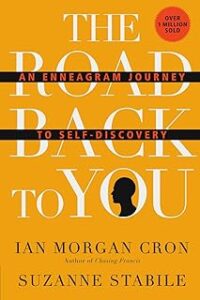
The Road Back to You
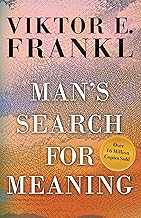
Man’s Search for Meaning
Disclosure: This post may contain affiliate links. We only recommend products we believe in, and we may receive a commission at no cost to you! Thank you for your support!
Acknowledgment: Cover Image by moneycatzzz.com
Disclaimer: The information is provided for general information only – moneycatzzz.com makes no representations or warranties in relation to the information, including but not limited to any representation or warranty as to the fitness for any particular purpose of the information to the fullest extent permitted by law. While every effort has been made to ensure that the information provided in this article is accurate, reliable, and complete as of the time of writing, the information provided in this article should not be relied upon to make any financial, investment, real estate or legal decisions. Additionally, the information should not substitute advice from a trained professional who can take into account your personal facts and circumstances, and we accept no liability if you use the information to form decisions.