 Reading Time: 8 mins #
 This post may contain affiliate links.
Where the Land Runs Out of Words
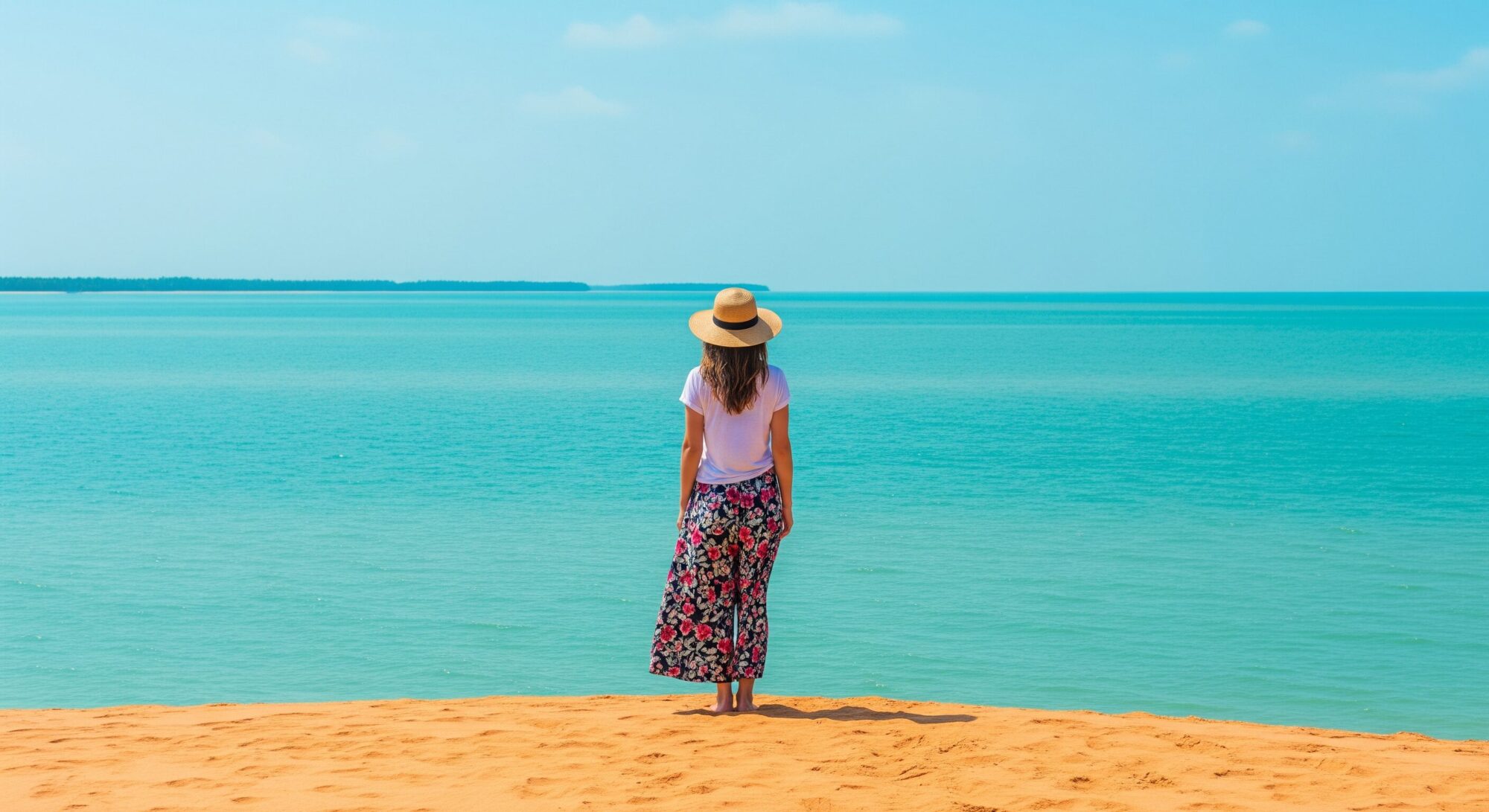
The sand was burning through my sandals when I reached Thalaimannar, that finger-tip of land where Sri Lanka points toward India across thirty miles of shallow, troubled water. I’d come here following a dream about bridges, the kind that had me waking with salt on my lips, though I lived nowhere near the ocean. Standing at the edge where the impossible journey begins, I finally understood why my body had pulled me here.
Beneath the turquoise water, barely visible unless you knew to look, ran a chain of limestone shoals that shouldn’t exist. Adam’s Bridge, locals in Sri Lanka call it, though some whisper its older name, Ram Setu. When the sun sets, faith feels easier than science.
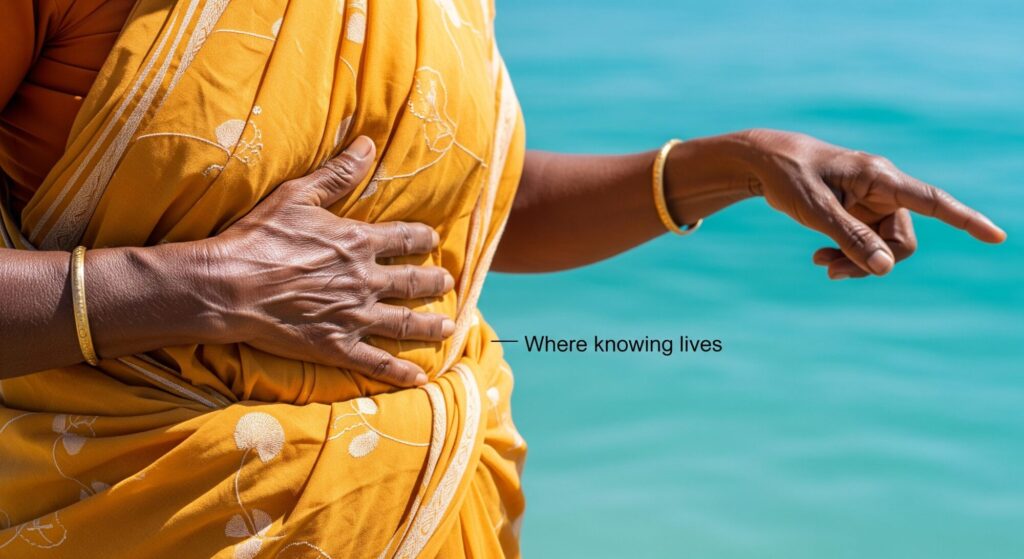
An older woman selling king coconuts near the shore noticed me staring at the water. “You can feel it, no?” she said in accented English, her sari the color of wet sand. “The path. Even when you cannot see, you feel it here.” She pressed her weathered hand to her stomach, that place where knowing lives before it reaches the brain.
The Weight of Water and Stone
Kamala, for that was her name, walked me to where fishermen were mending nets, their boats painted in blues so bright they hurt to look at. She’d lived here all her seventy years, she told me, watching tourists and pilgrims come to stare at what the ocean kept hidden.
“Scientists say natural formation,” she said, spitting betel juice into the sand with perfect aim. “Devotees say monkey army built it for Prince Rama to rescue his Sita. But you know what I think?” She didn’t wait for my answer. “I think the truth doesn’t matter. What matters is that impossible things exist.”
She told me about the legend of the floating stones, explaining that each stone floated because it carried Rama’s name, and how faith made limestone appear light as a symbol of hope. Her hands moved as she talked, weaving invisible patterns in the air, and I found myself thinking about the weights I carried, wondering what name I could carve into them to make them float.
According to Sri Lankan Guide, the bridge is approximately 1.7 million years old, formed by limestone shoals and sandbanks. But standing there with Kamala, feeling the wind that had blown across those shoals for millennia, geological time collapsed into something more immediate: the space between possible and impossible, between drowning and floating.
Learning the Architecture of Faith
Kamala took me to her sister’s house, where the walls were adorned with images of Hanuman, the monkey god who led the construction of the bridge. Her sister, Priya, was grinding spices, the sound rhythmic as prayer. The smell of coriander and cumin filled the small space, making my eyes water in the good way.
“You want to know about Ram Setu’s spiritual meaning?” Priya asked, not looking up from her mortar and pestle. “It’s not about the bridge. It’s about believing you can build one.”
She told me the part of the story most people forget: the squirrel. While mighty monkeys carried boulders, a tiny squirrel rolled in sand and then shook itself over the gaps between stones. “Smallest contribution,” Priya said, finally looking up. “But Ram blessed the squirrel with three stripes for trying. This is the lesson: your impossible journey doesn’t need you to be mighty. Just willing.”
[“Bridging Impossible Gaps Through the Architecture of Faith” – Image by moneycatzzz.com]
The Geography of Stuck
I’d been stuck for two years before coming to Sri Lanka. Stuck between the life I’d built and the life I felt calling from somewhere I couldn’t name. Reading Untamed by Glennon Doyle on the plane, her words about the “Knowing” that comes before the knowing resonated in my bones. I knew I needed to cross something, but I couldn’t see the bridge.
Standing at the Palk Strait, watching waves break over those hidden shoals, I understood that bridging impossible gaps doesn’t require seeing the whole path. The bridge exists even when high tide covers it. The connection remains even when invisible.
The Sri Lanka Tourism Board describes this area as one of the country’s most spiritual sites, where the line between myth and geography blurs. But what they don’t tell you is how the blurring feels in your body, how standing at the edge of one country looking toward another makes you understand that all boundaries are temporary, all gaps potentially bridgeable.
What the Fishermen Know
The next morning, Kamala’s nephew Raj took me out in his boat. The water was so clear I could see the sandy bottom, occasionally interrupted by dark patches of reef. These were the remnants of the bridge, he explained, pointing to shadows beneath the surface.
“During the lowest tides,” he said, pulling in a net full of silver fish that caught the light like scattered coins, “you can walk partway across. Not all the way, but enough to know the rest is there.”
This felt like a metaphor for every impossible journey I’d ever attempted. You can never see the whole path. You walk until the water rises, then you trust that the foundation continues beneath the surface. You become amphibious, part walker, part swimmer, all faith.
Reading The Body Keeps the Score by Bessel van der Kolk that evening, his writing about how the body holds maps of where we’ve been and where we’re going made new sense. My body had mapped this bridge before I knew it existed, had felt the pull of crossing before my mind caught up.
You might also like:

The Day My Heart Jumped Out Under A Bridge
The Lies in the Murals of My Life
The Squirrel’s Secret
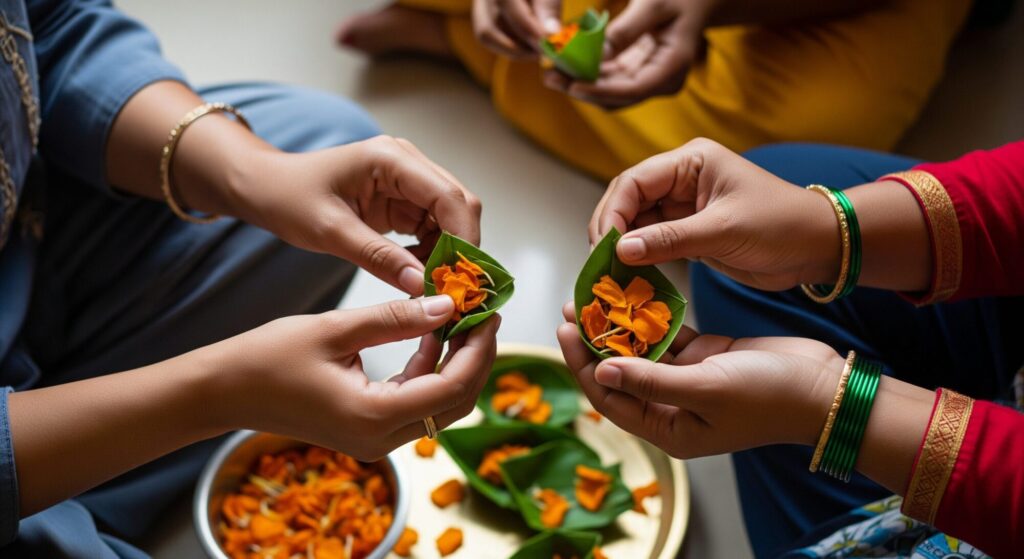
Priya taught me to make offerings from flower petals and rice, as well as tiny boats of folded leaves that we set into the water at sunset. “For safe crossing,” she said, though we both knew she meant more than physical journeys.
“The squirrel in the story,” she said, watching our offerings float away, “she teaches the real secret. You don’t have to carry boulders. You don’t have to be strong. You have to show up with what you have, even if all you have is sand in your fur.”
I thought about my own sand, the tiny contributions I’d been dismissing as insufficient. The poems I wrote but didn’t share. The garden I tended, but thought too small to matter. The conversations where I listened more than I spoke. Maybe these were my grains of sand, filling gaps I couldn’t see.
Building My Own Bridge
Adam’s Bridge, Sri Lanka, stretched before us in the morning light, a ghostly path marked by birds diving for fish where the shallows created an abundance of life. I’d been there three days, and something in me had shifted like tides.
Reading Big Magic by Elizabeth Gilbert on the beach, her ideas about creative living beyond fear suddenly aligned with what Kamala had been teaching me. The impossible journey isn’t about conquering impossibility. It’s about making friends with it, learning to float when you thought you could only sink.
Research from the National Institute of Oceanography indicates that the bridge was likely above sea level until a cyclone in 1480 CE. This fact made me wonder about all the bridges in my own life that storms had submerged but not destroyed. Still there, just requiring different navigation.
[“The Floating Stones Legend and the Power of Small Contributions” – Image by moneycatzzz.com]
What Remains When the Tide Goes Out
On my last morning, Kamala took me to a temple where people leave stones with names written on them. Not their own names, but the names of what they want to release or receive. The courtyard was full of these stones, thousands of individual hopes making a collective path.
“This is how bridges really get built,” Kamala said, touching stones as she walked. “One person’s faith becomes a foundation for another’s step.”
I wrote “fear of not being enough” on my stone in blue chalk that would wash away with the first rain. Placing it among the others, I felt something release in my chest, like I’d been holding my breath underwater and finally surfaced.
The floating stones legend wasn’t about defying physics. It was about understanding that when you name something, when you give it purpose, its weight changes. Not literally, but in the way that matters: how you carry it.
The Path That’s Always Been There
Leaving Thalaimannar, I looked back at the water one last time. The bridge was invisible during the high tide. Still, I could feel it, that limestone spine connecting lands across an impossible distance. The Ram Setu spiritual meaning had settled into my bones: some bridges you build, some you discover, and some you trust are there even when the water rises.
Bridging impossible gaps begins with believing that the gap isn’t space, but rather a hidden structure. The impossible journey begins when you stop waiting to see the whole path and start walking the portion you can see, trusting that the next section will appear when you need it.
Kamala had pressed a small shell into my palm before I left. “For remembering,” she said. “That impossible is just another word for haven’t tried yet.”
The shell sits on my desk now, rough and ordinary, carrying the sound of waves breaking over hidden bridges. When I feel stuck, I hold it and remember: we are all squirrels carrying sand to a bridge we can’t see the end of. But the bridge gets built anyway, one grain at a time, one small faith added to another, until suddenly there’s a path where only water used to be.
The architecture of the impossible, I learned at Adam’s Bridge, isn’t about grand gestures or boulder-strength. It’s about showing up at the edge with whatever you have, even if it’s just sand in your fur, and trusting that your small contribution matters to the whole.
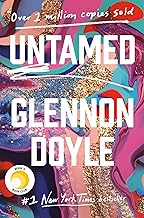
Untamed

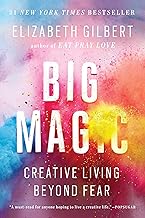
Big Magic
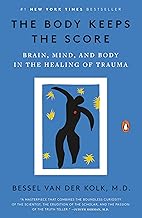
The Body Keeps the Score
Disclosure: This post may contain affiliate links. We only recommend products we believe in, and we may receive a commission at no cost to you! Thank you for your support!
Acknowledgment: Cover Image by moneycatzzz.com
Disclaimer: The information is provided for general information only – moneycatzzz.com makes no representations or warranties in relation to the information, including but not limited to any representation or warranty as to the fitness for any particular purpose of the information to the fullest extent permitted by law. While every effort has been made to ensure that the information provided in this article is accurate, reliable, and complete as of the time of writing, the information provided in this article should not be relied upon to make any financial, investment, real estate or legal decisions. Additionally, the information should not substitute advice from a trained professional who can take into account your personal facts and circumstances, and we accept no liability if you use the information to form decisions.