 Reading Time: 8 mins #
 This post may contain affiliate links.
If you’ve been searching for how to feel at home as a digital nomad, here’s what finally worked for me: small rituals, third places, and the people who remember your face. You’re not alone if you’ve struggled with feeling at home while traveling.
I carry a trail of addresses that no longer claim me.
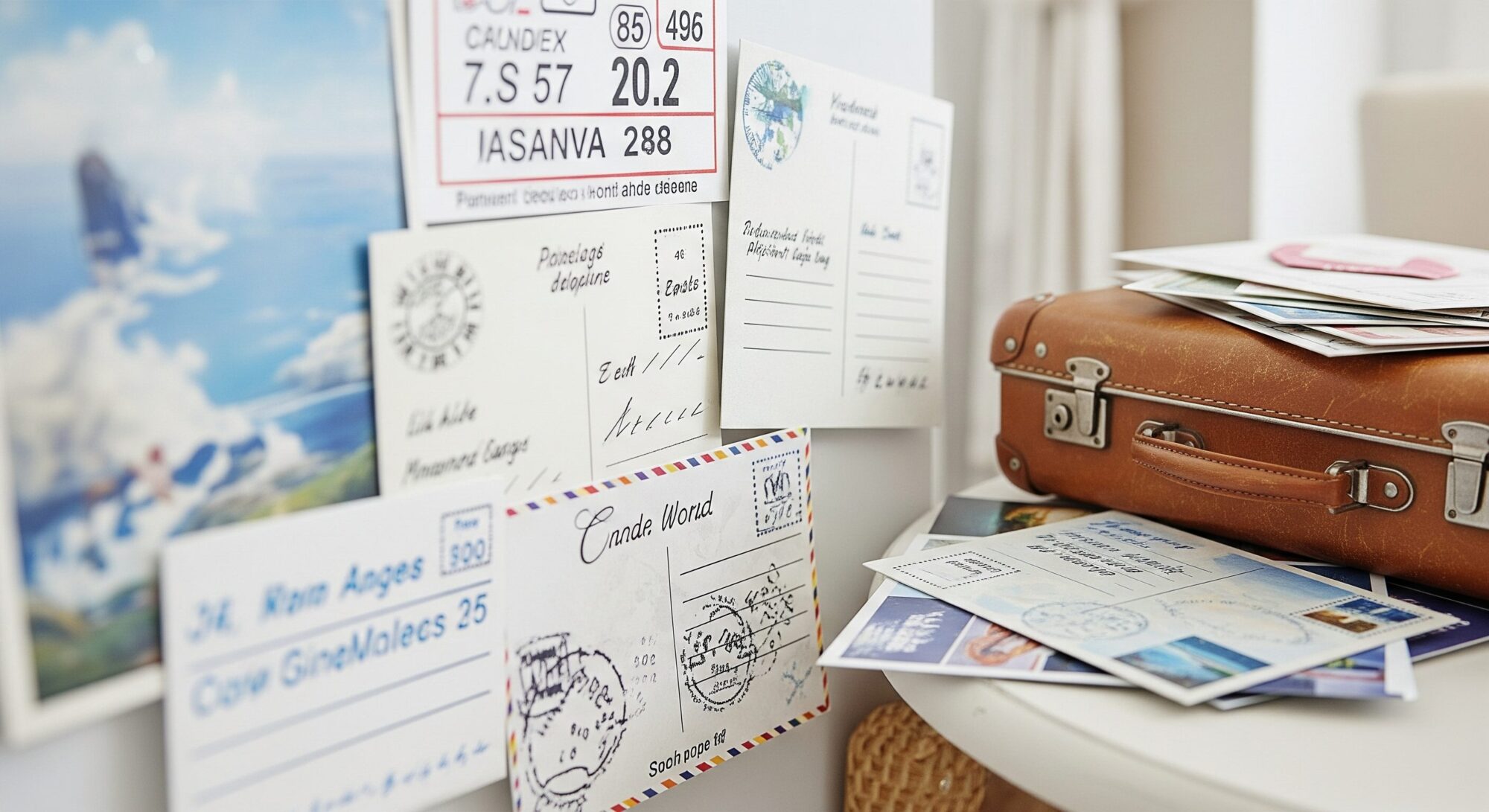
They live in old leases, forwarding forms, and the auto-fill of websites that still believe I sleep under that particular roof. If you laid them end to end, from a walk-up in Chicago to a sunlit room in Chiang Mai, you’d have a map of who I used to be. I think of them as ghost addresses. They don’t hold my body anymore but they keep my echoes.
When you’re a digital nomad, people ask, “Where do you live?” I pause. My passport says citizen, my suitcase says in transit, and my heart says: it depends on what you mean by live.
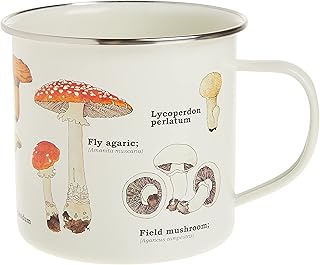
I used to think home was a noun. A front door, a bookshelf, the groove your keys make in the bowl by the sink. Then I moved again, and again, and again. The bowl disappeared. The keys changed shape. My mail found me late or not at all. But a funny thing happened: the room softened if I unpacked the same three things: one small candle, my chipped enamel mug, and a photo of my grandmother at her kitchen table. The walls leaned in. The air remembered me.
I began to suspect that home might be a verb.
What Is a “Ghost Address” for Digital Nomads?
A ghost address is a place that no longer houses you but still holds your imprint: your routines, neighbors’ names, the light at 4 p.m. It’s the odor of oranges in a Lisbon kitchen and how a Medellín balcony taught you the word for mist. For many digital nomads, ghost addresses are a quiet form of place attachment: the way a place becomes part of your inner map even after you move on.
How to Feel at Home Anywhere (Even When You’re Always Moving)
On the road, everything is amplified. Your nervous system learns new alarms (Was that a scooter or a thunderclap?) and the simplest travel routines become survival. Over time, I realized that what steadied me wasn’t more information — it was repetition — the same tea in the same cup, the same five-minute sit facing the same piece of sky — a playlist that smelled like cardamom and rain. If you’re curious about how to feel at home anywhere, start small and repeat.
Rituals That Regulate Your Nervous System
Scent and repetition are tiny geniuses. Smell cuts straight to memory like a secret doorway, pulling whole rooms back into the present. And rituals, however humble, tell the body, “You’ve been here before; you know how to be here.” Even if “here” is new. These portable rituals aren’t decoration; they’re orientation.
Scent and Memory: Why a Candle or Oil Works
- Smell and memory (“the Proust phenomenon“) are tightly linked. See: Frontiers in Psychology
- Simple rituals can reduce anxiety and support grief processing. See: Harvard Business School summary

Belonging Is Relational: Third Places and Micro-Communities
I used to chase cities like accomplishments. Collect the skyline; tag the café. Then I burned out on my mobility and realized I was mistaking visibility for belonging; the way a loud room can trick us into thinking we’ve been heard.
Belonging grew when I started investing in third places: cafés, markets, neighborhood parks, and neutral public spaces where community forms. When a noodle vendor asks, “Same as yesterday?” your nervous system notes, I exist here. Want to know how to build community abroad? Start with a daily hello in a third place, then return. These micro-encounters add up.
- More on “third places“: Project for Public Spaces
- The Surgeon General’s Advisory on the healing effects of social connection (2023)
It’s Okay to Grieve Old Addresses
I used to wave away the lump in my throat when I thought about the brick stoop I loved or the window that framed winter. I thought grief meant I was doing nomad life wrong. It turns out that grieving is how you travel, honestly. If homesickness while traveling hits you in a grocery aisle for no apparent reason, it doesn’t mean you’re failing. It means the body remembers. Make room for the ache; it’s part of building a sense of home on the road.
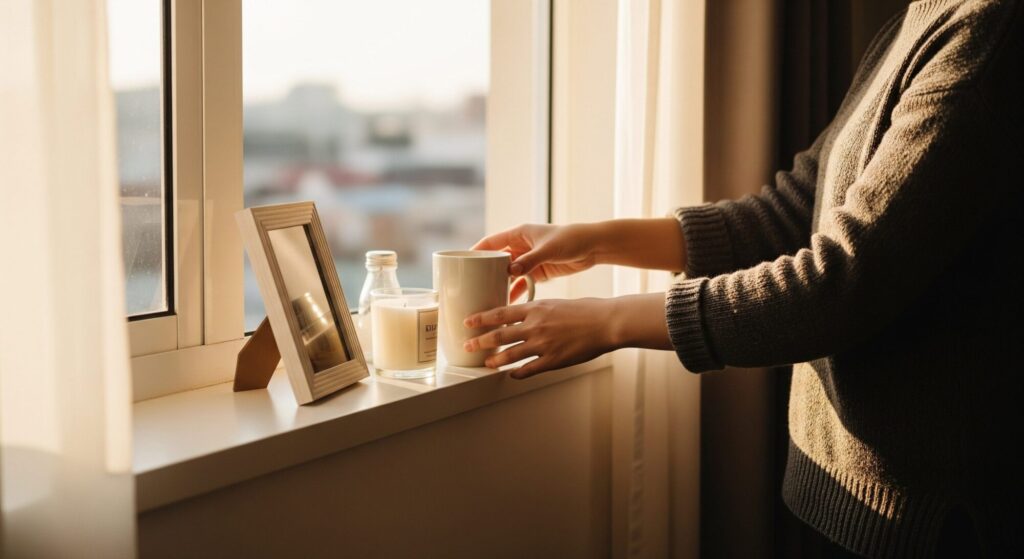
[“The Essential Home Kit” – Image by moneycatzzz.com]
Boundaries Make Room for Belonging
Saying no to performative busyness: skipping the must-see sunrise, closing the laptop at a sane hour, creates space for the encounter that’s yours. Belonging while traveling isn’t earned by how much you do; it grows in the space you guard. This is also where digital nomad loneliness softens: in the margin you protect for repetition, rest, and honest conversation.
Three Tiny Practices for Portable Belonging (How-To)
Materials
- One small candle or essential oil (travel-safe)
- One cup you love (sturdy enamel or collapsible)
- One photo or a cloth that reminds you of home
Time
- 7–10 minutes on day one; 3–5 minutes daily thereafter
Steps
- Build a “home kit” zip-bag (time: 7 minutes)
- Pack your scent, cup, and photo/cloth together. This is your portable home kit.
- Why it works: place attachment grows through consistent cues; you teach your body a stable sequence.
- Claim three daily anchors (time: 2 minutes to choose; then repeat)
- Pick a morning bench, a market vendor, and a patch of sky. Visit them daily for a week.
- Say one small kindness out loud to one human you see twice. That’s your first stitch of community.
- Breathe like you belong (time: 3 minutes)
- Inhale for four, exhale for six — five rounds.
- Ask: “What’s one repeat I can keep today?” Do that, and only that.
Tip: If you need to make an Airbnb feel like home fast, unpack your home kit first, set your cup on the counter, crack a window for new air, and place your photo at eye level.
Why This Works (A Little Science)
- Place attachment: Scannell & Gifford’s tripartite framework (person–process–place) explains why routine and meaning matter
- Third places: they’re proven “social infrastructure” that supports belonging and well-being.
- Rituals: repeating small actions can stabilize attention and mood under uncertainty.
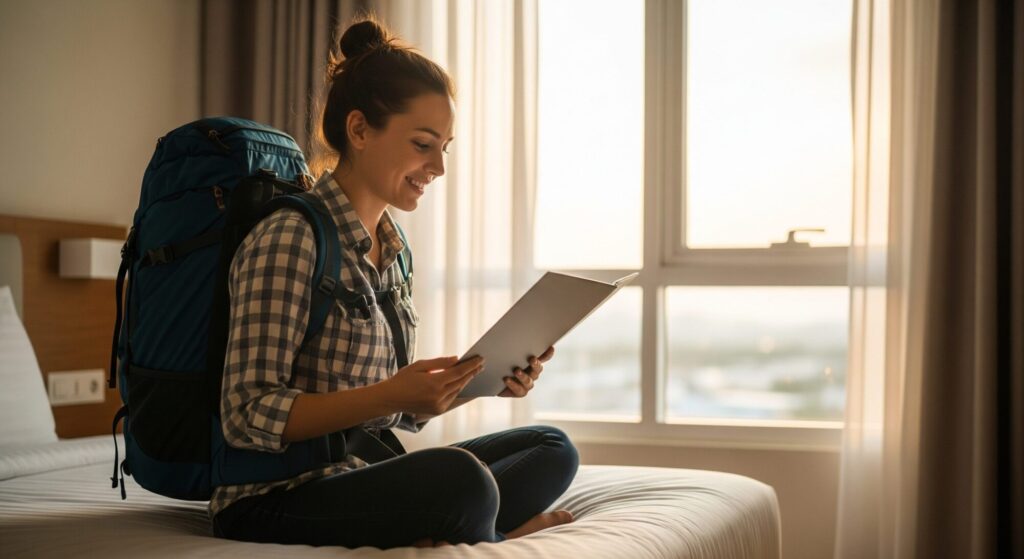
[“Feel at Home” – Image by moneycatzzz.com]
A Gentle Note on Choice and Safety
My movement is chosen, not forced. There are people and whole communities who have been uprooted without consent. If that’s your story, I won’t pretend a travel candle makes it okay. Safety and stability come first. Always.
The Forwarded Package (A Story About Care)
A few years ago, a package I’d given up on found me. I ordered a scarf for an apartment I left in a hurry when plans changed. Weeks passed. Then a message pinged from my old neighbor: “We’ve been watching the mail for you. This came. Where should we send it?“
When the parcel arrived two countries later, it was wrapped again; brown paper, careful tape, my name in someone else’s cursive. Inside: the scarf, soft as promised, and a note: “We thought you’d want this to find you. —Unit 3“
I cried in a room full of people on Zoom. Not because I needed another thing to carry, but because that box traveled on a bridge of strangers’ care. A forwarding form helped. But what really moved the package worldwide was a small network of people who decided I still belonged to them, even after my key didn’t fit. That’s the quiet antidote to digital nomad loneliness.

In Closing
The awakening was stubborn and straightforward: the address I needed wasn’t a dot on a map; it was how I met my mornings. I don’t see emptiness when I picture all my ghost addresses lighting up at once, pinpricks across a dark globe. I see threads. Twisted together, threads can hold a life.
Author’s note
I’ve lived and worked across continents for years, landing in cities long enough to learn a bench, a vendor, and a patch of sky. If this helped, you can subscribe to more essays and practical guides, and borrow the steadiness I’m always practicing.
FAQ: Feeling at Home as a Digital Nomad
What is a ghost address for travelers?
A past address that no longer houses you but still holds your memories; a metaphor for the lives you've lived across places.
How can digital nomads feel at home quickly in a new city?
Unpack a small home kit, choose three daily anchors, and repeat a morning ritual for one week before you optimize anything else.
What are "third places," and why do they matter on the road?
Cafés, markets, and parks—neutral public spaces where community forms. Visit at a similar time daily, and you'll be recognized faster.
How do I make an Airbnb feel like home?
Unpack your cup and photo first, set the lighting to warm, arrange a small tray for keys/wallet, and play a familiar playlist while you tidy.
Is it normal to grieve old homes or feel homesickness while traveling?
Yes. Grief is part of honest movement and doesn't mean you're doing nomad life "wrong." Make space for it and add gentle structure
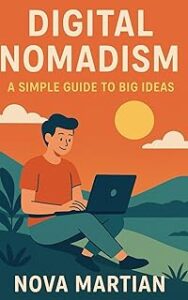
Digital Nomadism


Vagabonding
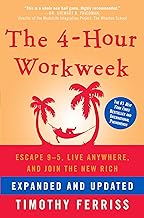
The 4-Hour Workweek
Disclosure: This post may contain affiliate links. We only recommend products we believe in, and We may receive a commission at no cost to you! Thank you for your support!
Acknowledgement: Cover Image by moneycatzzz.com
Disclaimer: The information is provided for general information only – moneycatzzz.com makes no representations or warranties in relation to the information, including but not limited to any representation or warranty as to the fitness for any particular purpose of the information to the fullest extent permitted by law. While every effort has been made to ensure that the information provided in this article is accurate, reliable, and complete as of the time of writing, the information provided in this article should not be relied upon to make any financial, investment, real estate or legal decisions. Additionally, the information should not substitute advice from a trained professional who can take into account your personal facts and circumstances, and we accept no liability if you use the information to form decisions.