
 Reading Time: 8 mins #
 This post may contain affiliate links.
EVs as an Investment: Are They Worth It?
The roar of the engine fades, replaced by a quiet hum. EVs as an investment have become a hot topic, promising a cleaner future on the road. However, for mid-level investors, the question remains: Are electric vehicles a sound investment, or are there challenges to consider? This guide dives into EV ownership’s financial and environmental considerations, explores alternative clean energy solutions, and equips you with a framework for making informed investment decisions.
“Electric cars are not just about saving the planet; they’re about making driving fun again. It’s about taking back control of your commute. It’s about freedom from the gas station. It’s about a future where transportation is cleaner, quieter, and more exhilarating.” – Elon Musk (Entrepreneur and CEO of Tesla)
The Green Appeal of EVs as an Investment
The environmental benefits of EVs as an investment are undeniable. Unlike gasoline-powered vehicles, EVs produce zero tailpipe emissions, significantly reducing air pollution in urban centers. As Paul Hawken argues in his groundbreaking book Drawdown, transportation is a major contributor to greenhouse gases. Investing in EVs offers a significant step towards a more sustainable future, aligning perfectly with the growing movement towards clean energy.
Powering Your Investment: Renewable Energy Integration
The green story doesn’t end there. Imagine powering your EV investment with electricity generated by solar panels or wind turbines. This creates a closed-loop system, further minimizing your environmental footprint. However, the current state of the energy grid plays a crucial role. The environmental benefit is diminished if a significant portion of the electricity powering EVs as an investment comes from fossil fuels.
Beyond the Green Glow: Unveiling Challenges of EVs as an Investment
While the environmental case for EVs as an investment is compelling, financial considerations must be factored in. The upfront cost of EVs is typically higher than their gasoline counterparts. Significant players like Tesla, Nissan (Leaf), and Volkswagen (e-Golf) are leading the charge, but their price tags can still be a hurdle for mid-level investors looking to enter the EV investment market.
Charging Infrastructure: A Key Investment Hurdle
Another hurdle in EVs as an investment is charging infrastructure. Long-distance travel with an EV requires meticulous planning due to charging station limitations. While companies like Tesla are building robust supercharger networks, “range anxiety” remains a concern for many potential EV investors.
Reliability and Maintenance Costs
Reliability is another factor to consider. Battery degradation is a reality, and while technology is constantly improving (as Eric Ries emphasizes in The Lean Startup), potential maintenance costs for EVs as an investment remain uncertain for some investors.
The Environmental Trade-Offs of EV Investments
Finally, the true environmental impact of EVs as an investment goes beyond tailpipe emissions. Battery production and disposal raise concerns about potential environmental hazards. A holistic life-cycle assessment is crucial to determine the proper “cleanliness” of EVs. Efforts are underway to make battery production and disposal more sustainable, but this remains an area for ongoing development.
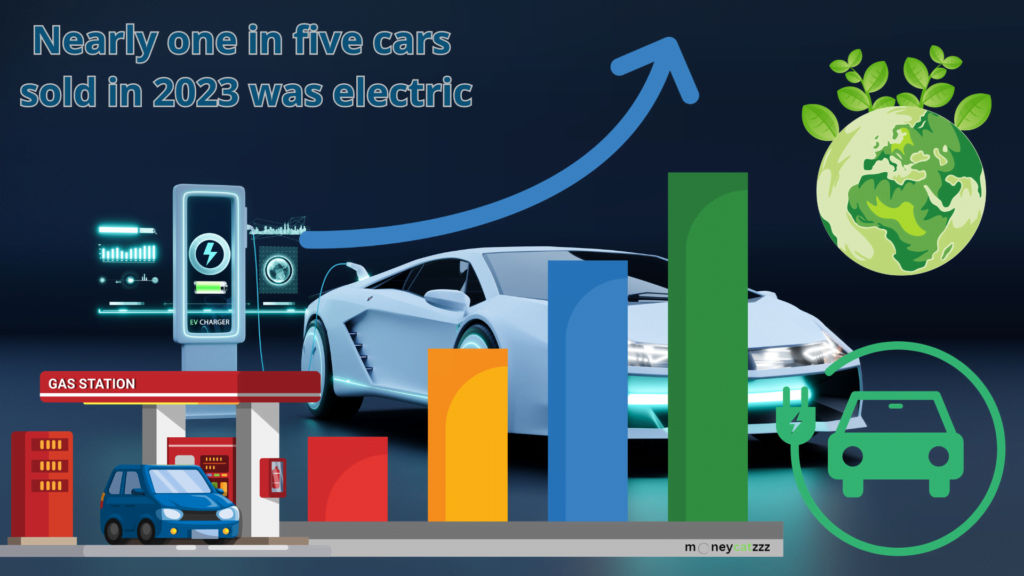
[“The Rise and Rise of EVs” – moneycatzzz.com]
Is Hydrogen the Next Big Thing? Exploring Alternative Clean Transportation
While EVs as an investment continue to gain traction, hydrogen fuel cell vehicles (HFCVs) are emerging as potential contenders in the clean transportation space. HFCVs produce only water vapor as a byproduct, offering a zero-emission solution. However, the technology is still in its early stages, and the infrastructure for hydrogen refueling stations is even more limited than for EV charging. Compared to EVs, HFCVs face significant hurdles in range, refueling times, and overall infrastructure development, making them a less viable investment option—at least for now.
Leading the Way vs. Playing Catch-Up: The Role of Innovation
The auto industry is undergoing a seismic shift, making EVs an increasingly compelling investment opportunity. Established car companies like General Motors (Chevrolet Bolt) and Ford (Mustang Mach-E) are investing heavily in EVs but face stiff competition from innovative startups like Tesla. This race for dominance is good news for investors, as it fuels rapid advancements in EV technology and potentially reduces costs in the long run, creating lucrative opportunities for those looking to invest in the future of sustainable transportation.

Making the Sustainable Switch: A Mid-Level Investor’s Checklist
Before taking the plunge into EVs as an Investment, consider these key factors:
- Environmental Impact: Align your investment with your values. Research the EV’s battery composition and potential for recycling.
- Financial Considerations: Factor in the upfront cost, potential government incentives (tax credits, rebates) in your region (provide specific examples if available), charging fees, and long-term maintenance estimates. Utilize resources like I Will Teach You To Be Rich by Ramit Sethi to create a sound financial plan for your EV investment.
- Driving Habits: If you frequently take long road trips, the limitations of the current charging infrastructure might make an EV impractical.
- Future Trends: Stay informed about advancements in battery technology, charging infrastructure, and the development of alternative clean transportation solutions like HFCVs. Books like Exponential Organizations by Salim Ismail can help you understand the potential for rapid disruption in the automotive industry.
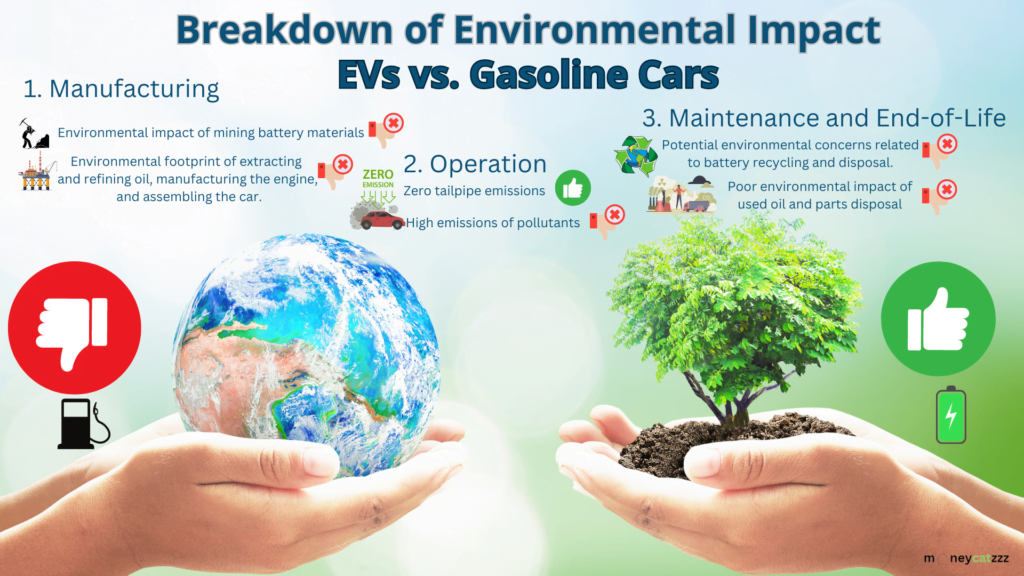
[“Environmental Impact: EVs vs. Gasoline Cars” – moneycatzzz.com]
Charting Your Course Towards Sustainability: EVs as an Investment
The decision to go electric is a personal one. By carefully considering the environmental and financial factors outlined in the Making the Sustainable Switch checklist, you can make an informed decision about EVs as an investment that aligns with your values and financial goals. With the growing emphasis on sustainability, electric vehicles (EVs) offer a promising opportunity to combine ethical choices with long-term financial benefits.
However, EVs are just one piece of the sustainable transportation puzzle. Exploring alternative modes of transportation like cycling or public transport can further reduce your carbon footprint and complement your investment in clean mobility.
As Michael Mauboussin emphasizes in Expectations Investing, a long-term perspective is crucial. Investing in clean transportation solutions, including EVs, is a strategic move towards a more sustainable future. So, research, evaluate the pros and cons, and join the ride towards a cleaner, more eco-conscious tomorrow.
The Road Ahead: Navigating Challenges and Seizing Opportunities in the EV Market
The global EV market holds immense potential, but the future presents challenges and opportunities. Understanding these factors is crucial for anyone considering EVs as an Investment.
Challenges:
- Battery Technology: While advancements are happening rapidly, increasing the range and reducing charging times for EVs remain priorities. Ensuring sustainable and ethical battery production practices, including responsible sourcing of materials and minimizing environmental impact, is crucial for the future of clean transportation.
- Charging Infrastructure: Expanding the charging station network, particularly fast-charging options, is essential. This will alleviate “range anxiety” and make EVs more viable for long-distance travel.
- Cost Parity: Bringing down the upfront cost of EVs to match gasoline-powered vehicles is critical for mass adoption. This will likely involve advancements in battery technology, economies of scale achieved by increased production, and continued government incentives.
- Consumer Education: Dispelling myths and educating consumers about the benefits and limitations of EVs is vital. This will drive market growth by empowering consumers to make informed decisions.
Seizing Opportunities:
Despite these challenges, EVs as an Investment present exciting opportunities:
- Government Support: Many governments worldwide offer tax credits, rebates, and other incentives to promote EV adoption. Investors can capitalize on these policies to maximize returns.
- Technological Breakthroughs: Continuous innovations in battery technology, autonomous driving, and charging solutions make EVs more efficient and cost-effective.
- Sustainable Growth: As more consumers prioritize sustainability, companies investing in EV technology and infrastructure are well-positioned for long-term success.
- Diversified Investment Options: Beyond purchasing an EV, investors can explore opportunities in EV-related stocks, battery technology companies, and charging infrastructure businesses.
Driving Toward a Sustainable Future
The EV revolution is well underway, presenting challenges and rewards for investors. EVs as an Investment require careful consideration of market trends, technological advancements, and infrastructure development. However, those strategically positioned in this evolving sector can benefit from the transition to clean transportation.
As the world moves toward a more sustainable future, staying informed and adaptable will be key to success. Whether purchasing an EV, investing in related industries, or supporting clean energy initiatives, each step contributes to a greener tomorrow. Now is the time to embrace the shift, explore opportunities, and participate in the future of transportation.
Opportunities in EVs as an Investment:
Government Incentives: Many governments offer tax credits, rebates, and other incentives to encourage EV adoption. These financial perks can significantly reduce the cost of ownership, making EVs more attractive to mid-level investors. Staying informed about the latest policies in your region can help you maximize these benefits and enhance your financial returns.
Innovation in Charging Solutions: Wireless charging, battery swapping stations, and advancements in fast-charging technology are transforming the EV landscape. These innovations make EV ownership more convenient and user-friendly, addressing a critical concern for investors evaluating the long-term viability of EVs as an investment. Companies leading the charge in this space present exciting investment opportunities.
Integration with Renewable Energy: The synergy between EVs and renewable energy sources like solar and wind power is a game-changer for sustainability. Investing in companies that develop clean energy solutions alongside EVs promotes a holistic approach to a cleaner future. As more consumers adopt EVs as an investment, the demand for sustainable charging solutions will continue to rise, driving market growth.
Understanding these challenges and opportunities enables you to make informed investment decisions within the EV market. The future of transportation is electric, and with careful consideration, you can be part of this exciting and sustainable revolution. Whether investing in an EV for personal use or looking at EV stocks and infrastructure, the potential for long-term growth is undeniable.
The Rise of the Sharing Economy: EVs as an Investment
Car-sharing services with fleets of EVs are gaining traction, offering a convenient and potentially cost-effective way for people to access clean transportation without the burden of ownership. This growing trend presents unique opportunities for those considering EVs as an investment. Companies embracing electric vehicle fleets benefit from lower operational costs due to reduced fuel and maintenance expenses. Additionally, this model appeals to urban dwellers or those with infrequent driving needs, making EV-sharing services an innovative and sustainable solution in the evolving transportation landscape.
China’s EV Revolution: A Charging Dragon in the Global Market
When considering EVs as an investment, ignoring China’s dominant role in the industry is impossible. China’s EV revolution is rewriting the motoring rules and electrifying the global market. Here’s why it stands out:
Production Powerhouse
China is no longer just an assembly line for established brands; it’s churning out innovative electric vehicles under domestic labels like BYD, NIO, and XPeng. These homegrown players are pushing design, technology, and affordability boundaries, making them attractive for investors seeking high-growth opportunities in the EV sector.
Electrifying Demand
China’s domestic EV market is colossal. In 2023, over 60% of new car sales in China were electric or plug-in hybrids! This insatiable demand fuels rapid innovation and keeps prices competitive, reinforcing China’s position as a leader in the EV industry.
Charging Up Incentives
The Chinese government is a major cheerleader for EV adoption, offering generous subsidies, tax breaks, and preferential license plates for EV purchases. These incentives significantly reduce the upfront cost of EVs, making them a more attractive option for consumers and solidifying EVs as an investment with substantial government backing.
Market Mammoth
China boasts the world’s largest EV market by a significant margin. This massive market size allows manufacturers to achieve economies of scale, further driving down production costs and making electric vehicles more accessible to a broader range of consumers. This scale presents investors with unique opportunities for long-term growth in the sector.
As China continues to lead the charge in electric mobility, its advancements create ripple effects throughout the global EV market. Whether you’re an investor or a potential EV owner, understanding China’s role in the industry is crucial when evaluating EVs as an investment.

Picture Courtesy of “plugndrive.ca”↓↓↓
Read their Article on “China’s EV market is going global. Can US/Canada balance protectionism with reducing emissions?” here.
Is it the Next Big Thing Since the Wheel?
While the wheel revolutionized transportation, China’s EV revolution has the potential to be just as transformative. Here’s why it’s a game-changer for those considering EVs as an Investment:
Environmental Impact
The mass adoption of EVs in China significantly reduces greenhouse gas emissions, a critical step in combating climate change. As the world’s largest EV market, China is setting a precedent for sustainable mobility, influencing global trends in clean transportation.
Energy Security
China’s reliance on imported oil decreases as EVs become mainstream, strengthening the nation’s energy security and reducing dependence on volatile global oil markets. This shift makes EVs an investment even more attractive as governments worldwide seek ways to encourage energy independence.
Technological Innovation
The intense competition within China’s EV market fuels rapid advancements in battery technology, charging infrastructure, and vehicle design. These innovations benefit the entire EV industry, accelerating the global transition to clean transportation and making EVs a compelling investment opportunity for forward-thinking investors.
China’s EV Revolution: A Global Powerhouse Driving a Sustainable Future
EVs as an Investment are transforming global markets, with China leading the charge. China’s EV revolution is not just about selling cars; it’s about reshaping the global transportation landscape. This electrifying movement is a force to be reckoned with, paving the way for a cleaner and more sustainable future.
As China becomes a production powerhouse for innovative EVs, boasting a massive domestic market fueled by government incentives, the ripple effects are being felt worldwide. The result? Lower prices and shifting consumer preferences towards electric vehicles create a booming market with EV investment opportunities. Investors looking to capitalize on this transformation should closely monitor advancements in battery technology, infrastructure development, and policy shifts driving the industry forward.
Investing in the EV Boom
The EV market is poised for significant growth in the coming years, presenting investors with exciting opportunities. EVs as an investment can take various forms, from backing well-established automakers to betting on disruptive startups reshaping the industry.
Established Car Companies
Traditional automakers like Nissan and Volkswagen face intense competition but leverage their experience and global reach. These industry giants continue to pour resources into EV development, offering investors a familiar and potentially stable entry into the market.
Chinese EV Leaders
China’s EV sector is thriving, with companies like BYD, NIO, and XPeng emerging as dominant forces. These Chinese EV leaders focus on affordability, technological innovation, and expansion into international markets, making them attractive investment options for those looking to tap into global EV market growth.
Disruptive Startups
The rise of EV startups has added a new dimension to the market. Companies like Rivian and Lucid Motors are shaking up the industry with bold designs, cutting-edge technology, and a focus on luxury electric vehicles. These disruptors offer high-risk, high-reward investment potential, especially for those keen on the premium EV segment.
Understanding the investment landscape in EVs allows investors to position themselves strategically, whether through legacy brands, emerging market leaders, or game-changing startups. The road to an electric future is accelerating, and making informed investment choices can yield significant returns as the EV revolution continues gaining momentum.
[“Evs: The Futue is Here”- moneycatzzz.com]
Investing in the EV Boom: Making Smart Investment Choices
The EV market is poised for significant growth in the coming years, presenting many opportunities for investors. To make informed decisions when considering EVs as an investment, it’s crucial to evaluate different companies based on key factors:
Key Factors to Consider Before Investing in EV Companies
1. Technology Advancements: Analyze a company’s battery technology, vehicle range, charging speed, and commitment to sustainable innovation. Cutting-edge battery developments and fast-charging solutions can significantly impact long-term success.
2. Production Capacity & Scalability: Assess a company’s manufacturing capabilities and ability to scale production to meet the surging demand for electric vehicles. Companies with robust production infrastructure are better positioned for sustained growth.
3. Commitment to Sustainability: Look for brands that prioritize ethical sourcing of materials, responsible battery production, and end-of-life recycling initiatives. A company’s sustainability efforts can influence its reputation and long-term viability in the clean energy sector.
4. Market Positioning & Global Expansion: Consider a company’s target market segment—whether mass-market consumers, luxury vehicles, or commercial EVs. Companies with solid global expansion plans and strategic positioning in emerging EV markets may offer greater investment potential.
By carefully analyzing these factors, investors can navigate the evolving EV landscape and seize opportunities that align with their financial goals and sustainability values. As EVs continue to disrupt the auto industry, making well-researched investment decisions can help you stay ahead in this electrifying market.
Risks and Considerations in EVs as an Investment
The EV market is exciting, but it’s also rapidly evolving. Here are some potential risks to consider before investing:
Rapid Technological Change
Battery technology and charging infrastructure are continuously advancing. Early adopters may find their vehicles outdated faster than traditional gasoline cars. Keeping up with innovations is crucial when considering EVs as an investment.
Government Policy Shifts
Many governments offer tax incentives and rebates to encourage EV adoption, but these policies can change or expire, affecting the overall cost of ownership. Staying informed about local and global regulatory shifts is essential for investors.
Competition and Market Saturation
The EV industry is becoming increasingly crowded, with established automakers and emerging startups competing for market share. This could lead to price wars, company consolidations, or even failures, making it vital to research and choose investments wisely.

A Balanced Approach
Investing in the EV market offers the potential for solid returns alongside the satisfaction of contributing to a sustainable future. By carefully considering the opportunities, challenges, and risks, you can make informed investment decisions that align with your financial goals and values.
The transition to a more sustainable transportation system is inevitable, and EVs as an investment play a crucial role in this shift. While EVs are leading the charge, the journey will not be without bumps. Mid-level investors can confidently navigate the EV market by understanding environmental and financial considerations and exciting developments in battery technology, charging infrastructure, and government incentives.
Remember, innovation, education, and a long-term commitment to sustainability pave the road to a cleaner future. So, buckle up, research, and join the electric revolution!
Signup to our Newsletter for regular updates:
Disclaimer: The information is provided for general information only – moneycatzzz.com makes no representations or warranties in relation to the information, including but not limited to any representation or warranty as to the fitness for any particular purpose of the information to the fullest extent permitted by law. While every effort has been made to ensure that the information provided in this article is accurate, reliable, and complete as of the time of writing, the information provided in this article should not be relied upon to make any financial, investment, real estate or legal decisions. Additionally, the information should not substitute advice from a trained professional who can take into account your personal facts and circumstances, and we accept no liability if you use the information to form decisions.