
 Reading Time: 8 mins #
 This post may contain affiliate links.
In our ever-changing world, the ancient Greek philosopher Heraclitus famously declared, “Change is the only constant.” This constant state of flux can be overwhelming, as a recent study found that a significant portion of the population experiences moderate to high stress levels, often stemming from uncertainty and a lack of control. However, as Helen Keller reminds us, “The best and most beautiful things in the world cannot be seen or even touched – they must be felt with the heart.” In the grand scheme of things, you cannot prevent dust from swirling when sweeping the floor. It is out of this disorder that the floor is kept clean. Perhaps the key to thriving in this dynamic environment lies in resisting change and cultivating an antifragile mindset that embraces challenges and grows from disorder.
“The fragile wants tranquility; the antifragile grows from disorder.” – Nassim Nicholas Taleb.
Beyond Resilience: The Power of Antifragility
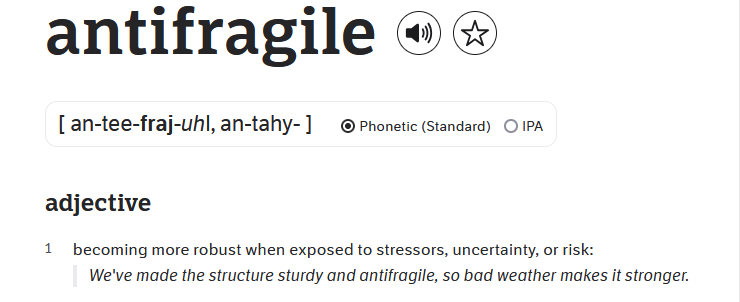
Coined by financial thinker Nassim Nicholas Taleb in his book “Antifragile: Things That Gain From Disorder,” antifragility goes beyond the familiar concept of resilience. Resilient systems bounce back from setbacks. Antifragile systems benefit from challenges and stressors. Imagine a flower not just surviving a harsh winter but blooming even more vibrantly in the spring – that’s the essence of antifragility.
In a world characterized by uncertainty and disruption, cultivating antifragility is no longer a luxury; it’s a necessity. Antifragility empowers you to navigate the inevitable storms of life with greater ease, fostering personal growth and continuous improvement.
Ancient Wisdom for Modern Challenges: Exploring Antifragility through Philosophy
The principles of antifragility resonate throughout history’s most profound philosophical and spiritual traditions:
- The I Ching: The ancient Chinese text emphasizes the cyclical nature of change. Just as day follows night and winter gives way to spring, change is an inherent part of life. The I Ching encourages us to embrace this change, viewing it as an opportunity for growth and adaptation – a core principle of antifragility.
- Buddhism: The concept of impermanence (anicca) reminds us that nothing in life is static. Everything is constantly changing and evolving. By accepting this impermanence, we cultivate a sense of detachment from rigid expectations and open ourselves to the possibilities that change presents. This acceptance is a key component of developing an antifragile mindset.
- Stoicism: The Stoic philosophy emphasizes the importance of focusing on what we can control and accepting what we can’t. Amor Fati, the love of fate, is a central Stoic concept that encourages us to embrace the challenges life throws our way, recognizing them as opportunities for growth and resilience. This aligns perfectly with the antifragile principle of extracting benefits from stressors.

[“Power of Learning To Love Your Fate” – moneycatzzz.com]
Expanding the Circle: Additional Philosophical Allies
The tapestry of antifragility is woven with threads from various philosophical and spiritual schools of thought. Here are some additional teachings that further enrich your understanding:
- Taoism: The Taoist principle of Wu Wei (effortless action) aligns with antifragility’s emphasis on adapting and flowing with change. It encourages us to act in harmony with the natural flow of life, which can lead to unexpected growth and opportunities. Imagine a skilled surfer riding a wave, not resisting its force but using it to propel forward. This embodies the essence of Wu Wei and its connection to antifragility..
- Nietzsche: Friedrich Nietzsche’s concept of “amor fati” (love of fate) resonates with the Stoic concept discussed earlier. Both encourage accepting what is beyond our control and focusing our energy on what we can influence – a characteristic of an antifragile mindset. When faced with challenges, the antifragile spirit embraces amor fati, transforming them into opportunities for learning and growth.
- Existentialism: The core principle of existentialism is that we create meaning through our choices and actions. This aligns with antifragility’s emphasis on taking calculated risks and embracing challenges to shape our destinies. In a world of constant change, the antifragile individual embraces challenges as opportunities for self-discovery and forging meaning in an ever-evolving landscape.
- Abrahamic Religions: Many Abrahamic religions emphasize faith and perseverance in adversity. This aligns with the antifragile principle of not being defeated by setbacks and using them as opportunities for growth. Our faith can be strengthened through trials and tribulations, and our resilience is bolstered. This perseverance in the face of challenges echoes the antifragile spirit, allowing us to emerge more robust and persistent from adversity.

Addressing Potential Concerns: Is Antifragility Reckless?
While antifragility encourages embracing challenges, it doesn’t advocate for recklessness. Here’s how to cultivate an antifragile mindset that avoids recklessness:
- Calculated Risks, Not Blind Leaps: Antifragility is about taking calculated risks carefully evaluating the potential benefits and drawbacks before embarking on a new challenge. Research the situation, gather information, and weigh the possible consequences before diving in.
- Responsible Experimentation: Embrace experimentation, but do so responsibly. Don’t put yourself or others at unnecessary risk. Start small and gradually increase the complexity of your challenges as you gain experience. Think of it like training for a marathon; you wouldn’t start by running the full distance on the first day. Build your endurance and skills progressively.
- Self-Preservation Matters: Growth is essential, but so is self-preservation. Know when to walk away from a genuinely harmful or unsustainable situation. Feel free to cut your losses and redirect your energy towards more promising challenges. Prioritizing your well-being allows you to engage in future challenges with greater physical and mental strength.

[“Antifragile” – Image from Freepiks.com]
The Nuance of Antifragile Fragility
The “antifragile fragility” concept acknowledges that not everything benefits from constant disruption. Certain things, like rare ecosystems or historical artifacts, require a delicate balance and might not be well-suited for an overly antifragile approach. For example, you wouldn’t want to take a priceless antique vase and throw it against the wall in the name of “experimentation.” The key is to tailor your approach to the specific context. Recognize what thrives on change and what requires a more protective approach.
Developing Your Antifragile Mindset: Practical Steps for Growth
So, how can you cultivate an antifragile mindset and harness the power of chaos in your own life? Here are some practical steps:
- Embrace Experimentation: Step outside your comfort zone and embrace calculated risks. Don’t shy away from new experiences or challenges. View them as opportunities to learn and grow, not roadblocks to success. Imagine a scientist conducting experiments – some may not yield the desired results, but each one provides valuable insights. Embrace this spirit of experimentation in your life, using challenges as stepping stones on your path to growth.
- Develop a Growth Mindset: Carol Dweck’s concept of a growth mindset aligns beautifully with antifragility. Instead of viewing your abilities as fixed, cultivate a growth mindset that believes you can learn and improve through effort and perseverance. This means embracing challenges and setbacks as opportunities to develop new skills and knowledge.
The “antifragile fragility” concept acknowledges that not everything benefits from constant disruption. Certain things, like rare ecosystems or historical artifacts, require a delicate balance and might not be well-suited for an overly antifragile approach. Imagine a priceless antique vase – its value lies in its fragile beauty, not its ability to withstand being thrown against a wall. The key is to tailor your approach to the specific context. Recognize what thrives on change and what requires a more protective approach. Antifragility is about fostering growth and resilience, not reckless destruction.
Seeking Out Feedback
Don’t shy away from constructive criticism. Feedback is a powerful tool for growth, even if it’s sometimes uncomfortable. Embrace it as an opportunity to identify your weaknesses and work towards improvement. Imagine a sculptor refining a piece of art – each chip and scrape brings them closer to their vision. See feedback as the chisel that helps you refine your skills and become the best version of yourself.
Building Antifragile Systems: From Individuals to Organizations
Antifragility isn’t just a personal concept; it can also be applied to organizations. Here’s how organizations can cultivate antifragility:
- Prioritize Self-Care: You are the foundation of your antifragile system, both as an individual and within an organization. Prioritize self-care practices like healthy eating, regular exercise, and adequate sleep. A well-rested and healthy workforce is better equipped to handle challenges and thrive in a changing environment. Imagine a building with a strong foundation – it can weather storms and adapt to changing circumstances. Prioritize self-care to build your strong foundation for antifragility, personally and within your organization.
- Embrace a Culture of Experimentation: Organizations that foster innovation and encourage calculated risks are more likely to thrive in the face of disruption. Create an environment where failure is seen as a learning experience, not a punishment. Imagine a scientific research lab – experiments are conducted, analyzed, and used to refine future endeavors. Encourage a similar culture of experimentation within your organization to foster antifragility.
- Learn from Setbacks: Every setback holds a valuable lesson. Encourage open communication and reflection after challenges within your organization. Identify what went wrong and use that knowledge to improve for the future. Imagine a team debriefing after a sporting event – they analyze their mistakes and strategize for future victories. Implement a similar approach within your organization to learn from setbacks and build antifragility.
Real-Life Antifragility: Inspiring Stories of Growth
Case Study 1: From Rejection to Success
Take the story of Sarah, an aspiring entrepreneur with a revolutionary fitness app concept. Initially, Sarah faced a string of rejections from potential investors. Discouraged but not defeated, Sarah embraced the antifragile spirit. She used the feedback from investors to refine her app, addressing usability concerns and incorporating features suggested by potential users. This challenging period became an opportunity for growth—Sarah’s persistence and willingness to learn from setbacks paid off. After several months of refinement, her improved app attracted the attention of a prominent investment firm, allowing her to launch her business and achieve remarkable success.
Case Study 2: Pivoting for Growth
Look no further than Netflix’s journey for another inspiring example of antifragility. Initially a DVD rental service by mail, Netflix faced a potential extinction event with the rise of streaming services. Instead of clinging to a failing model, Netflix embraced antifragile principles. They pivoted their business model, transitioning to online streaming and becoming a pioneer in the industry. This bold move, while risky, allowed Netflix to capitalize on a new market opportunity and solidify its position as a leader in entertainment.
These stories illustrate the power of antifragility in real-world scenarios. Individuals and organizations can achieve remarkable success by embracing challenges and using them as springboards for growth.
The Antifragile Life: Embracing Chaos for Continuous Improvement
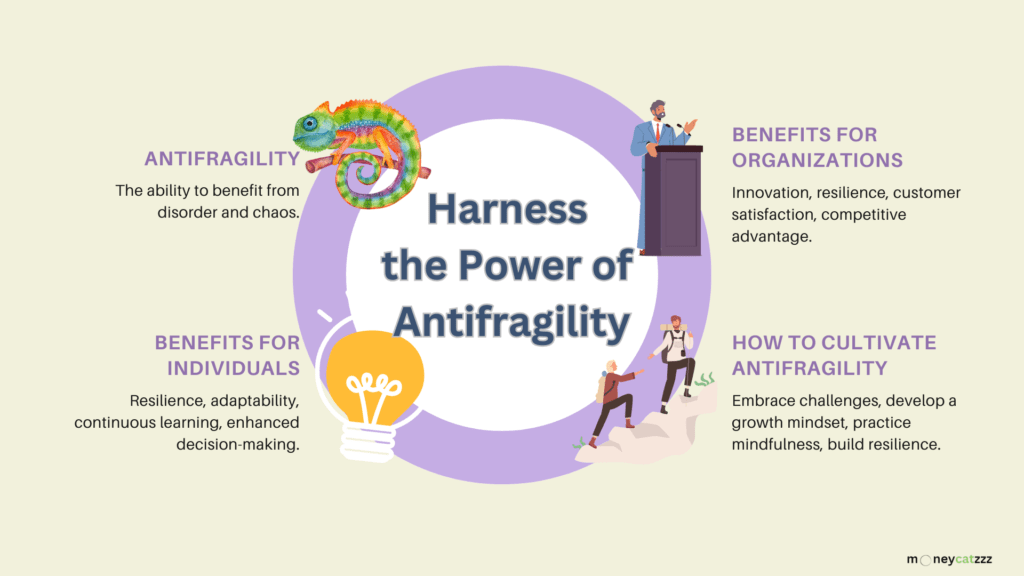
Cultivating antifragility empowers you to:
- Become More Resilient: You’ll be better equipped to handle life’s inevitable setbacks and bounce back stronger.
- Adapt More Easily: You’ll develop the flexibility and adaptability needed to navigate a world of constant change.
- Seize New Opportunities: Embracing challenges opens doors to new possibilities and unexpected growth opportunities.
- Continuously Learn and Grow: Every challenge is a learning experience, fostering intellectual and personal development.
[Harness the Power of Antifragility” – moneycatzzz.com]
Embrace the Challenge: Your Antifragile Journey Starts Now
The world is dynamic, and change is inevitable. By embracing antifragility, you can transform yourself from a passive observer to an active participant in the unfolding story of your life. Here’s your call to action:
- Identify an Area to Embrace a Challenge: Look at your life and identify an area where you can use the principles of antifragility. It could be starting a new exercise routine, learning a new skill, or venturing outside your comfort zone in your social life.
- Develop a Plan to Experiment and Step Outside Your Comfort Zone: Craft a plan for approaching this challenge. Set realistic goals, break down the process into manageable steps, and commit to taking action.
- View Setbacks as Learning Opportunities: Challenges are inevitable. When you encounter setbacks, view them as learning experiences instead of failures. Analyze what went wrong and use that knowledge to refine your approach.
- Celebrate Your Progress, No Matter How Small: Acknowledge and celebrate your progress, no matter how small. Recognizing your achievements will help you stay motivated and committed to your antifragile journey.

Further Exploration: Resources for the Antifragile Mindset
Here are some resources to help you continue exploring the concept of antifragility and develop your antifragile mindset:
Books:
“Antifragile: Things That Gain From Disorder” by Nassim Nicholas Taleb (the foundational text on antifragility)
“Mindset: The New Psychology of Success” by Carol Dweck (explores the concept of a growth mindset, which aligns with antifragility)
“The Obstacle Is the Way” by Ryan Holiday (provides strategies for turning setbacks into opportunities)
Websites:
Farnam Street blog: (articles and essays on a variety of topics, including antifragility)
The Resilience Project: (promotes mental health and well-being, which is a key foundation for antifragility)
Podcasts:
“The Tim Ferriss Show” (episodes featuring interviews with successful individuals who have embraced challenges)
“The Knowledge Project” (explores deep conversations on various topics, including resilience and growth)
By consistently applying the principles outlined above and utilizing these resources, you can become an antifragile individual or organization capable of thriving in a world of constant change. Remember, challenges are not roadblocks; they are stepping stones on your path to growth. Embrace the chaos, cultivate your antifragility, and watch yourself flourish.
Disclosure: This post may contain affiliate links. We only recommend products we believe in, and We may receive a commission at no cost to you! Thanks for your support!”
Acknowledgement: Cover Image by Pexels from Pixabay
Signup to our Newsletter for regular updates:
Disclaimer: The information is provided for general information only – moneycatzzz.com makes no representations or warranties in relation to the information, including but not limited to any representation or warranty as to the fitness for any particular purpose of the information to the fullest extent permitted by law. While every effort has been made to ensure that the information provided in this article is accurate, reliable, and complete as of the time of writing, the information provided in this article should not be relied upon to make any financial, investment, real estate or legal decisions. Additionally, the information should not substitute advice from a trained professional who can take into account your personal facts and circumstances, and we accept no liability if you use the information to form decisions.