 Reading Time: 8 mins #
 This post may contain affiliate links.
“I’m just being honest,” they say, after destroying someone’s confidence. “This is who I am,” they declare, refusing to grow. “I have to be authentic,” they insist, using vulnerability as a weapon. Toxic authenticity has become the last refuge of the emotionally lazy, the professionally stagnant, and the relationally destructive.
Last month, I witnessed a startup founder proudly declare “radical honesty” as his company’s core value. Six months later, he was wondering why his company had 400% turnover and couldn’t retain talent. His “authenticity” wasn’t authentic at all. It was emotional terrorism dressed in Silicon Valley buzzwords, and it cost him everything.
The Bastardization of a Beautiful Concept
Authenticity used to mean something noble: the courage to be genuine, the strength to be vulnerable, the wisdom to know yourself. Brené Brown’s Daring Greatly showed us how vulnerability could transform leadership and relationships. But somewhere between her research and our application, we perverted the concept entirely.
Now, toxic authenticity runs rampant through our workplaces and relationships. It’s the colleague who says, “I’m just brutally honest” after crushing someone in a meeting. It’s the manager who declares, “I don’t do emotions” as if emotional intelligence were optional. It’s the partner who insists, “You knew who I was when we met,” to avoid any personal growth.
We’ve confused being authentic with being unchangeable. We’ve mistaken cruelty for honesty. We’ve transformed a tool for connection into a weapon for destruction. And we’ve done it all while congratulating ourselves for being “real.”
The data support what we’re seeing anecdotally. Harvard Business Review’s extensive research on workplace communication found that employees who received “brutally honest“ feedback were 47% more likely to leave their positions than those who received constructive criticism.
The problem isn’t honesty. It’s the brutality we’ve wrapped in the clothing of authenticity.
The Three Mutations of Toxic Authenticity
After years of observing toxic authenticity in action, I’ve identified three specific mutations that transform authenticity from asset to liability.
The Cruelty License
“I’m just being honest” has become the universal permission slip for emotional violence. These people weaponize truth like a blade; cutting others down and calling it candor. They mistake their lack of filter for integrity, their absence of tact for truthfulness.
Absolute honesty serves the listener, not the speaker. When someone says, “Can I be honest with you?” and then proceeds to destroy your confidence, they’re not being honest. They’re being cruel. The difference matters because one builds trust while the other destroys it.
A senior executive I coached took pride in “telling it like it is.” Her team meetings were bloodbaths of “honest feedback” that left people in tears. When we analyzed the impact, she’d lost seven top performers in 18 months. Her toxic authenticity cost the company over $2 million in turnover and training costs. That’s not authentic leadership. That’s expensive incompetence
The Growth Refusal
“This is just who I am” might be the most dangerous sentence in professional development. It’s a declaration of surrender, a white flag raised against the possibility of evolution. People wielding this phrase use their “authentic self” as armor against change, feedback, or accountability.
However, what they often overlook is that refusing to grow isn’t authentic. It’s cowardly. The most authentic self you can be is one that acknowledges its flaws and works to transcend them. Staying the same isn’t being real; it’s being lazy.
I consulted with a CEO whose “authentic leadership style” hadn’t evolved since 1995. He managed through fear, communicated through yelling, and justified it all as “being himself.” His company’s market share dropped 60% over five years while competitors adapted. His authenticity wasn’t genuine; it was a fixed mindset that ultimately led to the demise of his company.

[“The Weaponized Truth” – Image by moneycatzzz.com]
The Boundary Violation
“I need to be my whole self at work” sounds progressive until someone interprets it as permission to ignore every professional norm. These individuals confuse authenticity with inappropriateness, bringing their unfiltered thoughts, unprocessed emotions, and unexamined biases into every interaction.
Research on workplace authenticity found something counterintuitive: employees who showed “selective authenticity” (choosing when and how to express themselves) were promoted 23% more often than those who were “fully authentic” at all times. Context matters. Discretion matters. Self-awareness matters.
A marketing director I knew insisted on “bringing her whole self” to work, which apparently included her political views, relationship drama, and unresolved childhood trauma. She dominated meetings with personal stories, turned strategy sessions into therapy, and wondered why she was passed over for promotion three times. Her authenticity wasn’t brave; it was professionally suicidal.
The Authenticity Matrix: A Framework for Growth
To combat toxic authenticity, I developed the Authenticity Matrix, which maps behavior across two axes: Fixed vs. Growth and Cruel vs. Kind. This creates four quadrants that reveal where authenticity becomes toxic and where it becomes transformative.
Quadrant 1: Fixed + Cruel (Maximum Toxicity)
This is toxic authenticity at its worst. These people are brutally honest and proudly unchanging. They’re the workplace bullies who call it “leadership,” the friends who destroy you “for your own good,” the partners who wound you and call it love. They use authenticity as both a sword and a shield, attacking others while defending themselves from any criticism.
Quadrant 2: Fixed + Kind (Stagnant Niceness)
These individuals are pleasant but static. They avoid conflict, maintain surface relationships, and never challenge themselves or others. While less destructive than Quadrant 1, they create cultures of mediocrity where problems persist, and potential is stifled. Their authenticity is comfortable but useless.
Quadrant 3: Growth + Cruel (Aggressive Evolution)
These are the ambitious destroyers, constantly evolving but leaving casualties in their wake. They grow by stepping on others and advance by pushing others down. Their personal growth comes at the expense of everyone else. They’re authentic about their ambition but toxic in their methods.
Quadrant 4: Growth + Kind (True Authenticity)
This is where genuine authenticity lives. These individuals combine honesty with compassion, evolution with stability. They convey hard truths softly, accept feedback graciously, and make consistent changes. They understand that being authentic means being both genuine and generous. Kim Scott captures this perfectly in Radical Candor, showing how caring personally while challenging directly creates the optimal conditions for growth.
The Detoxification Protocol
If you recognize toxic authenticity in yourself (and if you don’t, you’re probably in Quadrant 1), here’s your recovery roadmap.
Phase 1: The Honesty Audit
For one week, track every instance of “honest” feedback you give. Note the recipient’s reaction, the outcome, and whether it served them or you. Most people discover their honesty is actually self-service disguised as helpfulness.
Implement the 24-hour pause rule: Before delivering “honest” feedback, wait a day. If it still seems necessary and constructive after 24 hours, proceed. If not, recognize it as an emotional impulse rather than authentic communication.
Phase 2: The Growth Commitment
Abandon “This is who I am” from your vocabulary. Replace it with “This is who I’m becoming.” Set quarterly evolution goals that target specific areas of personal growth: track changes in your beliefs, behaviors, and areas for improvement.
Carol Dweck’s research in Mindset proves that simply believing you can change increases your likelihood of changing by 65%. Your authentic self isn’t fixed; it’s fluid. The most genuine thing you can do is evolve.
Phase 3: The Context Calibration
Develop situational awareness by asking three questions before expressing your “authentic self”:
- What does this situation require?
- What would serve others best?
- How can I be genuine while being appropriate?
Stanford’s research on compassionate communication shows that messages delivered with context awareness are 3x more likely to create positive change than those delivered without consideration.
Phase 4: The Integration Practice
Genuine authenticity integrates honesty with kindness, genuineness with growth. Practice delivering truth wrapped in compassion. Share your struggles without making them others’ problems. Express your needs without demanding that others meet them.
This isn’t about becoming fake. It’s about developing emotional maturity that allows you to be both real and responsible, both honest and helpful, both authentic and appropriate.
The Real Cost of Toxic Authenticity
Let me share three cautionary tales of toxic authenticity destroying everything it touched.
The Startup Graveyard: A tech founder’s “authentic leadership” meant never admitting mistakes, never showing weakness, never changing course. His investors called it confidence. His employees called it delusion. The company burned through $50 million and produced nothing because its authenticity was actually a facade of arrogance.
The Relationship Ruins: A couple prided themselves on “radical honesty” in their marriage. Every thought was shared, every feeling expressed, every criticism voiced. They divorced after three years, not from lack of love but from death by a thousand “honest” cuts. Their authenticity lacked the filter that love requires.
The Career Suicide: An executive was “authentically himself” in every situation, including making inappropriate jokes, sharing controversial opinions, and refusing to adapt to company culture. He was brilliant but unemployable. His authenticity became his professional death sentence.

[‘The Growth Commitment‘ – Image by moneycatzzz.com]
The Evolution Revolution
Here’s the truth about toxic authenticity: It’s neither toxic nor authentic. It’s fear dressed up as courage, stagnation masquerading as integrity, cruelty cosplaying as honesty.
Genuine authenticity requires constant evolution. It requires you to grow, adapt, learn, and change while maintaining your core values. It insists that you be honest and kind, genuine and generous, real and responsible.
The most authentic people I know are also the most evolving. They’re committed to growth, open to feedback, and willing to learn from their mistakes. They understand that authenticity isn’t a fixed state but a dynamic process. They know that being yourself doesn’t mean being your worst self, your past self, or your comfortable self. It means being your best, evolving, conscious self.
Emotional maturity isn’t about suppressing your authentic self; it’s about expressing it skillfully. Self-awareness isn’t about changing who you are; it’s about understanding your impact on others. Personal growth isn’t about becoming someone else; it’s about becoming who you’re capable of being.
Stop using authenticity as an excuse for bad behavior. Stop hiding behind “being real” to avoid being better. Stop confusing emotional laziness with emotional honesty.
The world doesn’t need your unfiltered, unchanging, unexamined self. It requires your evolving, conscious, compassionate truth. It needs authenticity that builds rather than breaks, that connects rather than cuts, that elevates rather than eliminates.
Genuine authenticity doesn’t ask, “How can I be myself?” It asks, “How can my genuine self serve something greater?”
That’s the difference between toxic authenticity and the real thing. One destroys in the name of truth. The other builds in the service of growth.
What toxic, authentic behavior will you evolve beyond this week?
Recommended Reads on Toxic Authenticity
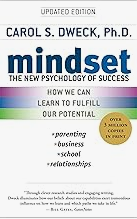
Mindset

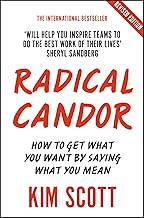
Radical Candor
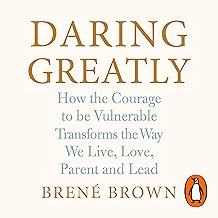
Daring Greatly
Disclosure: This post may contain affiliate links. We only recommend products we believe in, and we may receive a commission at no cost to you! Thank you for your support!
Acknowledgment: Cover Image by moneycatzzz.com
Disclaimer: The information is provided for general information only – moneycatzzz.com makes no representations or warranties in relation to the information, including but not limited to any representation or warranty as to the fitness for any particular purpose of the information to the fullest extent permitted by law. While every effort has been made to ensure that the information provided in this article is accurate, reliable, and complete as of the time of writing, the information provided in this article should not be relied upon to make any financial, investment, real estate or legal decisions. Additionally, the information should not substitute advice from a trained professional who can take into account your personal facts and circumstances, and we accept no liability if you use the information to form decisions.