
 Reading Time: 8 mins #
 This post may contain affiliate links.
“This article is for informational purposes only and is not medical advice. Always consult your healthcare provider before implementing new nutritional changes.”
You know that feeling. It’s 3 PM, your eyelids feel like they weigh ten pounds, and your brain has apparently decided to take an unscheduled vacation. You’re experiencing the dreaded afternoon energy crash, and you’re definitely not alone.
After years of testing different approaches and diving into metabolic research, I’ve discovered something surprising: beating the energy slump isn’t about more caffeine or pushing through. It’s about working with your body’s natural rhythms, not against them.
Today, I’m sharing three systems that have completely changed how I (and hundreds of others) experience afternoons. No extreme diets, no expensive supplements, just brilliant food timing and simple tweaks that create sustained energy throughout your day.
Why Your Body Crashes (And It’s Not Your Fault)
Let’s get something straight: that afternoon energy crash isn’t a character flaw. Your body experiences a natural dip in energy between 2 and 3 PM. It’s literally programmed into your biology. Ancient humans probably napped during this time. Modern humans have meetings.
But here’s where it gets interesting. While some afternoon fatigue is natural, the complete zombie mode that most of us experience is not. That’s something else entirely. That’s your blood sugar stability going haywire from a lunch that looked healthy but acted like a sugar bomb in your system.
You know that virtuous whole-grain sandwich, fruit cup, and vitamin water lunch? Your body processes it almost as fast as candy. Blood sugar spikes, insulin rushes in, and boom: metabolic energy nosedive. Add in the fact that most of us are mildly dehydrated by afternoon (when did you last drink plain water?), and you’ve got the perfect recipe for that daily crash.
The good news? Once you understand what’s actually happening, you can address the issue. Don’t fight it. Fix it.
System 1: The Layered Macro Plate (Optimizing Lunch)
Okay, this changed everything for me. The Layered Macro Plate isn’t about what you can’t eat. It’s about eating what you already eat in a different order. Sounds too simple. Stay with me.
Your digestive system is like a highway. When you eat simple carbs first (that bread basket calling your name), they zoom straight into your bloodstream. Blood sugar stability is gone. But when you eat protein and fiber first, you essentially create a traffic jam. A good traffic jam. Everything slows down, glucose trickles in steadily, and you get sustained energy instead of a spike and crash.
Here’s the macro layering protocol that prevents the afternoon energy crash:
First Layer (Eat This First): Start with your lean protein (about 30% of your plate) and fiber-rich complex carbs (40% of your plate). Think grilled chicken and roasted vegetables, or lentil soup with leafy greens. Your glucose absorption immediately slows down.
Second Layer (Eat This Second): Now add your healthy fats (20% of your plate). Avocado, olive oil dressing, and a handful of walnuts. These fats further slow down the process while keeping you satisfied. This is your blood sugar stability insurance policy.
Last Layer (If at All): Simple carbs should be 10% or less and eaten later. Suppose you must have that piece of bread or those crackers, fine. But by eating them last, you’ve already created a buffer zone.
Let me give you some real lunches that work:
The Office Warrior Bowl: Start with grilled salmon and quinoa mixed with spinach. Add tahini dressing. If you’d like, finish with a few whole-grain crackers. Notice the order?
The Quick Assembly Plate: Rotisserie chicken (grocery store hero), pre-cut veggies with hummus, then olive oil drizzled over everything. Those pita chips? Save them for last.
I used to start lunch with a roll while waiting for my meal to arrive. Classic mistake. That immediate carb hit sets off the whole blood sugar stability disaster. Now I ask for veggies or salad to come first. A small change can make a massive difference in my energy slump later.

[“The Pain Point – The 3 PM Daze” – Image by moneycatzzz.com]
System 2: The 90-Minute Micro-Feed (Targeted Timing)
This system sounds too specific to work, but there’s beautiful science here. Approximately 90 minutes after eating, your blood sugar levels naturally begin to decline. Most of us don’t notice it yet. But by 2:30 or 3:00? Full energy slump mode.
The trick is intercepting that decline before it becomes a crash. Think of it as preventive nutrition rather than an emergency response. Here’s how the 90-Minute Micro-Feed prevents your afternoon energy crash:
The Timeline:
Eat lunch between 12:00 and 1:00 PM. I know, earlier than usual. However, aligning your main meal with your body’s peak alertness can make a significant difference in sustaining energy.
The Magic Window:
Precisely 90 minutes after finishing lunch (so 1:30 to 2:30 PM), consume a strategic mini-snack. We’re talking 150 calories, mostly protein and fat. This isn’t a meal. It’s a metabolic bridge to carry you through the afternoon danger zone.
Smart Snack Examples That Actually Work:
- A handful of raw almonds (I keep them in my desk drawer)
- Plain Greek yogurt with a few berries (not the sugary stuff)
- A hard-boiled egg with everything bagel seasoning (meal prep these Sundays)
- String cheese and five olives (weird combo, totally works)
Here’s what happened when I started this: I forgot about the 3 PM vending machine. Just forgot it existed. The metabolic energy stayed steady, no desperate candy bar runs.
Quick story: My colleague noticed I stopped doing my daily 3 PM coffee run. She thought I was sick. Nope, didn’t need it anymore. The micro-feed had eliminated the energy slump that coffee was band-aiding.
The key is planning. Sunday night, I portion out five micro-snacks for the week. Sounds neurotic? Maybe. But it takes ten minutes and saves me from five days of afternoon energy crash drama.
System 3: Strategic Intake Aids (The Metabolic Boosters)
These aren’t magic pills or expensive supplements. They’re simple, science-backed additions that support everything else you’re doing. Think of them as the metabolic support crew for your central systems.
The Water Challenge
Right after lunch, drink 16 ounces of water. Not sips. Not “I’ll drink it over the next hour.” Down it within 10 minutes of finishing your meal.
Why so specific? Mild dehydration masquerades as fatigue. Your brain literally slows down when you’re even 2% dehydrated. Most of us hit that by early afternoon. This water blast prevents the fake energy slump caused by dehydration. Additionally, it aids in digestion and blood sugar stability.
I put a rubber band around my water bottle after lunch. Can’t take it off until I’ve refilled and drunk it. Silly? Sure. Effective? Absolutely.
The Green Tea Swap
Your 2 PM coffee isn’t helping as much as you think it is. The quick caffeine spike sets up another crash later. Green tea, though? Total game changer for sustained energy.
Green tea contains L-theanine, which helps mitigate the effects of caffeine. You get alerts without jitter, focused without anxiety. It’s like caffeine’s calmer, more productive cousin. The metabolic energy boost lasts longer, too, carrying you through to dinner without another crash.
I was a coffee purist. “Green tea is for yoga people,” I thought. Then I tried it for a week. My afternoons became… pleasant? Productive? It was unusual not to fight through the last three hours of work
The Cinnamon Hack
This one may sound like nonsense, but research supports it. Half a teaspoon of cinnamon can help flatten your blood sugar curve. Sprinkle it on your afternoon yogurt, stir it into your green tea, or mix it with those almonds.
Ceylon cinnamon works best, but regular grocery store cinnamon will suffice. The compounds in cinnamon actually help your cells respond better to insulin, creating better blood sugar stability throughout the afternoon.
Fair warning: Don’t dump a tablespoon in, thinking more is better. I tried that. Cinnamon challenge flashbacks. Half a teaspoon is perfect.
Putting It All Together (Your Action Plan)
Look, you don’t have to implement all three systems tomorrow. That’s a recipe for overwhelm and giving up by Wednesday. Here’s how to actually make this stick:
Week 1: Master the Layered Plate. Just focus on eating lunch in the correct order. Protein and fiber first, fats second, simple carbs last. Notice how you feel around 3 PM.
Week 2: Add the 90-Minute Micro-Feed. Set a phone reminder. Have your snacks ready. This is when you’ll really notice the energy slump disappearing.
Week 3: Layer in the Strategic Aids. Water challenge, green tea swap, and cinnamon addition. By now, your sustained energy should feel almost automatic.

[“The 90-Minute Micro-Feed Strategic Desk Intervention” – Image by moneycatzzz.com]
Your Monday Morning Setup:
- Buy: Almonds, Greek yogurt, green tea, cinnamon
- Prep: Hard-boiled eggs, portion snacks
- Place: Snacks in desk, cinnamon in drawer, green tea visible
Some days you’ll forget. On some days, you’ll have a lunch meeting where you can’t control the food order. That’s fine. This isn’t about perfection. It’s about having a system that works most days, so the occasional off day doesn’t derail you.
“This article is for informational purposes only and is not medical advice. Always consult your healthcare provider before implementing new nutritional changes.”
The Compound Effect
Beating the mid-day dip isn’t about willpower; it’s about protocol. We’ve armed you with three actionable systems:
System 1 (Balance): Use the Layered Lunch protocol to optimize macronutrient ratios and absorption.
System 2 (Timing): Use the 90-Minute Micro-Feed to intercept the natural metabolic decline.
System 3 (Boosters): Use targeted hydration and spices to support energy and focus.
Here’s the hidden truth about adopting these systems: the benefits compound.
When your blood sugar levels remain stable, your energy becomes more predictable. You stop feeling exhausted and irritable at 6 PM, which means you’re more present for your family, less likely to crave late-night sugar fixes, and better positioned for quality sleep.
This framework doesn’t just save your afternoon; it transforms your evening, which in turn transforms your sleep, which ultimately transforms your morning. You stop surviving your days and start optimizing your life.
The afternoon energy crash is not a character flaw—it’s a metabolic signal. You now have the three maps you need to navigate it. Start with System 1 tomorrow. Eat your protein and fiber first, and notice the difference when 3 PM rolls around.
Your future, consistently energetic self will thank you for taking this simple, intentional step today.
Medical and Nutritional Disclaimer
FOR INFORMATIONAL PURPOSES ONLY. NOT MEDICAL ADVICE.
The information presented in this article, “The Energy Stabilization Framework: 3 Systems to End the 3 PM Crash,” including all discussions regarding food timing, macronutrient balance, hydration protocols, and the use of spices or supplements (such as cinnamon and L-Theanine), is provided strictly for educational and informational purposes.
It is not intended to be a substitute for professional medical advice, diagnosis, or treatment from a qualified healthcare practitioner, such as a doctor or Registered Dietitian (RD).
- Consult a Professional: Always seek the advice of your physician or other qualified health provider with any questions you may have regarding a medical condition, dietary changes, or before starting any new fitness or nutrition regimen.
- Individual Results: Nutritional needs and metabolic responses vary significantly from person to person. The protocols described here may not be suitable for everyone, particularly those with existing health conditions (e.g., diabetes, hypertension, allergies, or specific medication requirements).
- No Guarantee: The authors and publishers make no guarantees regarding the completeness, accuracy, or suitability of this information, and assume no liability for any loss, damage, or injury incurred as a result of using this content.
Recommended Reading: The Science of Metabolic Stability, Energy Timing, and Sustained Focus
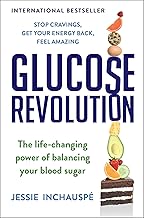
Glucose Revolution

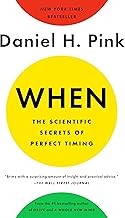
When
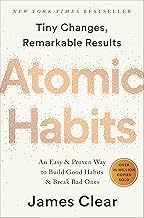
Atomic Habits
Disclosure: This post may contain affiliate links. We only recommend products we believe in, and we may receive a commission at no cost to you! Thank you for your support!
Acknowledgment: Cover Image by moneycatzzz.com
Disclaimer: The information is provided for general information only – moneycatzzz.com makes no representations or warranties in relation to the information, including but not limited to any representation or warranty as to the fitness for any particular purpose of the information to the fullest extent permitted by law. While every effort has been made to ensure that the information provided in this article is accurate, reliable, and complete as of the time of writing, the information provided in this article should not be relied upon to make any financial, investment, real estate or legal decisions. Additionally, the information should not substitute advice from a trained professional who can take into account your personal facts and circumstances, and we accept no liability if you use the information to form decisions.